Built For Broader Film On Busy Packing Lines
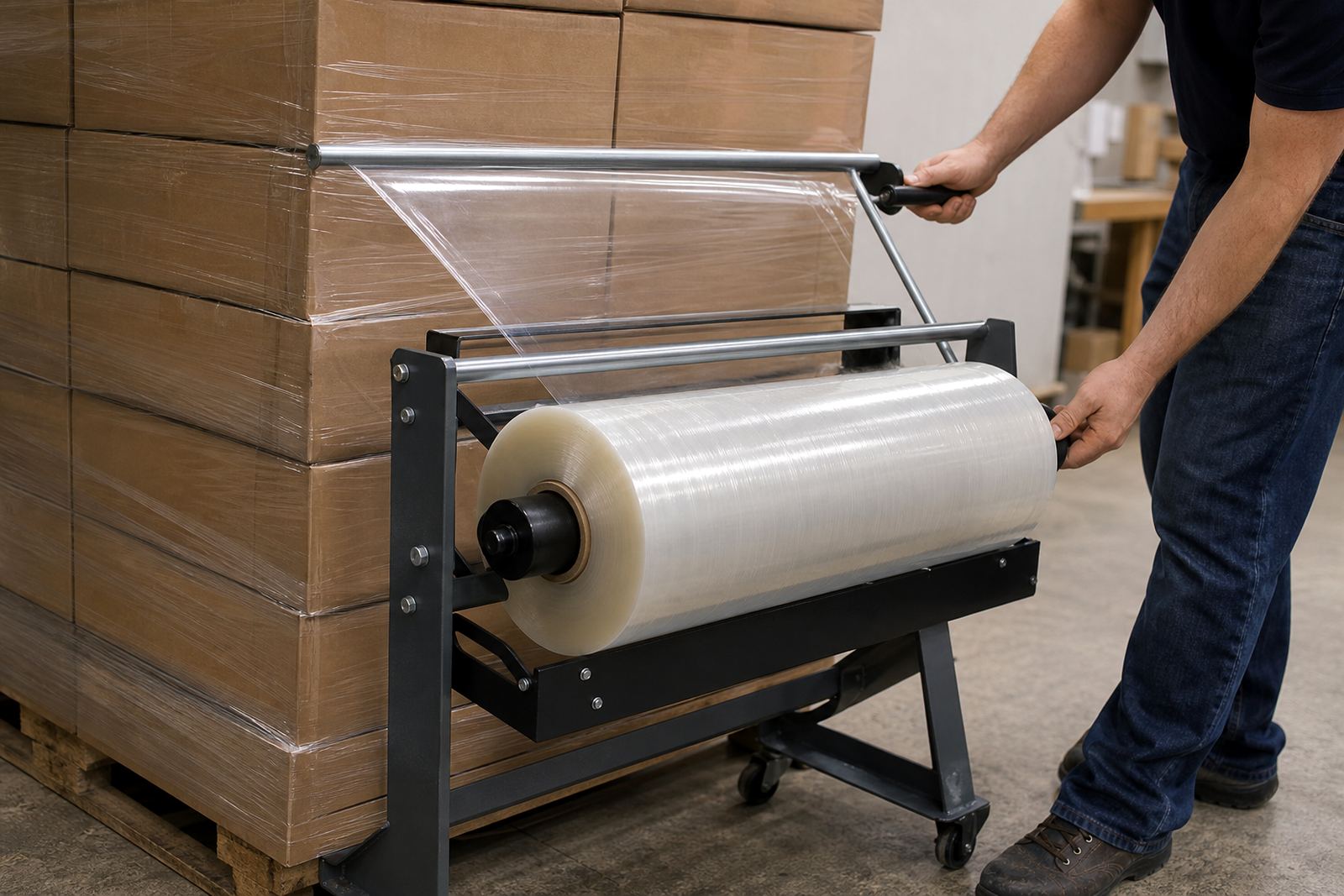
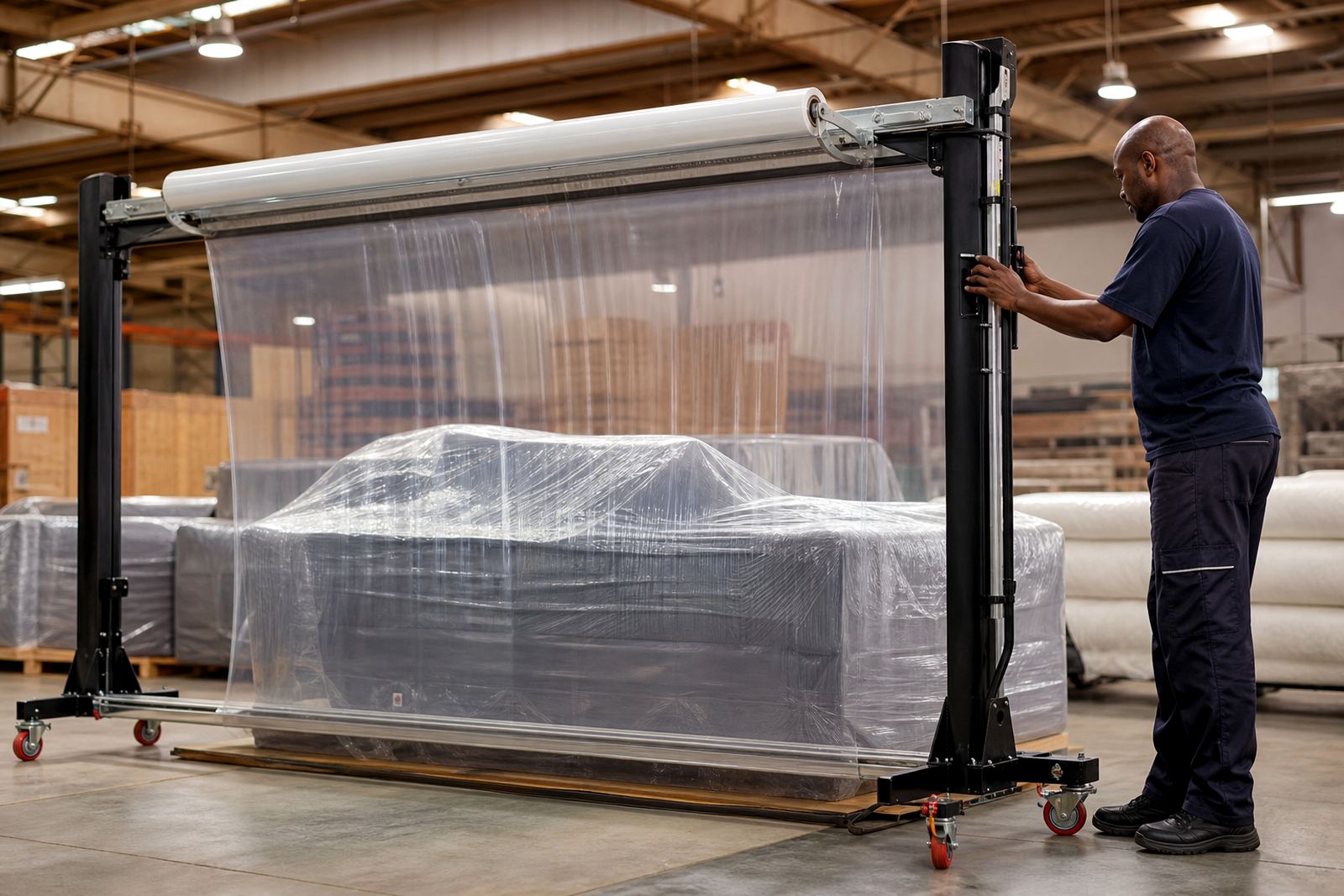
The wide web cutter is made for operations handling larger film widths on shrink and stretch film applications. It gives packing teams a steady, controlled cut point so the operator does not struggle with loose film edges, uneven breaks, or unnecessary rework during a shift.
For sites in Johannesburg, Pretoria, Durban, Cape Town and Polokwane, this type of cutter is often used where pack sizes change through the day and the line must keep moving. It is a practical fit for larger cartons, grouped packs, pallet wrapping support and general end-of-line packing where film width is wider than standard hand use.
Because the unit is built for daily use, it is suited to factories and distribution centres that run more than one shift. In summer humidity on the coast or dustier inland sites, the aim stays the same: a clean cut, less waste, and better control over the film edge.
What The Wide Web Cutter Does On Site
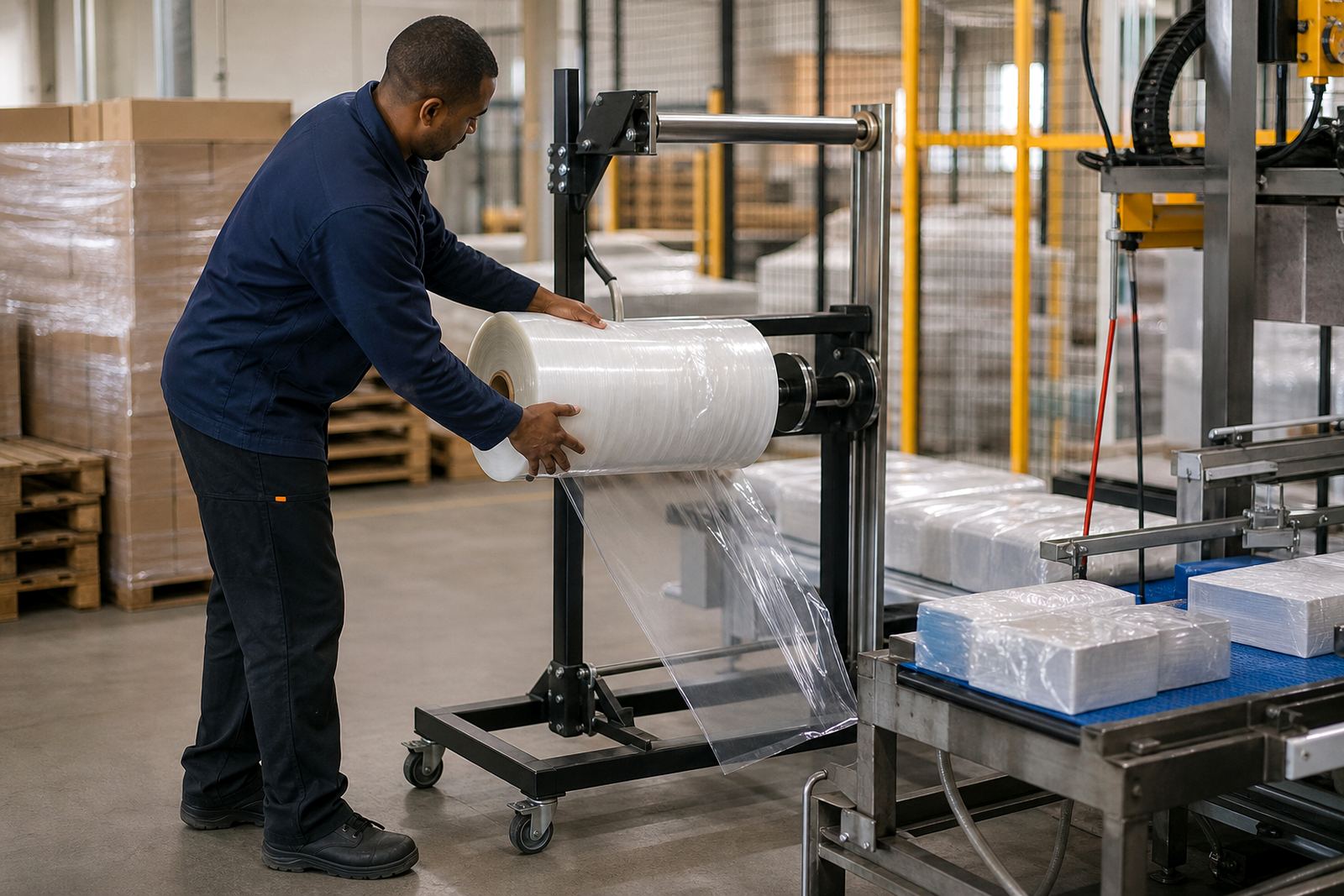
This cutter assists with trimming wide film to the right working width before or during application. In many packing areas, the issue is not the film itself but how the operator controls it once the roll is open and moving. A proper cutter helps reduce snagging, tearing and uneven film ends that can slow the line down.
It is commonly used with shrink film and stretch film where packs are larger than standard carton loads. On lines handling bundled products, furniture parts, building materials or high-volume retail stock, the operator needs a clean edge and dependable handling, not fiddly adjustments.
- Helps create a neat, controlled film edge
- Reduces waste from ragged cuts and repeated trimming
- Improves speed when operators are changing rolls
- Supports consistent packing quality across shifts
Sizes, Options And Practical Fittings
Wide web cutters are selected according to film width, roll size and how the line is set up. Some sites need a simple manual cutter for a fixed station, while others need a dispenser with guided cutting for repeated use near the wrapping point. We look at the actual packing process first, then match the cutter to the film and the operator's reach.
Common options include different throat widths, mounting styles, blade types and dispenser layouts. If the site uses mixed product sizes, a wider working opening can save time when the team changes from one pack format to another. For smaller plants in Boksburg or Midrand, a compact setup may be enough, while larger depots may need a heavier unit for repeated daily use.
- Manual or guided cutting styles
- Various working widths for broader film rolls
- Table, wall or line mounting options
- Blade replacement and spare parts support
Where It Suits Best
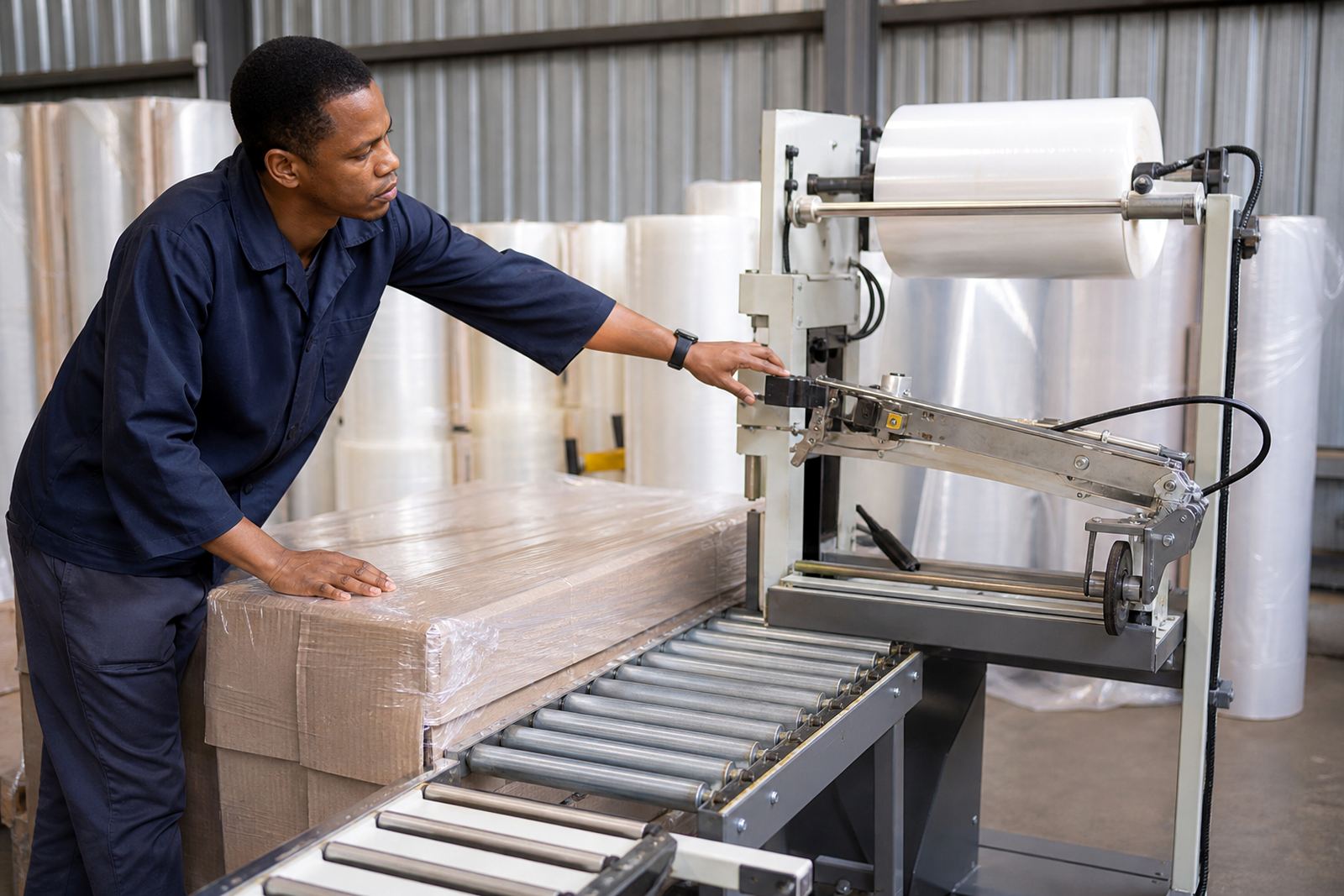
This product suits packing areas where film width is larger than average and the operator handles grouped packs or oversized loads. It is useful in warehouses, food distribution, light industrial plants, retail fulfilment centres and general packing lines where the film must be cut accurately without slowing down the operation.
It also suits operations that deal with load-shedding, because when power interruptions interrupt a line, staff need equipment that is quick to restart and simple to use after the stop-start cycle. In busy areas such as Germiston and Johannesburg, that matters when order volumes pick up and there is no time for complicated set-up work.
Where floors are active and shift handovers are tight, a well-fitted cutter helps keep the same packing method from one team to the next. That means fewer mistakes, less film loss and more predictable results from one load to another.
Installation, Power And Site Requirements
Most wide web cutters are straightforward to install, but the exact set-up depends on the packing line, mounting point and operator position. We assess whether the cutter will sit on a bench, attach to a frame, or fit into a line where film is drawn and cut repeatedly at the same station.
Many units do not need a power connection at all, which makes them useful in areas where electrical availability is limited or where the line must keep working through power cuts. If a powered accessory or related line equipment is involved, the site must confirm the available supply, plug type and safe cable routing before installation. In some plants, there may also be compressed air or mounting clearance to consider.
We also check access for staff, blade safety and the surrounding packing flow. If the cutter is too high, too far from the operator, or placed where pallets pass too close, it creates risk and slows the work down.
Care, Servicing And Blade Replacement
Like any packing-line tool, the wide web cutter performs better with regular care. A quick daily check for blade wear, loose fittings, sticky film build-up and damaged guides can prevent stoppages later in the week. On sites running long shifts, a small issue can become a bigger problem if it is left too long.
Preventive servicing is useful for plants that want steadier output and fewer breakdown callouts. Our support can include blade replacement, dispenser repairs, site assessments, roll change support and safety checks. If the unit is used near dusty product areas or humid loading bays, the need for cleaning and inspection becomes even more important.
- Check blade sharpness and alignment regularly
- Remove film residue before it builds up
- Inspect mounts, brackets and fasteners
- Replace worn parts before they affect cut quality
What To Confirm Before You Order
Before ordering a wide web cutter, it helps to confirm the film type, the widest roll size, the way the line operates and how many operators will use the unit per shift. That gives a better match between the cutter and the real packing job. If the site handles different product sizes, it is also worth checking whether the cutter must handle regular changes or one fixed format only.
It is useful to know the pack dimensions, line speed, mounting space and whether training is needed for new staff. For larger plants, we may also look at spare blade needs and whether backup units are needed for high-use areas. A site in Cape Town with coastal humidity may need a different care routine from an inland site in Polokwane, so the environment matters too.
When you send through an enquiry, include the film width, pack type, line layout and whether you need installation, servicing or training. That makes it easier to recommend the right cutter for your operation and avoid unnecessary delays.
Key facts
| Product type | Wide web cutter for shrink film and stretch film |
|---|---|
| Use | Broad film widths for larger products and grouped packs |
| Mounting | Bench, wall or line mounted depending on site setup |
| Power needs | Manual units typically no power required; confirm if line accessories need supply |
| Service support | Installation, blade replacement, repairs and preventive servicing |
| Coverage | Germiston base with supply and support across South Africa |