Start With The Film Type And Line Speed
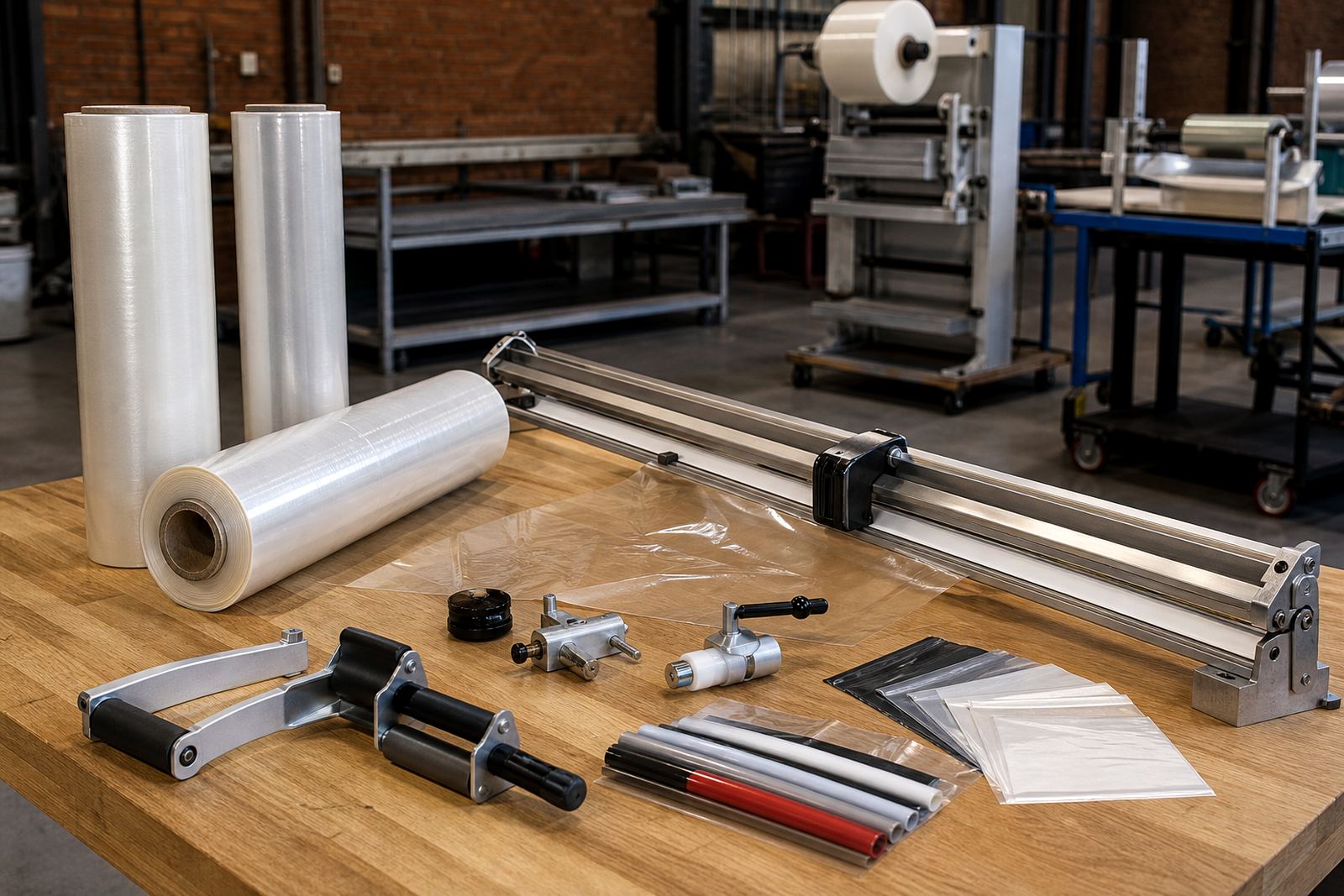
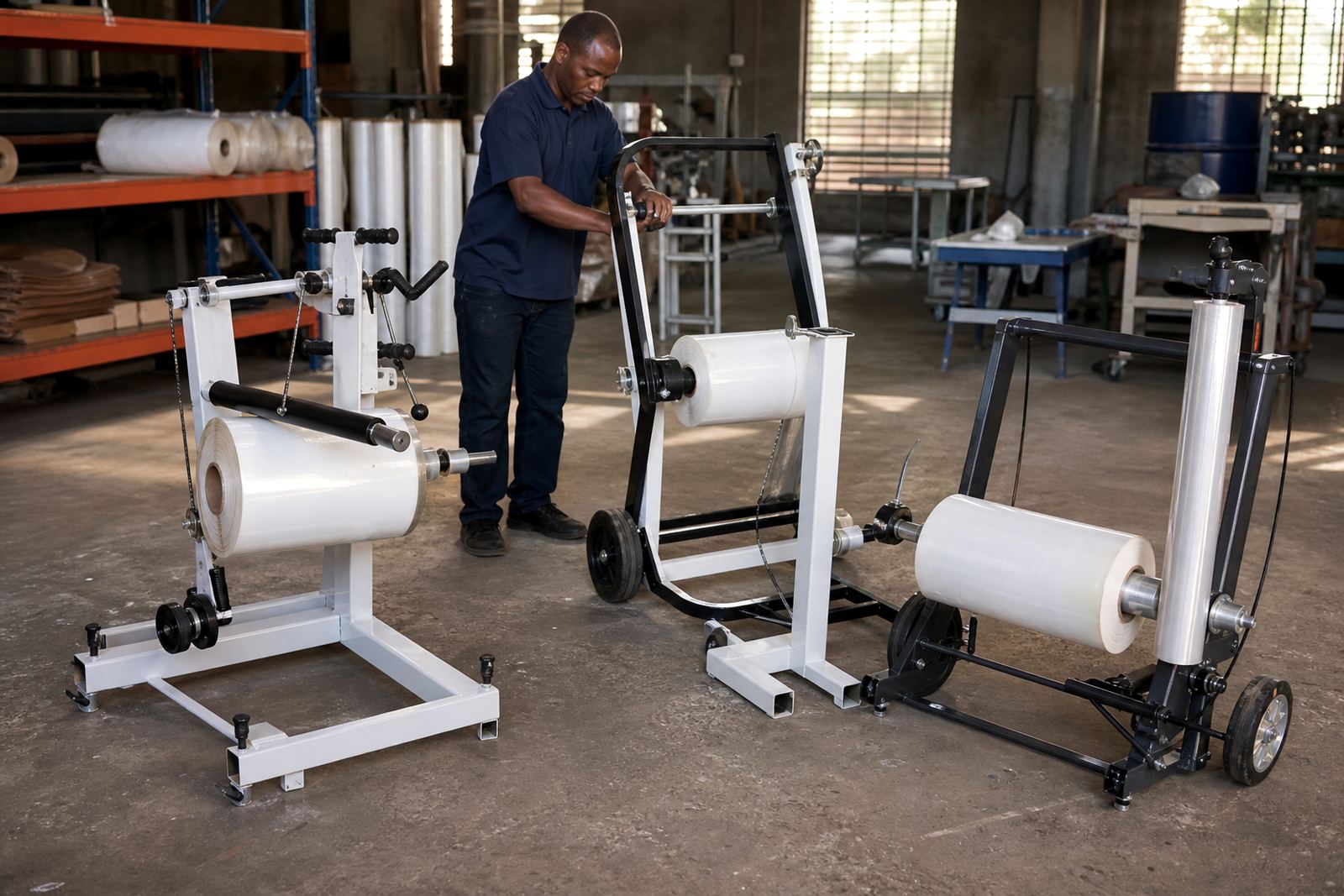
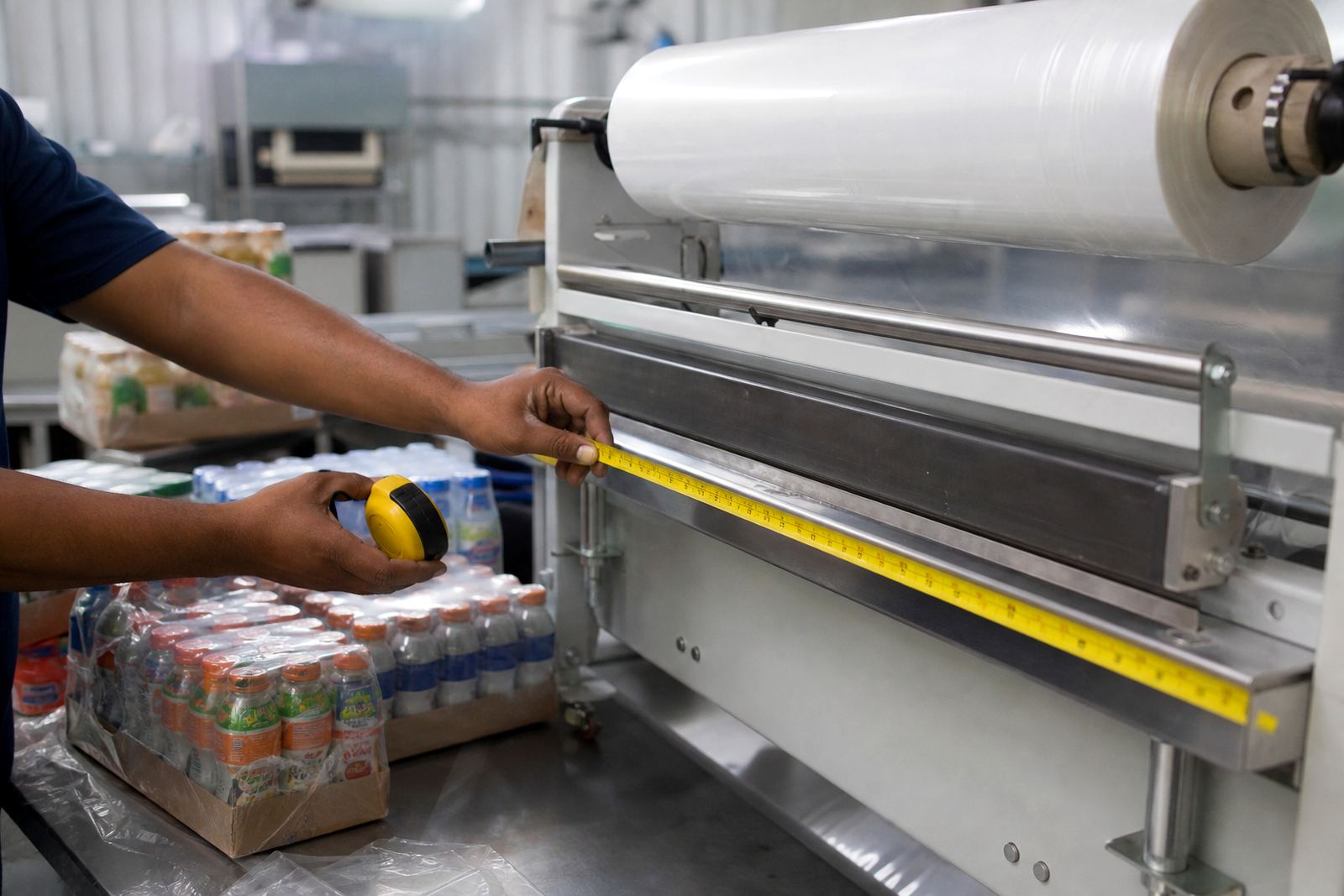
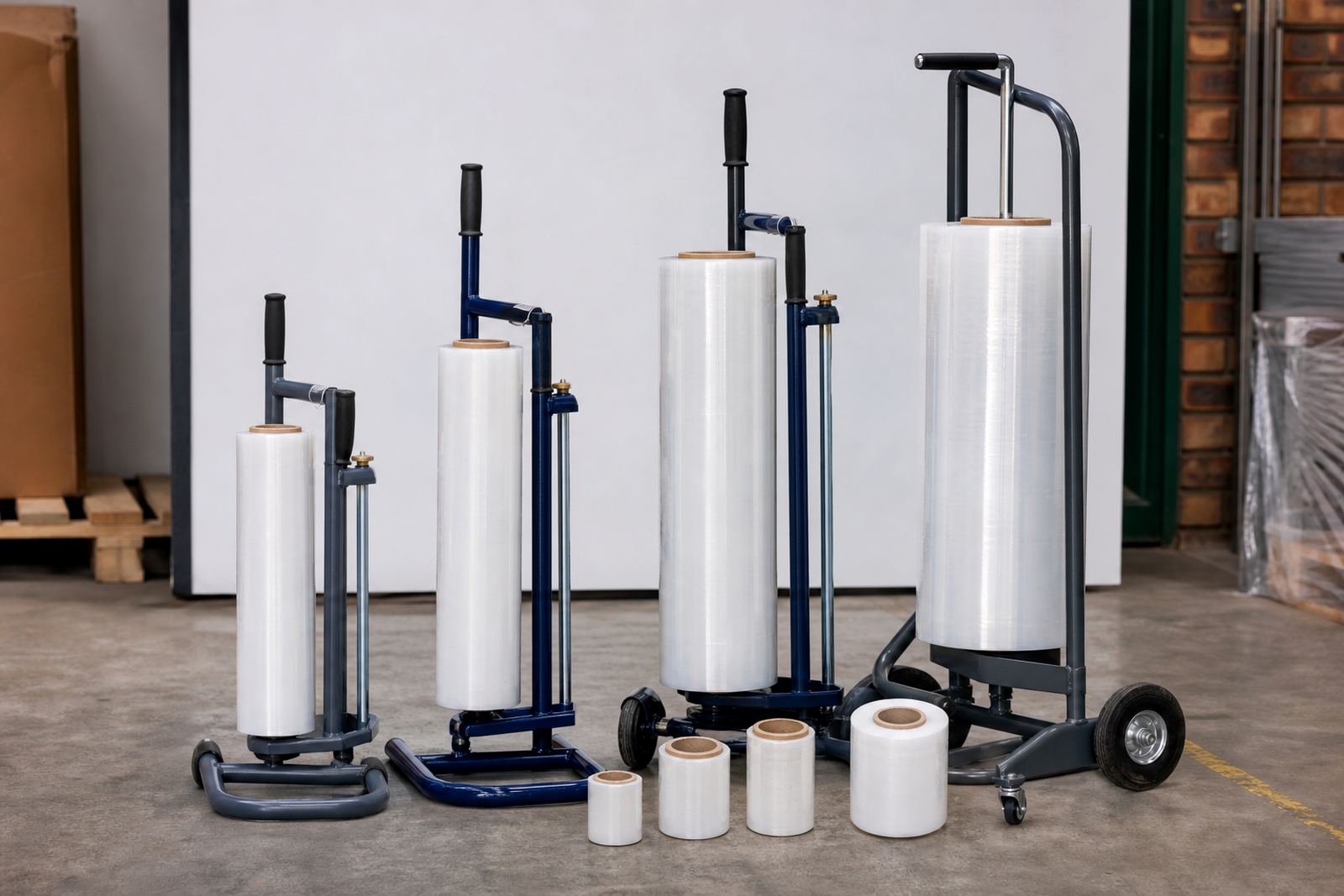
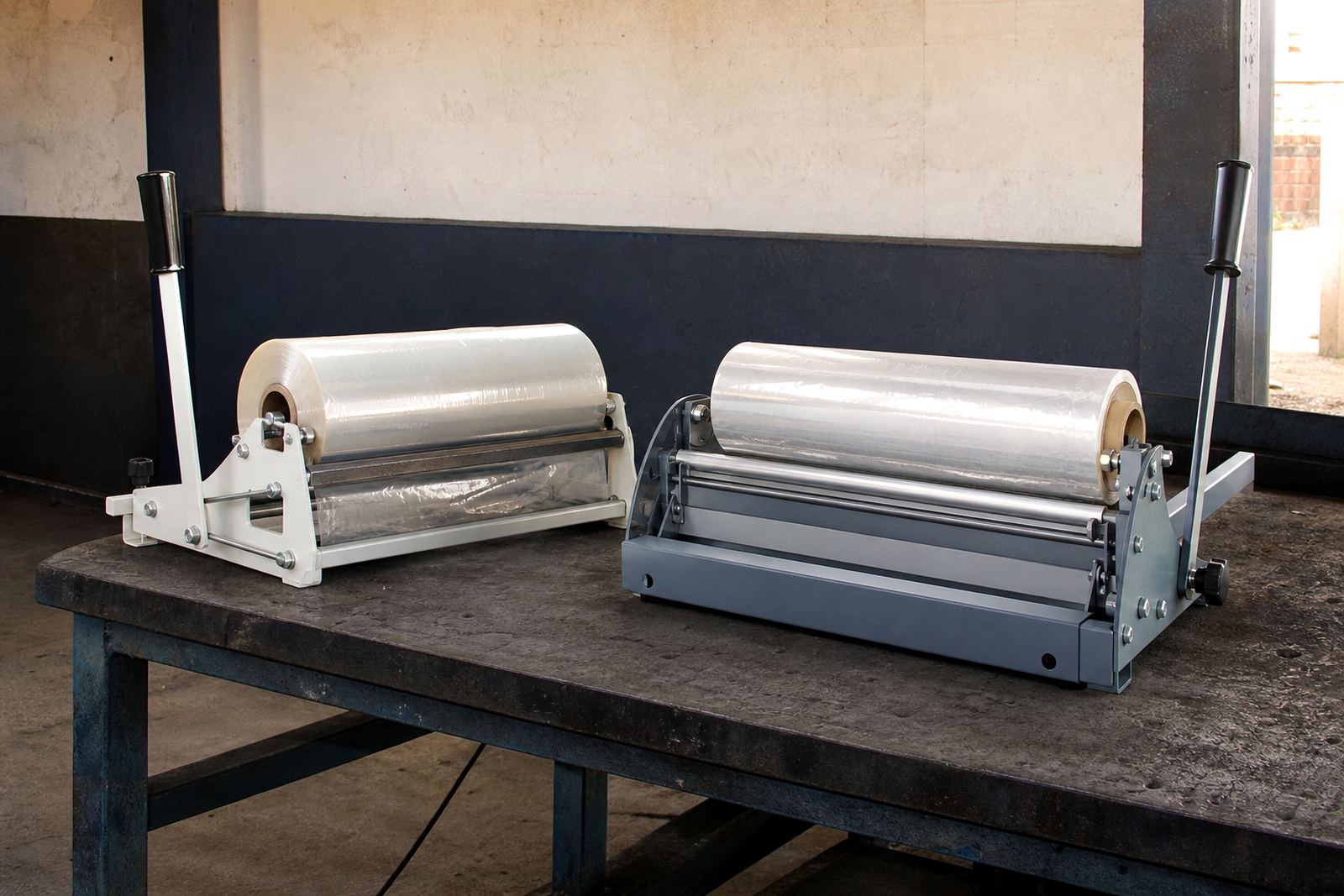
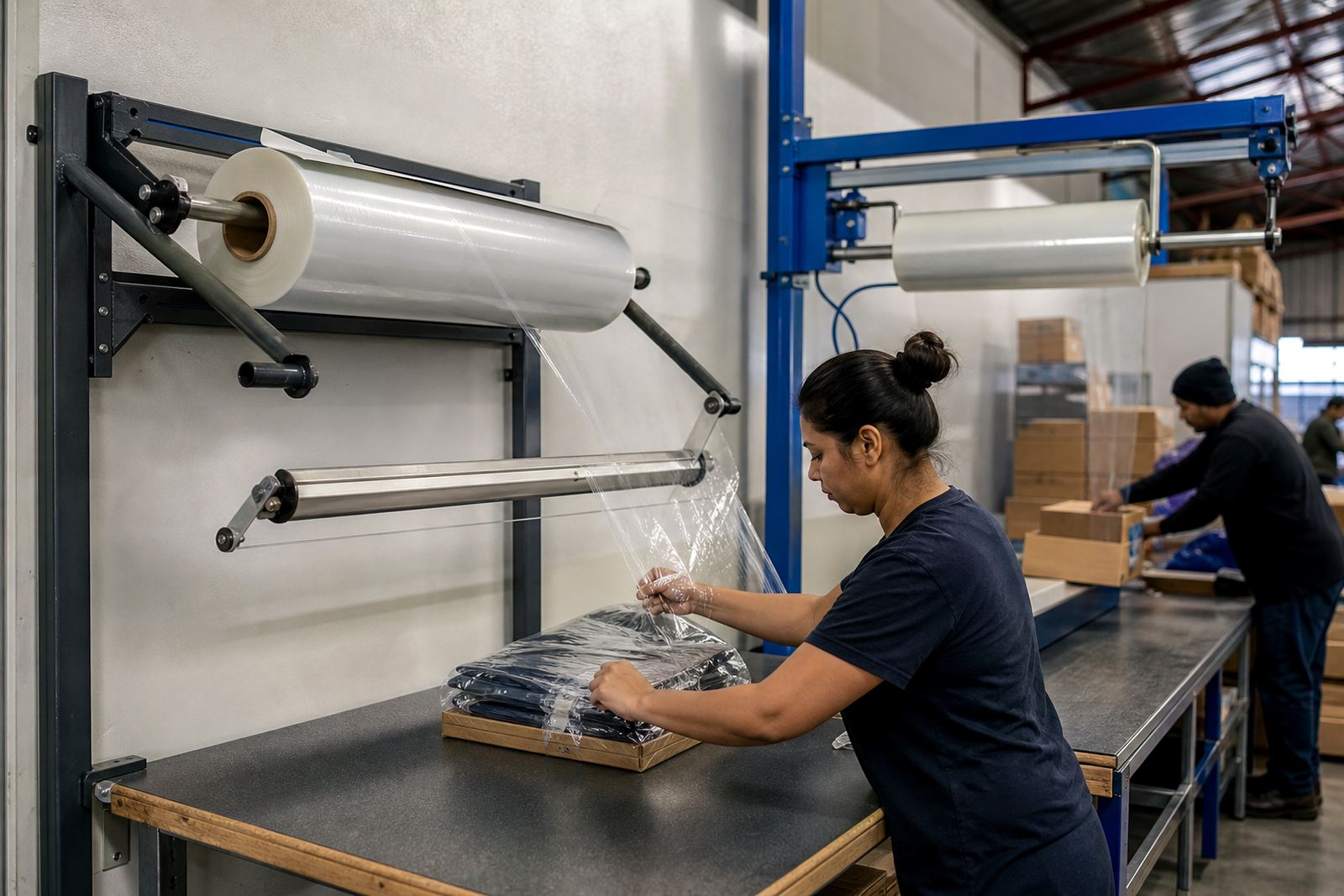
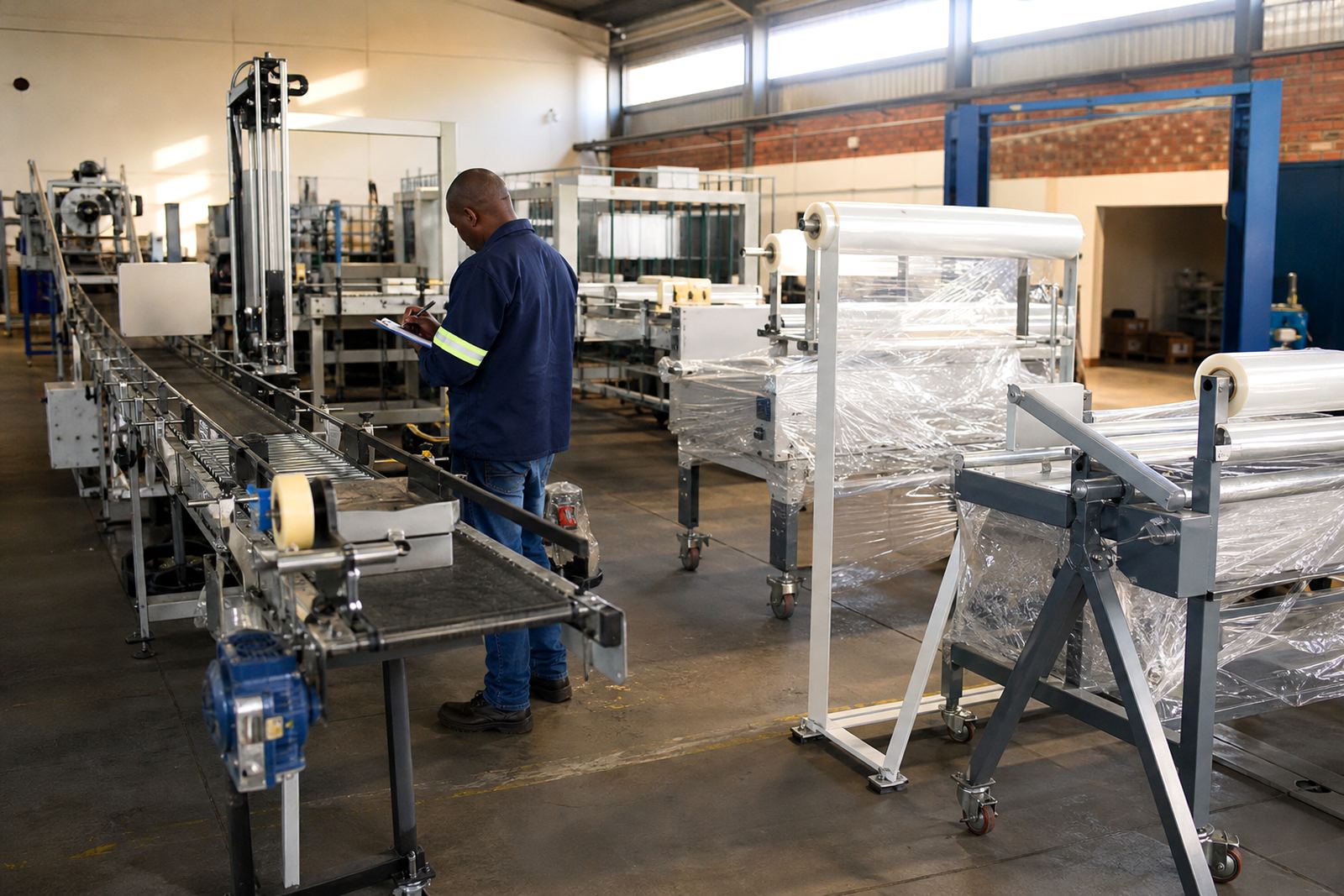
The right guide starts with the film on your line and how fast the pack station runs. Shrink film and stretch film behave differently, so the cutter or dispenser must suit the roll width, film thickness and the amount of hand input on the line. A setup that works in Germiston may need a different blade or holder in Durban, where humidity and dust can change how film feeds through the unit.
When buyers compare options, the main question is not only what fits today but what will keep working when output increases. A packing line running one shift can manage with a basic manual unit, while a busier site in Johannesburg or Boksburg may need quicker roll changes and better support for repeat cuts.
What Buyers Should Check Before They Order
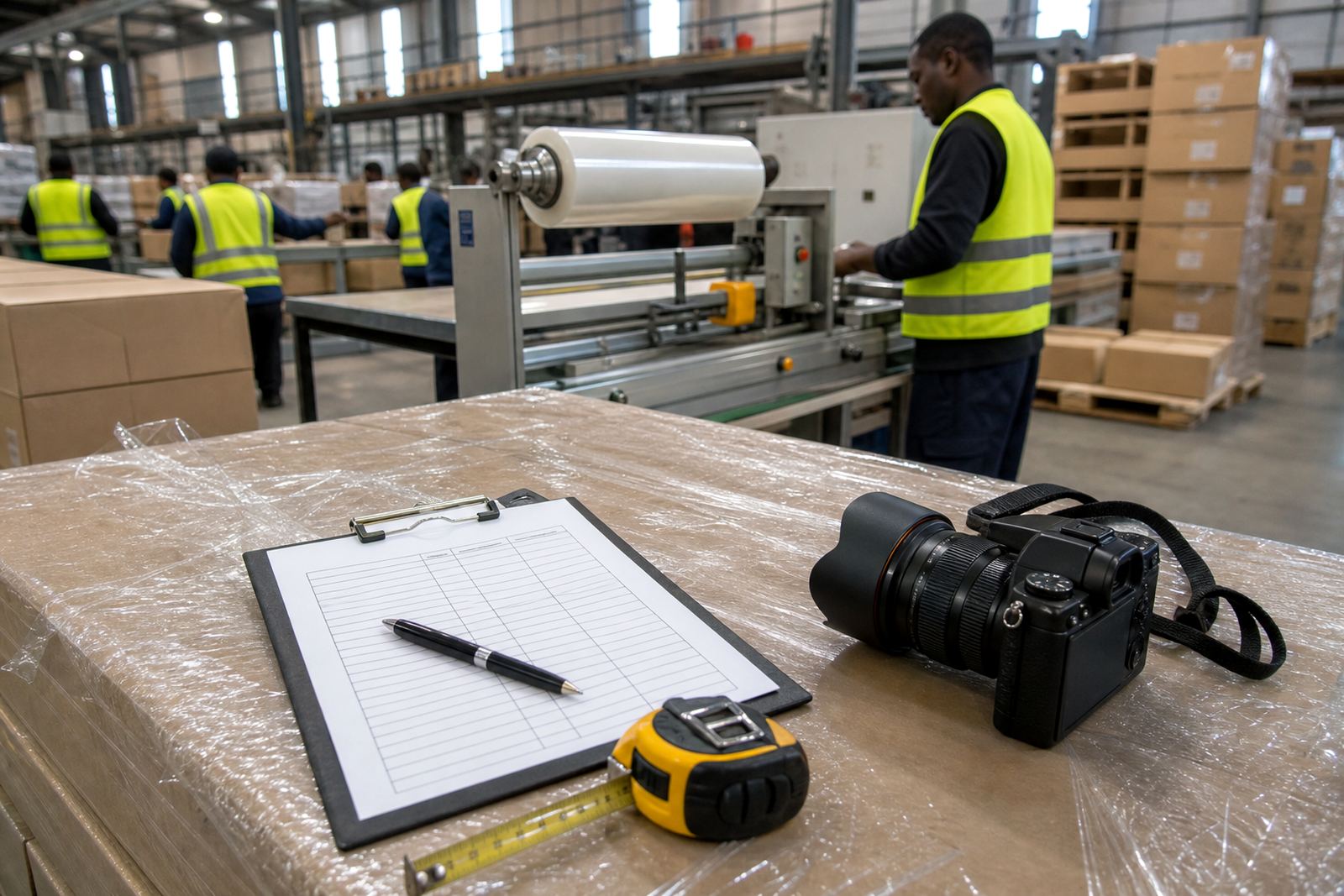
Good buying decisions come from the details. The guide pages below help supervisors check compatibility, safety and ease of use before anything is fitted to the line. That saves time during installation and avoids rework after the first few runs.
- Roll width and roll diameter at the current packing station
- Film thickness and whether the film tears cleanly or needs a smoother cut
- Mounting space on the line and clearance for operator movement
- How often the roll changes happen during a normal shift
- Whether the team works through load-shedding and needs a simple manual backup
A site in Pretoria with a steady production rhythm may prioritise quick access and operator comfort, while a Cape Town site closer to the coast may need stronger attention to corrosion resistance and cleaning routines.
Guides For Setup, Safety And Daily Use
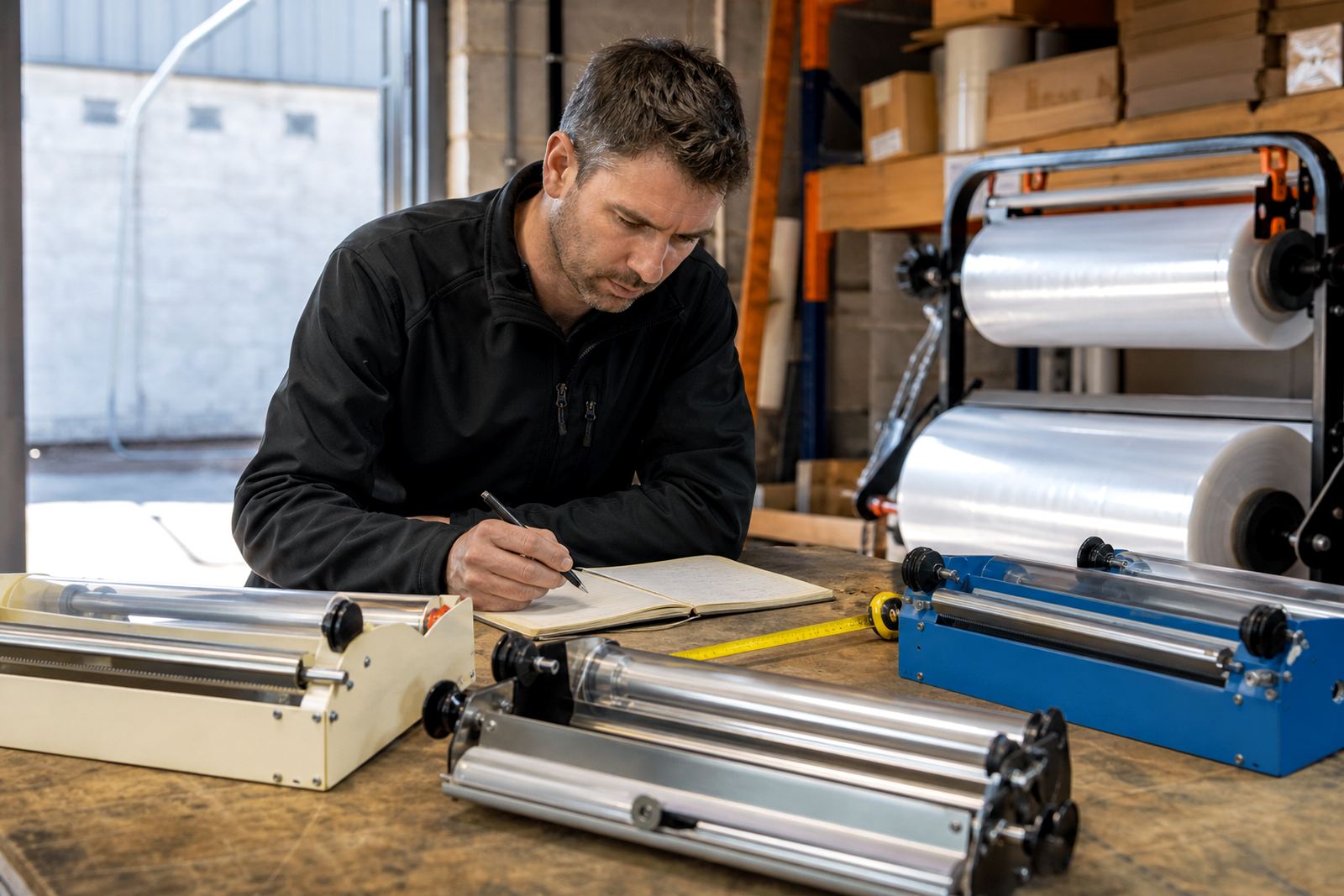
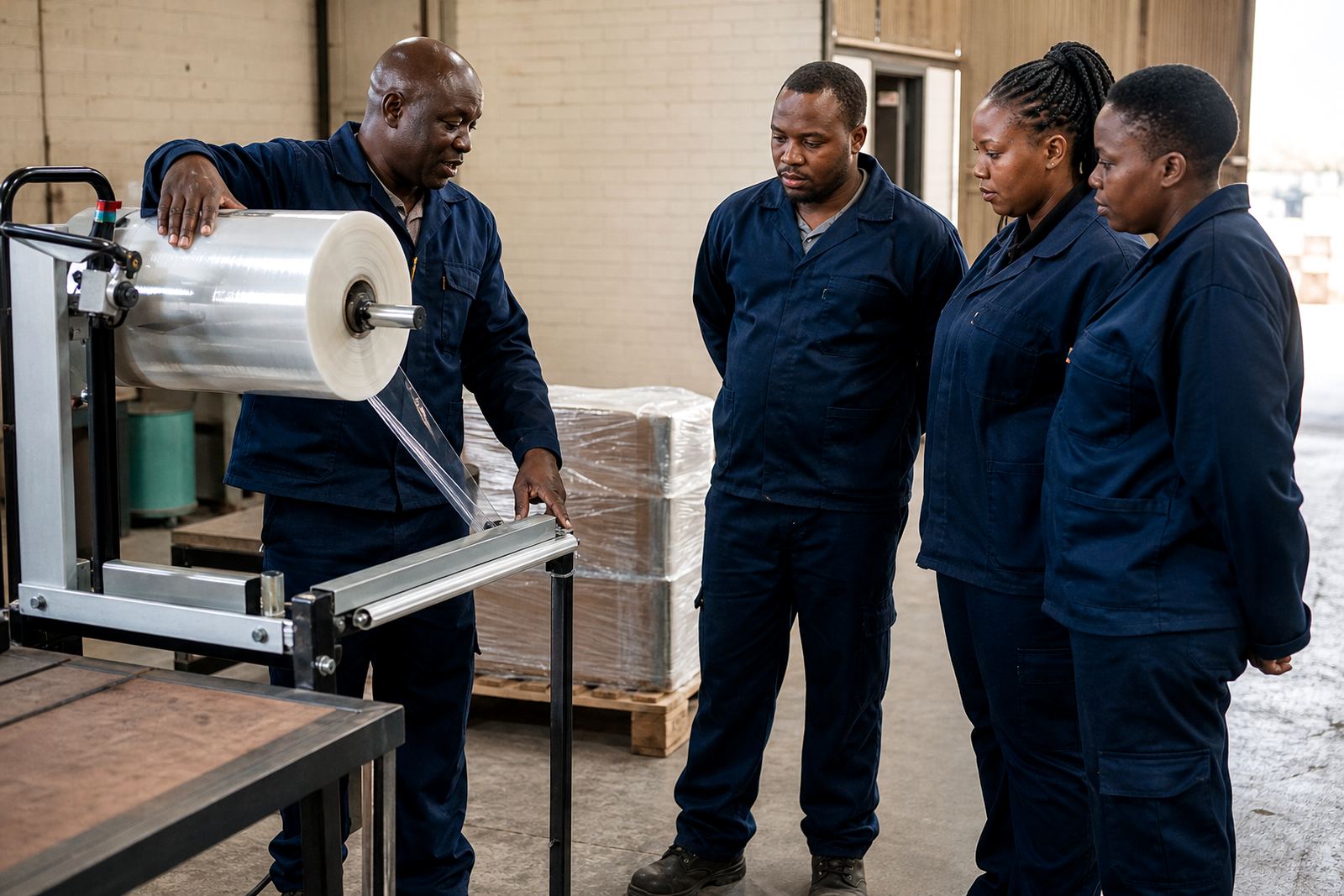
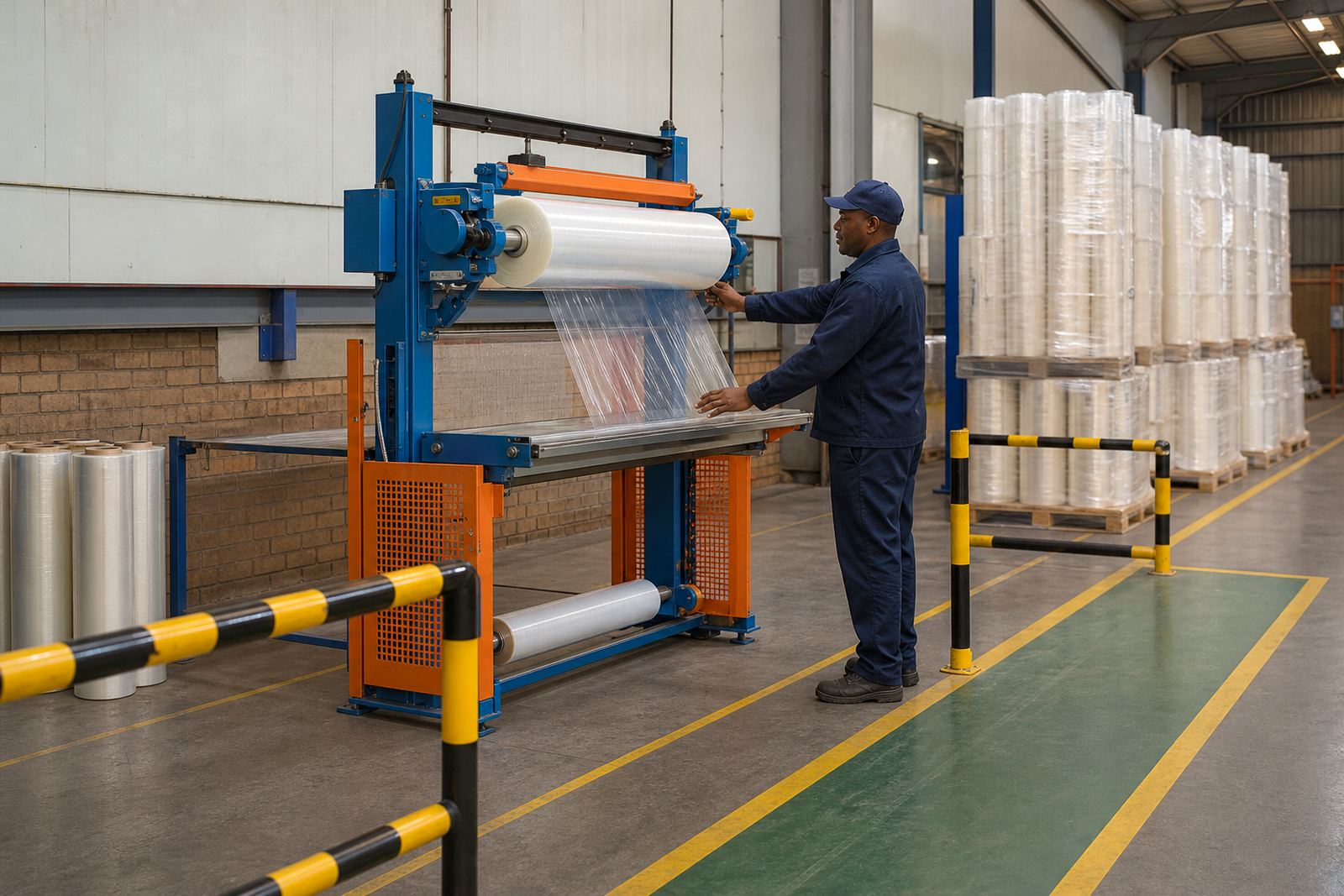
Once the right unit is chosen, the next step is setup that suits the packing team. These guides cover practical fitting points, blade positioning and simple safety habits that reduce waste and prevent unnecessary wear. They also help with line setup where space is tight and there are multiple operators sharing one station.
Supervisors in Polokwane, Midrand or Durban often ask the same thing: how do we keep the line moving without adding another bottleneck? The answer is usually in the small details, such as keeping the dispenser at the right height, checking tension, and making sure new staff know how the cutter should be handled.
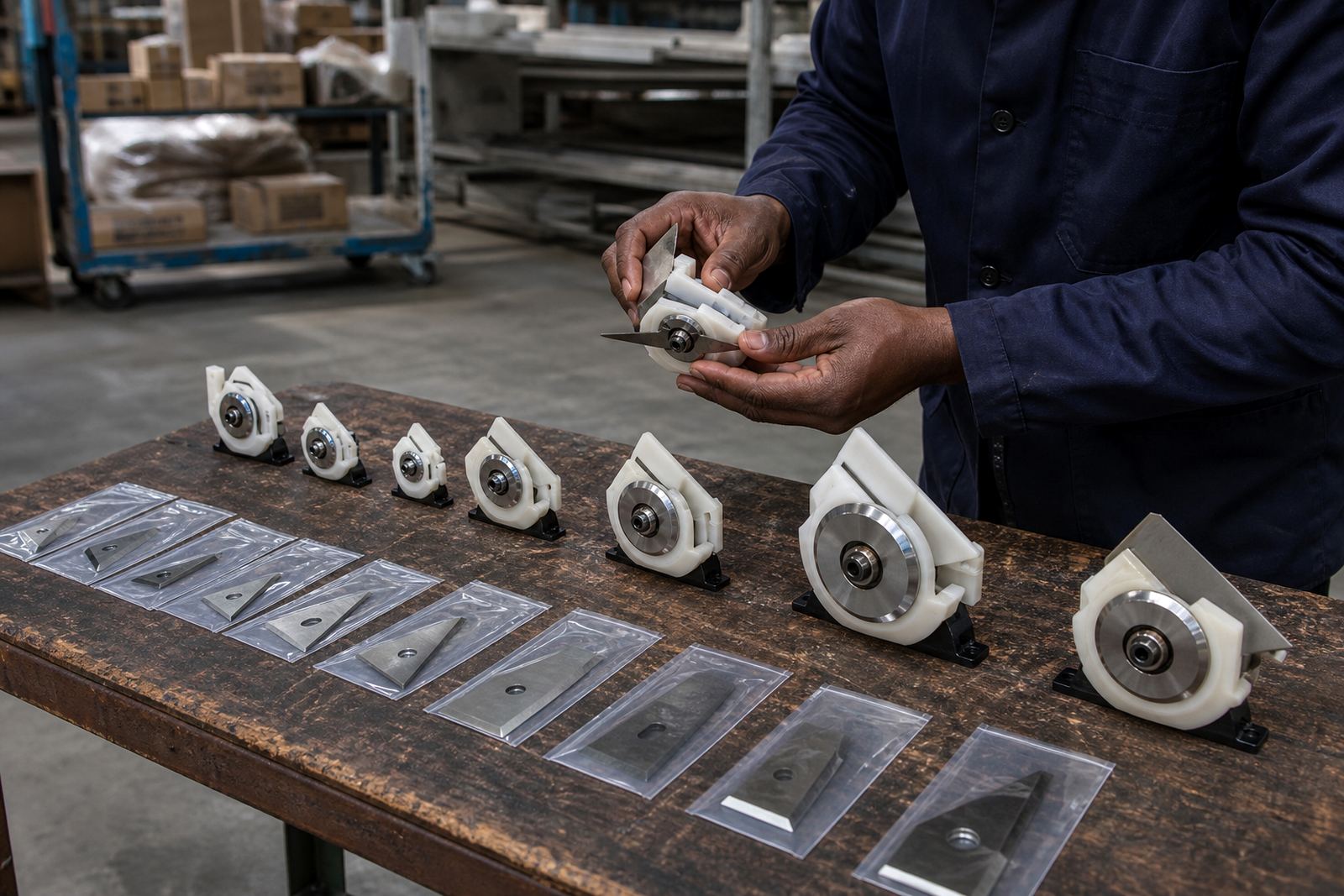
- Safe blade handling and replacement routines
- Operator training points for new staff and relief staff
- Simple checks before each shift starts
- How to spot wear before it becomes a breakdown
Maintenance That Protects Output
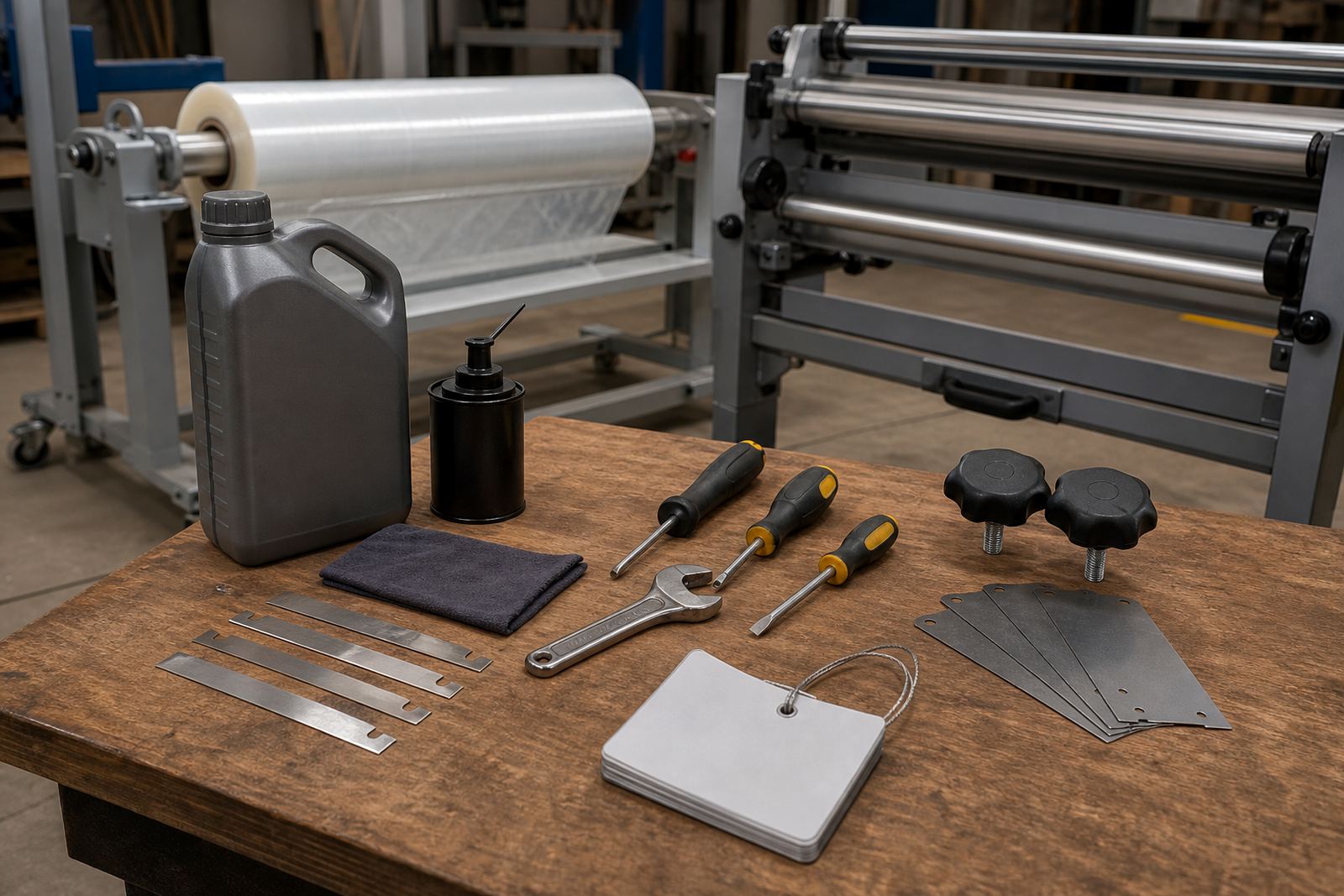
Regular servicing matters because packing lines do not stop for long explanations. A cutter that drags, a dispenser that sticks, or a damaged guide can slow the whole bay. These guides explain the maintenance habits that keep equipment usable for longer, from preventive servicing to blade replacement and spare parts planning.
For sites with heavy daily use, it helps to schedule checks around production rather than wait for a failure. That is especially useful when a customer in Germiston or Johannesburg has a tight dispatch window and cannot afford unexpected downtime. The aim is simple, keep the unit clean, aligned and ready for the next shift.
When To Repair And When To Upgrade
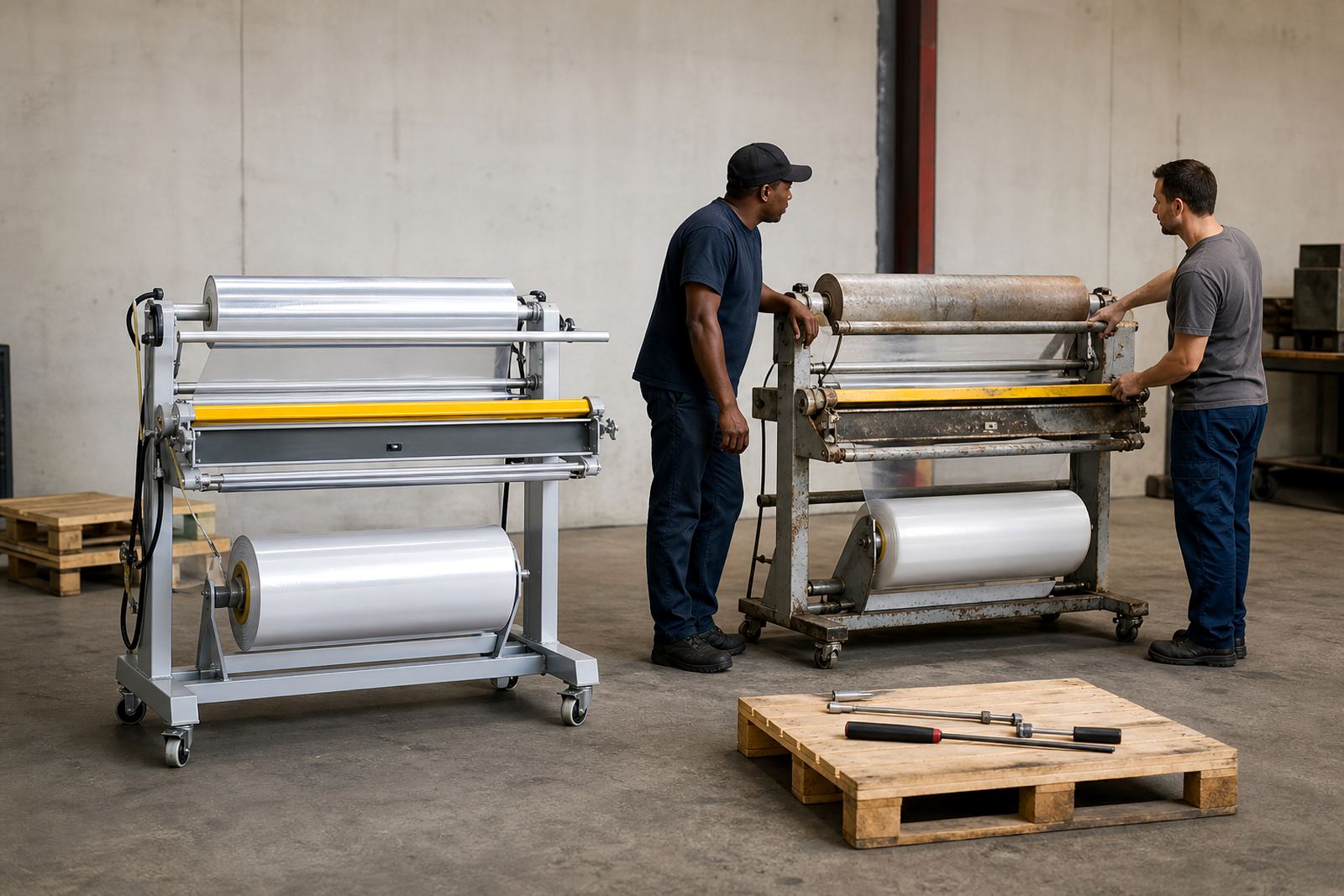
Not every problem needs a full replacement. Some cutters and dispensers only need repairs, a new blade, or a small adjustment to get them back into service. Other times the better choice is an upgrade because the current setup cannot keep up with pack speed, safety needs or changing roll sizes.
These guides help decision makers compare the signs. If operators are forcing the roll into place, changing blades too often, or calling for breakdown help more than they should, the line may be costing more than it should. A practical review of the equipment usually shows whether the issue is wear, poor setup or a unit that is simply past its useful life.
Use The Guides To Plan Better Line Support
The full set of guides is meant to help teams plan around real working conditions, not theory alone. That means thinking about site access, spare parts, training, municipal safety expectations and the pace of the packing line on an ordinary Tuesday morning. It also means choosing tools that suit the people who use them every day.
Whether the site is in Germiston, Boksburg, Midrand, Pretoria, Durban, Cape Town or Polokwane, the goal stays the same: fewer delays, cleaner film application and a packing line that works without fuss. Use the guides to narrow the options before requesting support through the enquiry form on the contact page.
- Match the guide to your film type and line speed
- Check operator needs before choosing a cutter or dispenser
- Plan servicing and spares around actual usage
- Compare repair, replacement and upgrade options with your team