

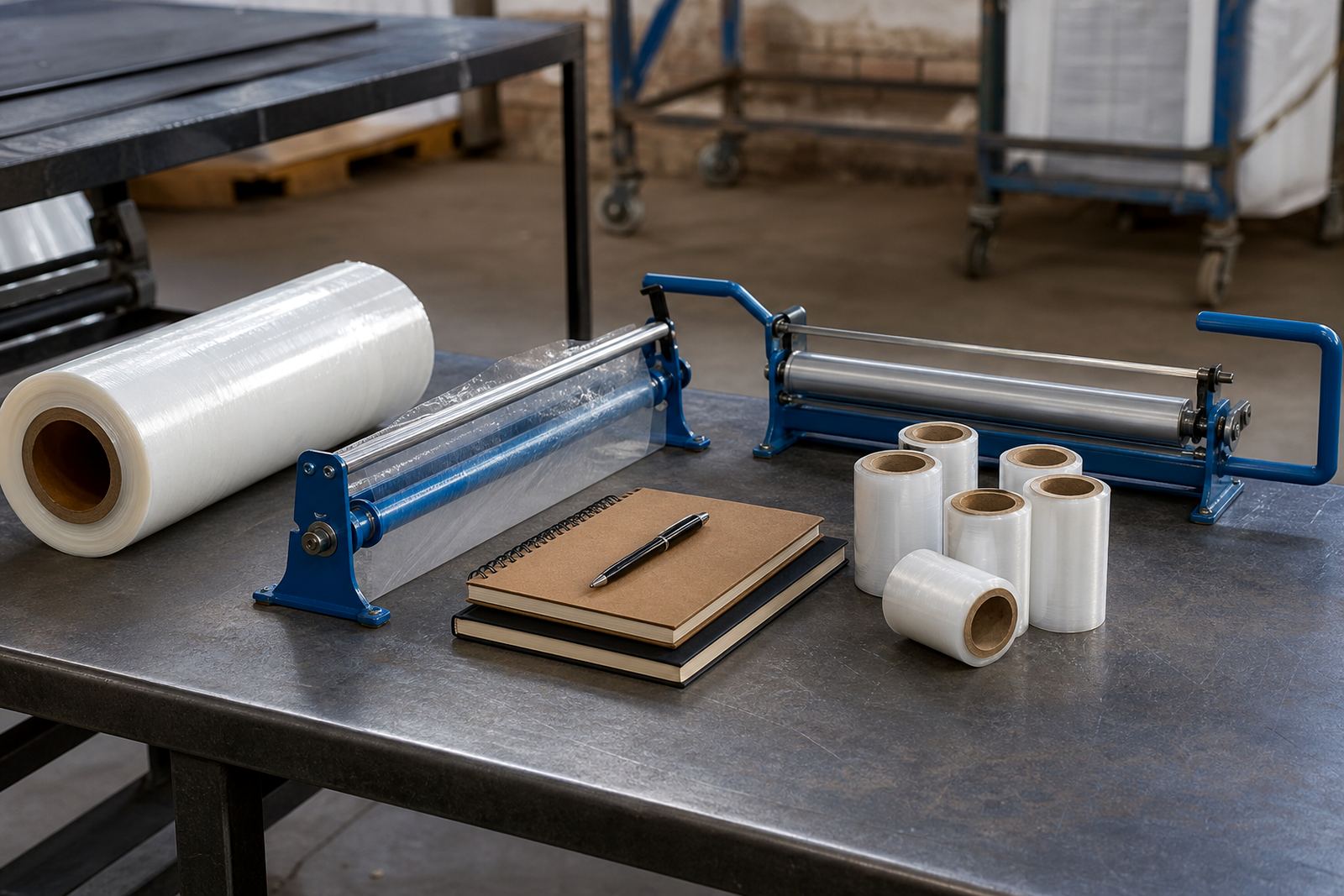
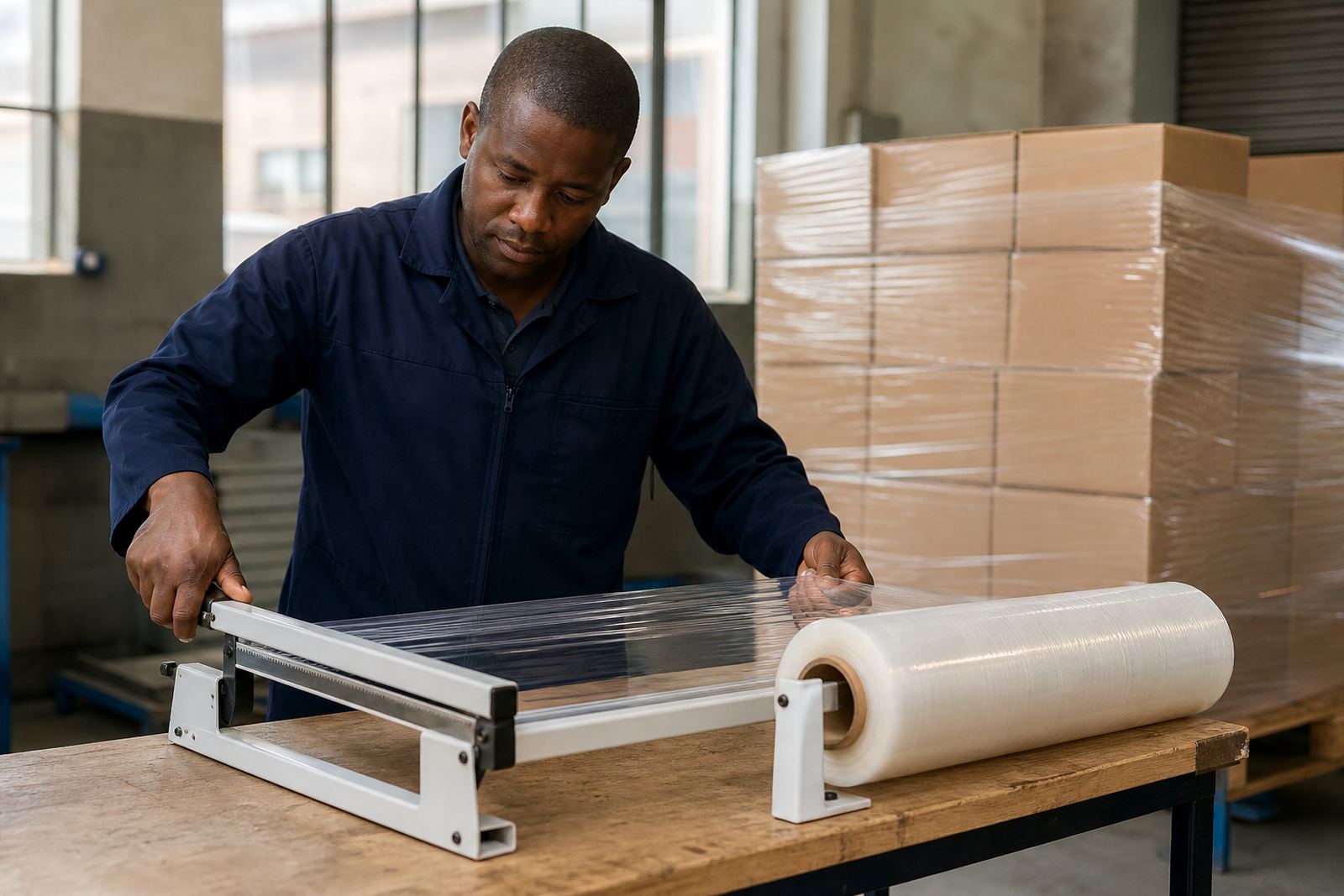
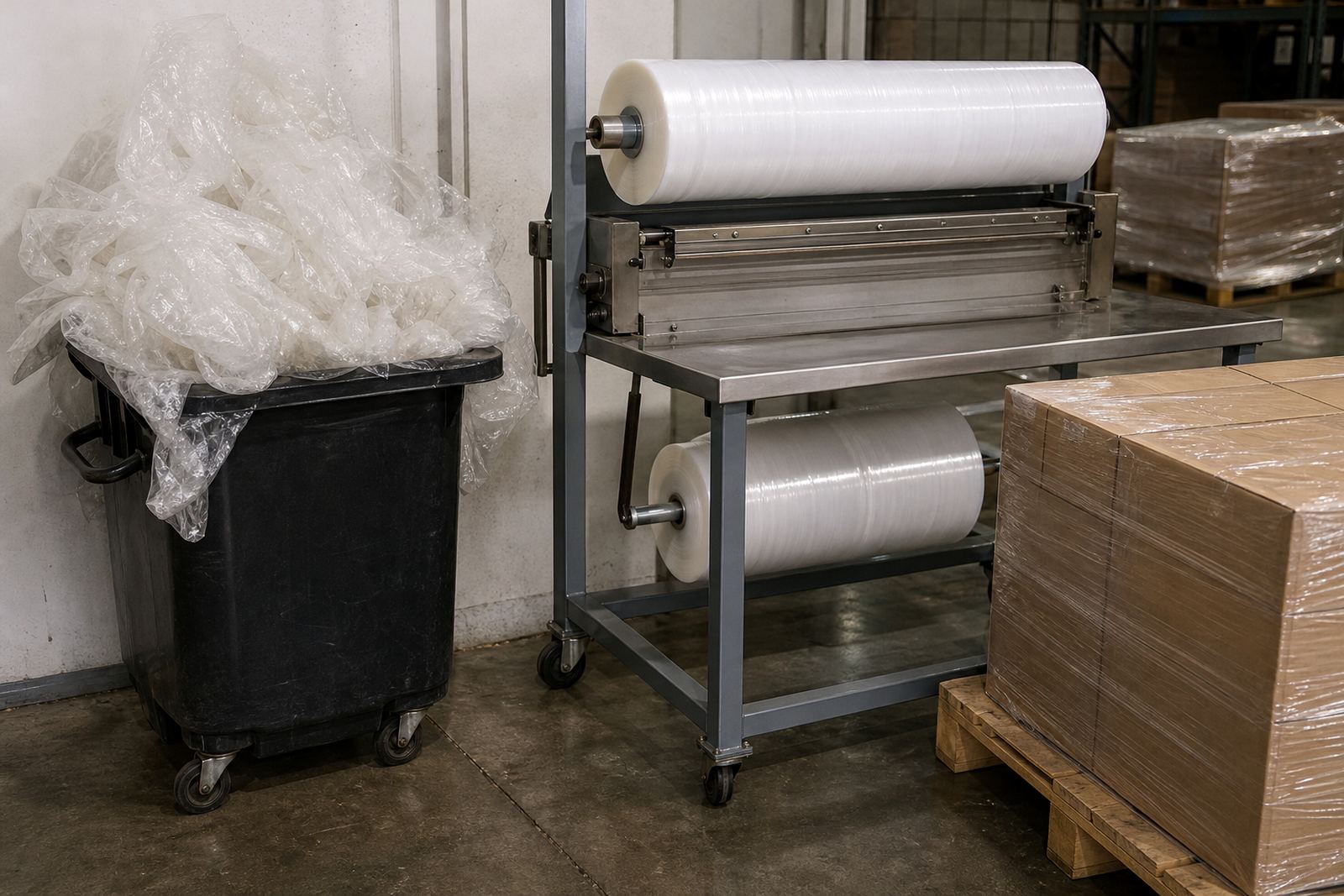
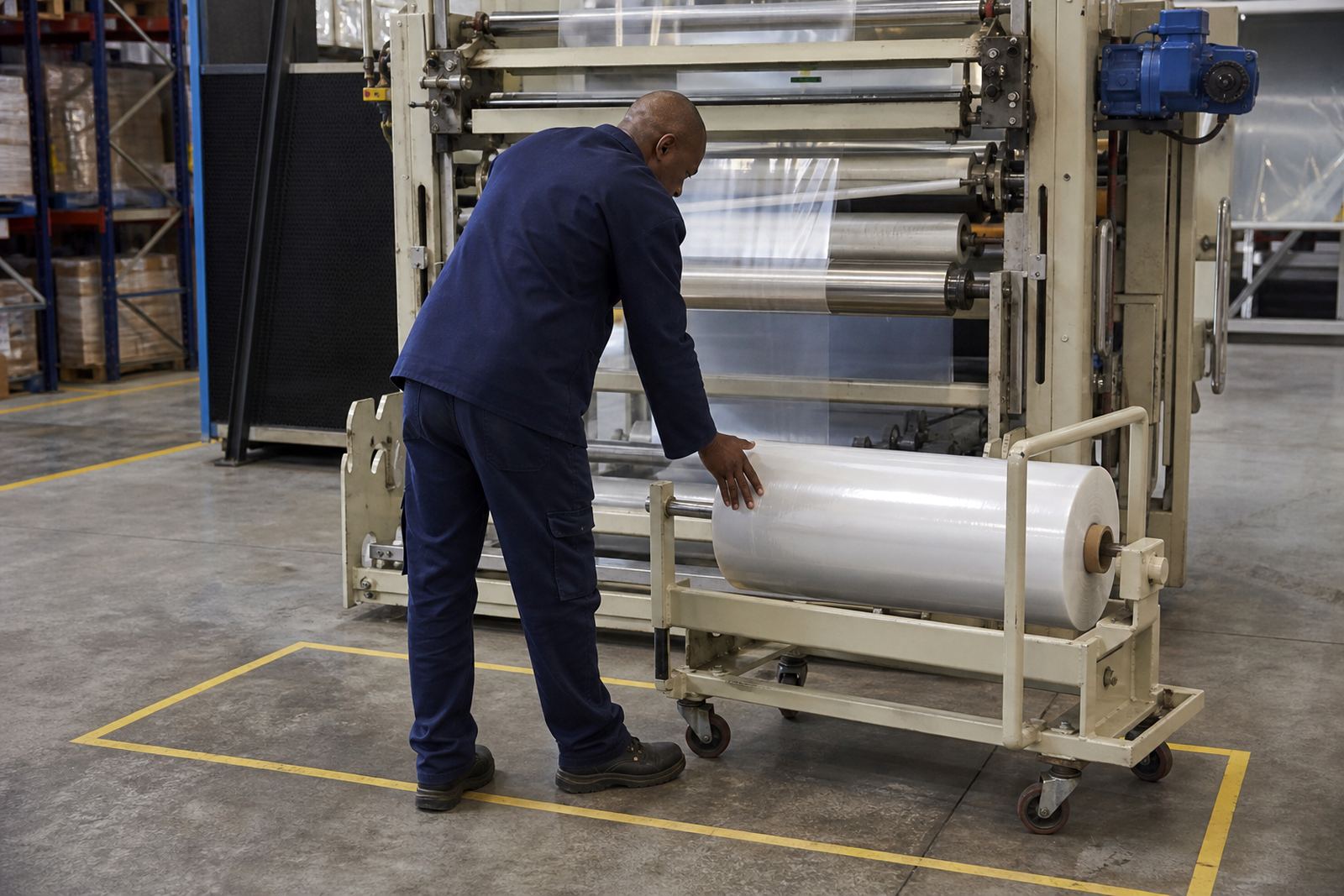
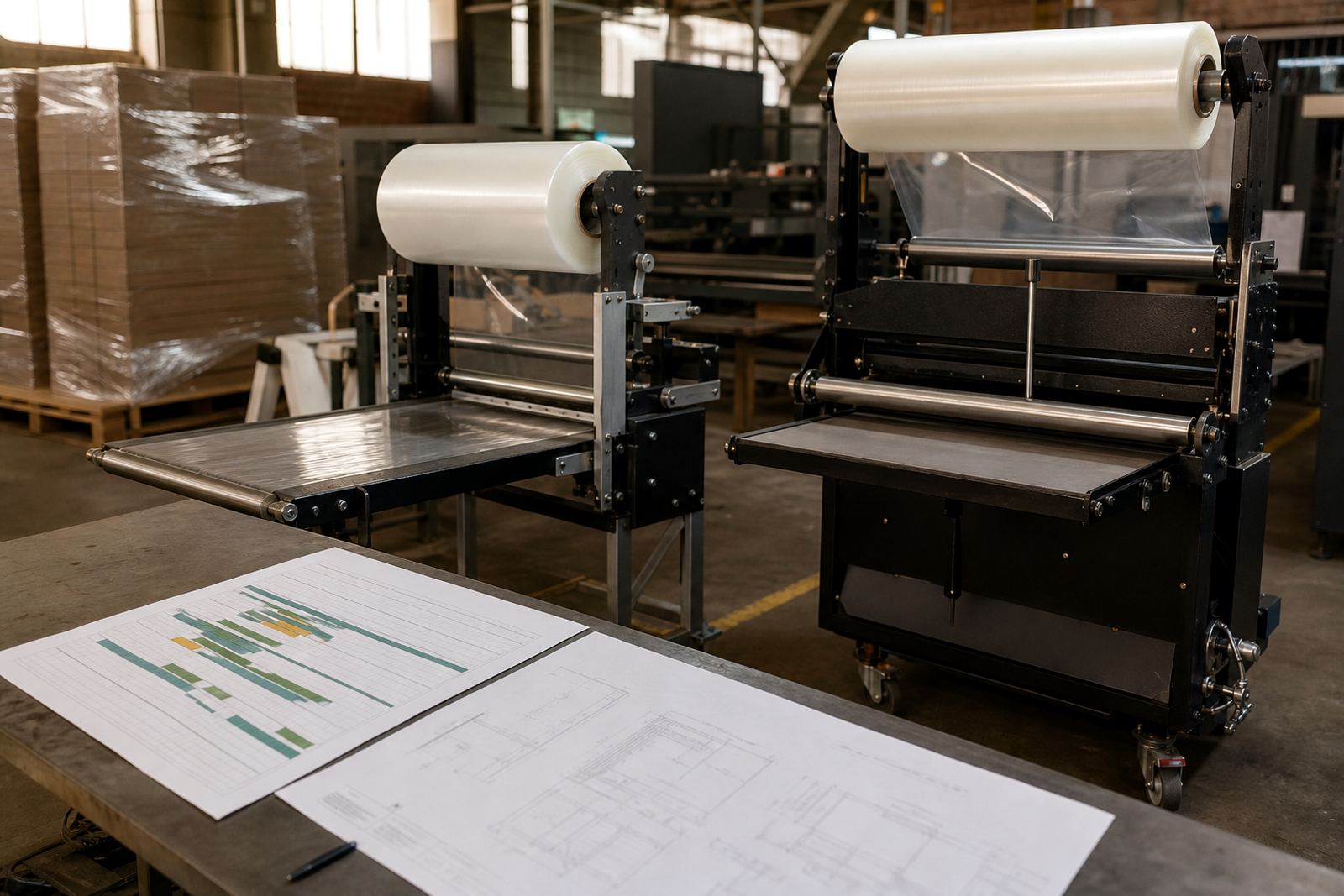
Packing line advice for real production floors
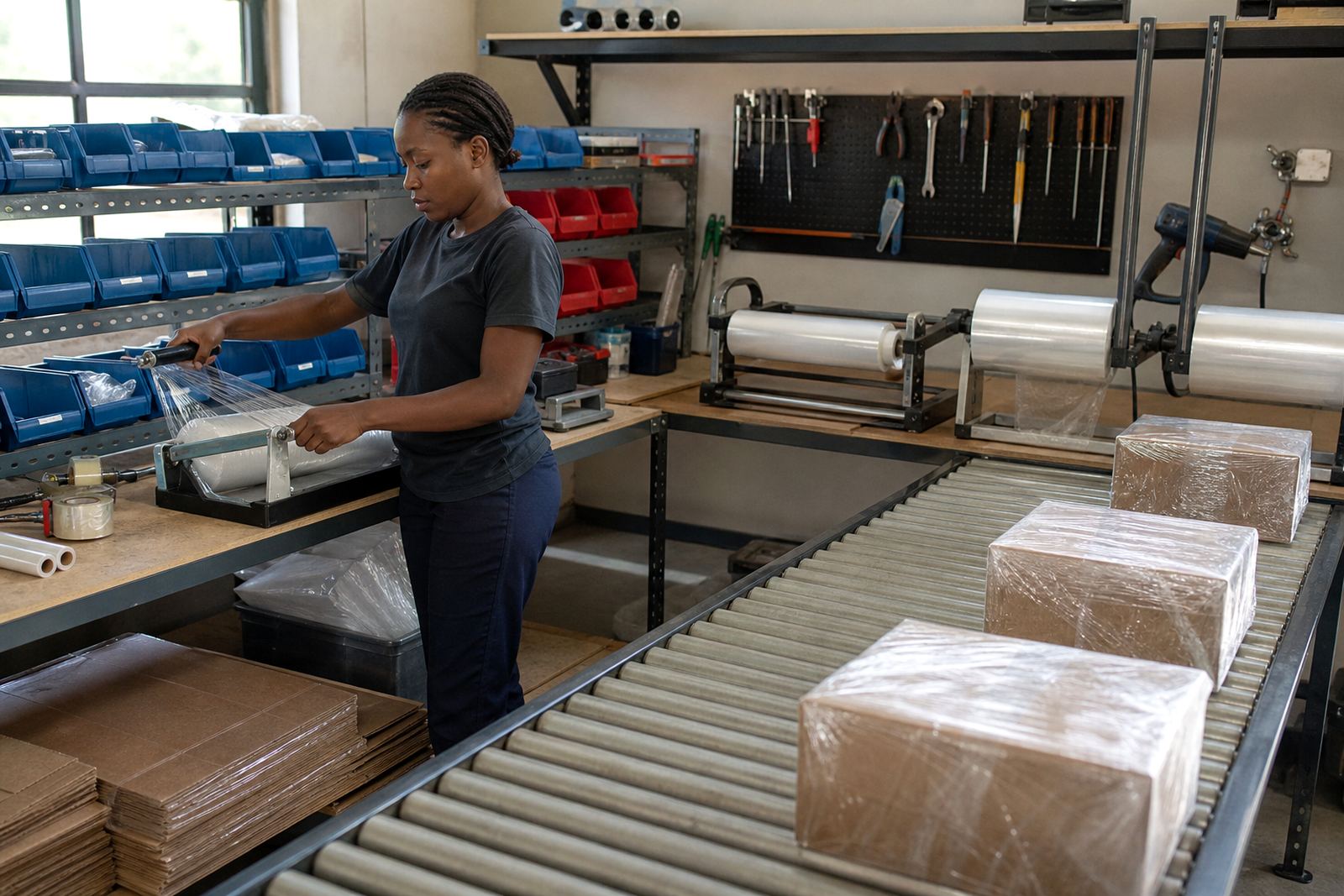
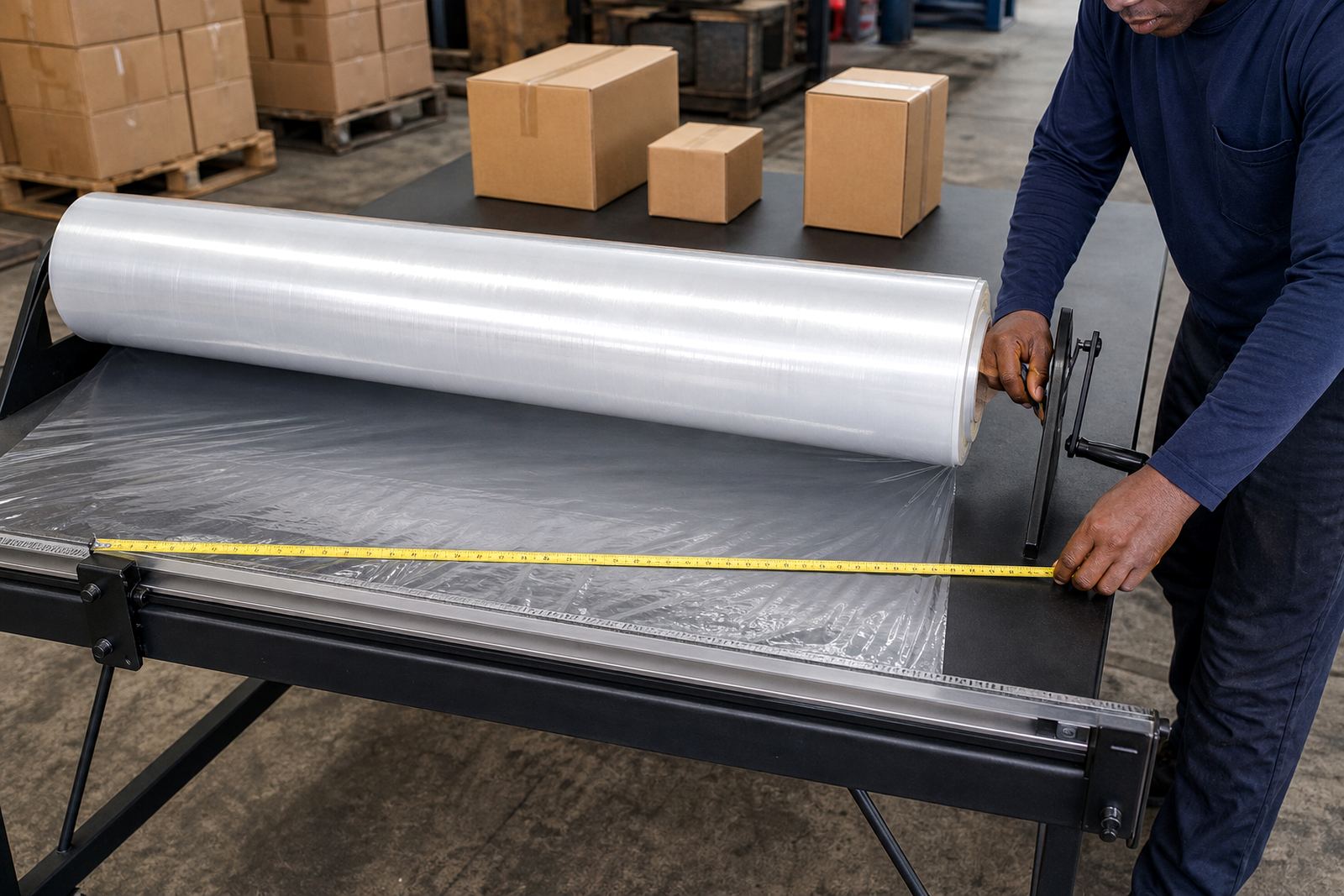
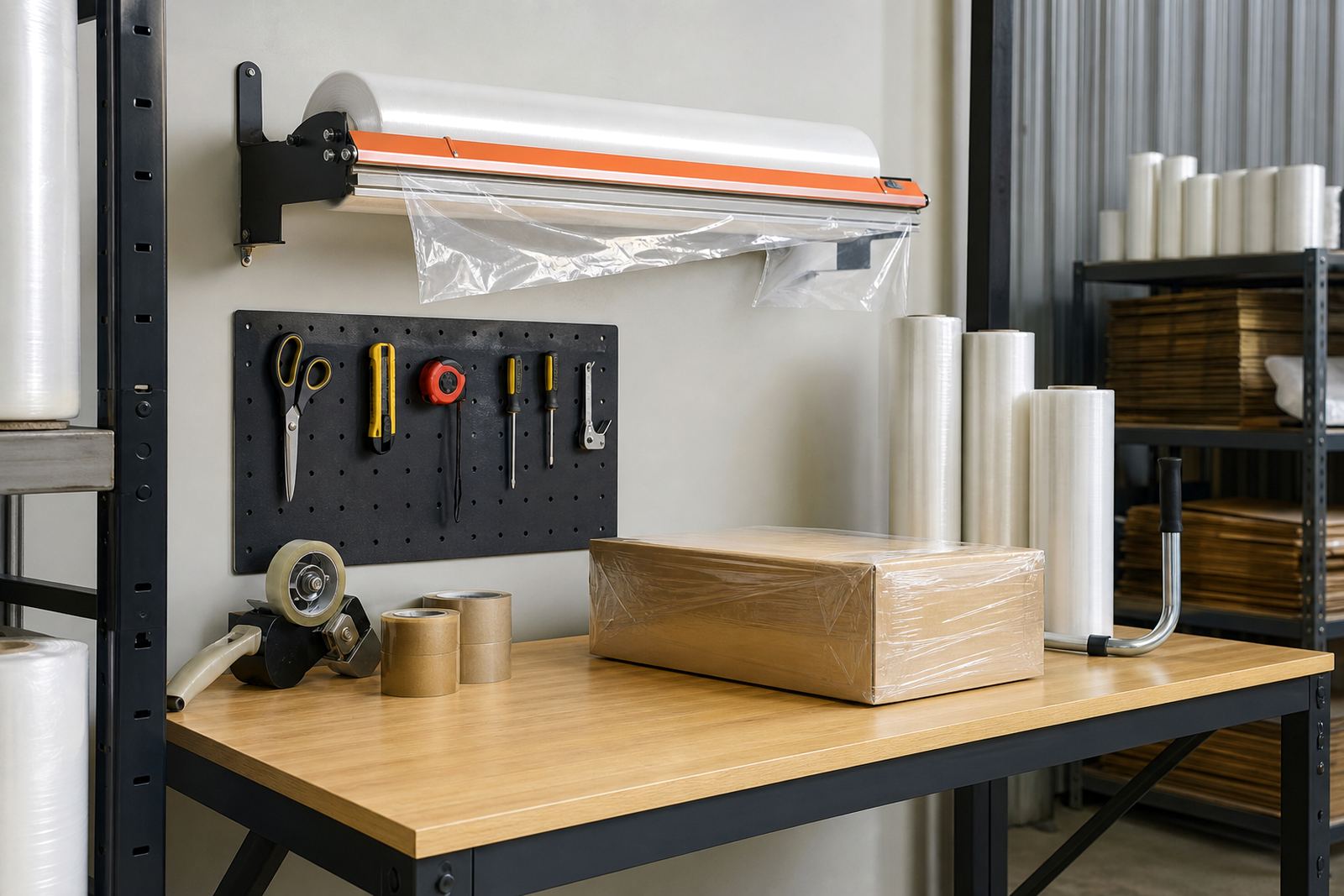
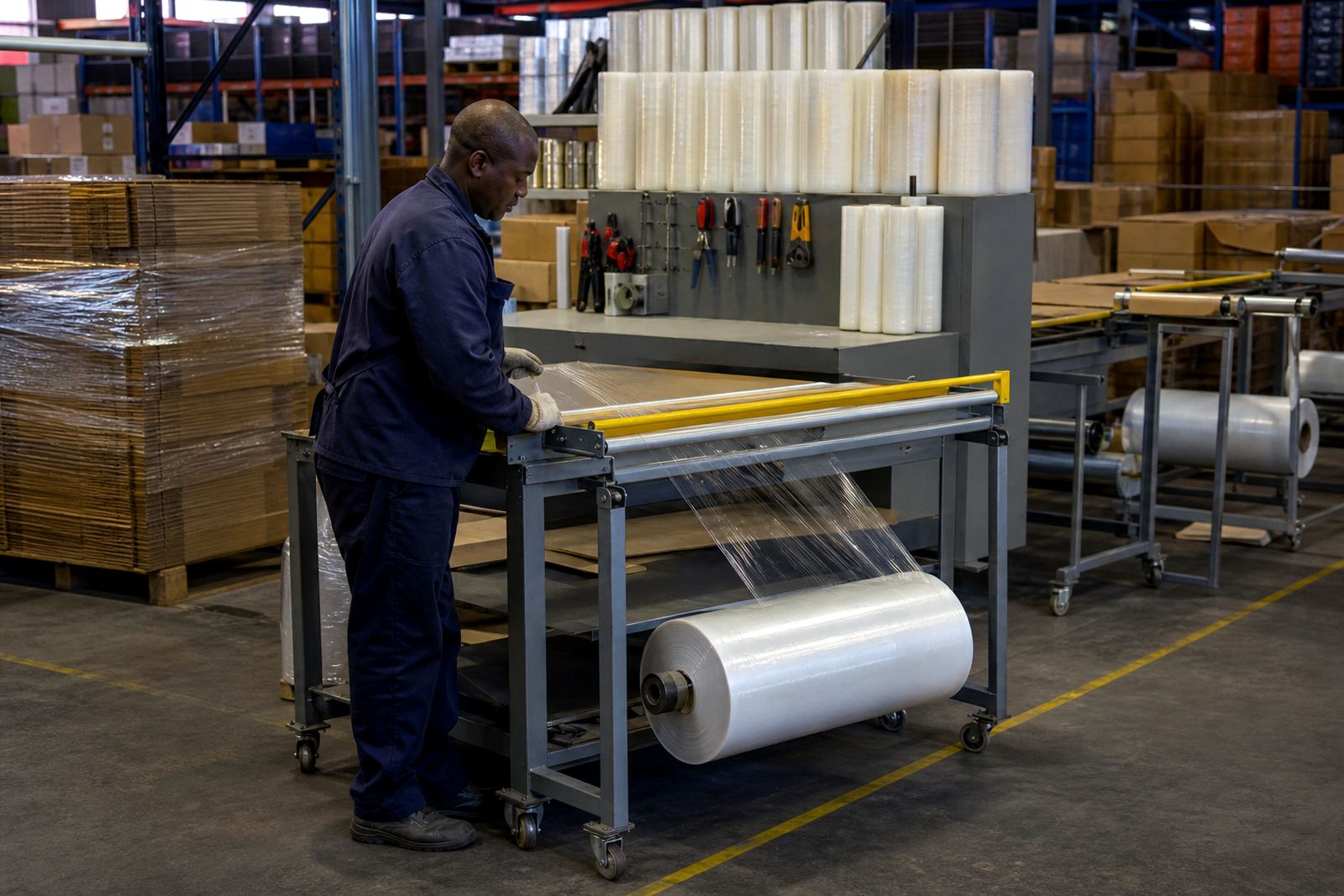
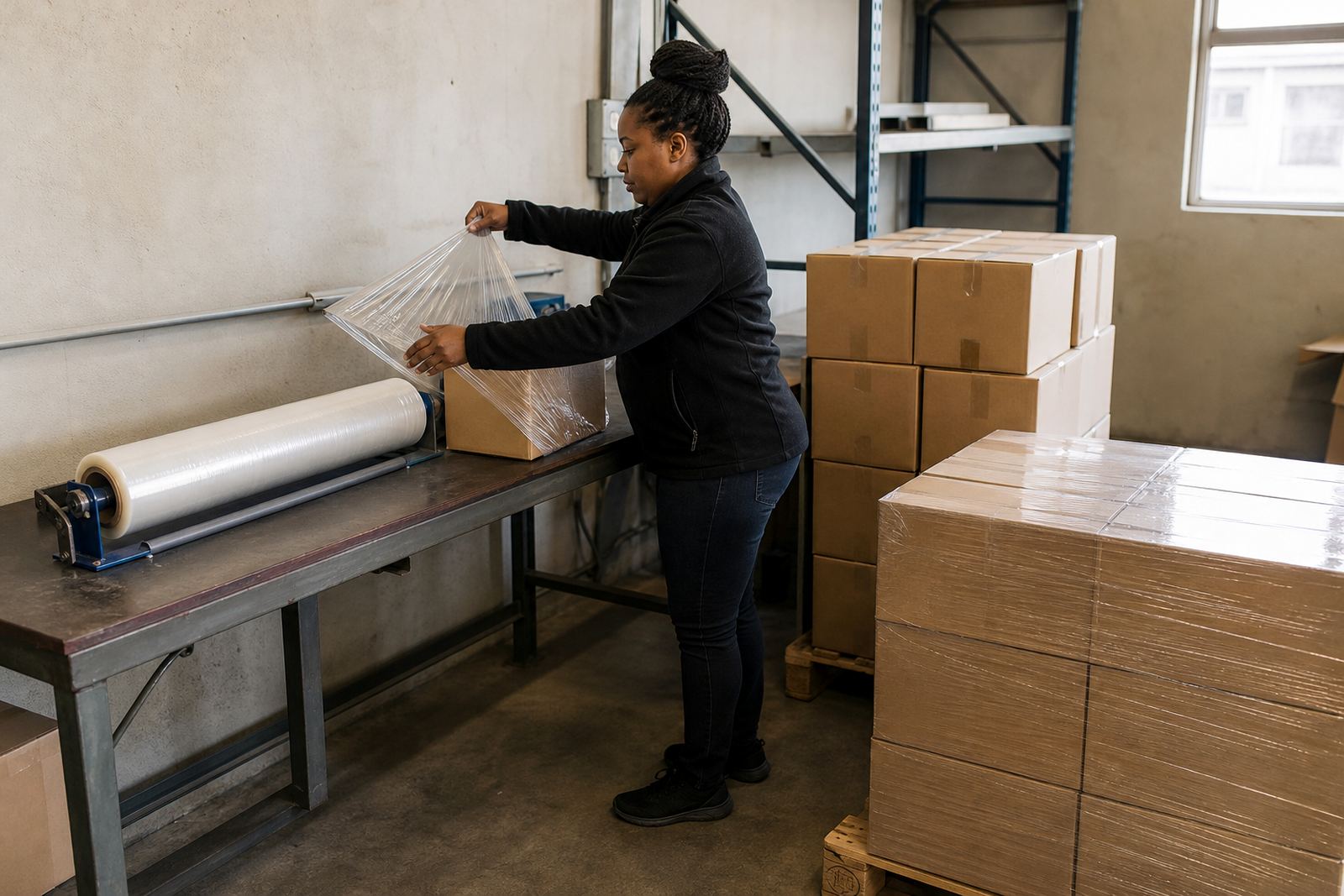
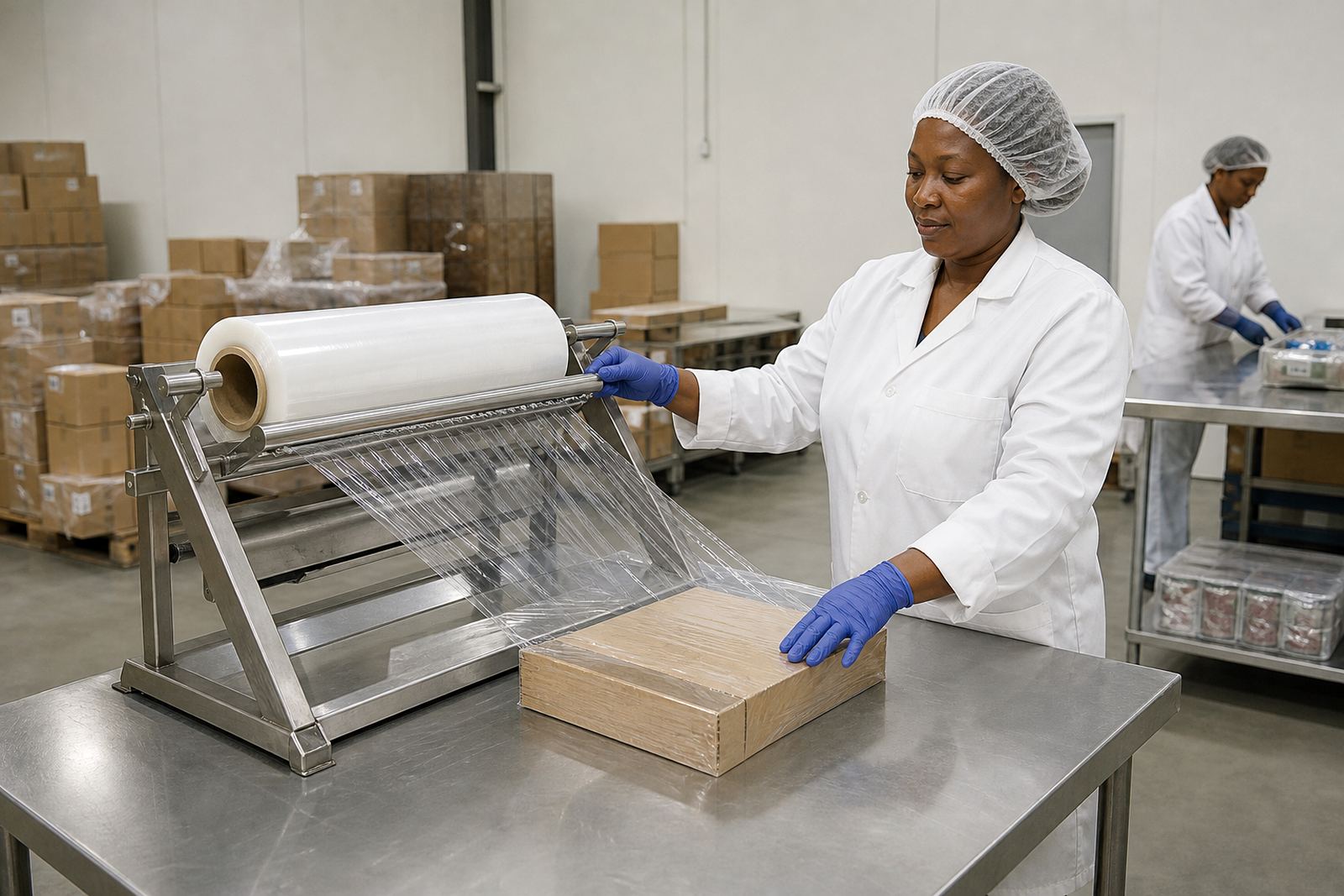
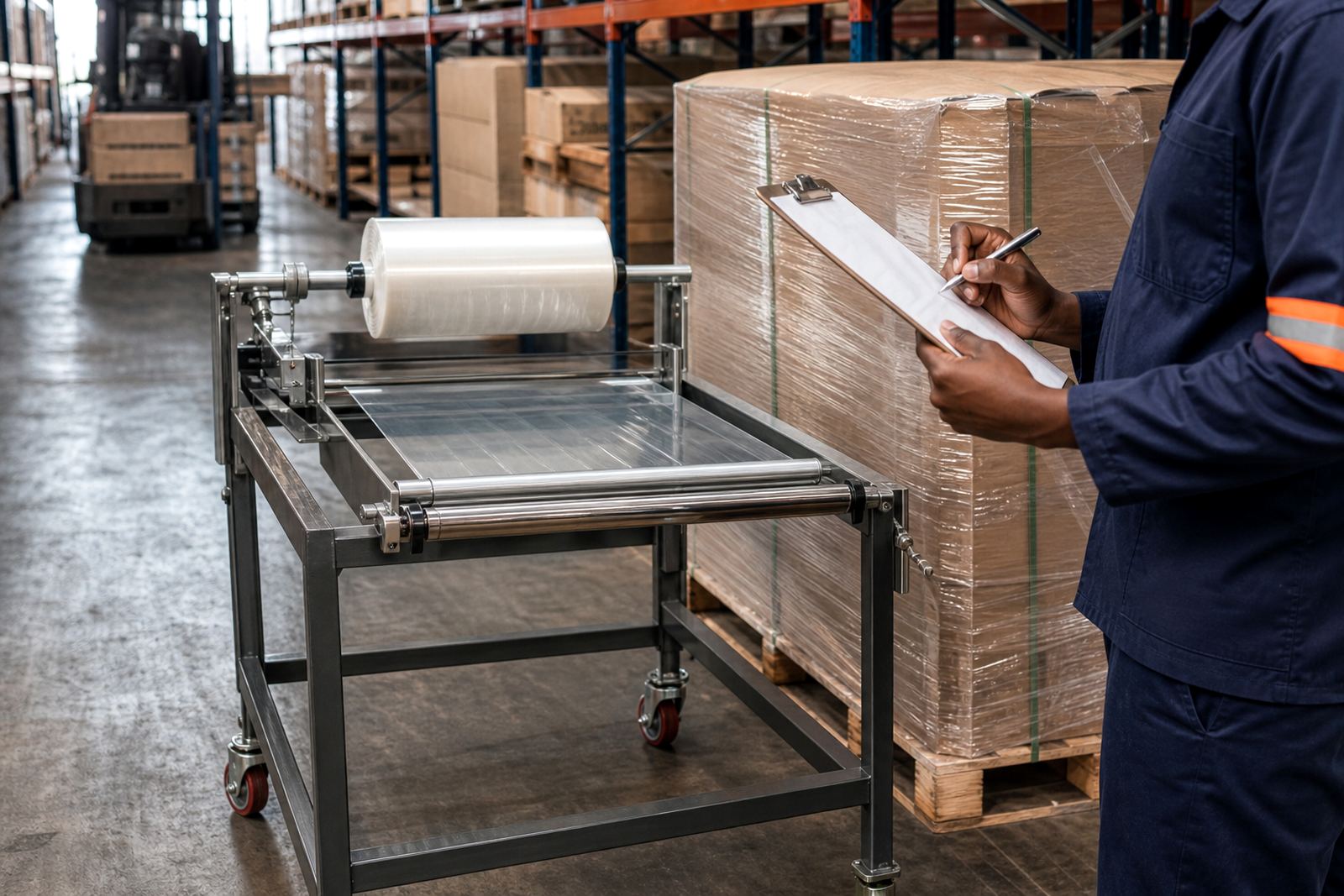
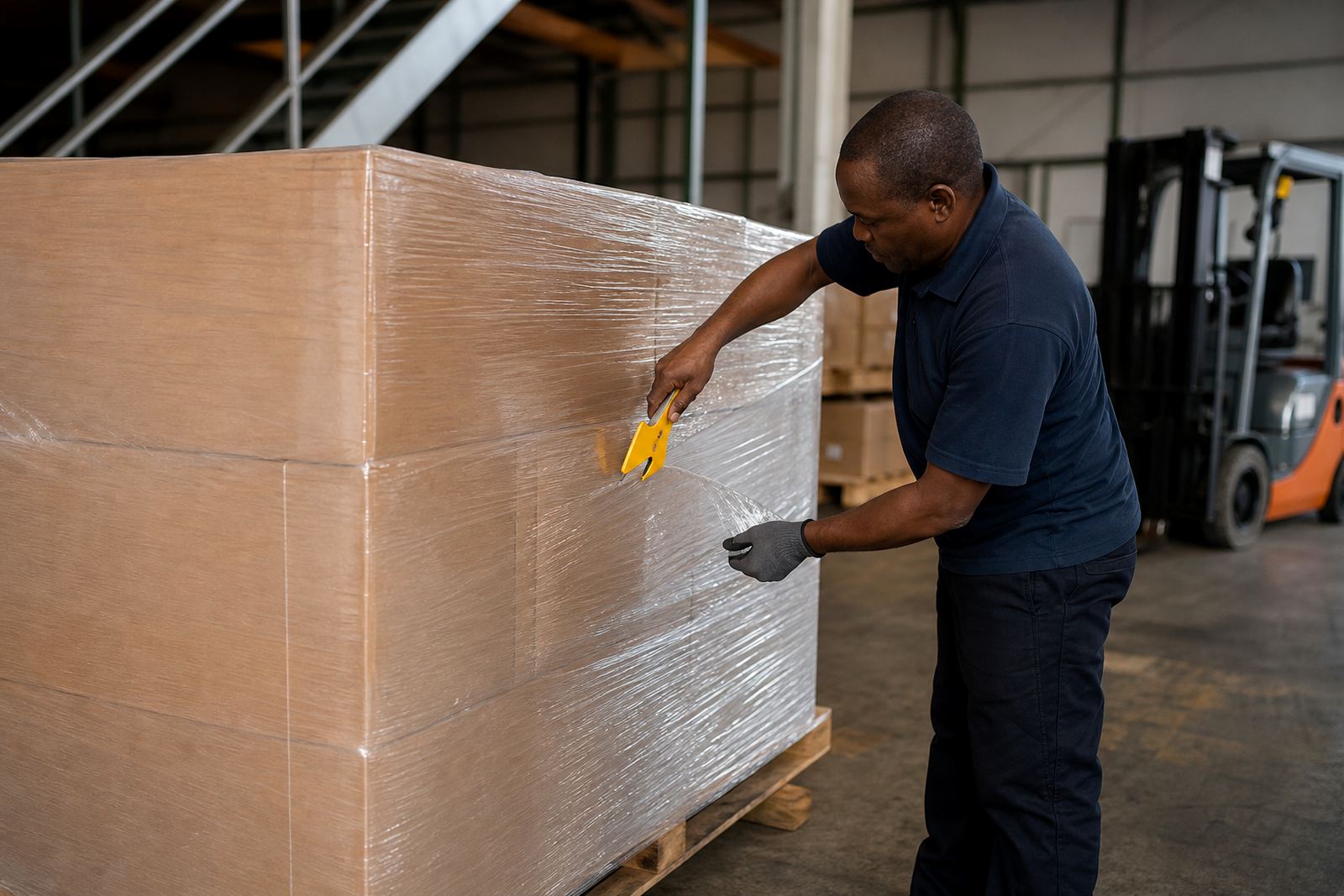
This journal is written for teams that need practical answers, not theory. Whether you run a warehouse in Germiston, a packing room in Johannesburg, or a distribution site moving stock through Durban and Cape Town, the right cutter or dispenser can save time on every roll change and reduce waste from torn film or uneven cuts.
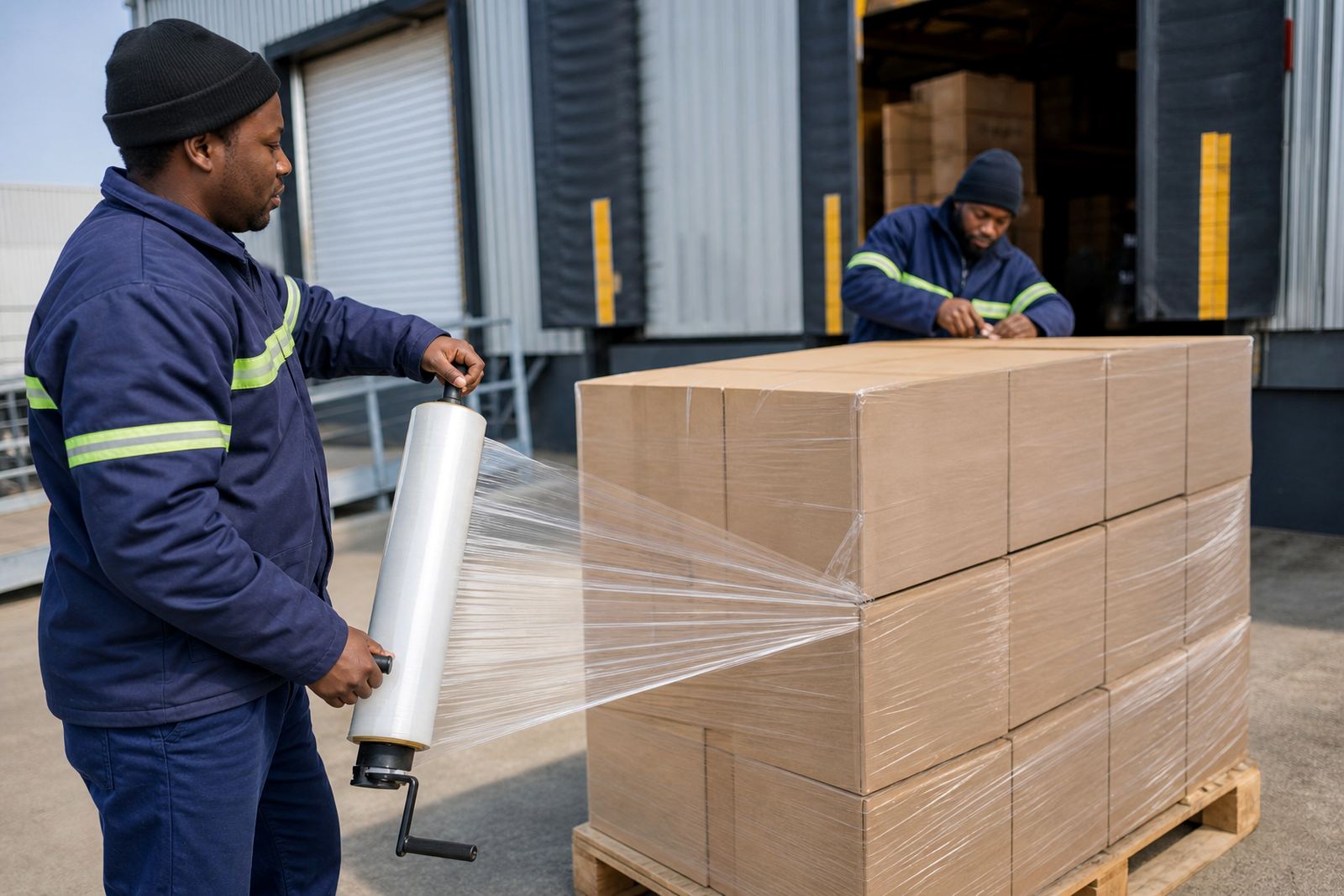
We cover daily decisions that matter on the floor, from how staff handle film during busy shifts to how supervisors keep output steady when power interruptions, loading delays or high humidity start affecting the line. The goal is simple: better control, fewer stoppages, and cleaner pack finishing.
How to choose the right article for your operation
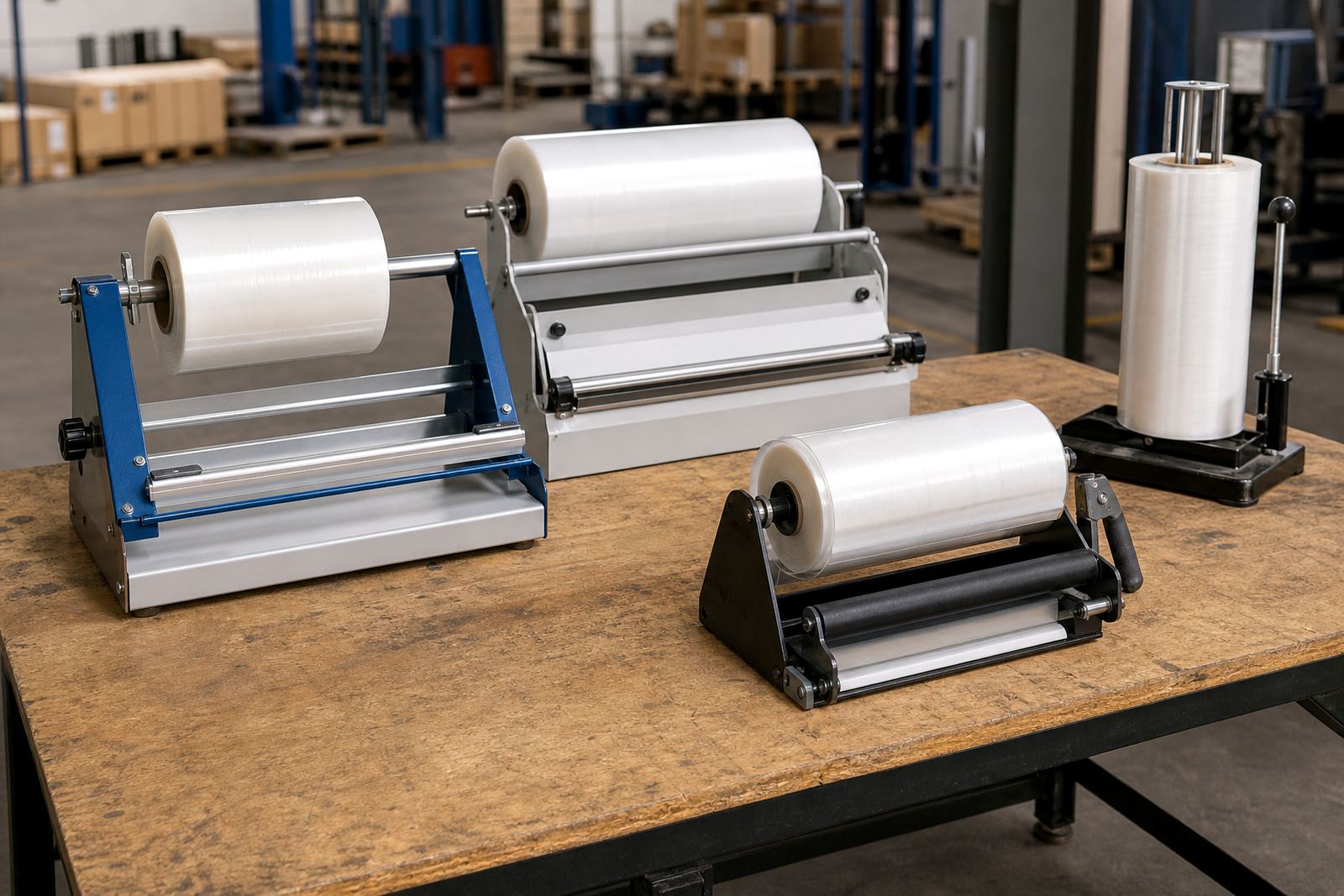
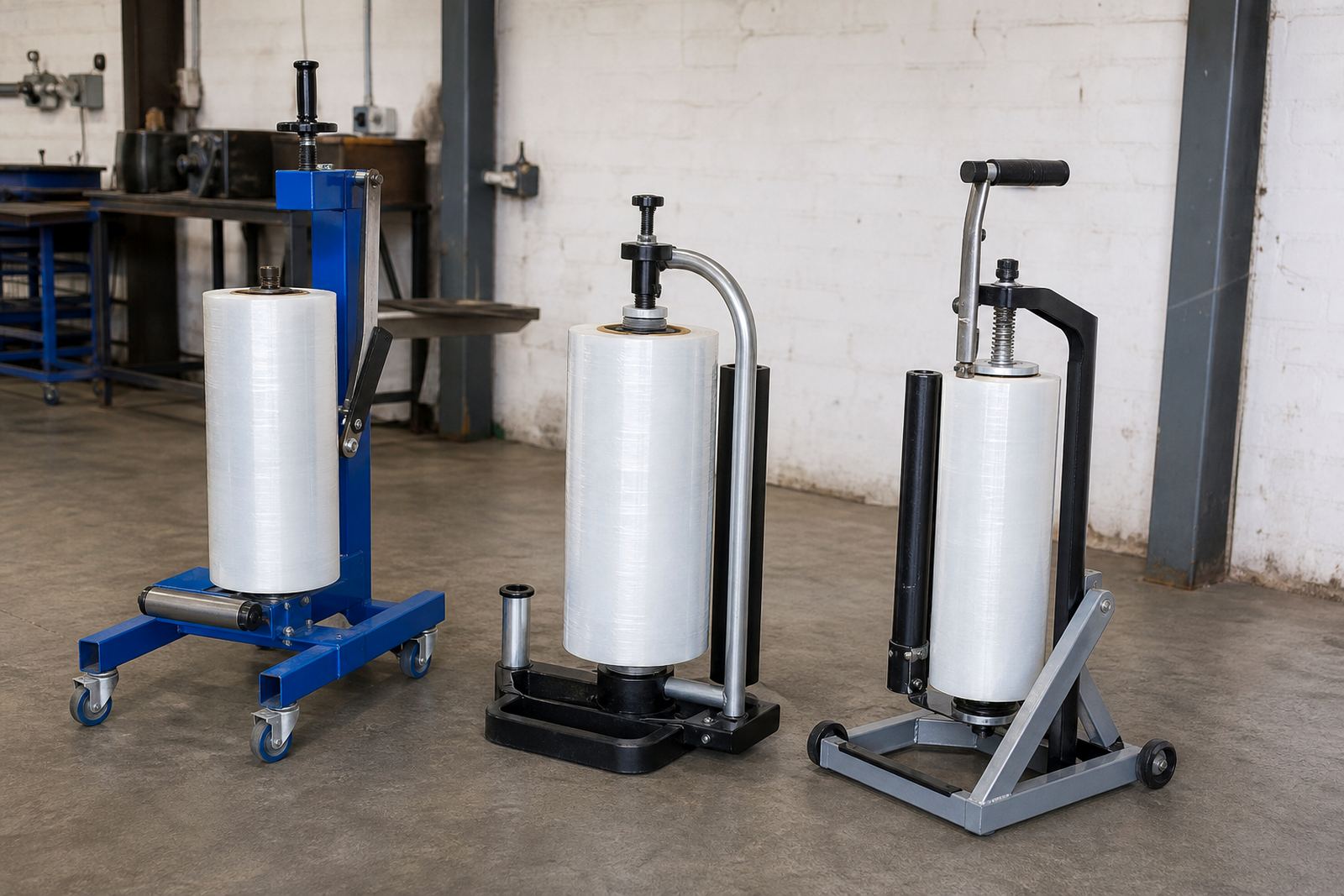
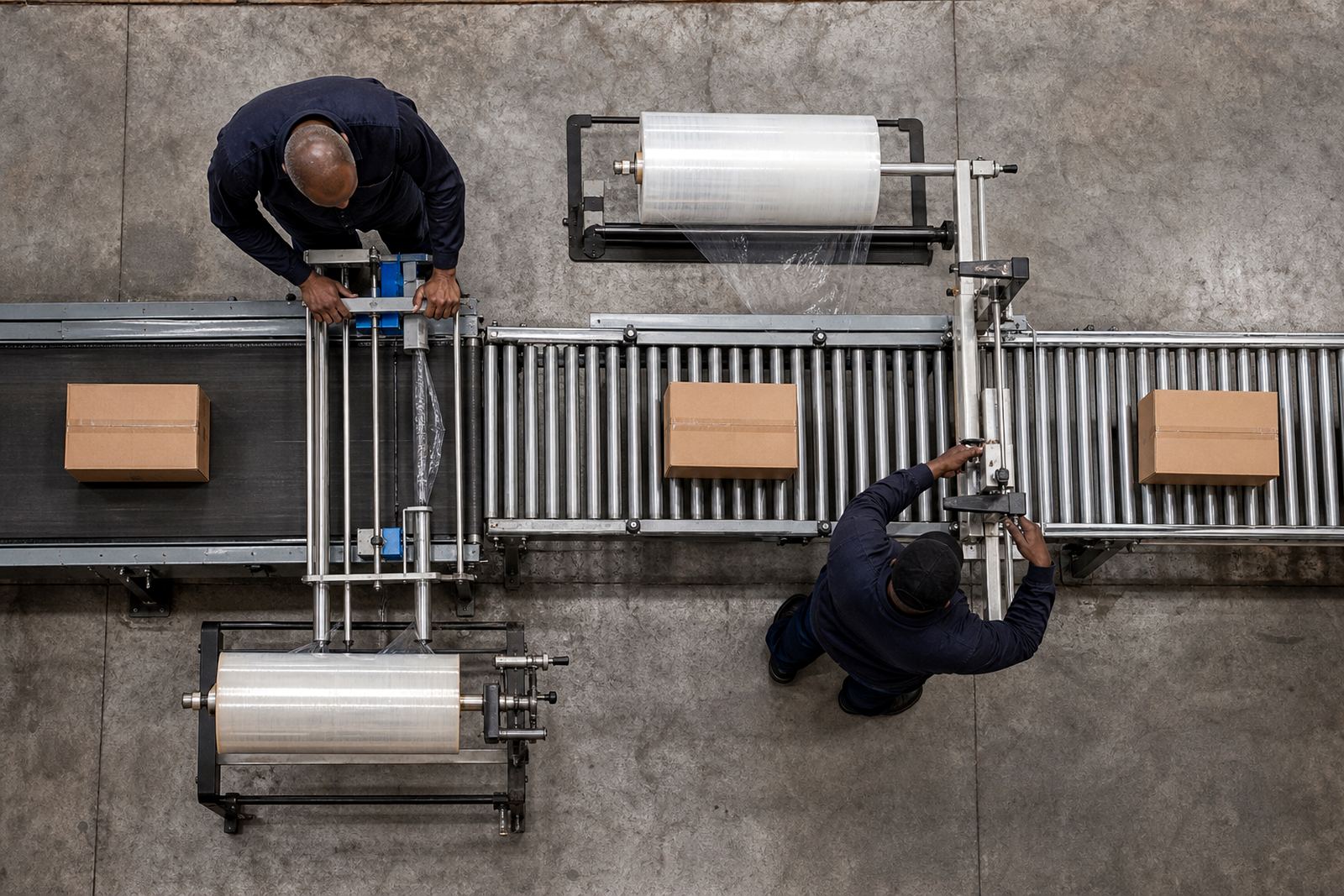
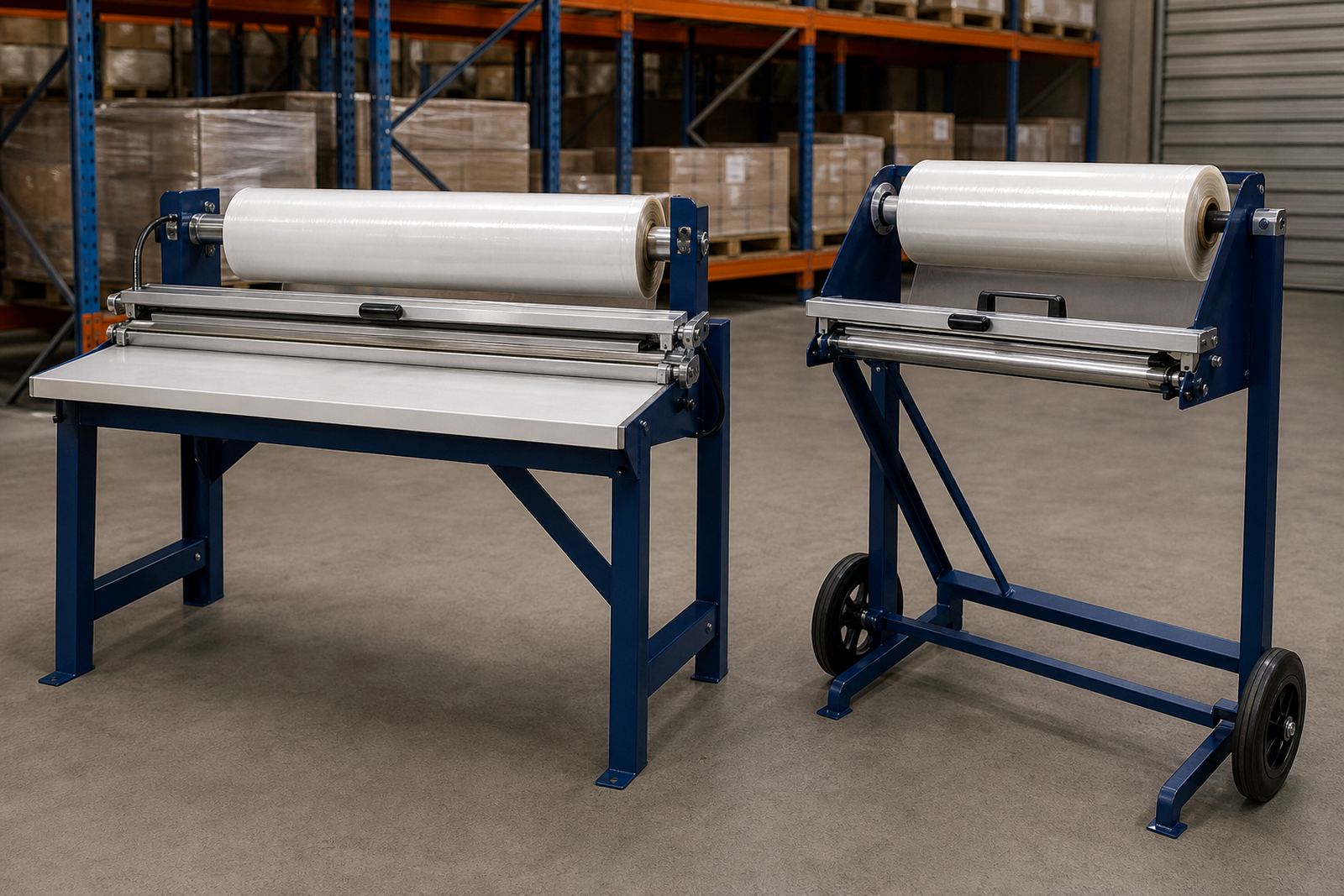
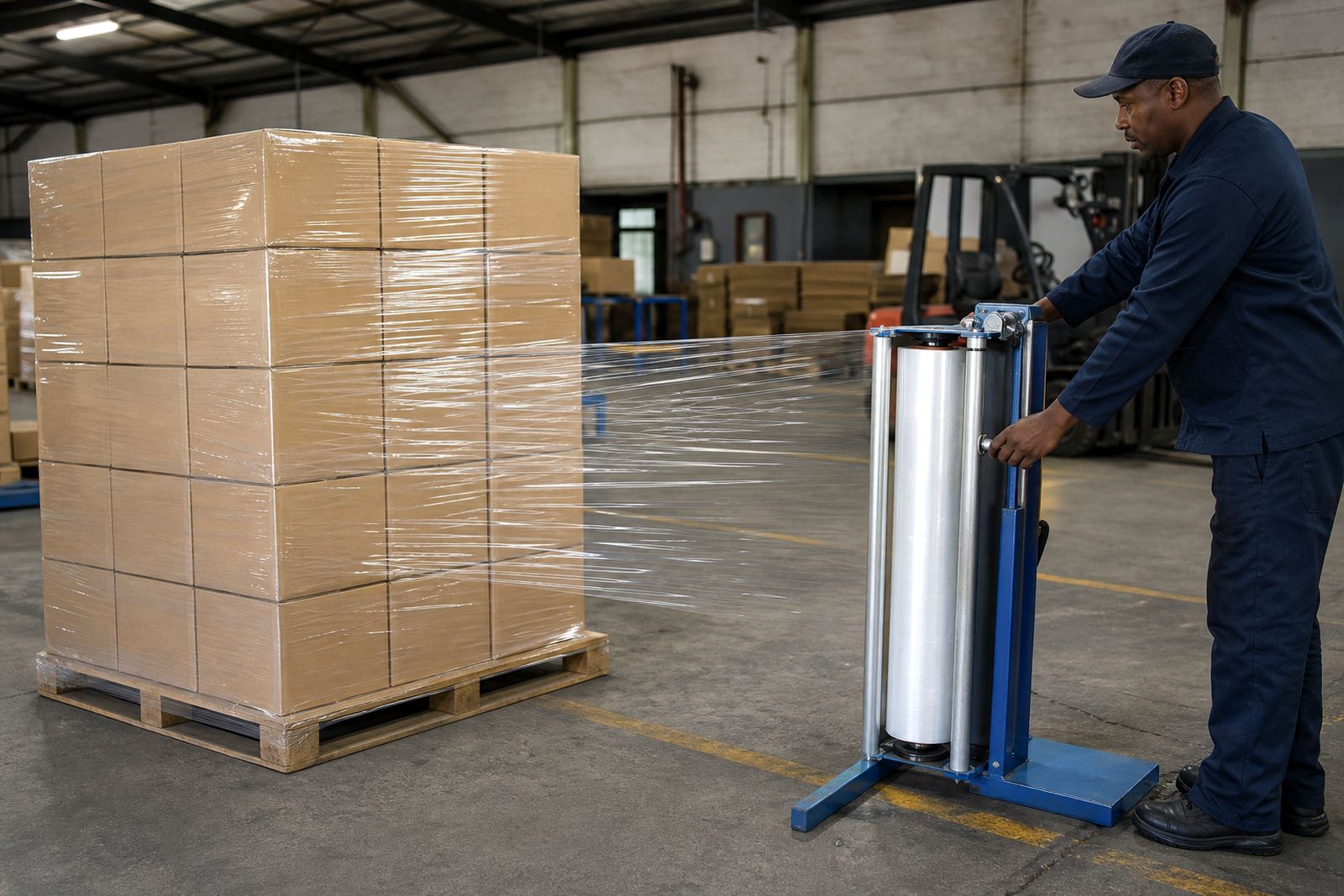
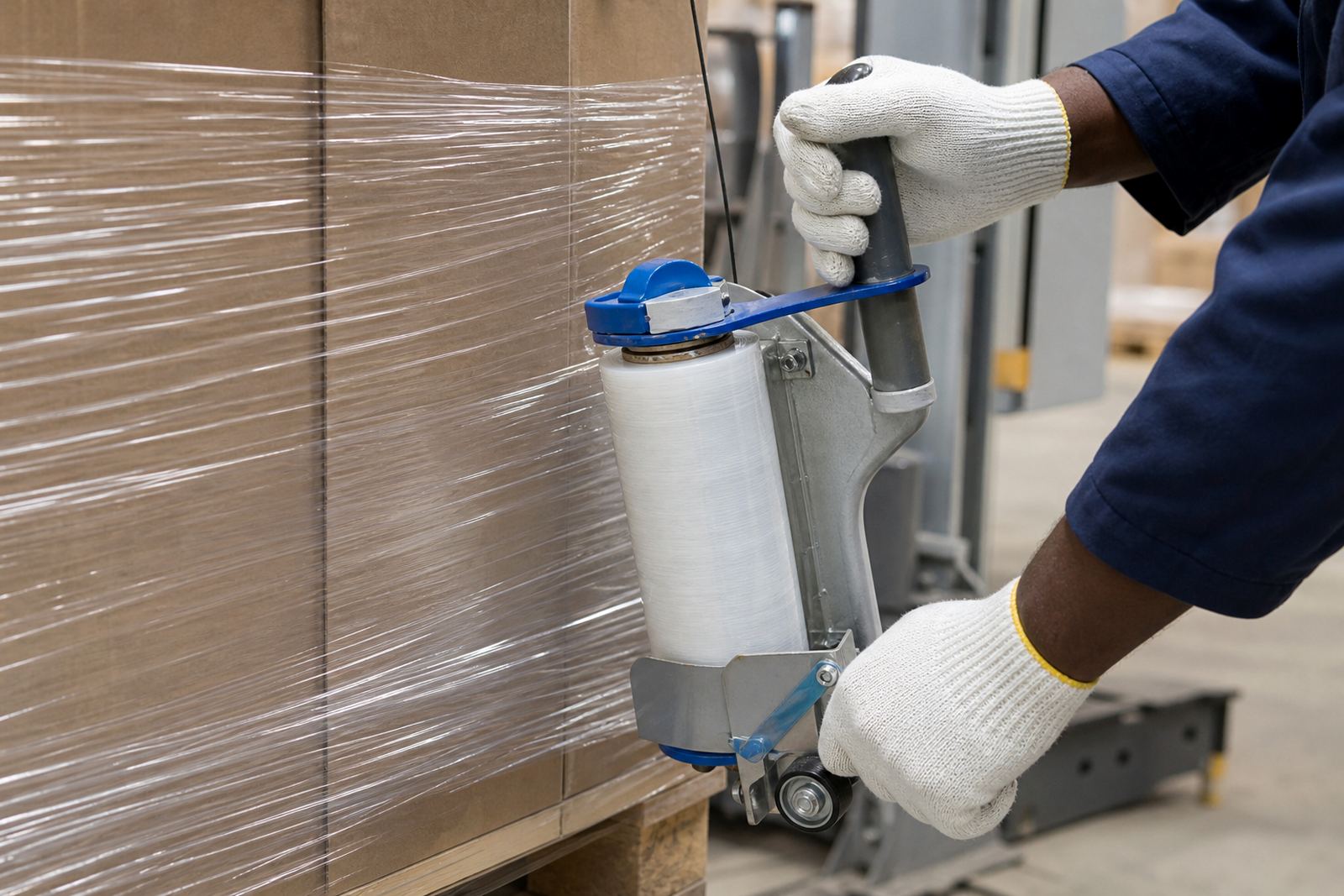
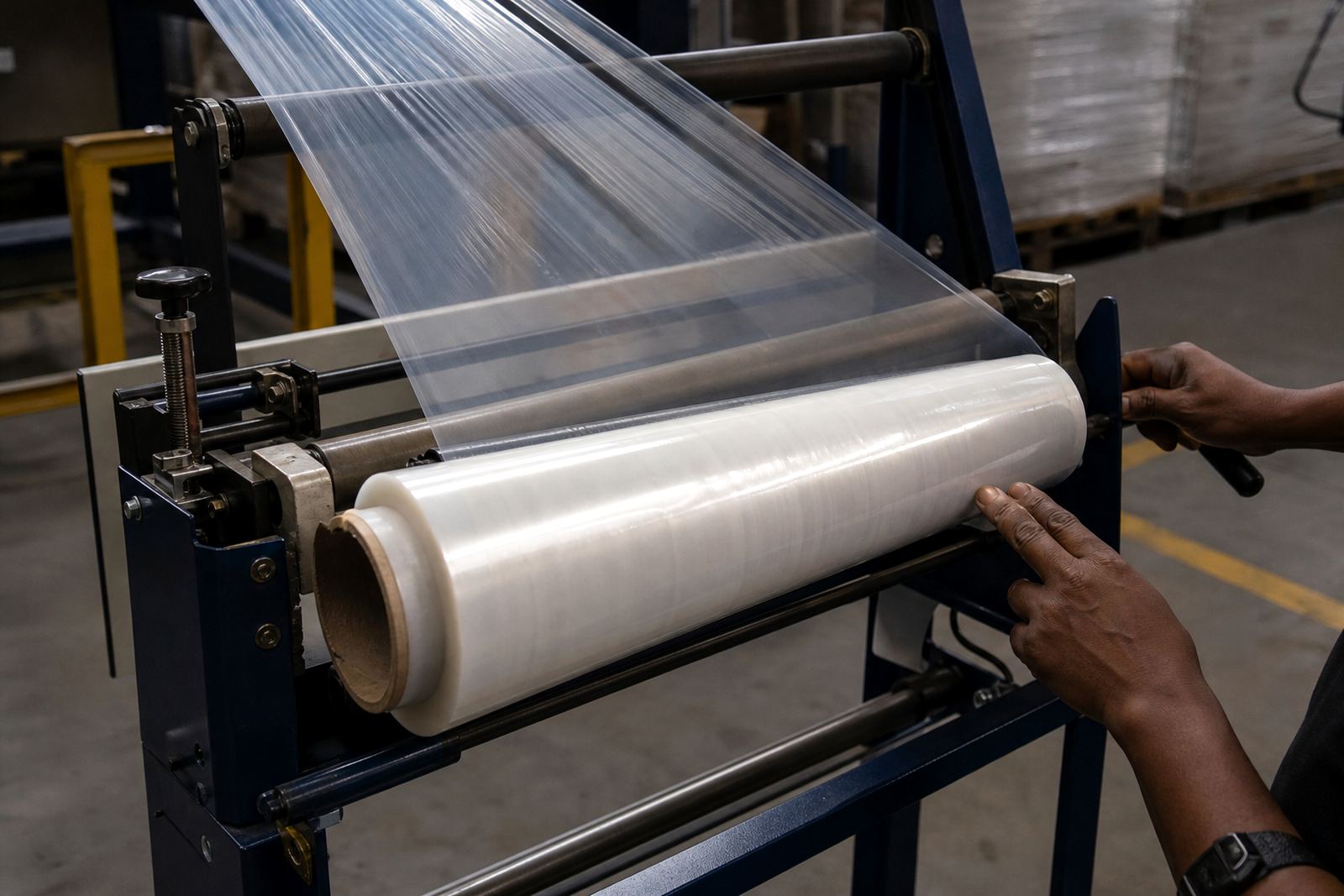
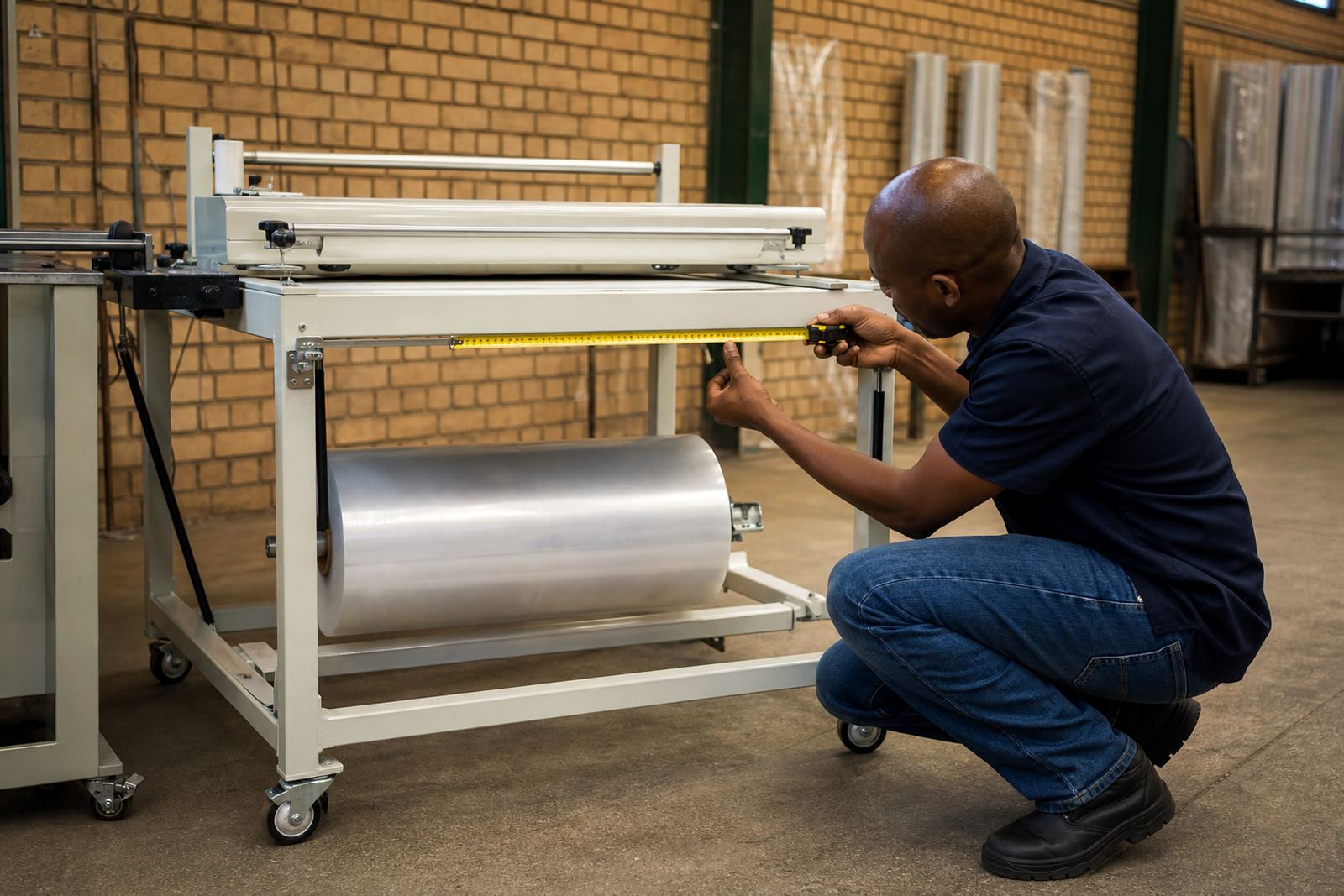
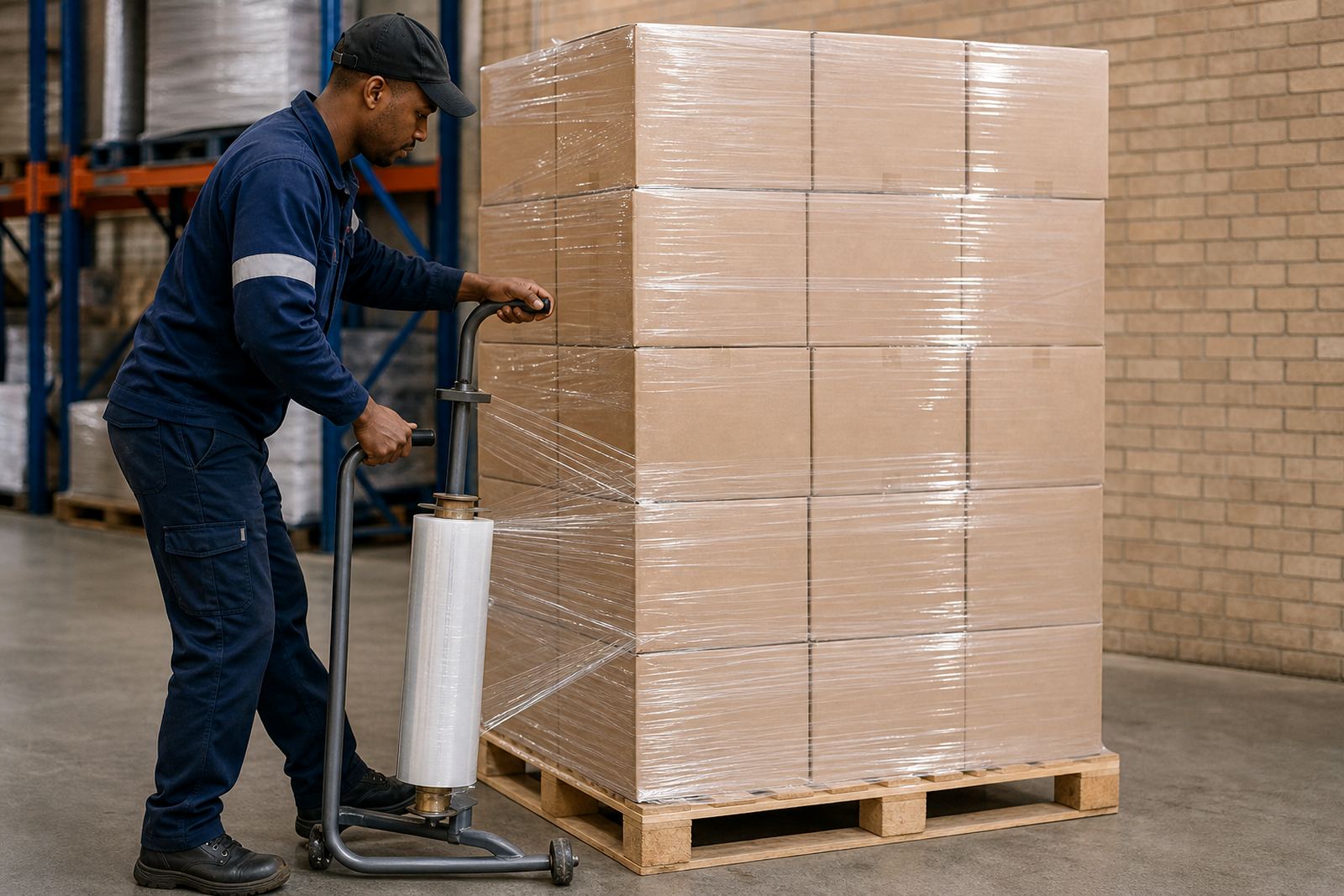
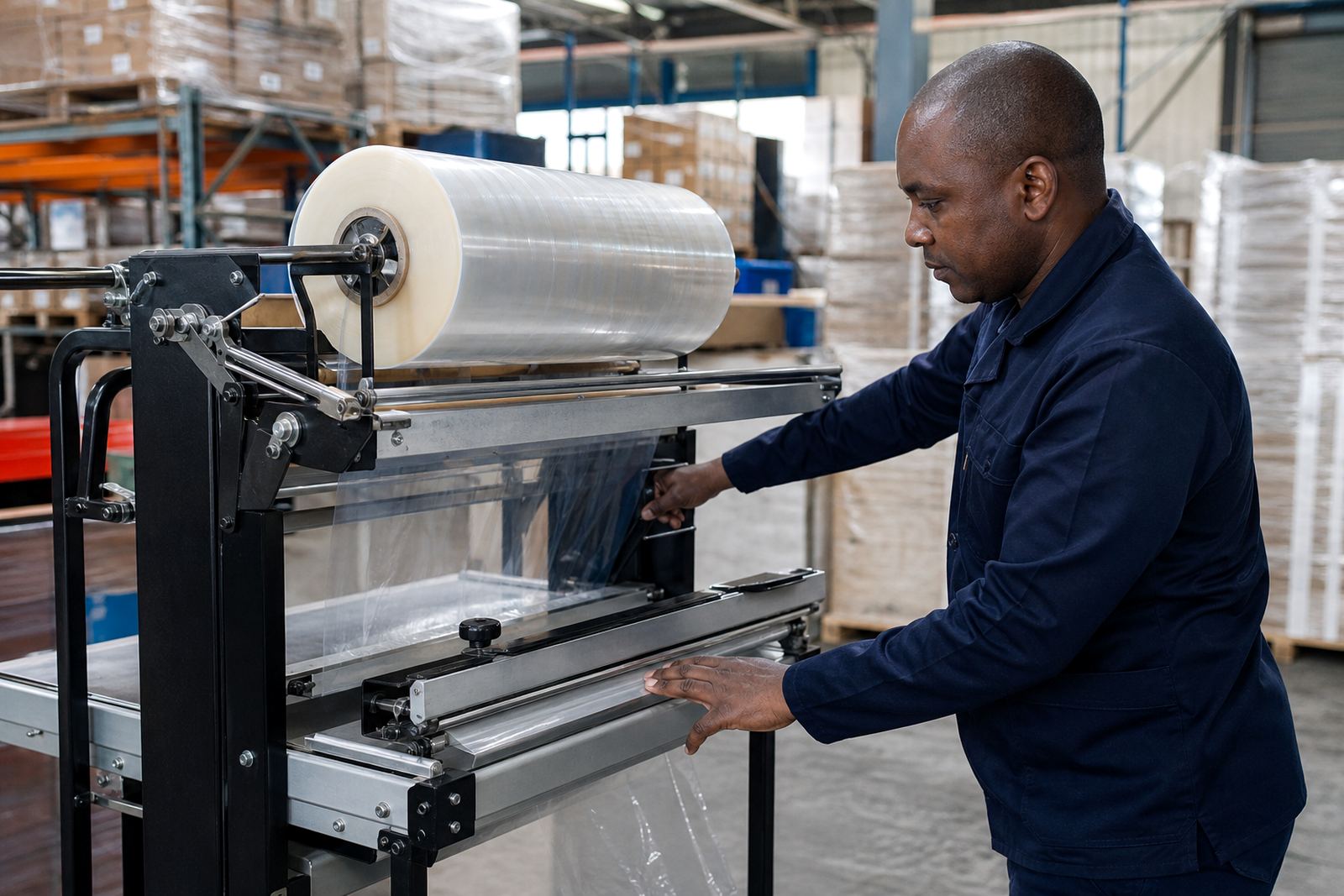
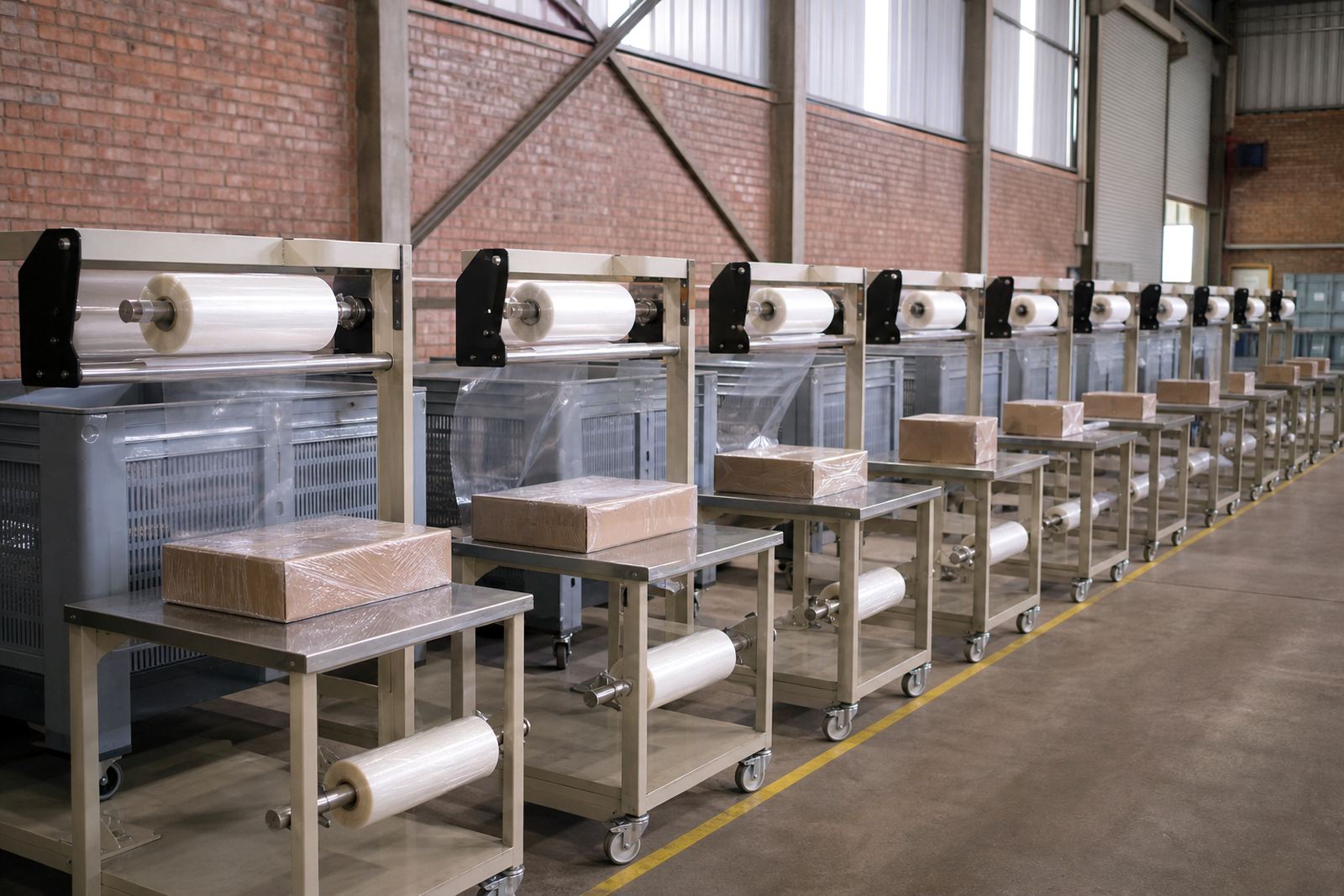
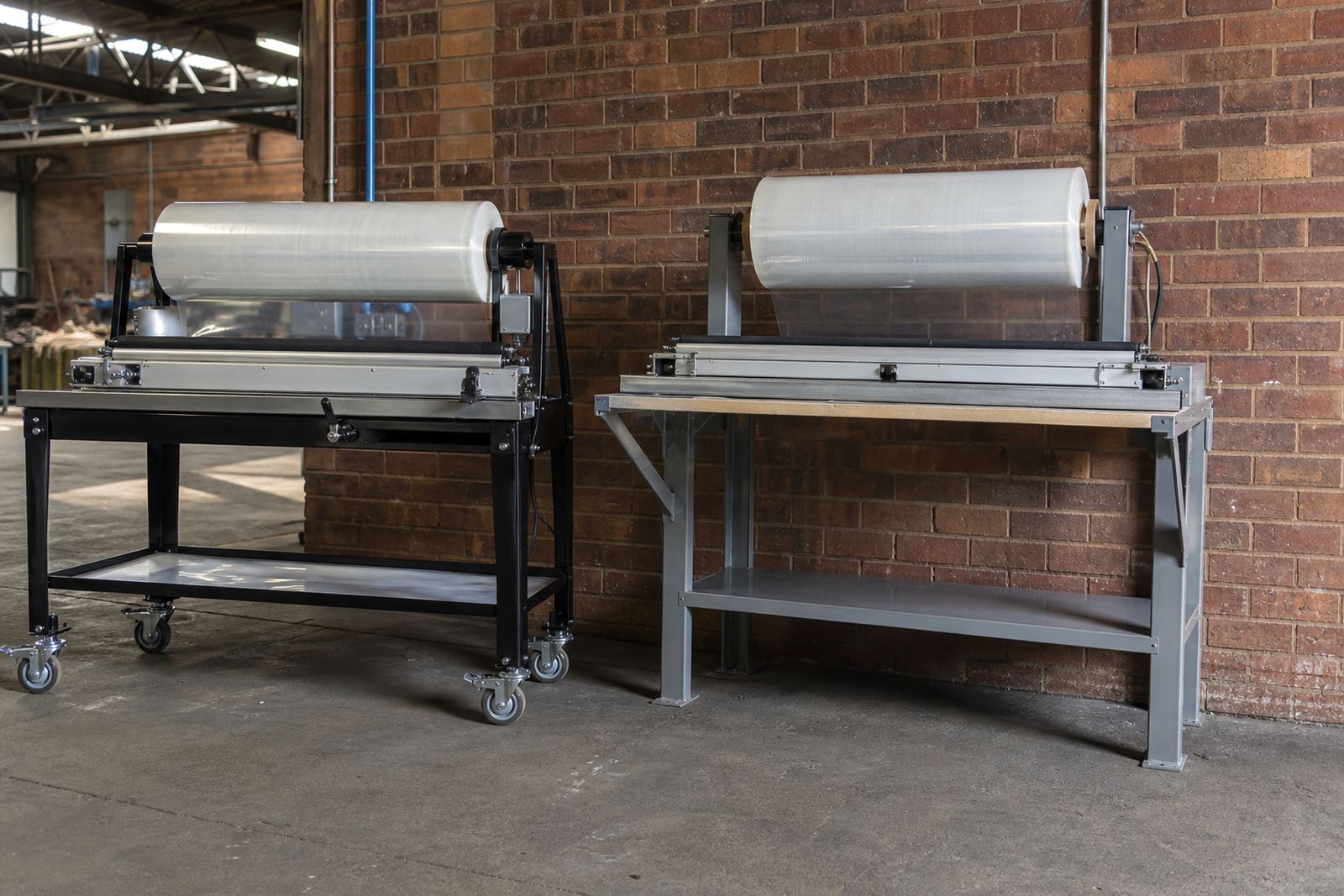
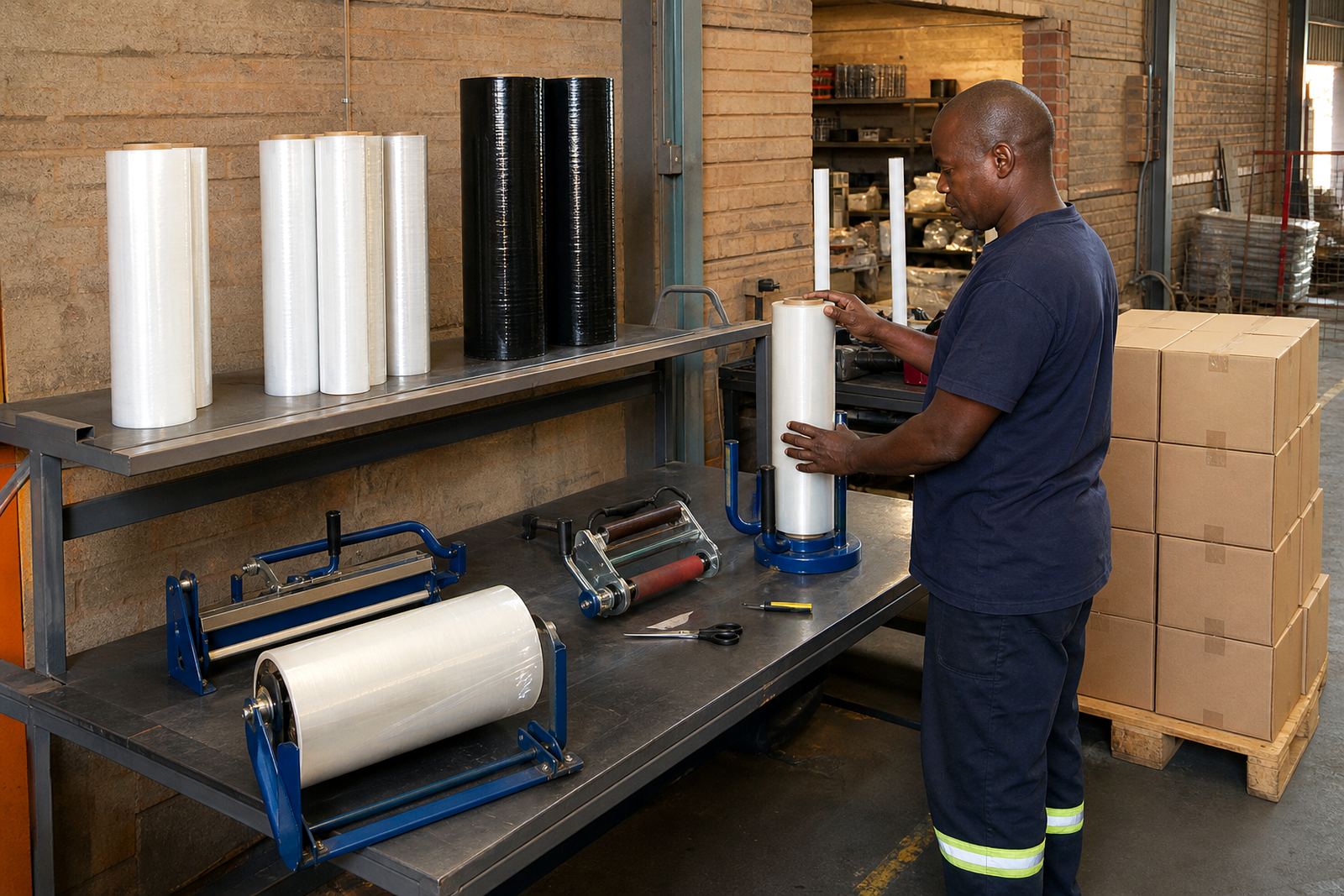
Not every line has the same pace, wrap size or staff setup, so start with the problem you need to solve. Some teams need a simple hand held dispenser for smaller loads, while others need fitted cutters that support repetitive work on faster packing lines. If your team handles mixed pallet sizes, you may also need different setups for stretch film and shrink film.
When reading each article, look for details on film type, operator movement, replacement parts and service access. A good choice must suit the way your people work, not just the machine spec on paper.
- Match the tool to the film type and wrap method
- Check how often rolls are changed during a shift
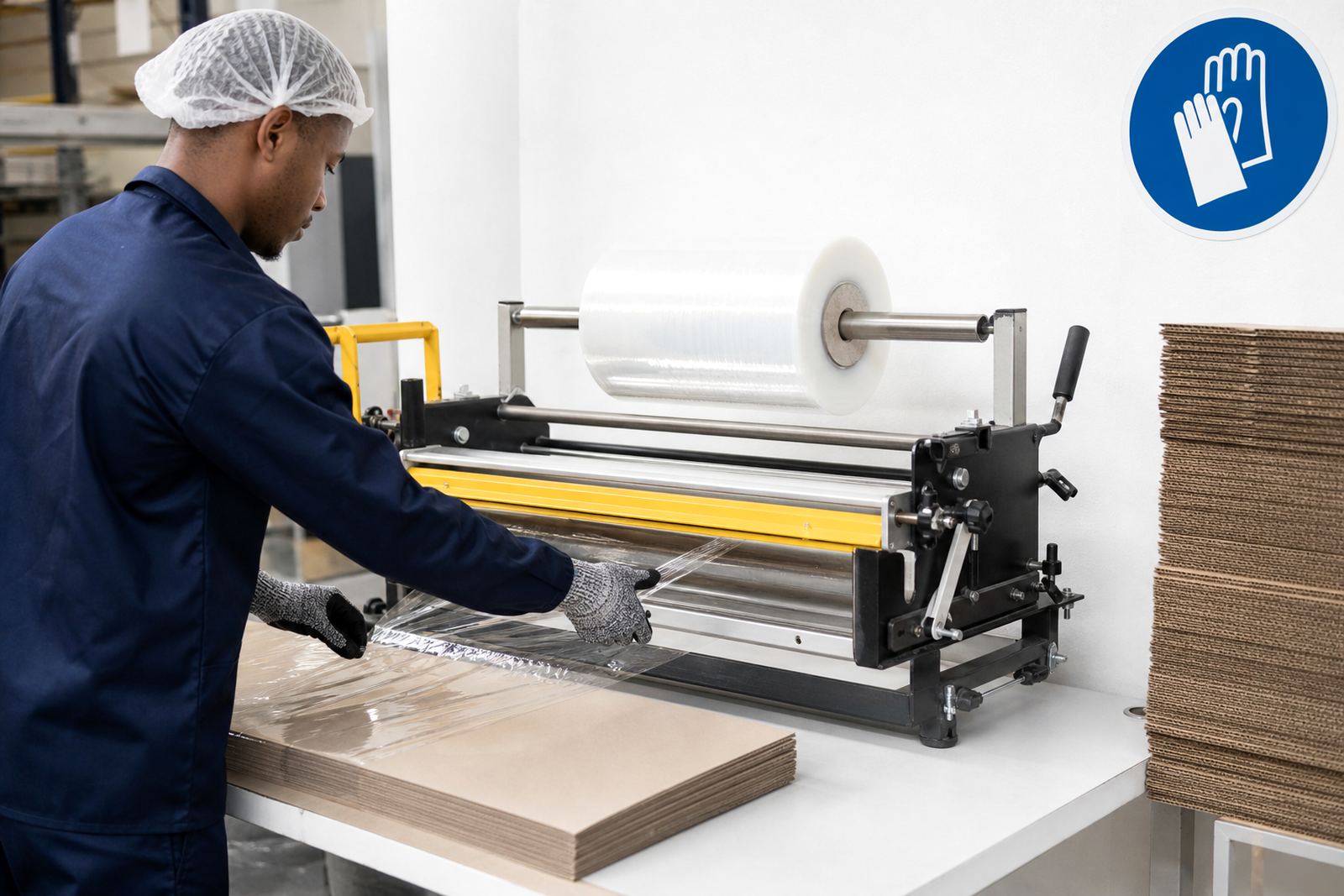
- Consider operator training needs and safety controls
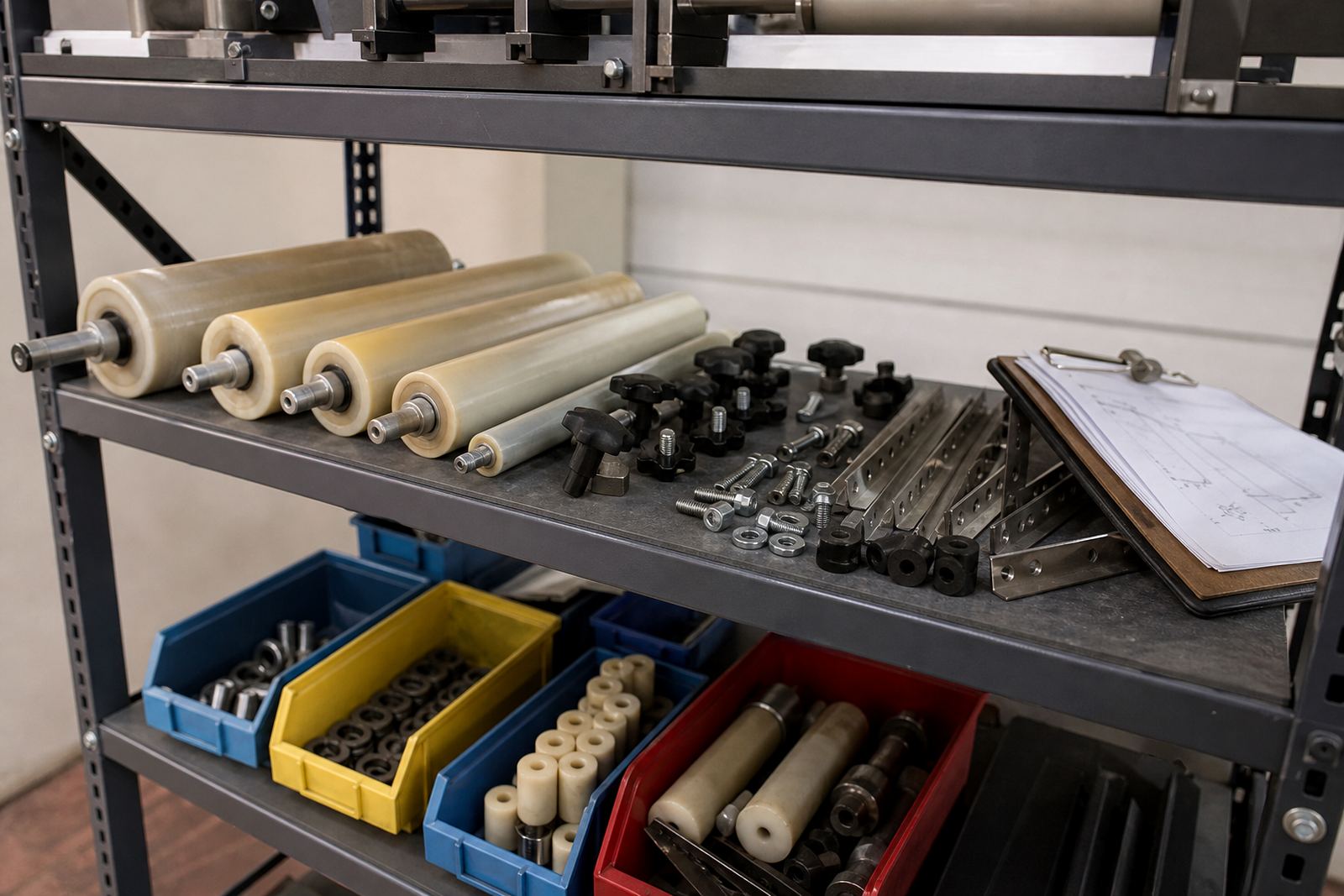
- Review maintenance access and spare parts availability
Topics that help supervisors keep lines moving
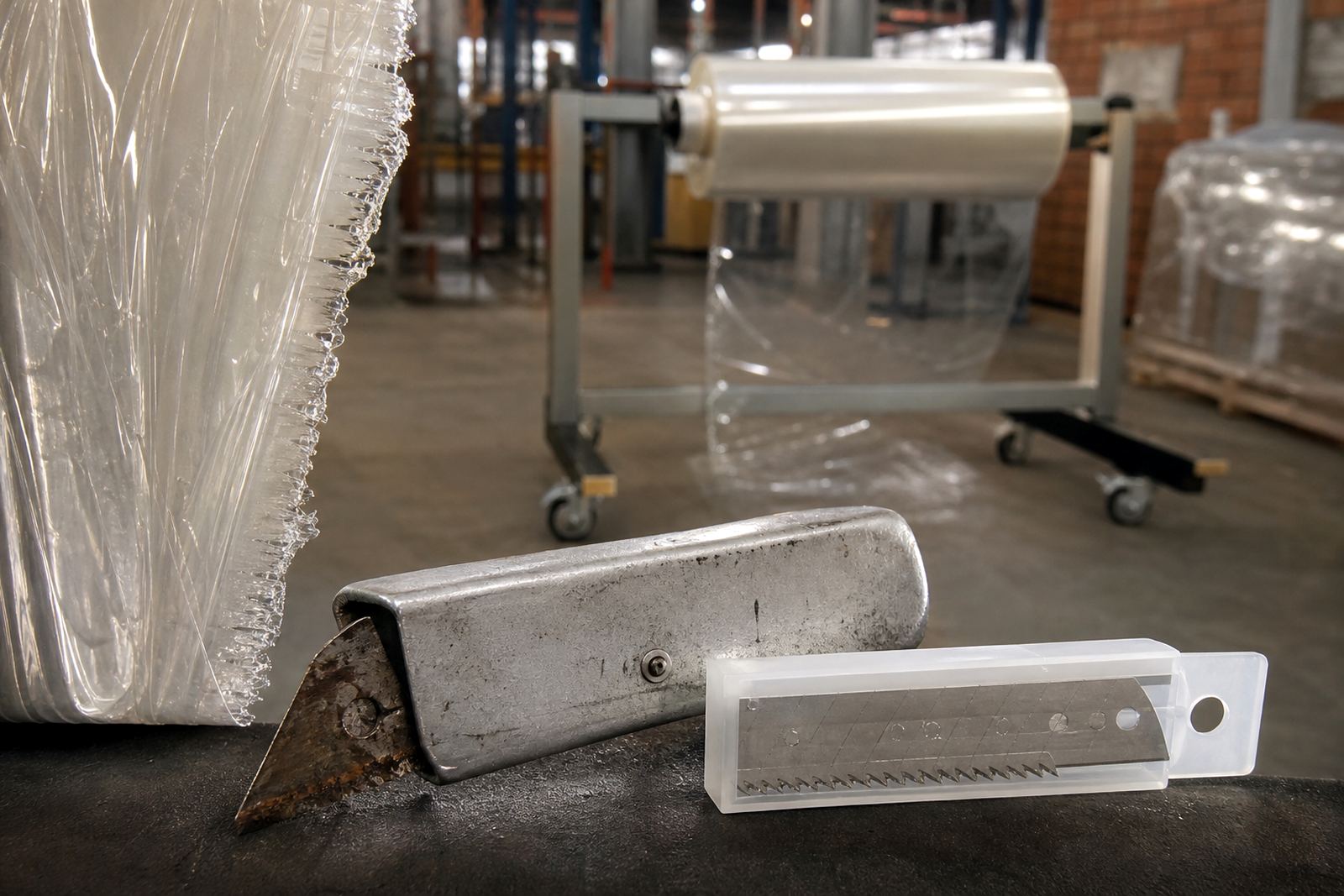
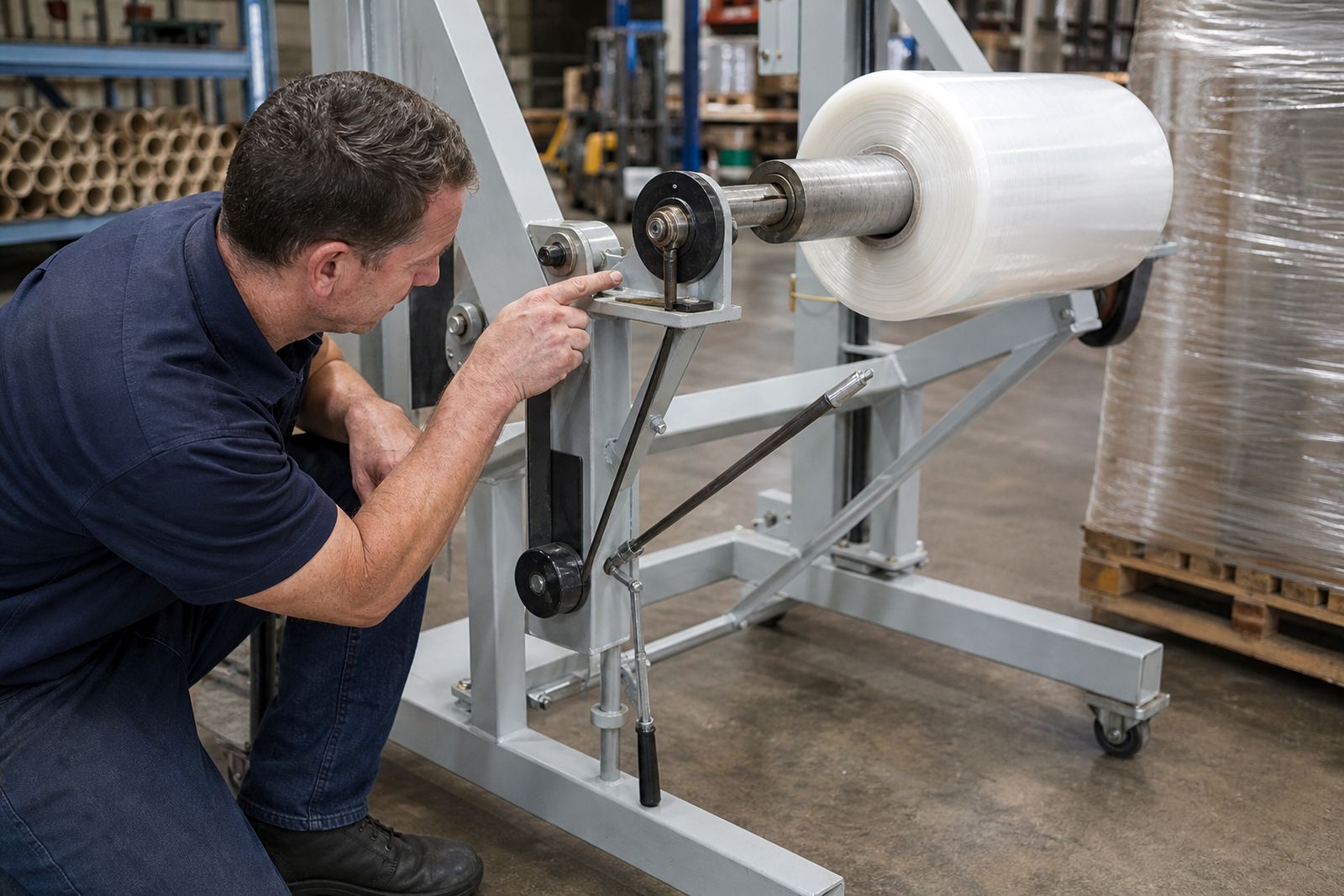
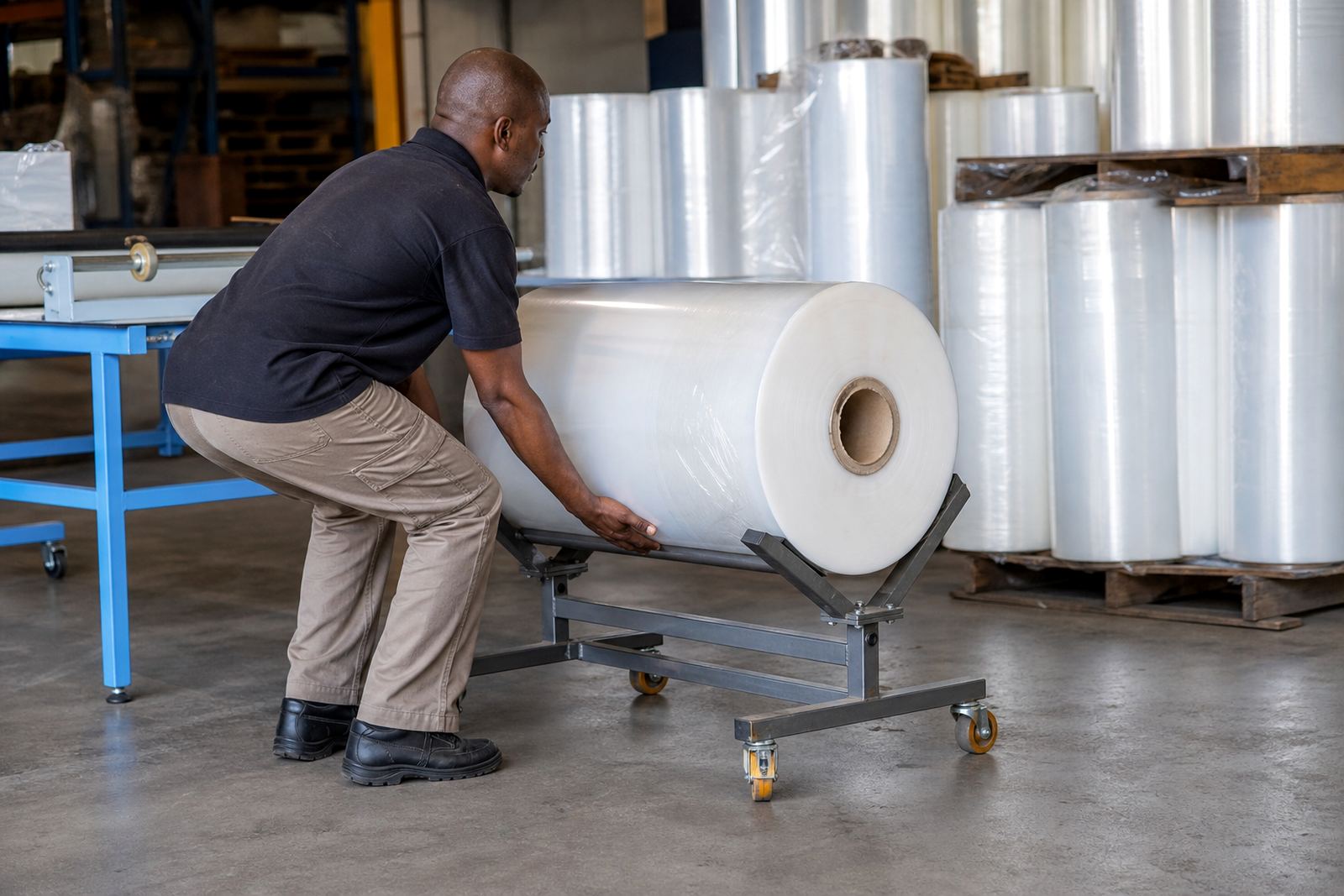
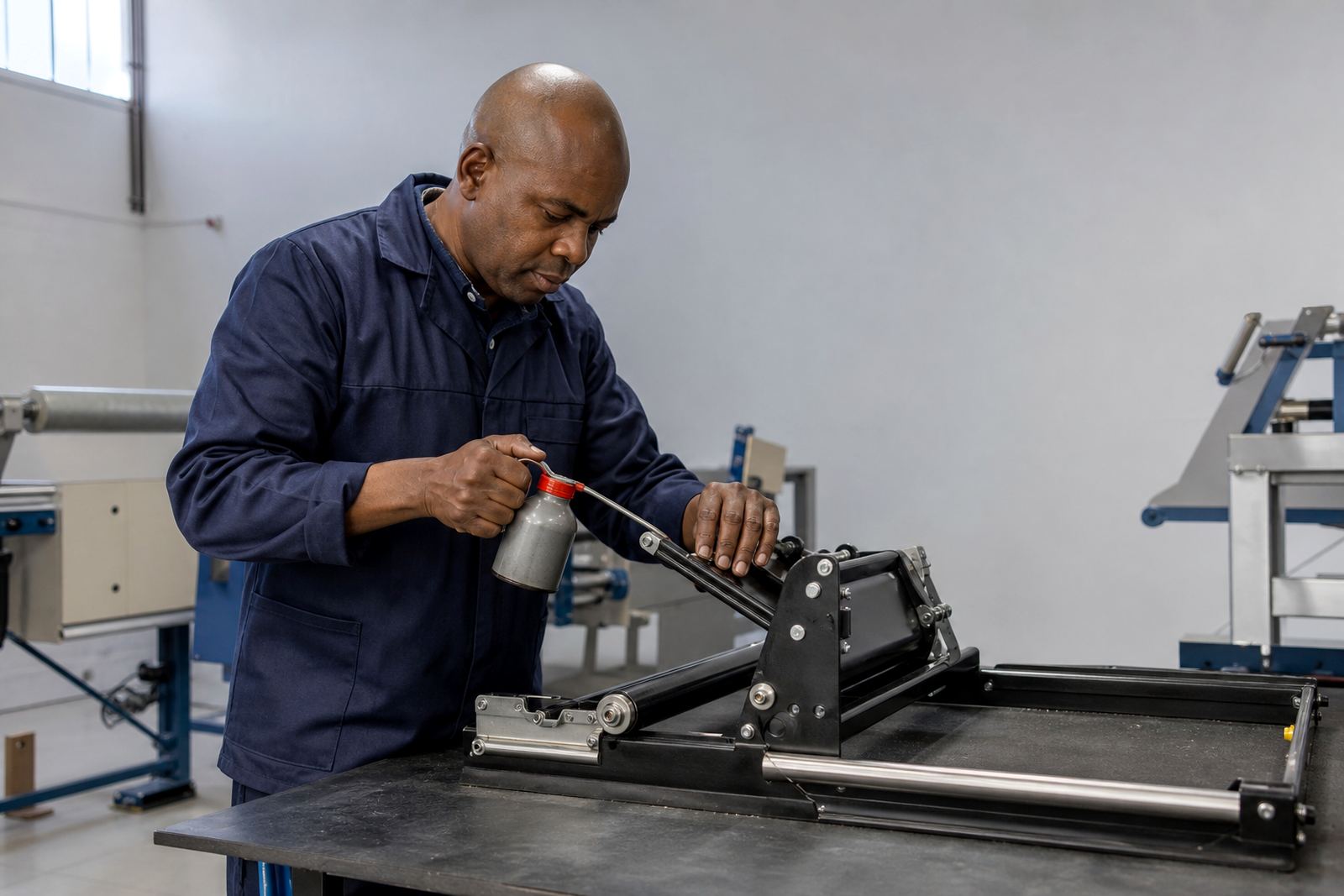
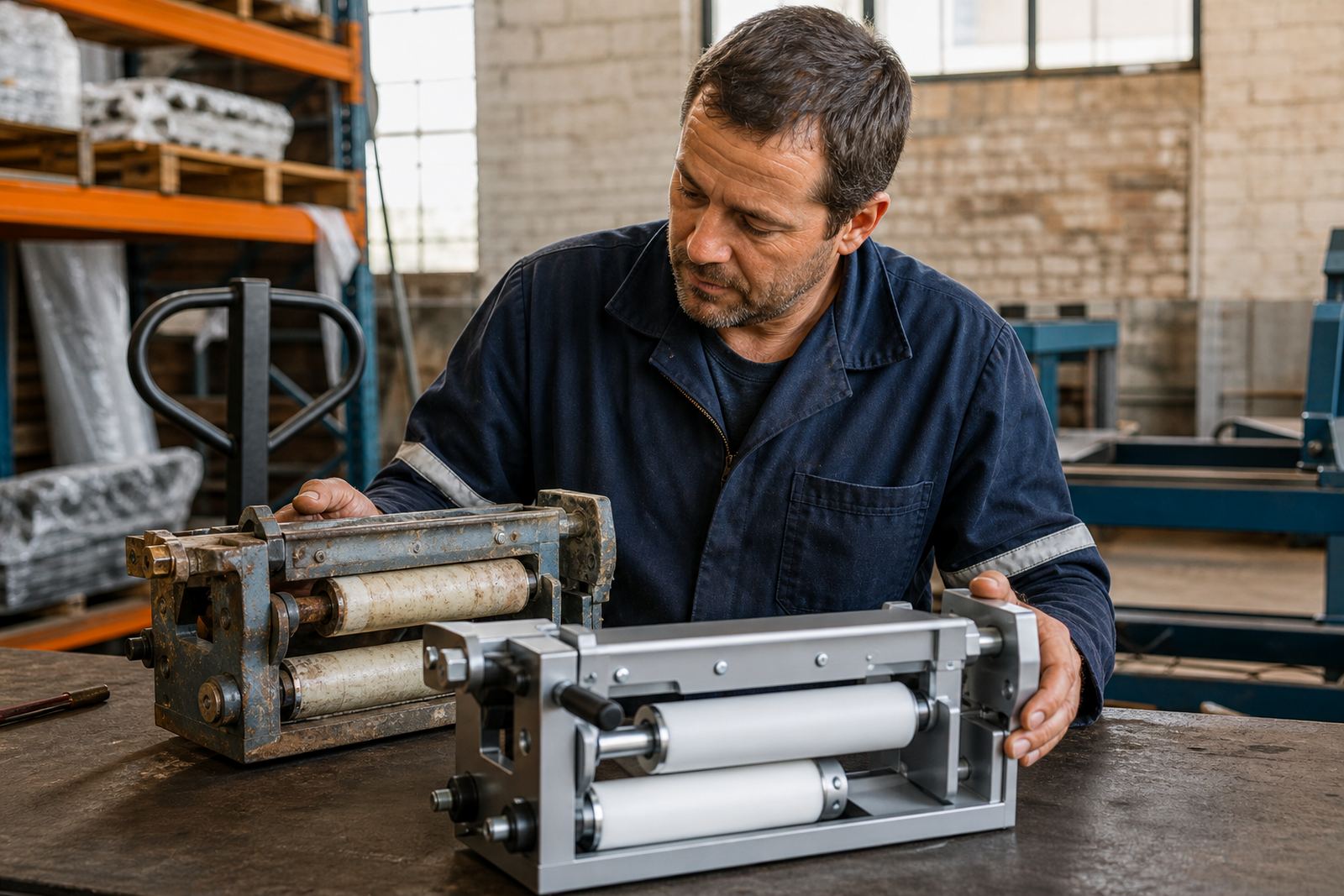
Supervisors often need quick guidance on the small issues that create bigger delays. A blade that is wearing out, a dispenser that sticks, or a poor roll fit can slow a line by minutes at a time. Over a full week that becomes lost output and extra labour.
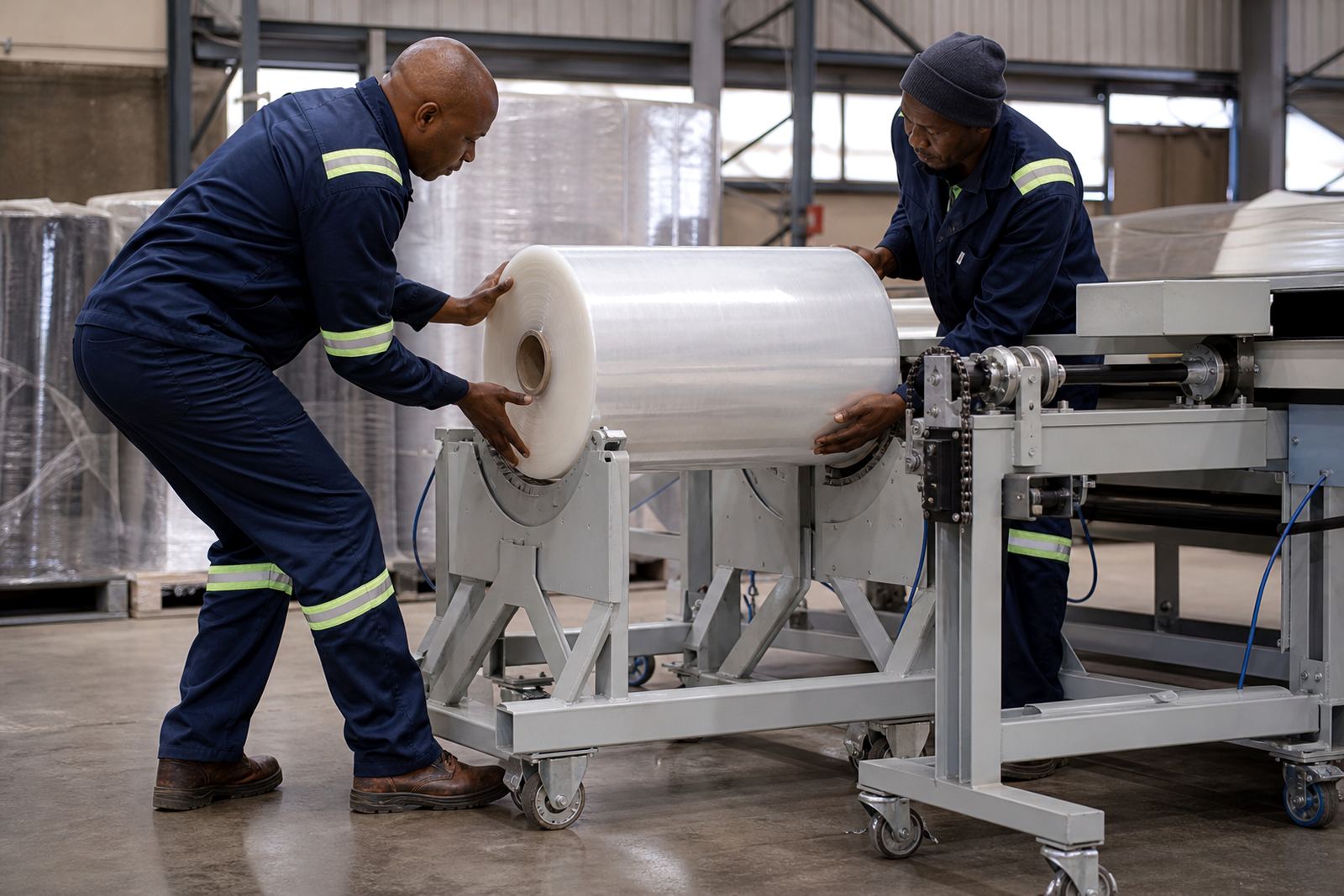
Our journal articles look at practical fixes and planning points that support smoother operations in Boksburg, Midrand, Pretoria and beyond. You will find ideas that help with changeovers, cleaning, servicing intervals and safer handling around moving equipment.
- Preventive servicing schedules
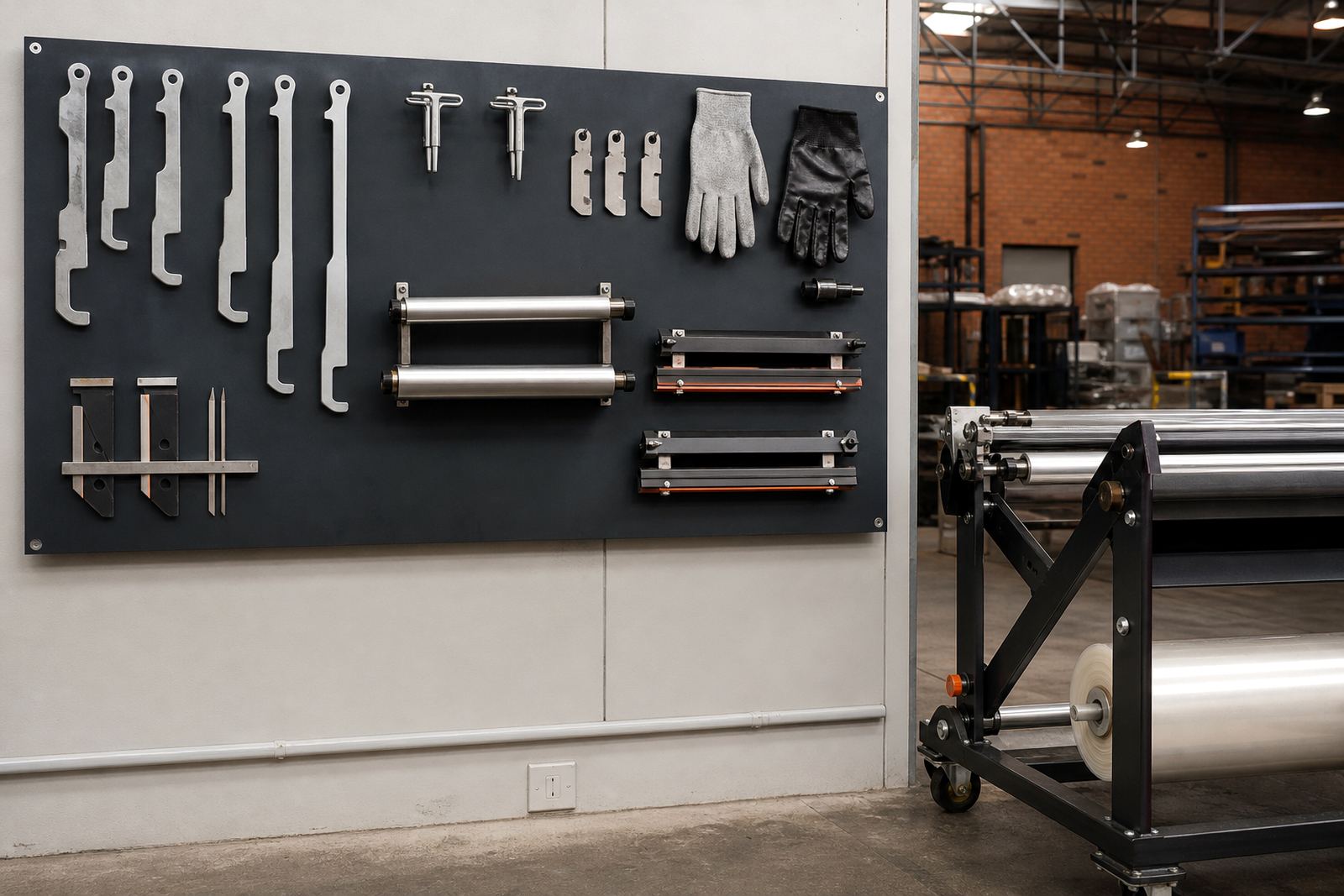
- Blade replacement planning
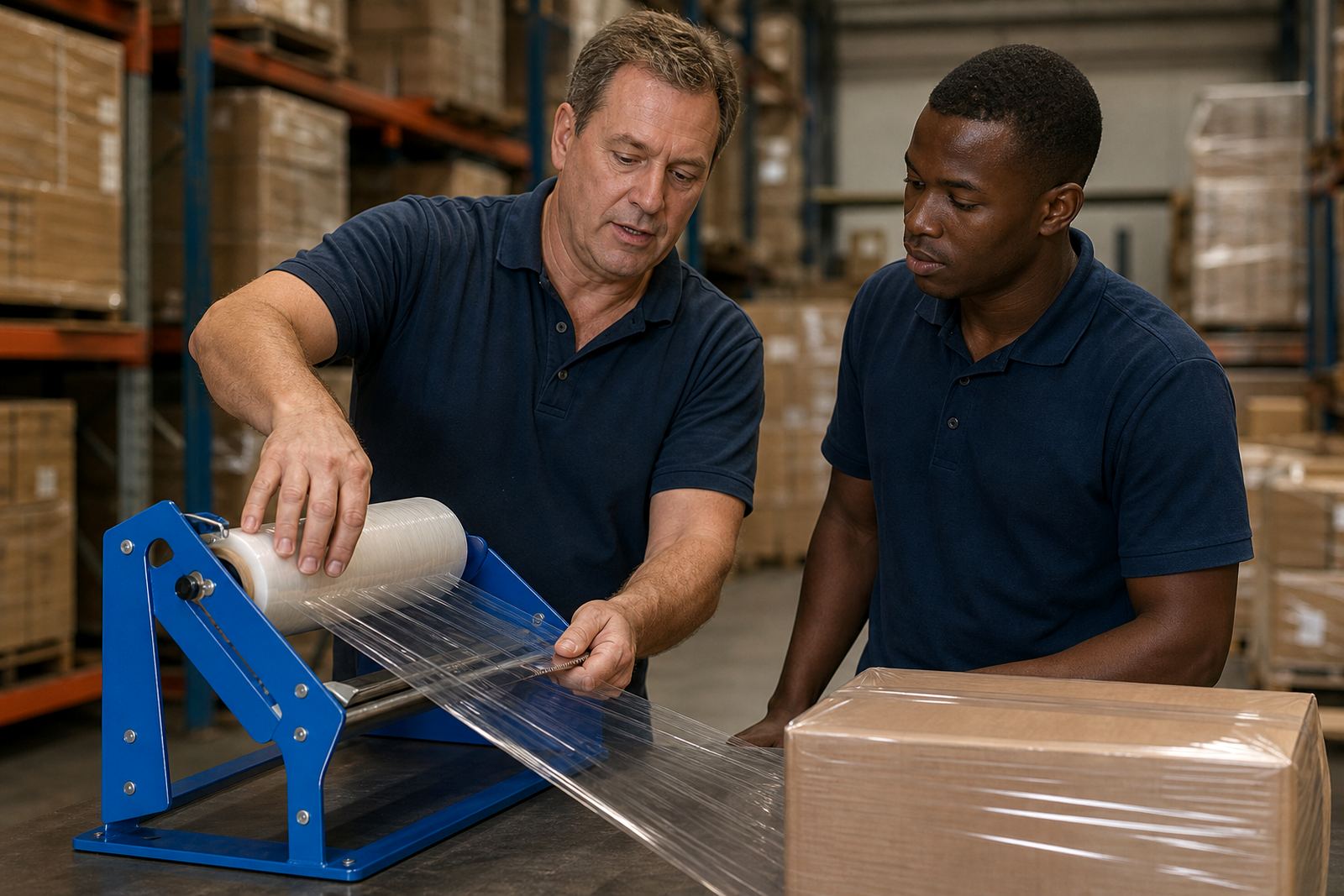
- Roll change support on shift
- Breakdown callout preparation
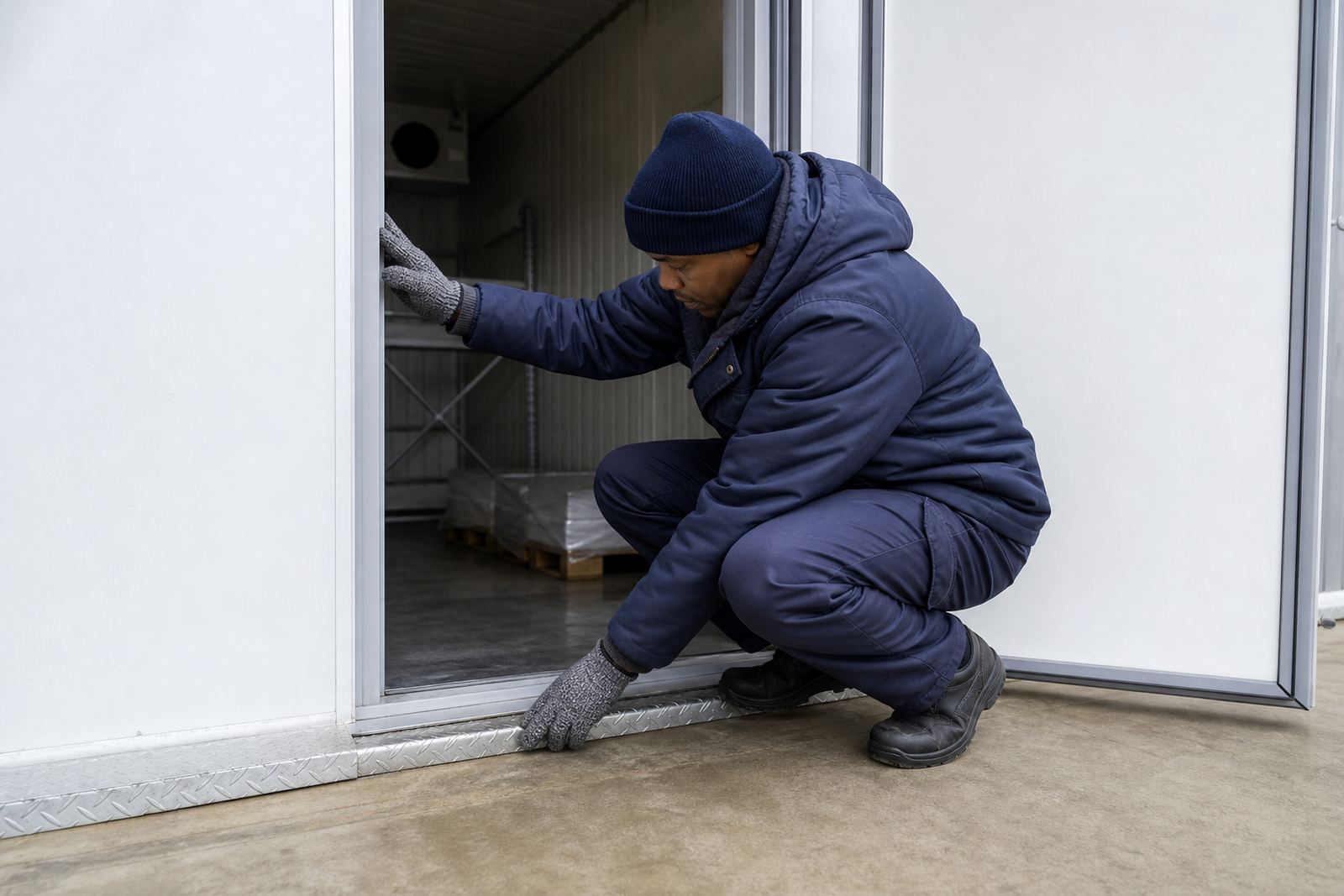
- Safety checks before production starts
Buyer notes on productivity and cost control
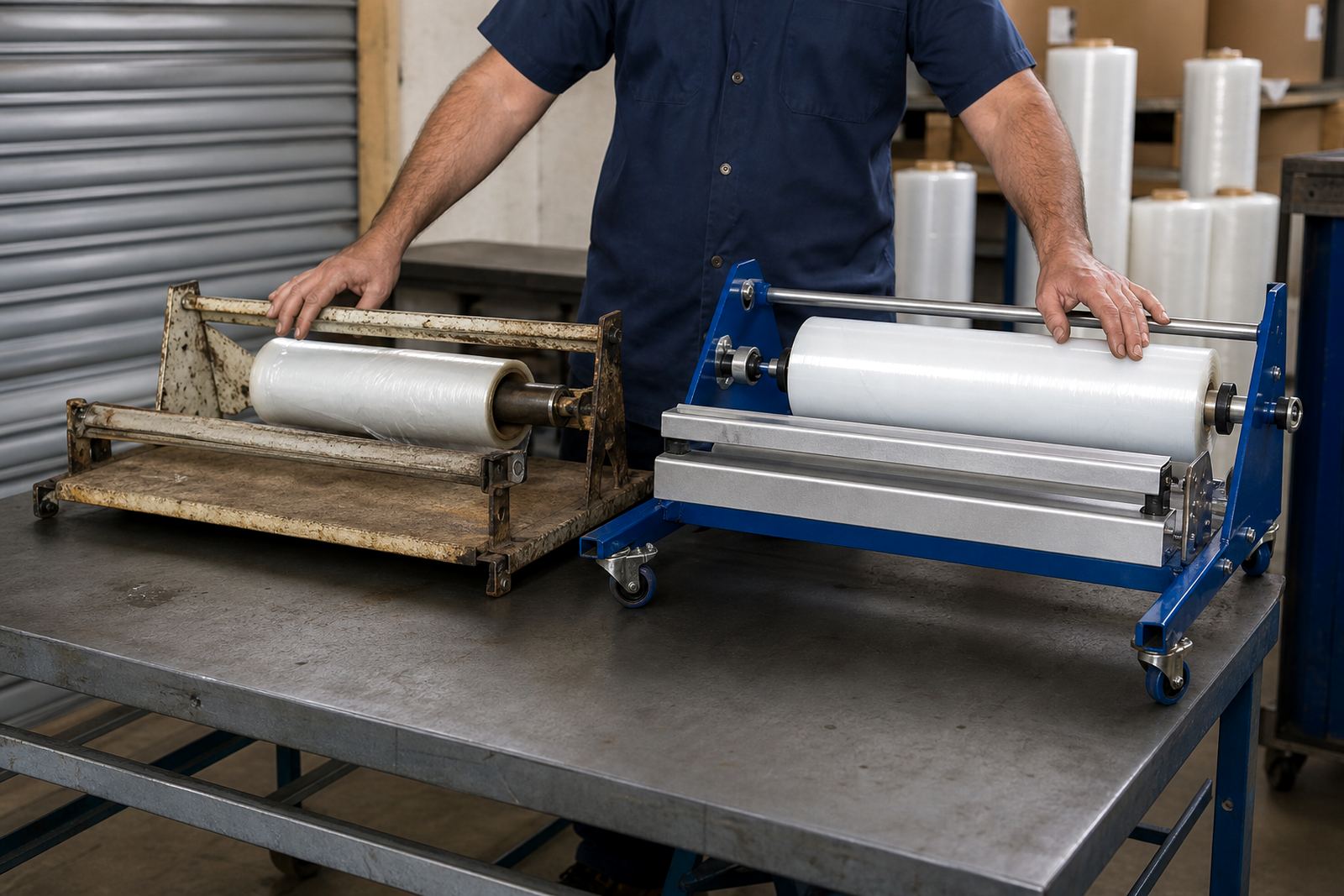
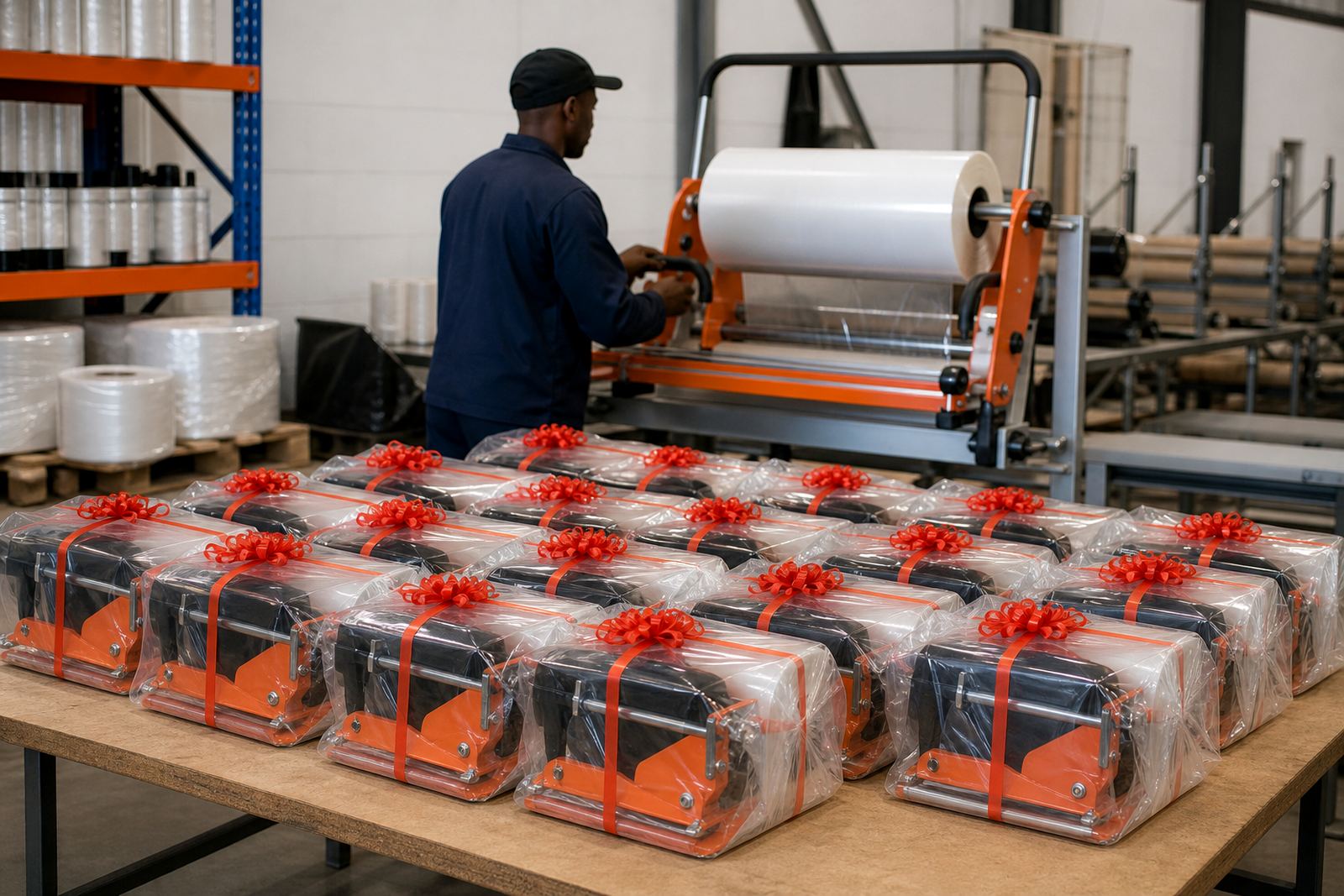
Buyers need equipment that makes financial sense over time, not just on day one. A cutter or dispenser that lasts longer, uses fewer spares and cuts film cleanly can lower running costs across many loads. For sites with multiple lines, a better set up can also reduce operator fatigue and help new staff settle in faster.
We also discuss what to ask before placing an order, especially if your team is planning an upgrade or setting up a new line. That includes installation needs, service access, training and whether the equipment is suited to local conditions such as coastal humidity in Durban or dusty warehouse space inland.
What to expect from the Journal categories
The Packing Journal brings together short, useful reads for different roles across packaging teams. Some articles focus on hands-on use, while others help with planning, servicing or line improvements. If you are comparing options for a plant in Cape Town, Polokwane or the eastern parts of Ekurhuleni, use the headings to find the right level of detail.
The listing cards are added separately, so this hub helps you scan the range before you choose what to read next. It is a simple way to move from a broad question to a specific answer, without wasting time on content that does not suit your operation.
- Handling and operator use
- Maintenance and servicing
- Line setup and installation
- Productivity and film use
- Safety and site checks
Useful reading for busy packing teams
If you run a team that works under tight schedules, the right advice can help you cut stoppages and keep standards consistent. Our articles are aimed at people who need clear steps, practical checks and equipment guidance that fits South African operations. No long theory, just usable information for the next shift.
From Germiston to Johannesburg, Pretoria, Durban, Cape Town and Polokwane, the same issues come up often: wasted film, awkward roll changes, poor blade condition and operator error. The journal is here to help teams spot these issues early and keep production steady, even when the line is under pressure.