Urgent support for packing lines that cannot wait
Breakdown callouts are for situations where your shrink film or stretch film cutter, dispenser or related line setup has stopped working properly and production needs help now. This can include a blade that is binding, a dispenser arm that is not tracking correctly, a damaged mount, a loose guard, poor film feed, or a unit that is no longer giving a clean, controlled cut. In many plants a small fault becomes a bigger one within a few shifts, so quick action matters.
We support packing operations in Germiston, Johannesburg, Pretoria, Durban, Cape Town, Polokwane, Boksburg and Midrand, with callouts arranged for sites across South Africa. The aim is to restore safe, usable performance as soon as possible, then confirm what caused the fault so it does not keep coming back. Where a full repair cannot be completed on the spot, we will stabilise the unit, advise on the next step and keep the line moving where practical.
- Fault finding on cutter and dispenser issues
- Blade, bracket, guide and handle checks
- Safety inspection before returning equipment to use
- Temporary fix or controlled shutdown advice if needed
What the callout includes on site
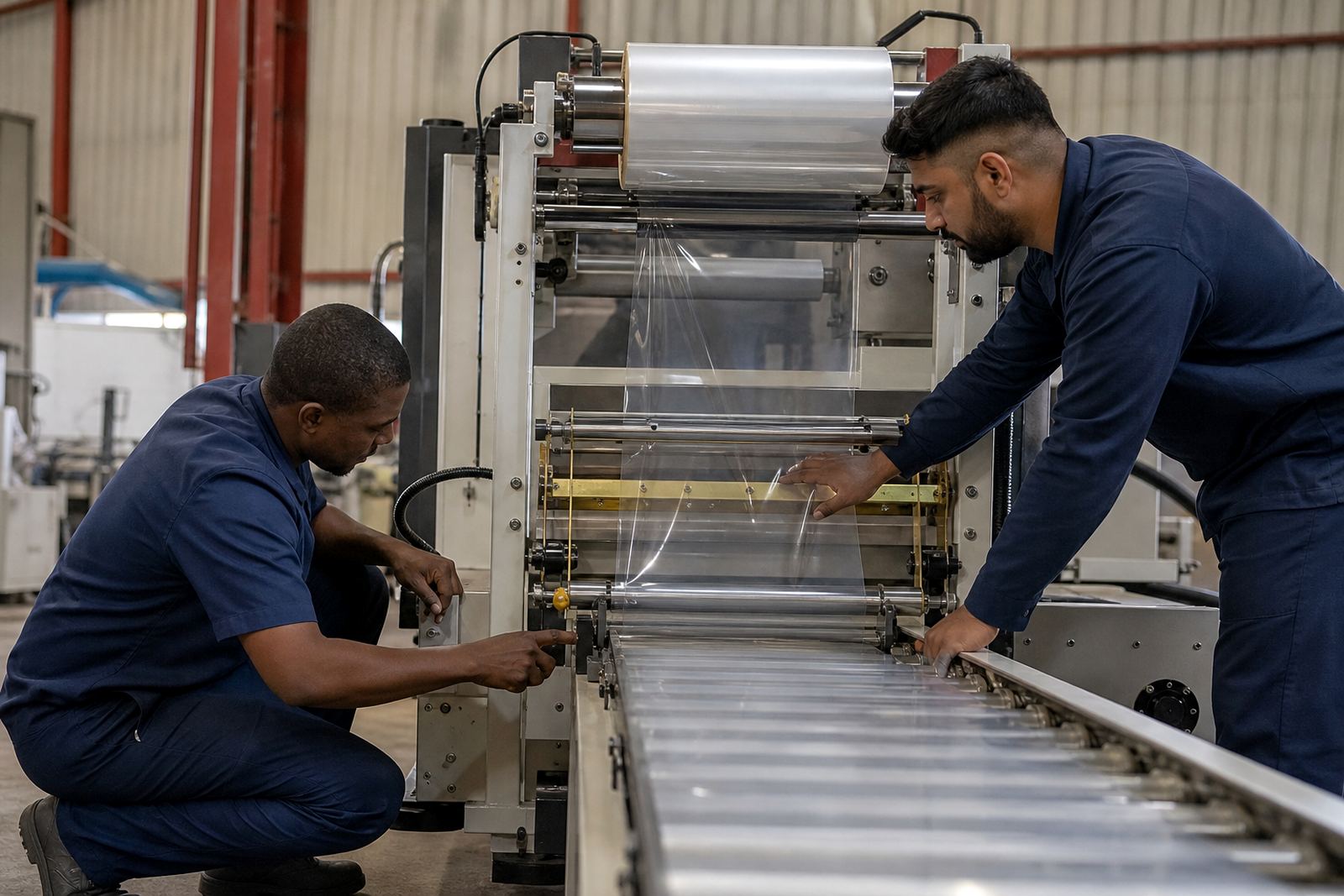
Every breakdown callout starts with a practical inspection of the equipment, the mounting position and the way operators are using the unit. Many faults are linked to wear, contamination, wrong blade tension or a dispenser that has shifted out of alignment. We look at the full working position, not just the obvious symptom, so you get a proper result rather than a quick guess.
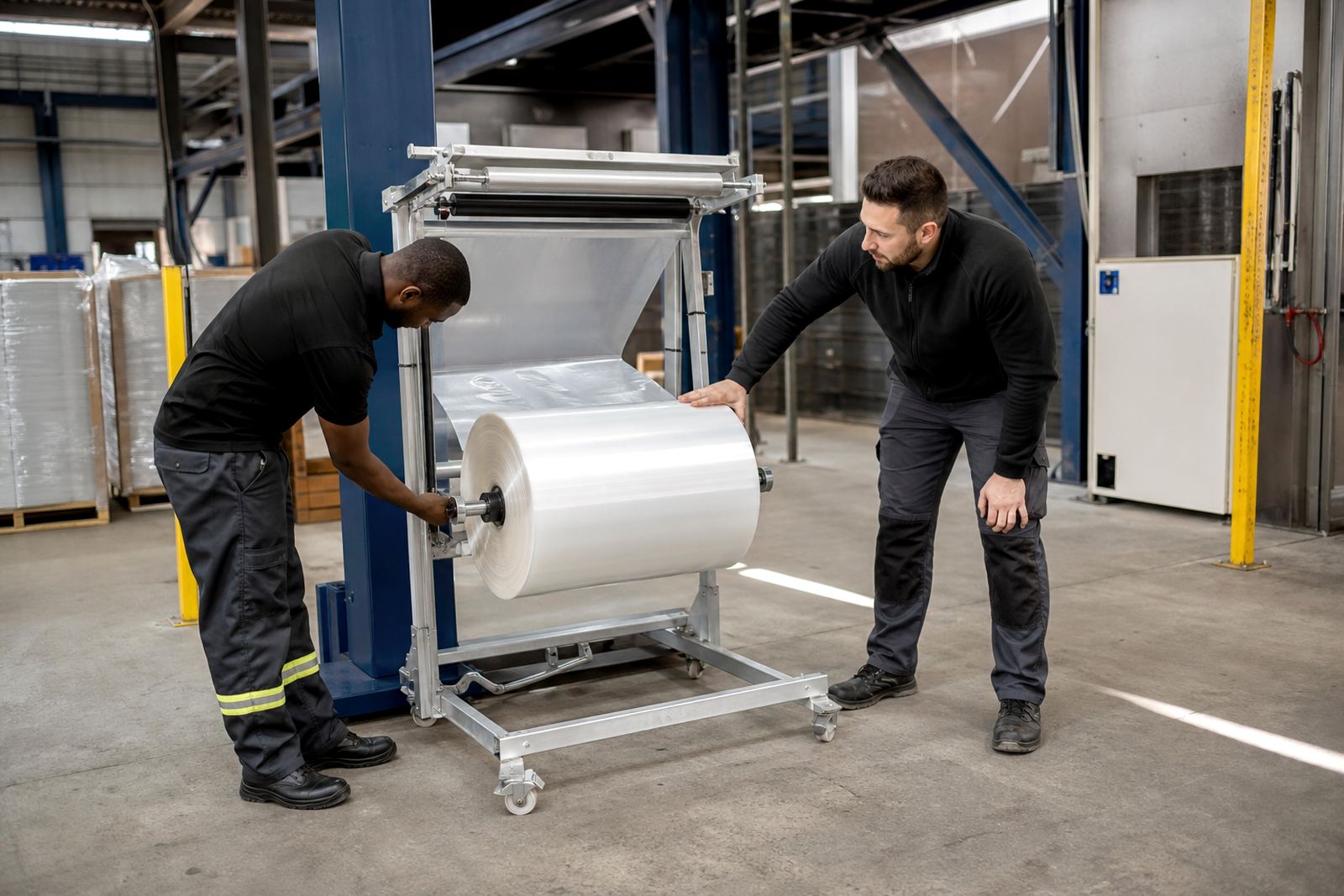
Depending on the fault and the equipment type, the visit may include adjustment, tightening, cleaning, re-setting of moving parts, blade replacement, dispenser repair, safety checks and simple operator guidance. If the issue is caused by damaged spares or missing parts, we will identify what is needed and advise on supply. Our field work is set up for packing lines, so we know that access can be tight and time can be short. The job has to be neat and practical, with minimal disruption to the rest of the line.
- Inspection of cutter body, blade path and film contact points
- Checking guards, handles, fasteners and mounting points
- Blade replacement where wear or damage is affecting cut quality
- Functional test after adjustment or repair
Our response process from report to repair
Clients send a breakdown request through the enquiry form on our contact page, then our team reviews the fault and the location before planning the visit. We usually want to know what equipment is involved, what the symptom looks like, whether the issue is urgent to production, and if the fault started after a change on the line. That helps us send the right person with the right parts where possible.
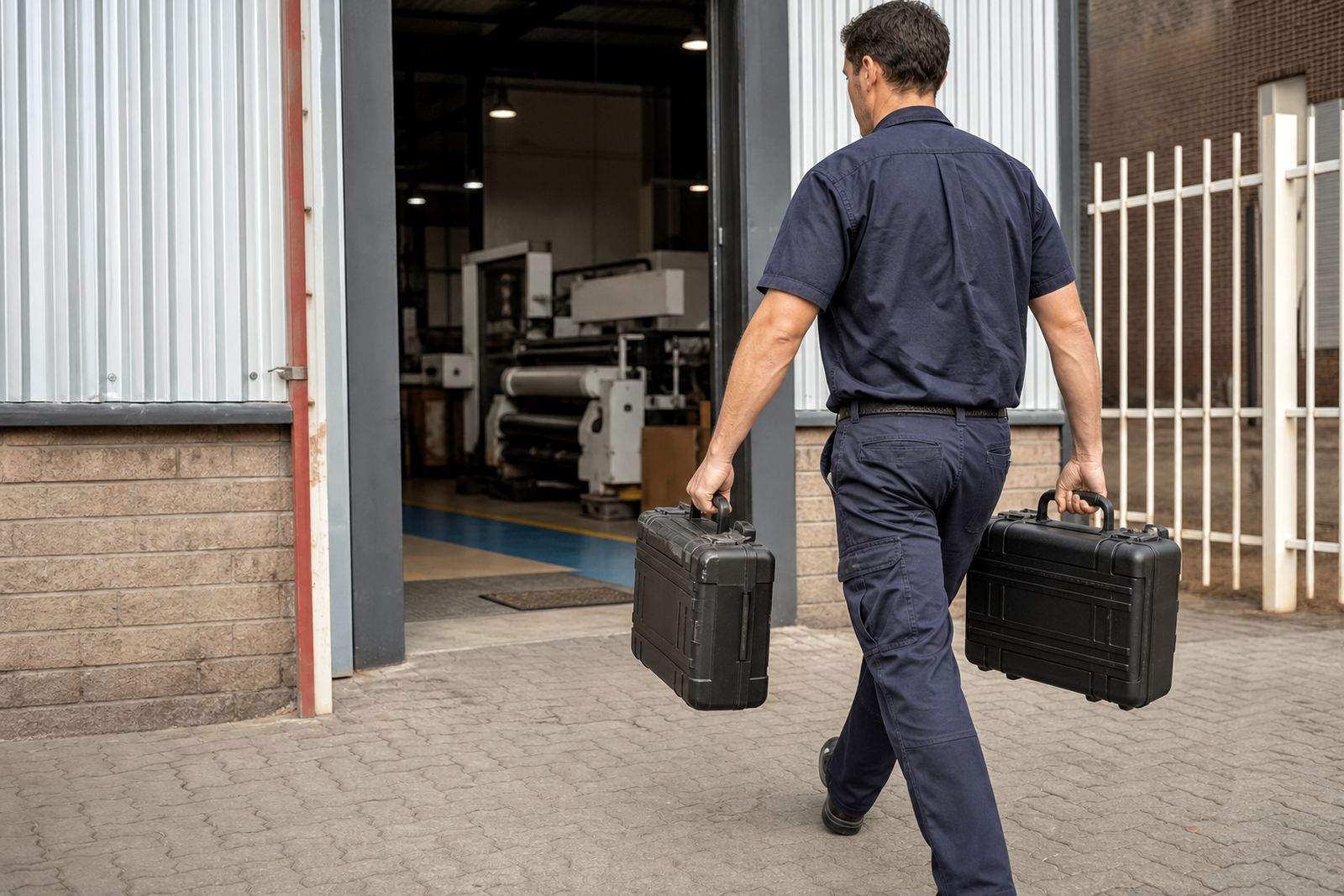
Once the callout is booked, we confirm the likely response window, the site access requirements and any safety rules that apply. On arrival, the technician carries out the assessment, works through the fault in order and tests the unit before handover. If the repair needs follow-up parts or a deeper workshop repair, we explain that clearly and keep the next step simple. Response times depend on load, location and site access, but we aim to act quickly when a line is standing and production is waiting.
- Step 1: Log the fault through the enquiry form
- Step 2: Confirm equipment type, site details and urgency
- Step 3: Attend site and inspect the unit
- Step 4: Repair, test and hand over with clear feedback
Turnaround and support during busy shifts
For many customers the main concern is not just fixing the fault, but doing it without upsetting the shift plan. We work with production teams, supervisors and maintenance staff to keep the response practical. If the line is running around the clock, we can often plan attendance around shift changes or short access windows. In some cases a same-day visit is possible, while other jobs may be scheduled on the next available route depending on the area and the nature of the fault.
When the issue is urgent but not yet a full shutdown, we can also advise on safe temporary use until the repair is done. That might mean reducing speed, swapping operators, isolating the faulty unit, or stopping use of a damaged dispenser to avoid film waste. In humid coastal areas like Durban and Cape Town, corrosion and sticky build-up can make small faults worse, so we pay attention to wear patterns and cleaning practices as part of the visit.
If the equipment has been running in dusty or high-traffic packing areas, we will also check for build-up around blade points and moving joints. A small amount of contamination can affect the cut and the operator’s control more than people expect, especially on busy lines.
Pricing approach for callouts and repairs
Breakdown callout pricing is based on the site location, the level of urgency, the time required on site and whether any parts are needed. We keep it straightforward. There is no value in vague pricing when a line is already under pressure, so the scope is discussed before attendance wherever possible. If the fault is simple, the cost stays focused on the visit and the labour time. If the unit needs replacement parts or extra work, that is quoted separately once the issue is confirmed.
For sites in and around Germiston, Boksburg and Midrand, travel can often be efficient, while longer routes to Durban, Cape Town or Polokwane may need a planned service slot. We always try to balance urgency with cost so the client gets the right response without unnecessary delay. For customers with repeat-use packing lines, we can also recommend a service rhythm that reduces surprise breakdowns and keeps the callout budget under better control.
- Site location affects travel and scheduling
- Urgent after-hours work may change the rate
- Parts are quoted once the fault is confirmed
- Repeat faults may point to a maintenance issue, not just a repair need
Maintenance intervals that reduce repeat failures
Breakdowns are easier to manage when the equipment is checked regularly. For most packing lines, we recommend preventive servicing at intervals that suit the production load, the number of shifts and the environment. A high-use site may need checks every 3 to 6 months, while lighter-use operations may be fine on a longer cycle. Sites with heavy dust, coastal humidity or frequent roll changes often need closer attention.
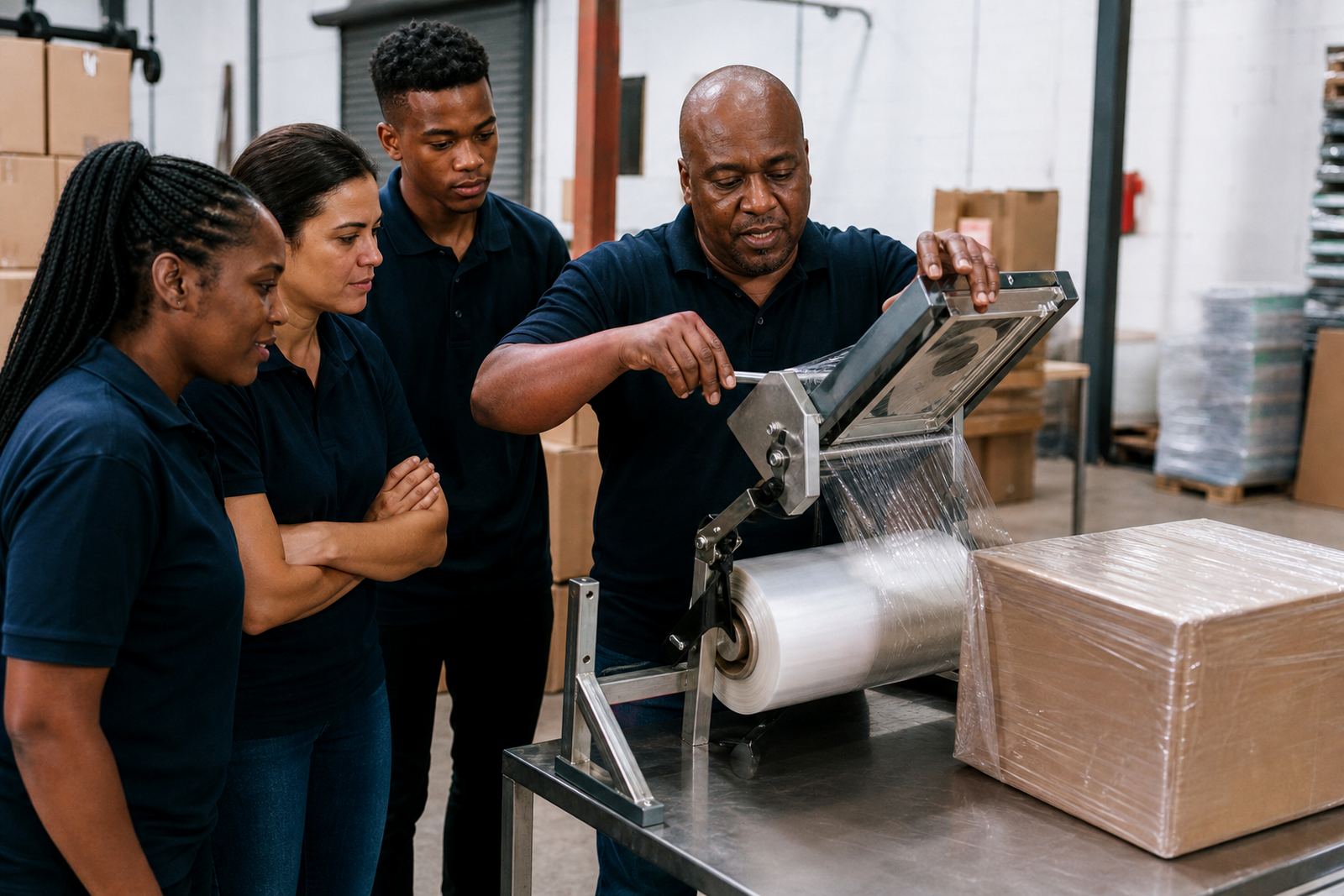
During planned servicing we look for blade wear, loose fasteners, uneven movement, film tracking issues and any sign that the dispenser is working harder than it should. This helps reduce emergency callouts and gives operators a better feel for the equipment. We also suggest training refreshers when we see repeated handling mistakes, because a few small habits can shorten the life of the cutter or dispenser more than people realise. A proper routine usually costs less than repeated emergency work, and it keeps the line steadier.
Where a client has several packing points on one site, we can help set a staggered schedule so not every unit is serviced at once. That makes maintenance easier to plan and keeps production interruptions more manageable.
Why plants call Film Cutters first
Since 2008, Film Cutters has focused on shrink film and stretch film cutters and dispensers for packing lines across South Africa. Our team is built around practical field support, with Thabo Maseko overseeing the business and specialist staff handling sales, technical work, service coordination, operations and site support. That mix matters when a machine is down, because the person arranging the callout understands the technical fault and the production pressure behind it.
Clients want a supplier that turns up prepared, speaks plainly and leaves the equipment in a safer working state than it was before. That is how we handle breakdowns: clear reporting, sensible repair work and honest feedback on what should be watched next. If your cutter or dispenser has started slipping, binding, cutting poorly or causing delays, log the fault through the enquiry form and we will take it from there.
Key facts
| Service type | Emergency breakdown callouts for shrink film and stretch film cutters and dispensers |
|---|---|
| Coverage | Germiston, Johannesburg, Pretoria, Durban, Cape Town, Polokwane, Boksburg and Midrand |
| Typical faults | Blade wear, alignment issues, broken handles, loose mounts, dispenser tracking faults |
| On-site work | Inspection, adjustment, blade replacement, dispenser repairs, safety checks |
| Response basis | Booked by urgency, site access and route availability |
| Maintenance interval | Usually every 3 to 6 months for high-use packing lines |