Training built around your line, not a classroom theory session
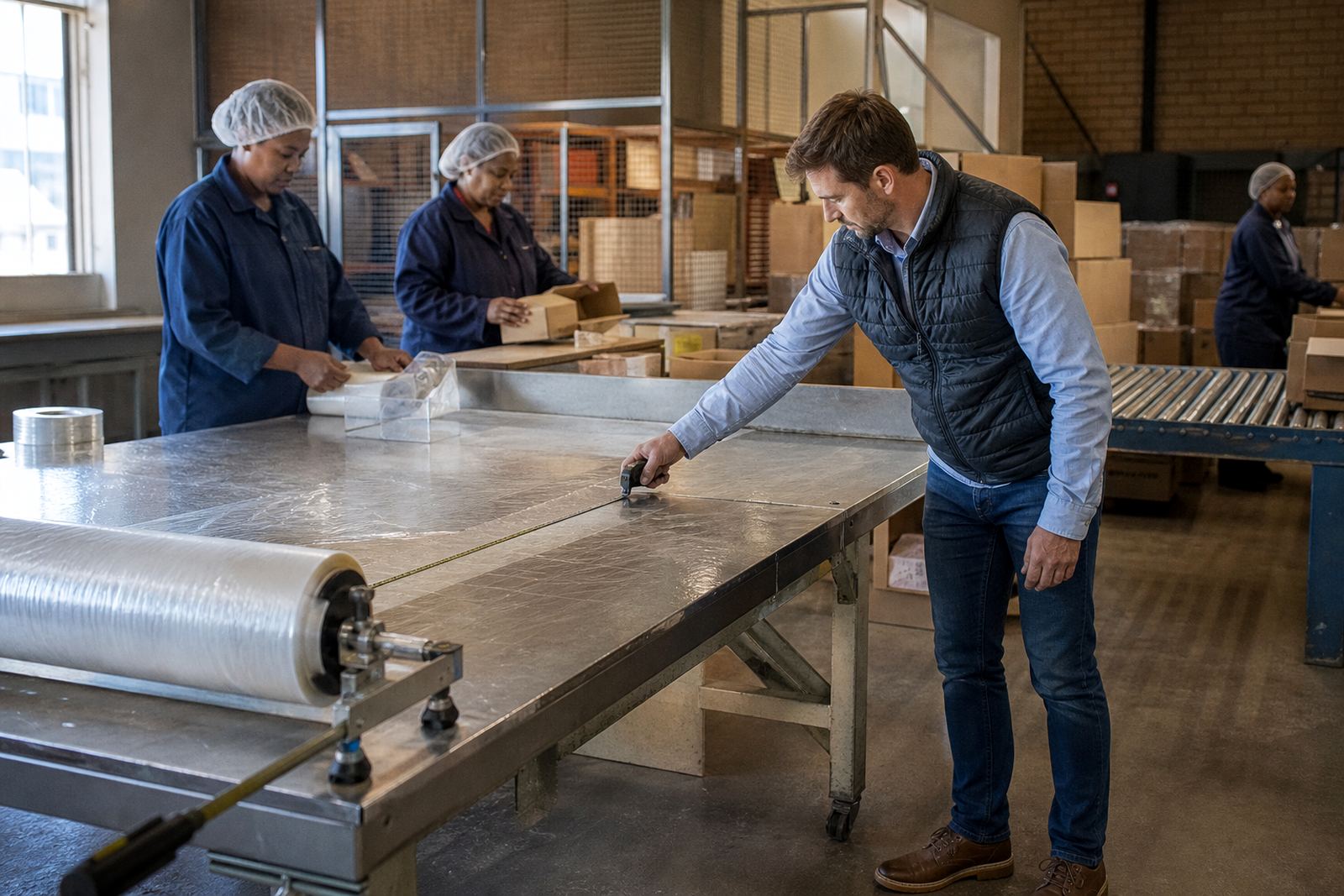
Our operator training is done around the way your packing line actually runs, whether you are working with hand-held stretch film dispensers, bench mounted cutters or film stations on a moving line. The aim is simple: help operators load rolls correctly, handle cutters safely and keep film use tidy and consistent from shift to shift.
We train new operators, relief staff and supervisors who need a practical refresher. This is useful for sites in Germiston, Boksburg and Midrand where changeovers happen fast, as well as larger distribution and manufacturing plants in Johannesburg, Pretoria, Durban, Cape Town and Polokwane. In busy plants, a few minutes of bad film handling can lead to torn wrap, loose loads, wasted material and avoidable stops.
- Safe handling of shrink film and stretch film rolls
- Correct cutter grip, angle and cutting pressure
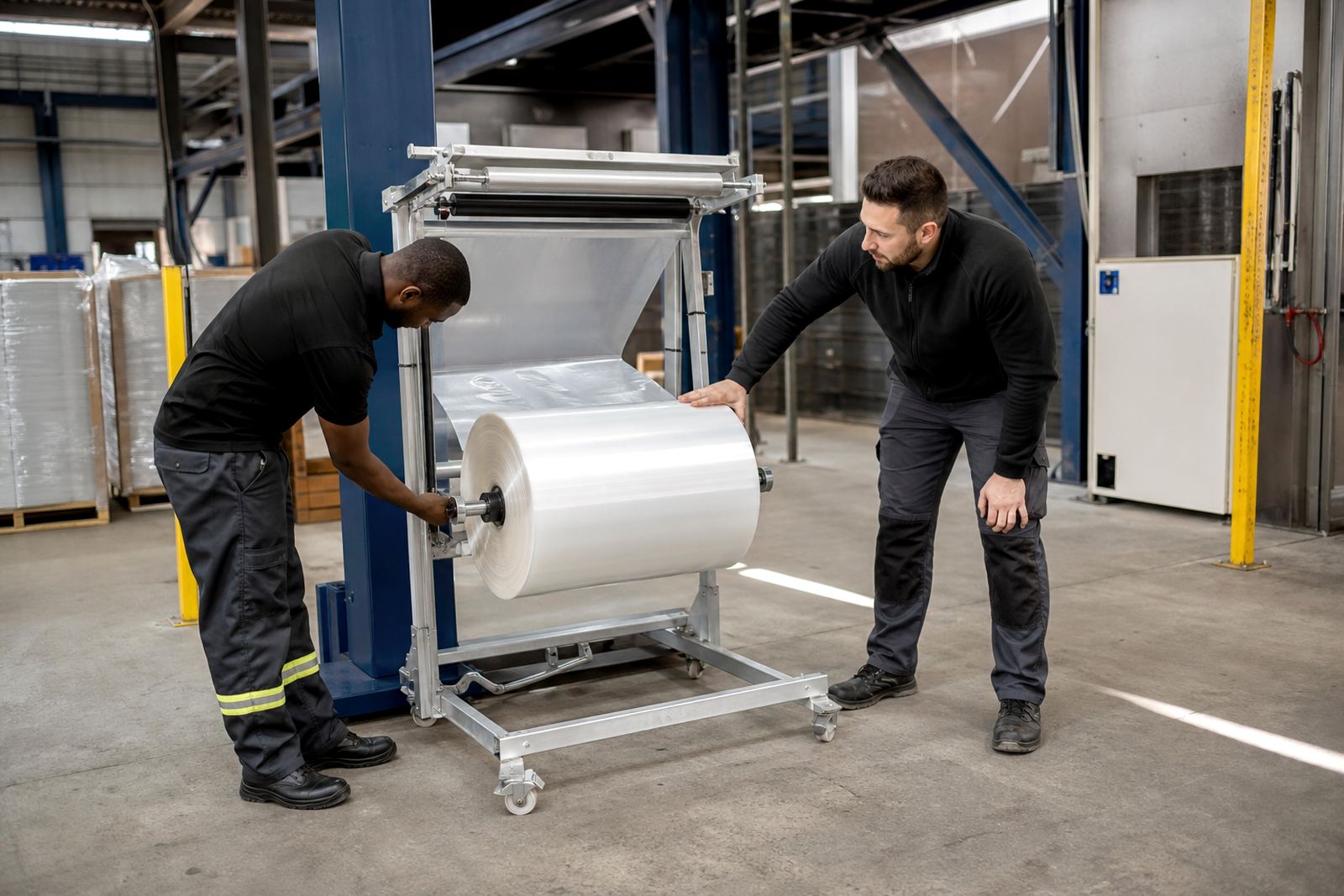
- Roll loading and threading for common dispenser types
- Basic fault spotting before a stoppage gets worse
- Good housekeeping around blades, cores and offcuts
What operators are shown during the session
Each session covers the parts of the process that affect speed, safety and film quality. We show operators how to work with the weight and tension of the roll, how to avoid nicking the film edge, and how to keep the blade path clear. On shrink film, we also cover handling around heat-sensitive packaging where poor application can affect the final finish.
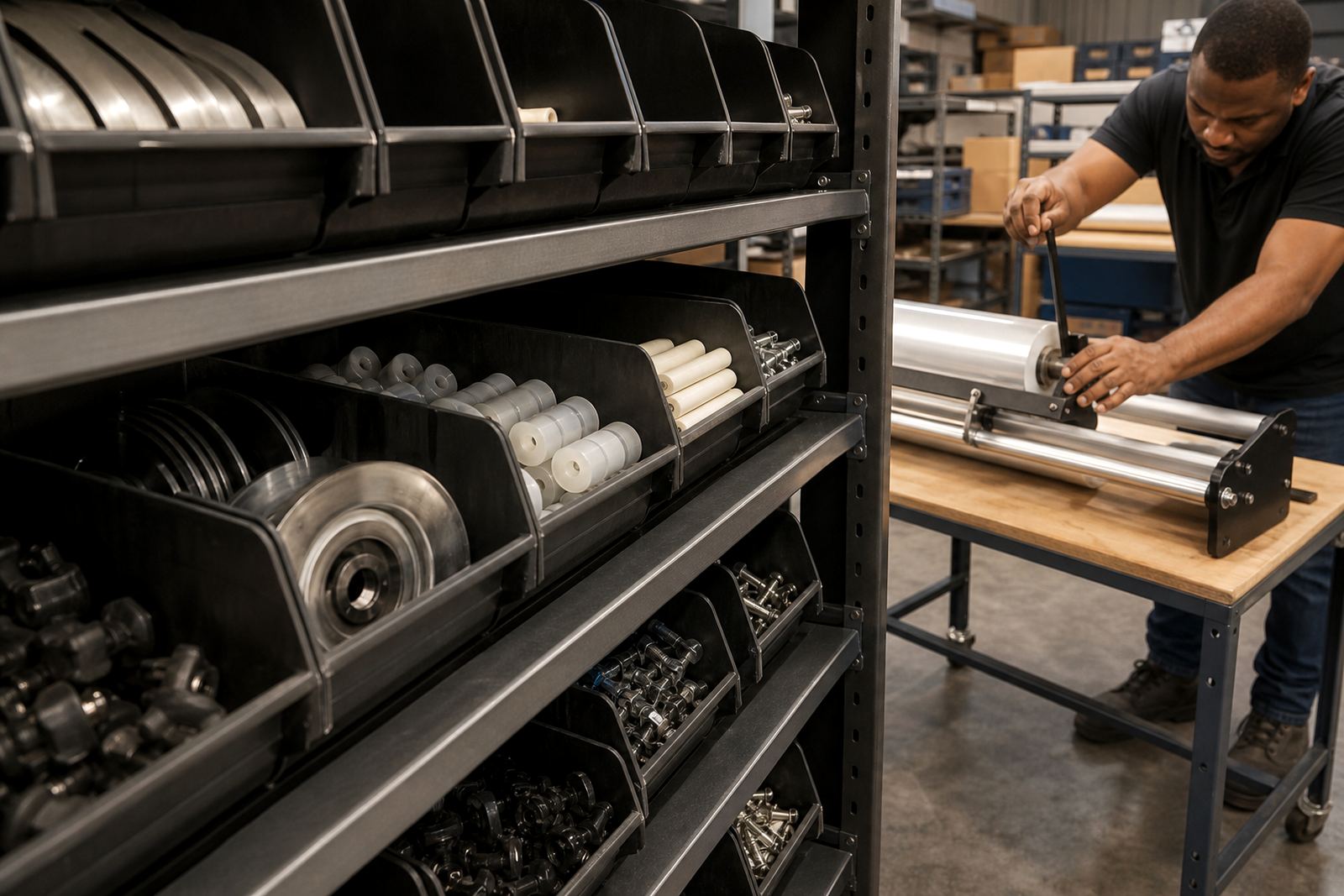
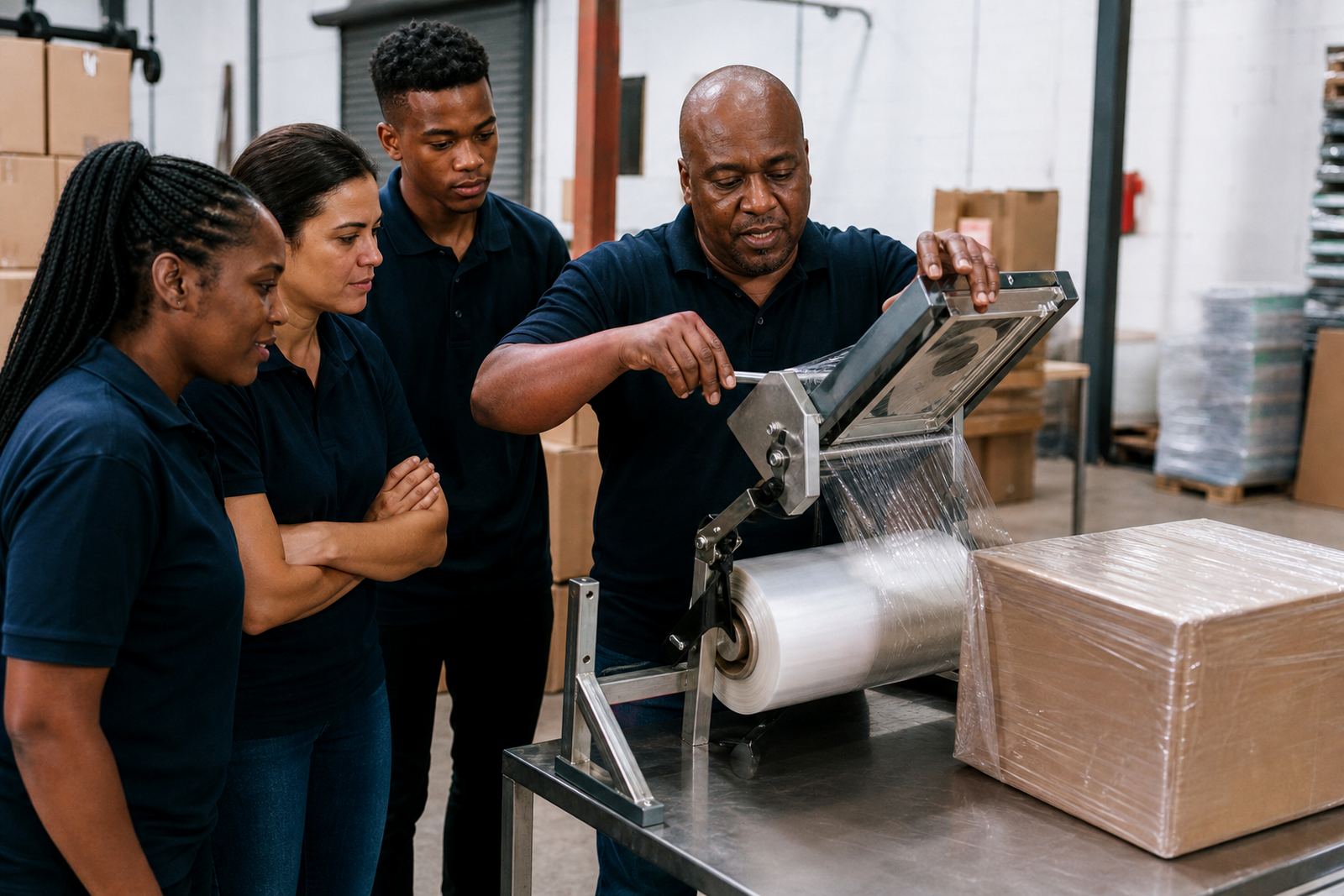
The training is hands-on and suited to the floor environment. Operators get to practise with the actual dispenser or cutter in use at the site, so they are not learning on a generic unit and then having to guess on the line. We also explain where film waste usually starts, which often comes down to small habits that are easy to fix once pointed out.
- Roll loading and centring
- Film tension control during unwinding
- Cutting technique for neat, repeatable edges
- Blade safety and correct storage when not in use
- Identifying wear, slack parts and damaged guides
How the training is carried out on site
We start with a brief site assessment so the trainer can see the line speed, the type of film in use and the skill level of the operators. That lets us tailor the session to your environment instead of giving every team the same lesson. A small depot in Polokwane will not need the same pace or example set as a high-volume packing line in Germiston.
After the assessment, we move into demonstration, supervised practice and a short final check to make sure each operator can repeat the correct method without help. Where needed, we include supervisors so they can keep the standard in place after the visit. If there are recurring problems such as blade wear or sticky rollers, those are flagged for follow up repairs or spares.
- Pre-training walk through of the line and work area
- Live demonstration on your own equipment
- Supervised practice for each operator
- Quick review of common errors and corrective steps
- Hand-over notes for supervisors and line leaders
Turnaround times and booking for busy packing schedules
Most operator training bookings are arranged to fit around production, shift handovers or planned maintenance windows. For sites in Gauteng we can usually slot in visits quickly, while coastal and outlying sites may need a little more lead time depending on route planning and the number of operators to be trained. We keep the process practical, so your line is not tied up longer than needed.
Typical sessions can be completed in a few hours for a small team, while larger roll-outs may take longer if there are different shifts or multiple lines. If a site has repeated breakdowns or waste issues, we may recommend pairing the training with a line assessment or preventive servicing visit. That often saves time later because the operator habits and the equipment condition are checked together, not separately.
- Short refresher sessions for 1 to 5 operators
- Half-day visits for one line or one shift group
- Longer sessions for multiple teams or staggered shifts
- Option to combine training with servicing or repair work
Pricing approach and what affects the cost
Pricing is quoted according to site location, number of operators, number of lines and whether training is combined with assessments, servicing or blade replacement. A one-line site in Boksburg will cost differently from a multi-shift operation in Durban or Cape Town, mainly because of the time on site and the travel involved. We keep the pricing structure clear so there are no surprises.
Where possible, we bundle training with preventive servicing or spares supply so the site gets better value from a single visit. If your operation runs on tight margins, that matters. Less waste, fewer damaged rolls and fewer stoppages can make a real difference over a month, especially on a high-throughput packing line that runs most days.
- Quoted by site, line count and training scope
- Travel and after-hours work may affect the rate
- Combined service visits can lower the overall cost
- Training notes and follow-up checks can be added where needed
Keeping standards in place after the first session
Good training only lasts if the site keeps checking the basics. We usually recommend a refresher interval based on turnover and line intensity. For busy facilities, a quarterly check is often enough to catch bad habits before they spread. For lighter-use sites, a six-month review may work well, especially if there are not many new operators coming through.
Maintenance intervals for cutters and dispensers also affect operator performance. Blades should be checked regularly, and worn parts should be replaced before they affect cut quality or create unsafe handling. In humid coastal areas like Durban and Cape Town, corrosion and film stickiness can show up faster, so the inspection rhythm may need to be tighter. On inland sites, dust and heat can still cause trouble if equipment is left unchecked.
- Quarterly refresher checks for high-volume sites
- Six-month reviews for lower-volume lines
- Blade condition checks as part of normal shift routines
- Earlier servicing where humidity, dust or heavy use causes wear
Key facts
| Training format | On-site, hands-on instruction at the packing line |
|---|---|
| Typical group size | 1 to 12 operators per session, depending on line setup |
| Session length | 2 to 4 hours for most single-line refresher visits |
| Coverage area | Germiston, Johannesburg, Pretoria, Durban, Cape Town, Polokwane and surrounding areas |
| Equipment covered | Shrink film cutters, stretch film cutters, dispensers and related accessories |
| Maintenance advice | Blade checks, cleaning intervals and refresher training every 3 to 6 months |