What preventive servicing covers on a packing line
Preventive servicing is planned maintenance carried out before a cutter or dispenser starts causing poor film control, uneven cuts, or line delays. On a busy packing line, small issues build up quickly. A loose blade carrier, worn guides, sticky tension parts or a damaged mount can slow the whole operation and increase film waste.
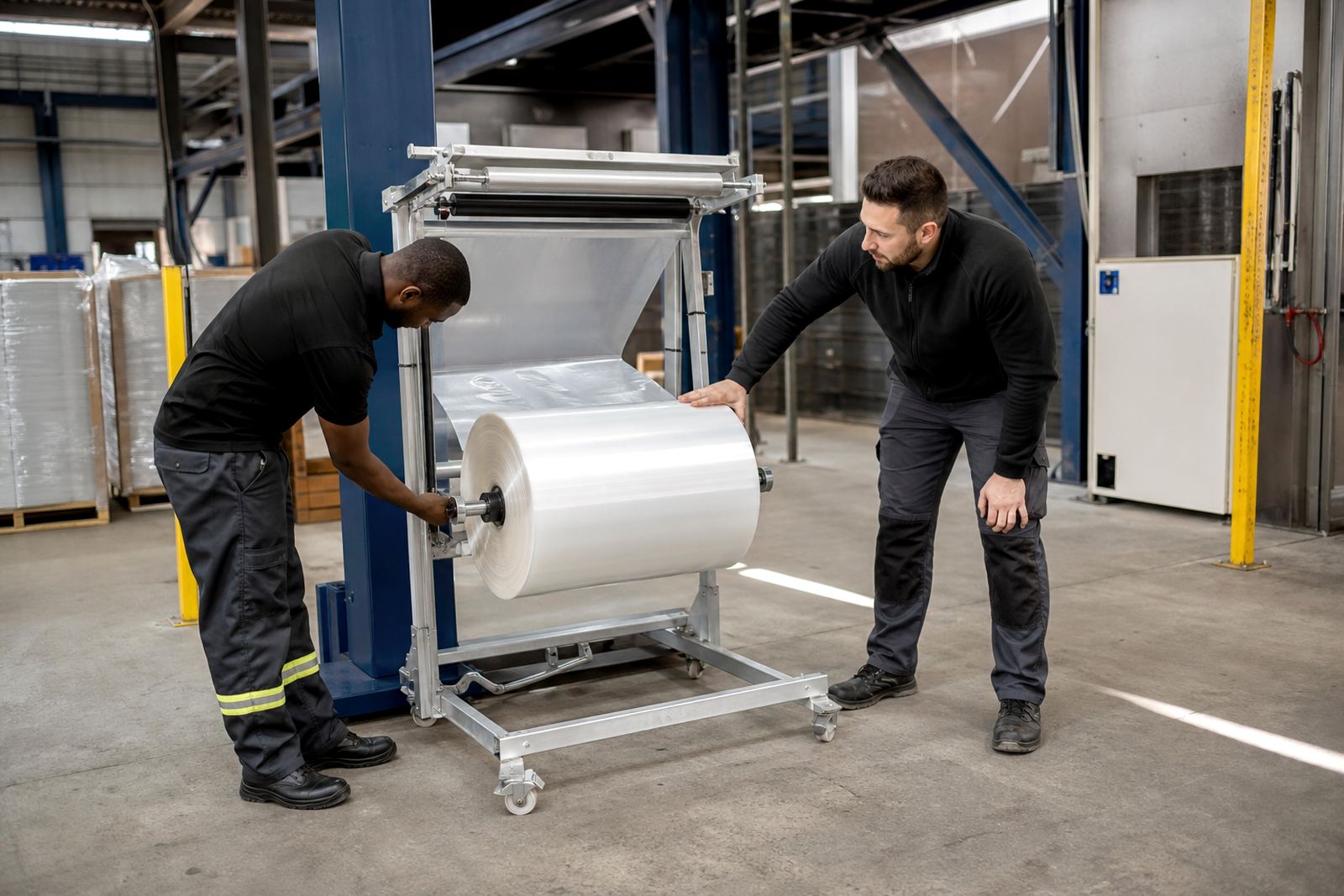
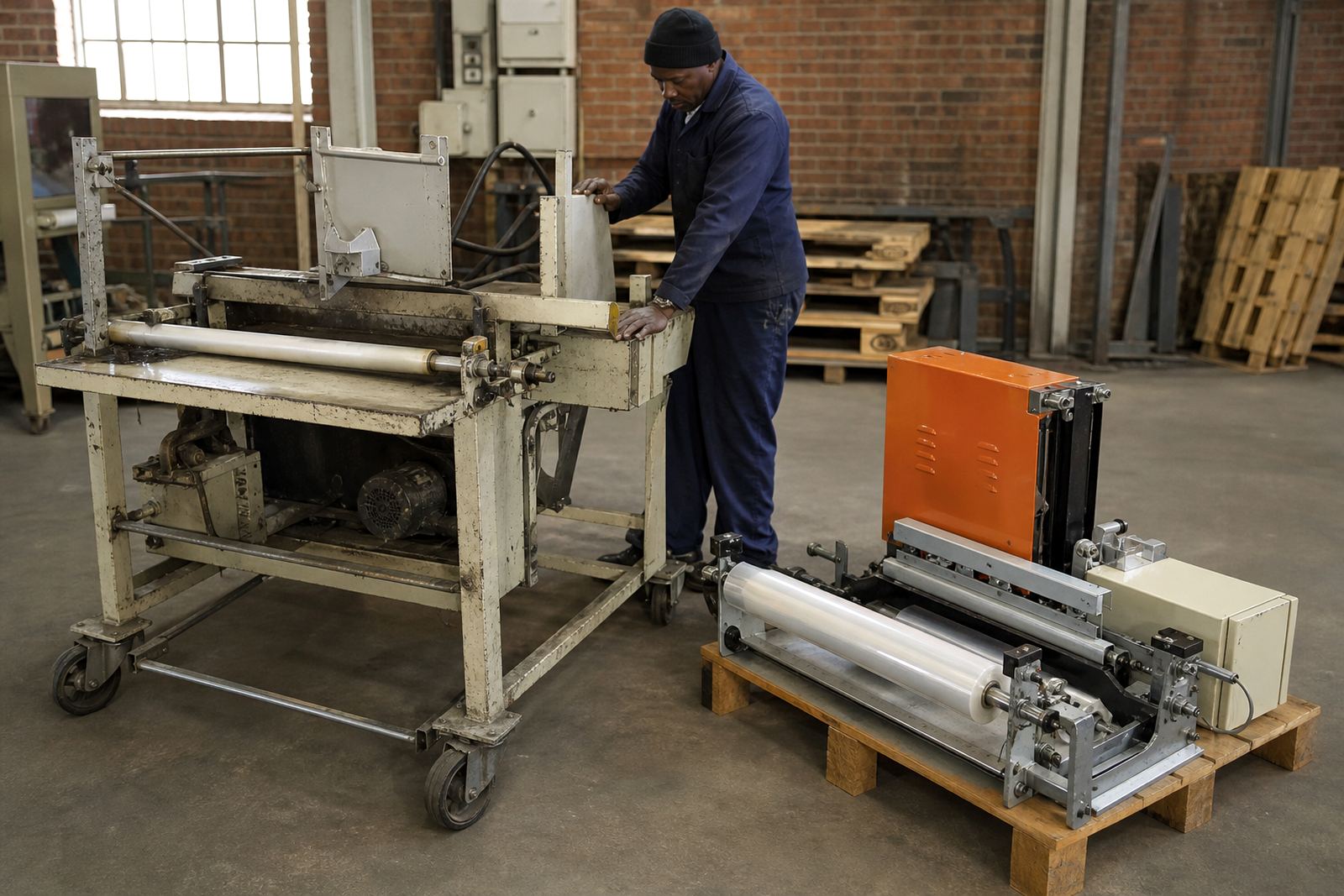
Our servicing is done for shrink film cutters and stretch film cutters and dispensers used on manual, semi-automatic and high-output lines. We check the full unit, not just the blade. That includes the frame, moving parts, fixings, handle action, tensioning points, safety condition and how the unit performs under normal operating speed. For sites in humid coastal areas like Durban or dusty industrial zones around Germiston and Boksburg, condition checks are especially important because grime and moisture can shorten component life.
Where needed, we also flag issues that may be caused by the packing setup itself, such as incorrect roll fitment, poor operator handling, or the cutter being mounted at an awkward height. Preventive servicing is not just about keeping equipment clean, it is about keeping the line practical and safe to run day after day.
Typical servicing tasks and parts we inspect
Each visit is planned around the model in use and the load on the line. We work through the item methodically so the service record shows what was checked, adjusted or replaced. For facilities running long shifts, this helps maintenance teams plan around production and avoid surprise stoppages.
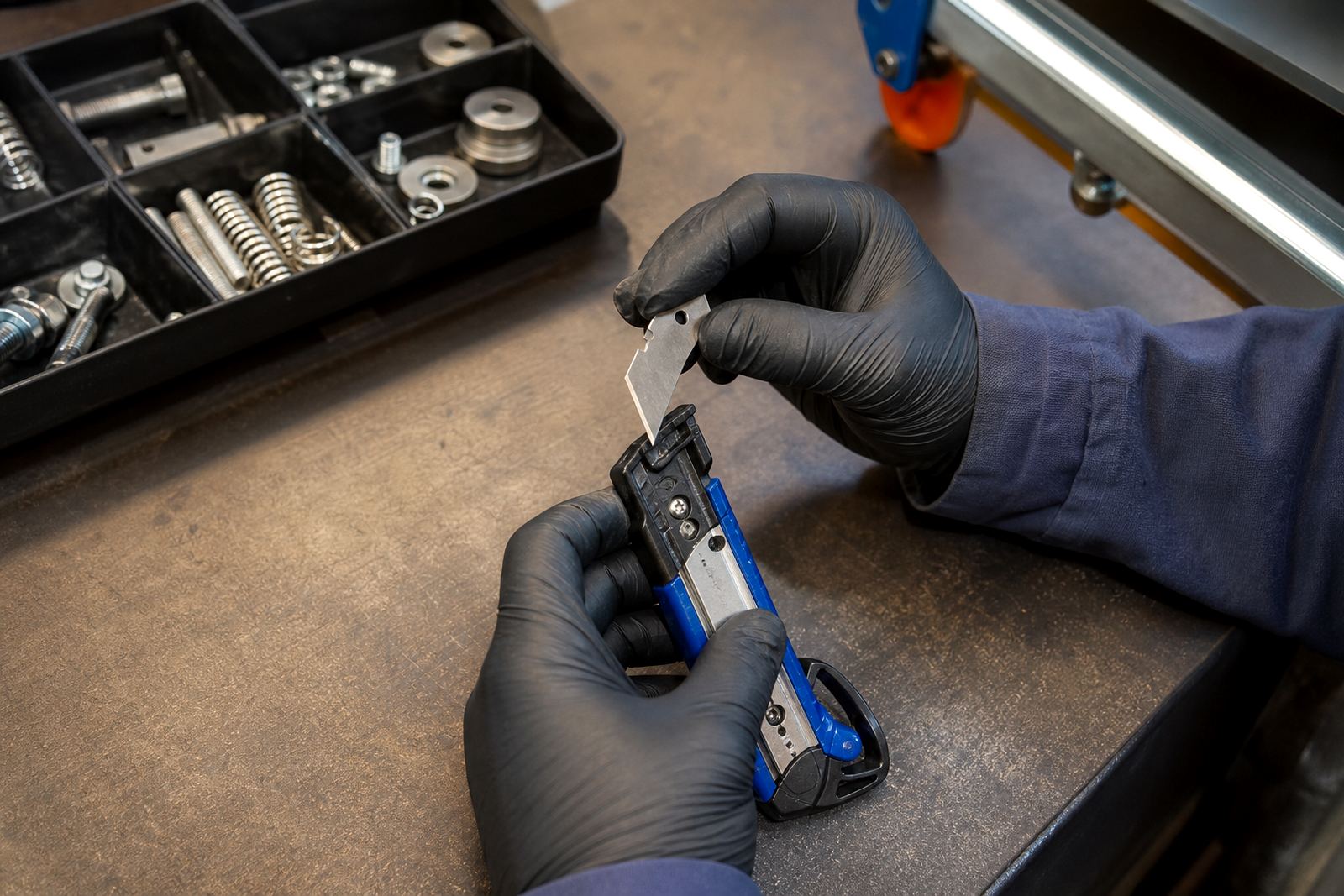
- Blade condition check and blade edge assessment
- Inspection of guides, rollers, clamps and tension points
- Fastener tightening and alignment checks
- Cleaning of film path contact areas and moving points
- Safety check on exposed edges, pinch points and mounting stability
- Test of roll movement, release action and cut consistency
- Wear checks on housings, handles, brackets and support parts
- Recommendation of spares or upgrades where parts are nearing end of life
If a part is still serviceable, we will not replace it for the sake of it. If it is worn enough to affect consistency, we will recommend replacement before it becomes a line problem. That approach keeps costs practical and avoids waste.
How we carry out a preventive service visit
A service visit starts with a short site assessment. We look at the line layout, where the cutter is fitted, how often the unit is used, and whether there are repeated complaints from operators or supervisors. In larger plants, we may service more than one unit in a single visit so the team can standardise the checks across the site.
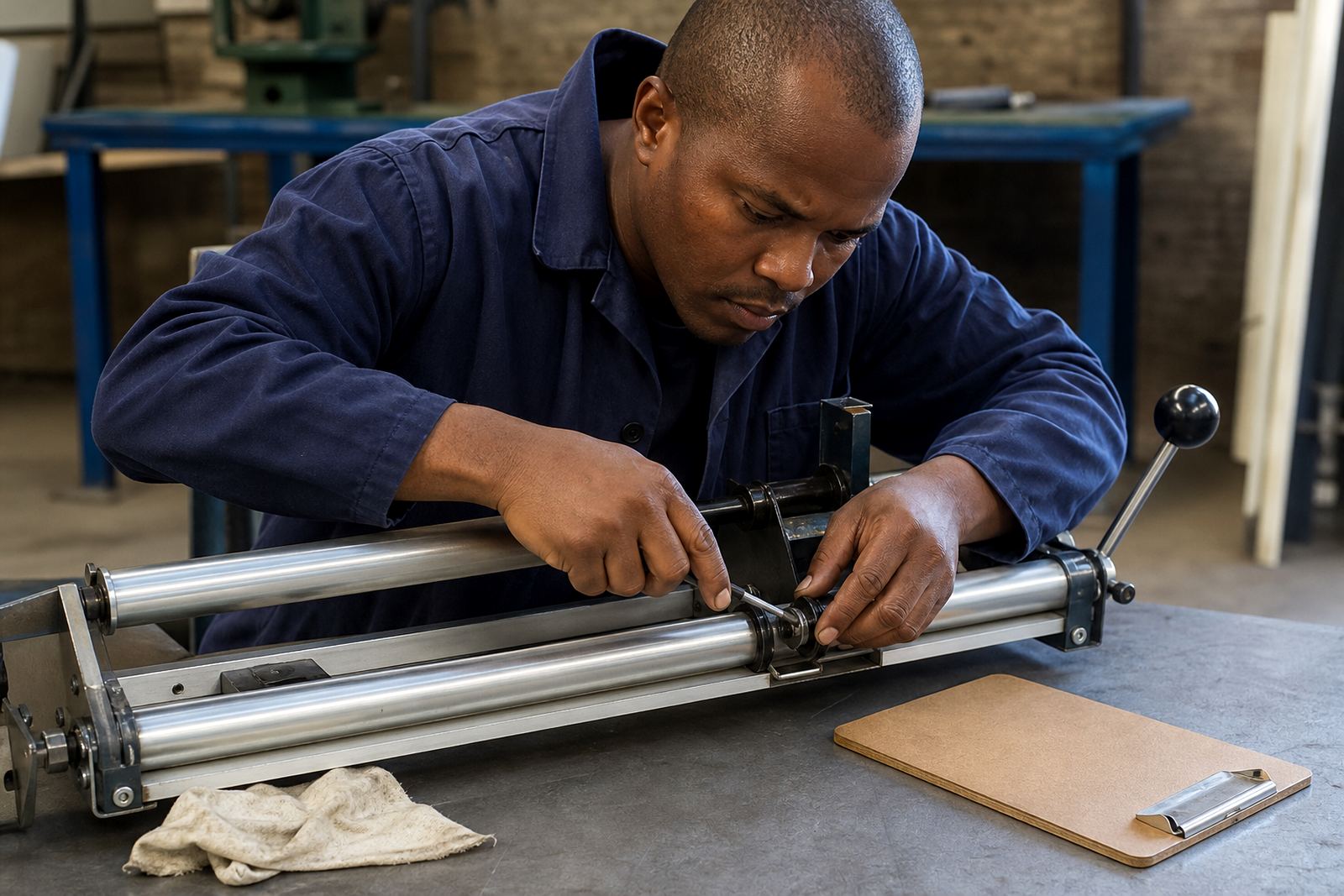
Once the equipment is isolated and safe to work on, our technician removes surface dirt, inspects the working parts and checks for wear or damage. If the unit needs adjustment, we make it there and then where possible. If blade replacement, dispenser repairs or mount corrections are required, those are handled on site when the spares are available. If not, we log the issue clearly so your maintenance team knows exactly what is needed.
- Site arrival and line review
- Isolation of equipment and safety check
- Inspection, cleaning and adjustment
- Functional test with operator input
- Service report with findings and next steps
For plants with shift work or load-shedding windows, we can schedule maintenance during planned downtime. That makes it easier to avoid disruption and keeps the service practical for production managers.
Turnaround times and service intervals
Turnaround depends on how many units need attention, the condition of the equipment, and whether spares are needed. A single unit with light servicing may be completed during one visit. A fuller maintenance round for several dispensers on a packing line can take longer, especially if we are dealing with worn parts or repeated fault patterns. In most cases, we aim to keep the interruption as short as possible while still doing a proper check.
As a guide, high-use sites may need preventive servicing every 3 to 6 months. Medium-use operations often work well on a 6 to 12 month interval. Sites with harsh conditions, frequent roll changes or operators new to the equipment may need more frequent checks. Coastal humidity, fine dust and heavy production all affect how quickly parts wear, so the right interval is best set after a proper site assessment.
We also recommend a quick in-house visual check between services. That does not replace a proper visit, but it helps spot early signs of wear, such as a rough action, poor cut finish or damaged fixings. Small issues caught early are usually far cheaper to sort out.
Pricing approach and what affects the quote
Our pricing is based on the number of units, site location, the level of servicing needed, and whether replacement blades or other spares are required. We quote clearly so you know what is included before work starts. If the job is routine, the cost is usually straightforward. If there are repairs or extra parts needed, we separate those from the basic service.
What affects the final price:
- Number of cutters or dispensers on site
- Distance to the site, including outlying areas around South Africa
- Condition of the equipment and level of wear
- Need for spare parts, blade replacement or repairs
- Urgent callouts outside normal planning
- Training or safety re-checks requested during the visit
For busy operations in Johannesburg, Pretoria, Durban, Cape Town, Polokwane, Midrand or Boksburg, we can often group servicing by site or by line to keep costs sensible. If a client needs a once-off service before a peak production period, we can price that as a stand-alone visit.
Why regular servicing saves time on the line
Preventive servicing protects production time. A cutter that is serviced regularly is less likely to drag film, snag rolls or leave ragged edges that force operators to stop and rework packs. It also helps reduce blade strain and limit unplanned changeouts. Over time, that means cleaner cuts, steadier output and fewer interruptions for the team.
It also supports safer operation. Worn parts can create unnecessary handling risks, especially where operators are changing rolls quickly or working around tight line spaces. A proper service makes sure the equipment still fits the way the line is run. For supervisors, that means less firefighting and better control over maintenance planning.
We work with businesses that need practical support, not just a one-off fix. Whether your site is in Germiston, Johannesburg, Pretoria, Durban, Cape Town or Polokwane, we keep the focus on function, reliability and keeping the packing line moving. Our team includes service, technical and field support staff, so the job can be assessed, scheduled and handled properly from start to finish.
Key facts
| Service scope | Shrink film and stretch film cutters and dispensers |
|---|---|
| Typical interval | 3 to 12 months, based on line use and conditions |
| Site coverage | Germiston, Johannesburg, Pretoria, Durban, Cape Town, Polokwane, Boksburg and Midrand |
| Visit type | Onsite preventive servicing with functional testing |
| Parts support | Blade replacement, spares supply and dispenser repairs |
| Application fit | Manual, semi-automatic and high-output packing lines |