What the guarded blade cutter does on a packing line
This cutter is used to trim shrink film and stretch film on packing stations where speed and control matter. The guarded blade area helps reduce accidental contact during routine use, while still giving a neat cut that keeps film edges tidy and easier to work with. In busy plants around Germiston, Boksburg, Midrand and Johannesburg, that extra protection is useful when several operators share the same line.
The unit is fitted for day to day packaging work, not light hobby use. It is built for repeated operation on cartons, trays, bundles and pallet film applications where the film must be cut without dragging, tearing or bunching. For plants running early shifts or after load-shedding the simple mechanical action also helps because there is no need for electrical supply at the cutting point.
Blade protection and cutting performance
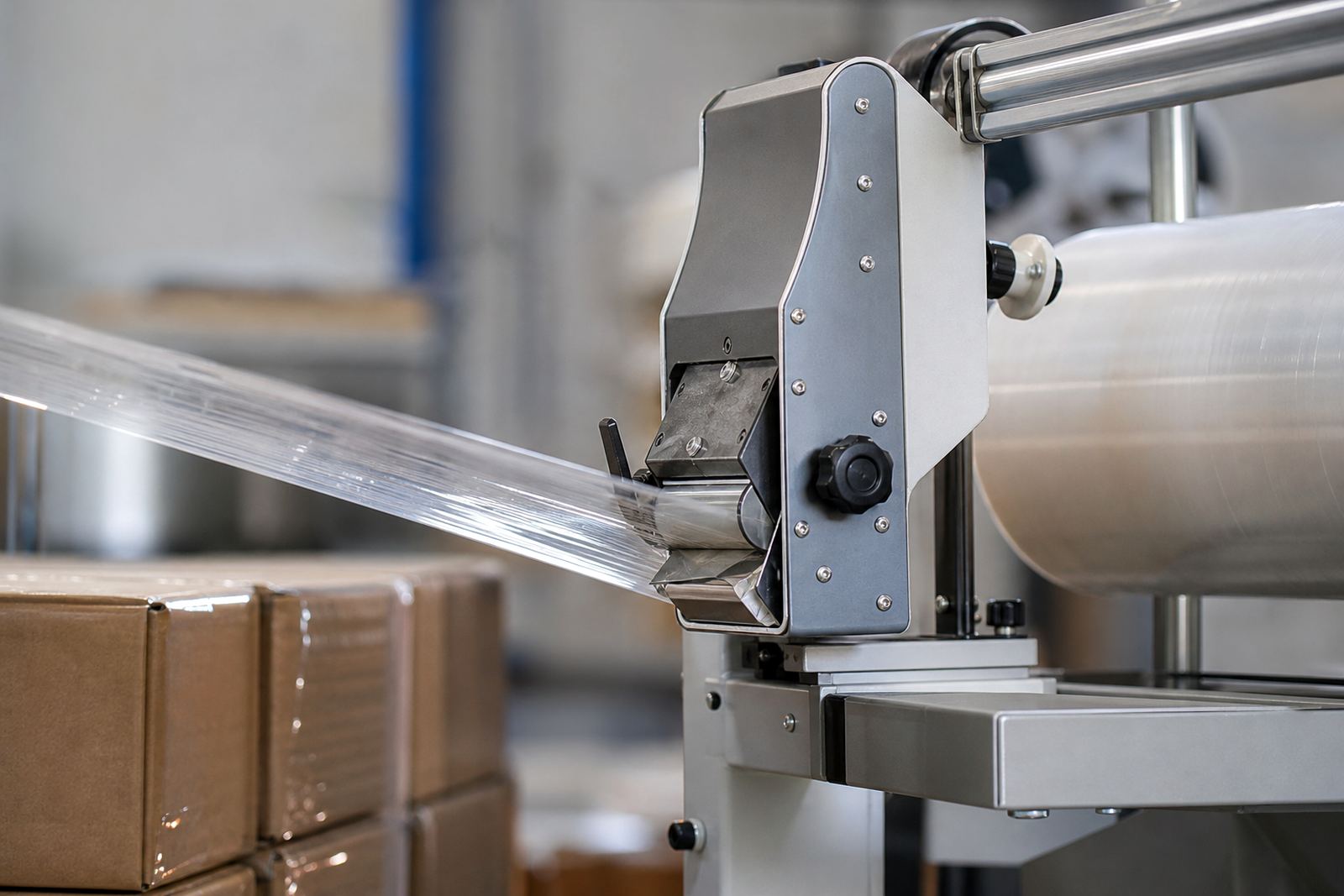
The guarded design surrounds the blade area with a protective housing that helps keep fingers away from the edge during use and routine positioning. It is especially useful where operators work fast or where training levels vary between shifts. The cutter still gives a precise cut line and is suitable for both standard film and thicker grades used on heavier loads.
- Protected blade zone for safer day to day handling
- Clean cut action for shrink and stretch film
- Suitable for repeated line-side use
- Helps reduce film snags and uneven edges
- Useful in shared packing bays with multiple operators
On lines where film is changed often, the guarded cutter can save time at the wrap point and reduce waste from ragged cuts. That makes it a practical choice for food packing, general manufacturing, warehousing and distribution operations across Pretoria, Durban, Cape Town and Polokwane.
Sizes, options and line fitment
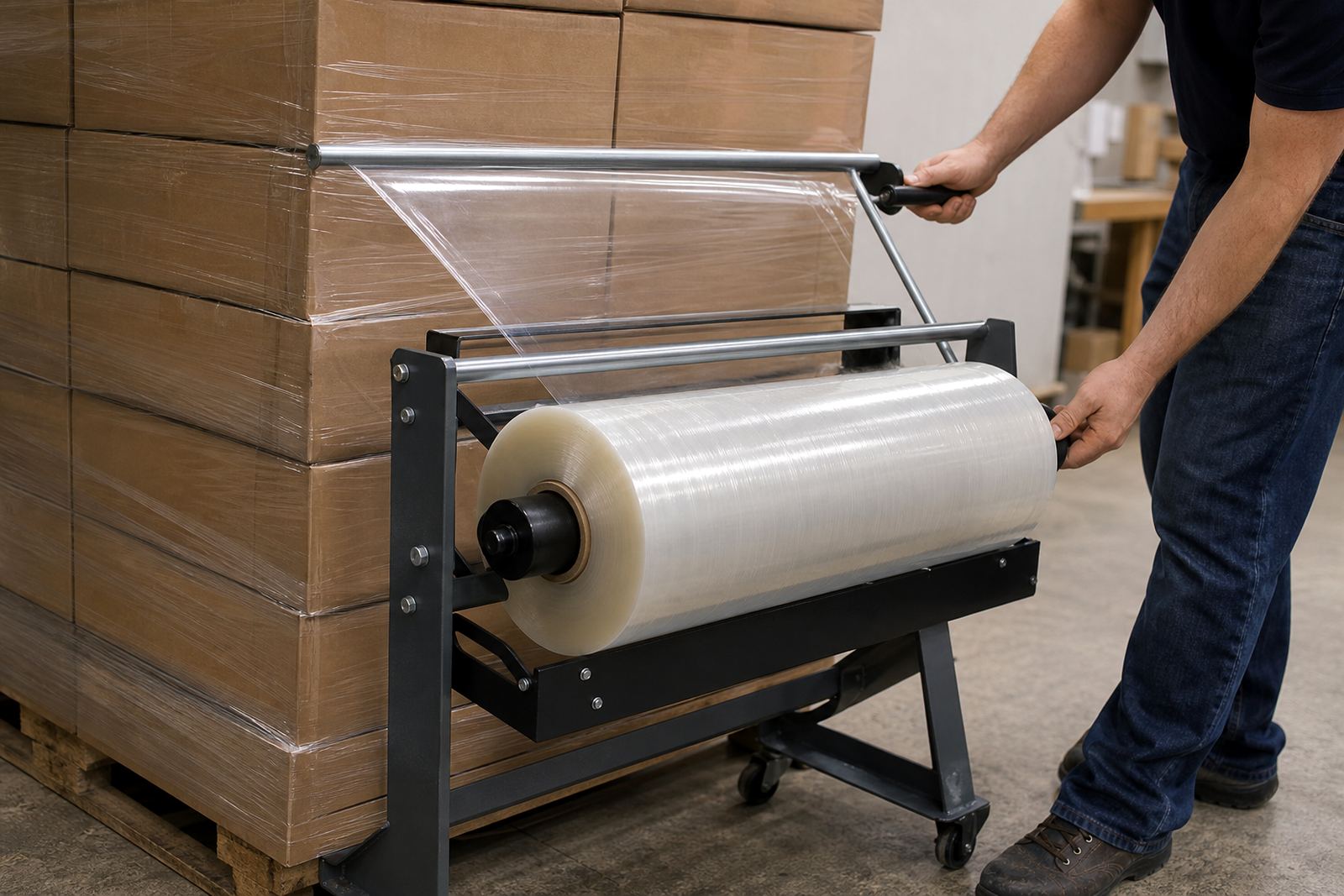
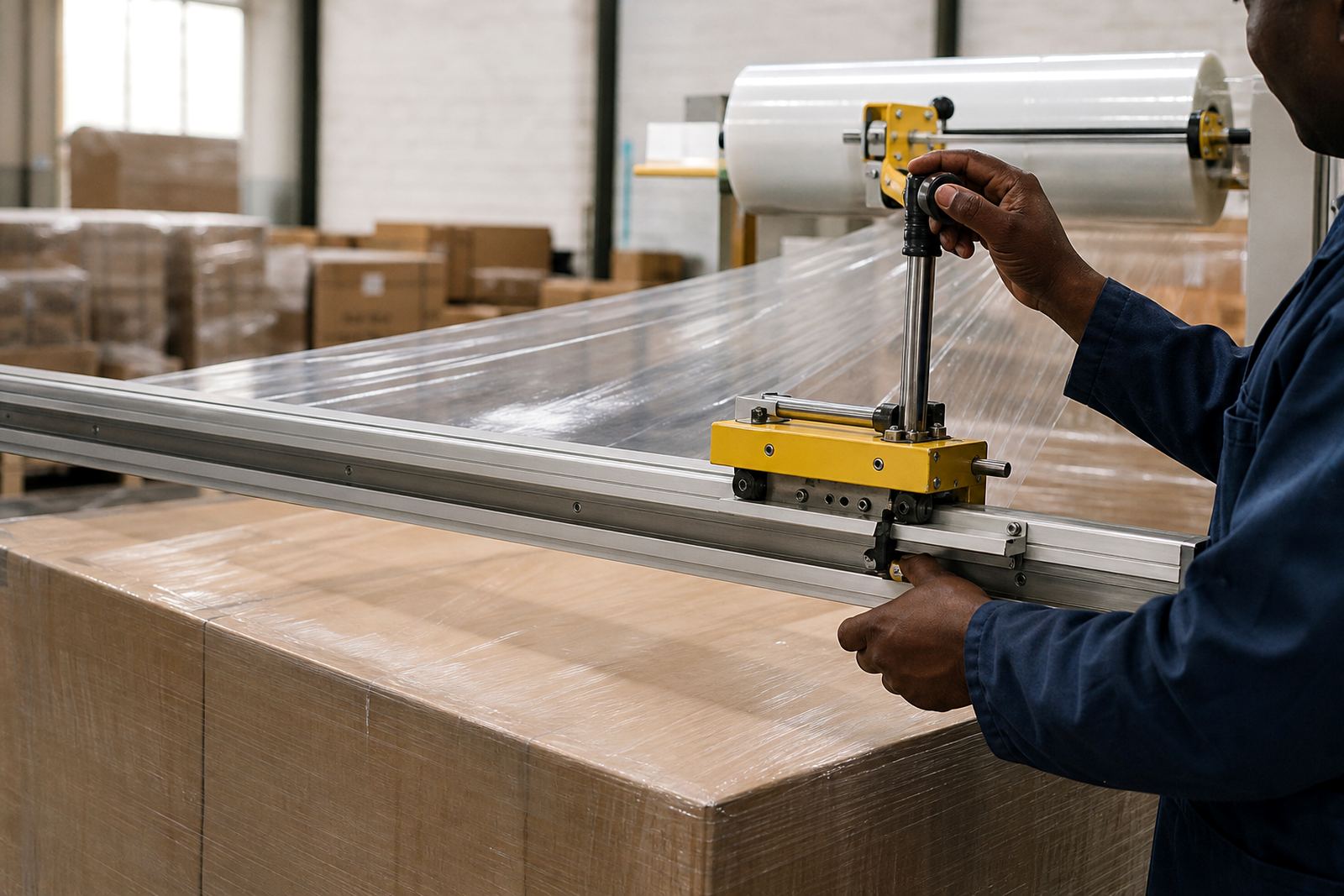
Guarded blade cutters are supplied in configurations to suit different film widths, holding styles and packing line layouts. The right option depends on your roll width, how the film is presented to the operator, and whether the cutter is used at a fixed station or moved between bays. Some sites need a lighter handheld style, while others need a mounted unit that stays in one position beside the wrapping point.
- Film width support matched to the roll size in use
- Handheld or line-mounted arrangements, depending on the pack area
- Options for shrink film and stretch film handling
- Different blade styles for fine film or heavier gauge film
- Left or right hand use depending on operator flow
Before ordering, it helps to measure the film width in millimetres, the roll diameter, and the space available around the packing bench or pallet station. On tight production floors, a compact cutter can make a big difference to movement and safety. If your team works in a cold room, near dock doors, or in humid coastal conditions, ask for a setup that suits the site conditions and cleaning routine.
Where this cutter suits best
This product suits packing lines that need a dependable cut point without extra electrical controls or complicated setup. It is commonly used where operators wrap cartons, trays, bundles and pallets, or where film must be opened and trimmed cleanly before sealing or pallet release. It works well in light manufacturing, wholesale distribution, cold storage, courier hubs and contract packing operations.
Facilities in Johannesburg and Germiston often need cutters that can keep up with regular shift work and mixed product sizes. In Durban and Cape Town, the guarded blade housing is useful where humidity or sea air can affect handling comfort and where operators may be wearing gloves. In Polokwane, the same product is often chosen for durability and ease of use in busy stores and dispatch areas.
If your packing area has municipal safety checks, visitor traffic, or multiple operators working close together, the guarded design adds a sensible layer of control. It is also suitable for sites where machines are cleaned regularly and tools need to be stored tidily between runs.
Installation, setup and power requirements
Most guarded blade cutters are straightforward to install and do not need power or gas at the cutting point. That makes them useful in plants that experience load-shedding, or sites where a simple manual tool is preferred for reliability. Installation normally involves checking the line position, the operator reach, the film feed direction and the best fixing method for the work area.
Film Cutters can assist with onsite installation, line setup and site assessments so the cutter is fitted where it is easiest to use and least likely to cause strain. We also help with roll change support and operator training, which is important when several staff members share the same packing line. A good setup should allow the blade to be used comfortably without awkward arm movement or unnecessary reaching.
- No power supply needed at the cutting point
- No gas connection required
- Suitable for fixed lines and manual packing stations
- Can be set up alongside existing wrapping equipment
Care, servicing and spare parts support
Like any cutter used daily, this unit works best when it is checked regularly and kept free of film build-up. Blade condition should be inspected as part of normal preventive servicing, especially on high-volume lines where the film can dull the edge over time. If the cutter is used in dusty or humid areas, cleaning intervals may need to be shorter.
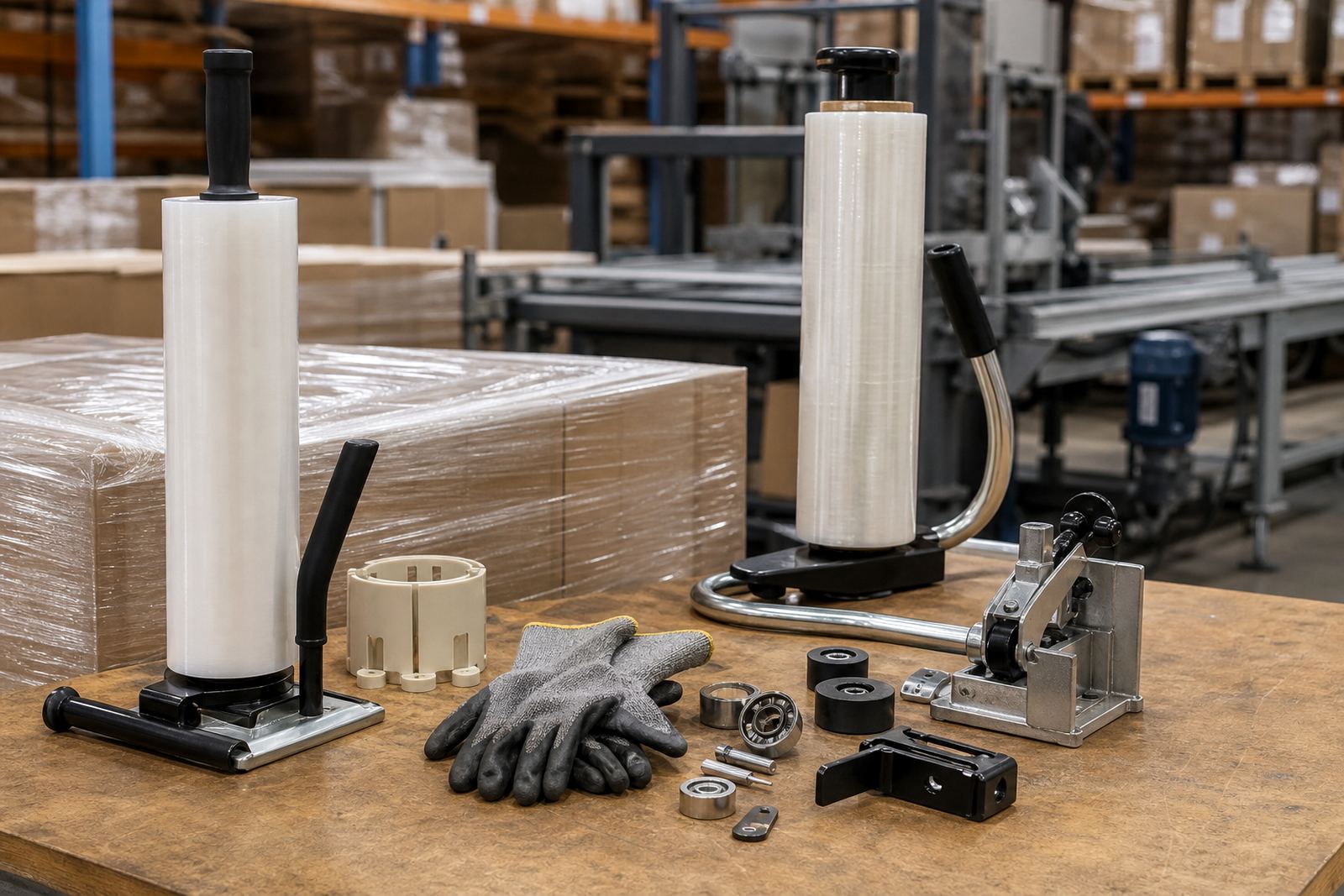
Our service support includes preventive servicing, blade replacement, dispenser repairs, spares supply, breakdown callouts and equipment upgrades. We also provide safety checks and operator training so the cutter remains practical to use and safe for the team. If a blade starts dragging, leaving rough edges or needing extra force, it is usually time for inspection. A small delay now can prevent bigger problems later, and that saves film too.
For sites with more than one packing bay, it often helps to keep a spare blade set and basic wearing parts on hand. That way, production can carry on while servicing is scheduled around your dispatch times.
What to check before you order
To make sure the guarded blade cutter suits your line, check the film type, the roll size, the operator position and how often the cutter will be used. It also helps to note whether the job involves shrink film, stretch film or both, because the best blade setup can differ. If the line uses several roll widths, tell us the full range so the right option can be matched to the busiest workflow.
- Film type and thickness
- Roll width and roll diameter
- Handheld or mounted use
- Left or right hand operation
- Space available at the packing point
- Cleaning routine and service interval
When you send an enquiry through our contact page, our Germiston team can help confirm the right cutter for your site and arrange support in Johannesburg, Pretoria, Durban, Cape Town, Polokwane, Boksburg or Midrand. If your packing line has a special layout, send photos or measurements with the enquiry so we can check fitment before delivery.
Key facts
| Product type | Guarded blade cutter for shrink film and stretch film |
|---|---|
| Blade protection | Enclosed guard around the cutting area for safer handling |
| Power requirement | None at the cutting point |
| Typical use | Packing lines, pallet wrap stations, dispatch areas and contract packing |
| Fitment options | Handheld or mounted depending on line layout |
| Support | Installation, training, servicing, blade replacement and spares supply |