Beverage packs need control at every wrap point
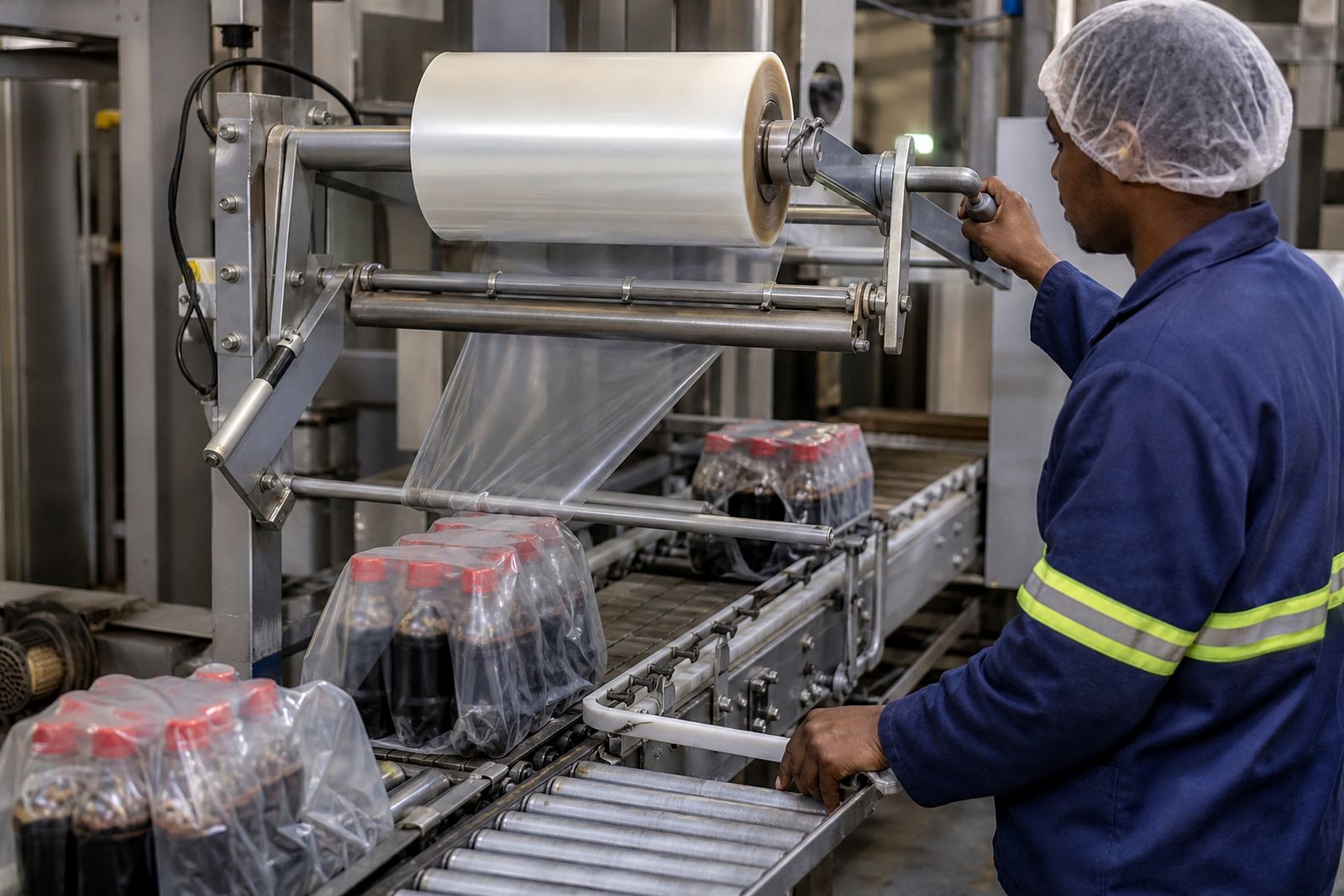
On beverage packing lines, the film is only doing its job if it goes on straight, stays tight and does not slow the team down. That matters whether you are wrapping shrink film around multi-packs of bottles in Germiston, handling can bundles in Johannesburg, or moving mixed beverage cartons out to Pretoria, Durban, Cape Town and Polokwane. A cutter or dispenser that slips, snags or leaves uneven edges can create waste, rework and damaged packs.
We work with packing areas where speed changes through the day, from small runs to full shift production. In those conditions the operator needs equipment that is easy to grip, simple to load and safe to use around moving conveyors, pallet wrap zones and heat tunnels. For beverage products, neat film edges also help with shelf presentation and reduce the chance of loose tails catching during transport.
Typical equipment for beverage packing lines
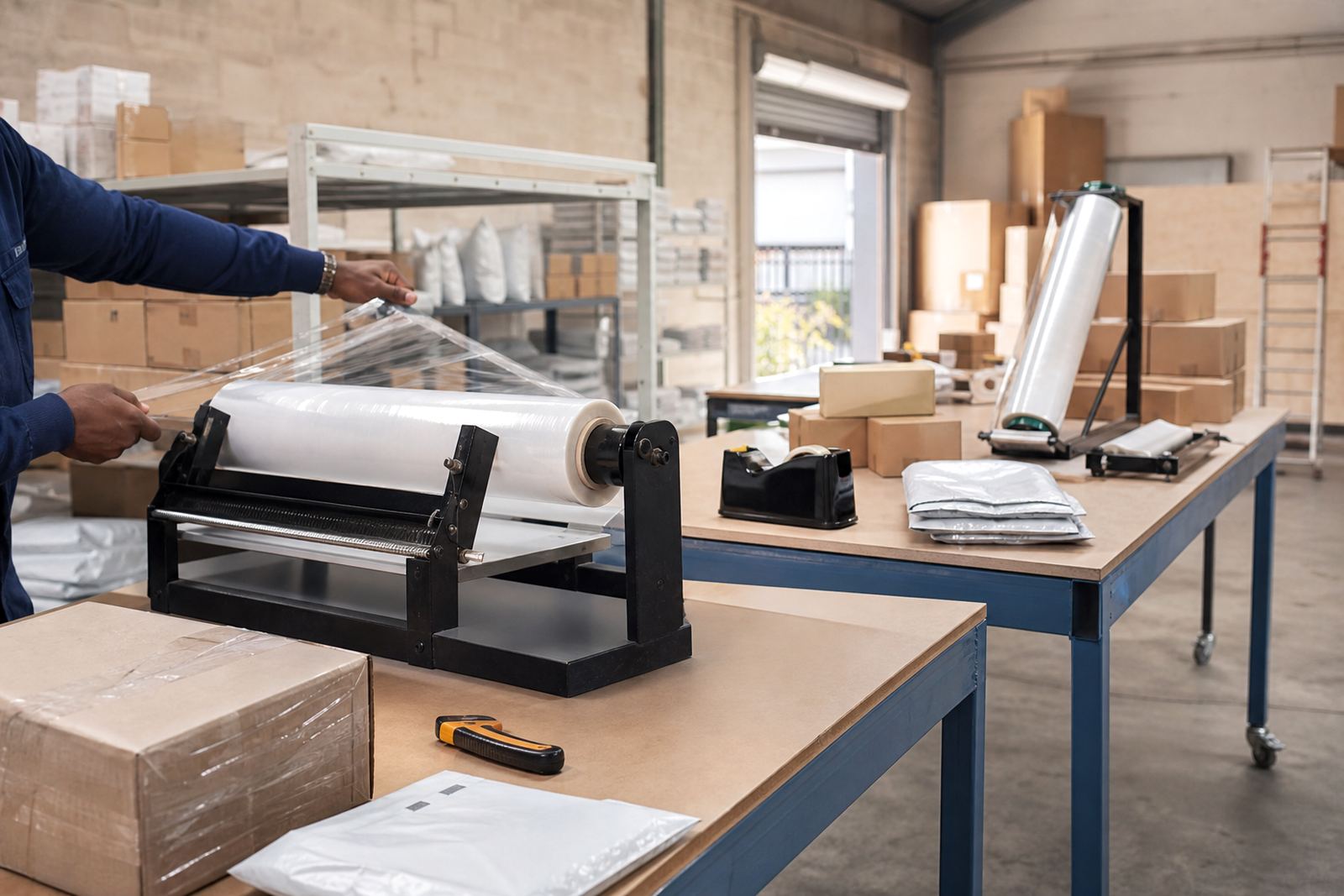
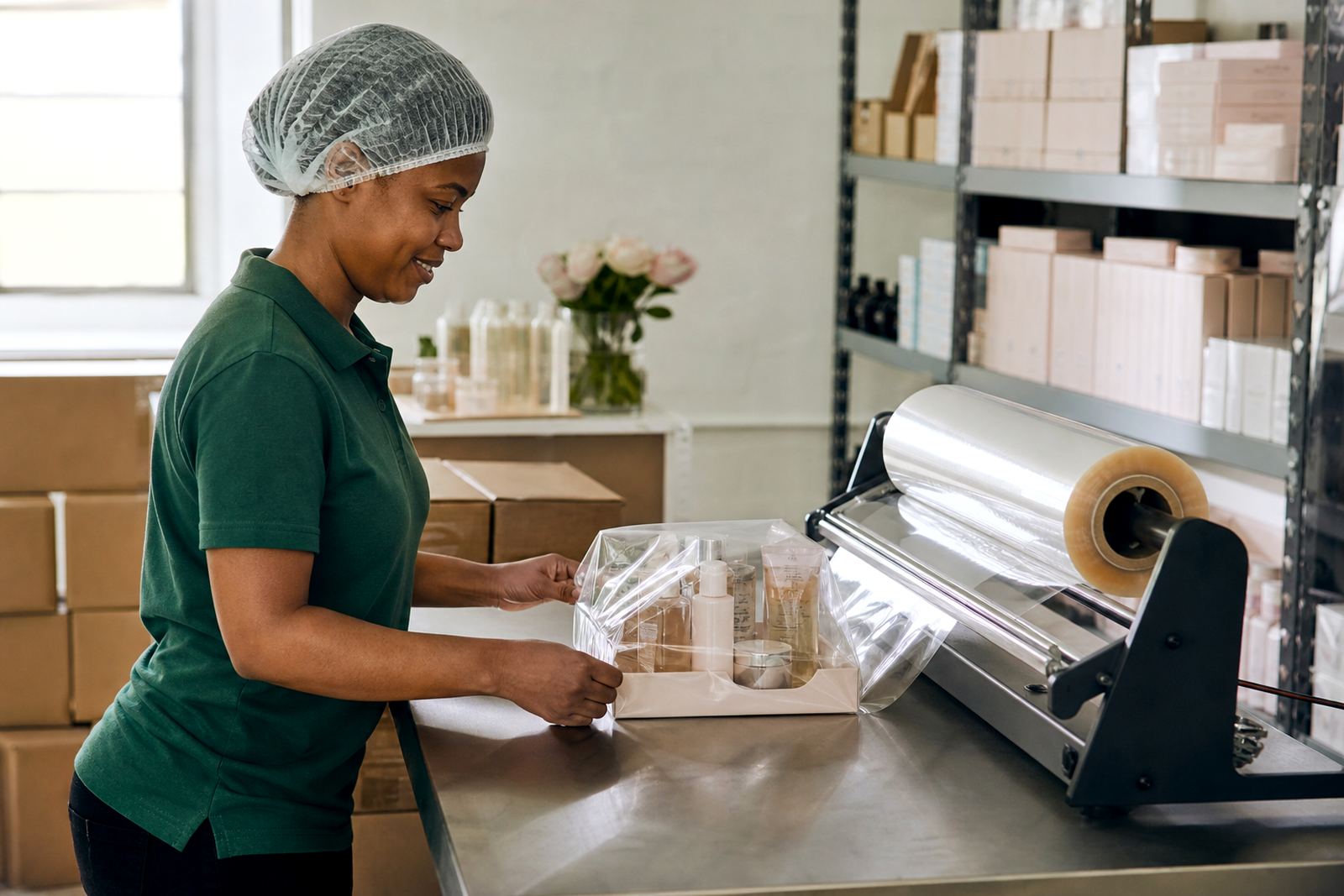
The right setup depends on whether you are wrapping hand-applied packs, semi-automatic stations or line-side distribution packs. Most beverage operations use a mix of cutters and dispensers suited to the film type and pack format. We see regular use on stretch film stations for palletised beverage loads, and on shrink film stations for grouped retail packs, tray bundles and transport units.
- Handheld shrink film cutters for grouped bottle packs and retail bundles
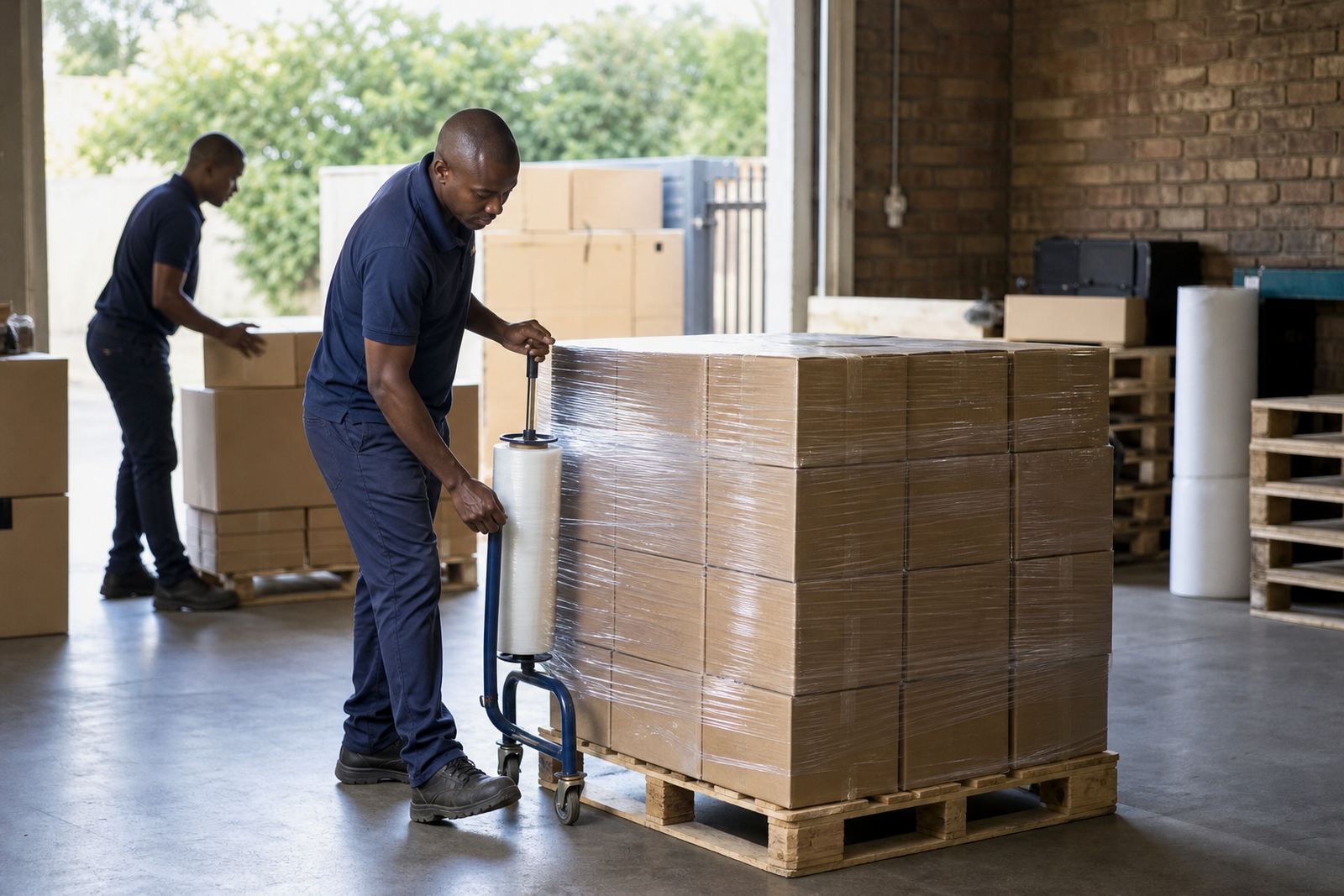
- Stretch film dispensers for pallet wrapping at dispatch points
- Film cutters for line-side preparation before heat shrink or manual wrapping
- Replacement blades and spares for high-use packing shifts
- Training for operators who rotate between morning and night shifts
In wet or humid areas, especially near cold rooms or coastal depots in Durban and Cape Town, the film itself can feel different through the day. A dispenser with a clean feed path and a cutter that keeps tension steady helps operators work with less strain and fewer stops.
How to plan the line around people and product
Good planning starts with the pack size, the film gauge and the actual path the operator walks. A beverage line often has short bursts of high output followed by slower periods for changeovers, cleaning or load-shedding recovery. The equipment should fit into that rhythm without forcing the team to bend too far, twist their wrists or reach across unsafe gaps.
We usually advise clients to map the line from film loading to final pack release. That includes the stand height, blade position, storage for spare rolls and where finished packs move next. If the pack is going to a shrink tunnel, the cutter should not create loose edges that can shift in the tunnel. If the pack is palletised, the dispenser must allow steady wrap tension so the load stays stable during forklift movement and long-distance transport.
- Place cutters where the operator can see the cut line clearly
- Keep spare rolls close but away from splash zones and foot traffic
- Allow enough space for cleaning, inspections and blade changes
- Check that the handle height suits the main operator group, not just one person
- Plan for power interruptions and restart procedures after load-shedding
Common mistakes on beverage lines
One common mistake is choosing a cutter only on price and ignoring how often it will be used. On a busy beverage packing line, cheap tools can wear faster, catch on film edges and create a stop-start routine that costs more by month end. Another issue is fitting the wrong tool to the pack type. Stretch film and shrink film behave differently, so the cutter and dispenser should match the job.
We also see lines where no one is responsible for blade checks. A dull blade can tear film instead of cutting it cleanly, which leads to extra pulls and wasted material. In busy plants around Boksburg and Midrand, that small fault can grow into a daily backlog. Poor storage is another problem, especially where film rolls sit near dust, sunlight or moisture. That can affect handling and lead to complaints from the packing team.
A final mistake is leaving no plan for breakdown support. If a dispenser fails in the middle of a dispatch rush, the whole packing area can slow down. For beverage operations that move product to wholesalers, depots and retail centres, even a short delay can throw off transport timing and loading bay bookings.
Preventive servicing keeps output steadier
Regular servicing is simpler and cheaper than waiting for a failure. For beverage clients, preventive checks usually focus on blade condition, handle wear, feed alignment and fasteners that loosen under daily use. In hot packing rooms or humid coastal warehouses, small parts can shift faster than expected, so servicing should be based on actual line pressure and not only a calendar reminder.
Film Cutters supports onsite installation, line setup, preventive servicing, blade replacement, dispenser repairs, spares supply, operator training, safety checks, site assessments, roll change support, breakdown callouts and equipment upgrades. Thabo Maseko and the team handle work from our Germiston base across Ekurhuleni and further afield. That makes it easier to keep one standard across different sites, even when a client has production in Johannesburg and distribution in Pretoria or Durban.
- Check blade sharpness before peak dispatch periods
- Inspect dispensers after relocation or line changes
- Review operator technique during training refreshers
- Record small faults early so they do not turn into stoppages
Budget ranges for beverage packing equipment
Budget depends on the number of lines, the film type and whether you need a basic hand tool or a wider support plan. For smaller beverage packing stations, a simple cutter or dispenser setup may start from about R1 500 to R4 500 per unit. Heavier duty options for regular industrial use can range from around R4 500 to R12 000, depending on the application and build requirement.
When a site needs installation, operator training, spare blades, callout cover and periodic servicing, many clients plan for a monthly support budget rather than a once-off purchase only. For active beverage packing sites, a sensible service and spares allowance can sit anywhere from R2 000 to R8 000 per month per line, depending on usage and travel distance. Larger operations with multiple points of use may need a higher budget, especially where the line works across several shifts or runs through the week-end.
If you are planning a new beverage pack area or replacing older tools, start with a site assessment. That will show where film is being wasted, where operators are taking extra steps, and which equipment will give the best return over time.