What warehouse dispatch teams need from a cutter
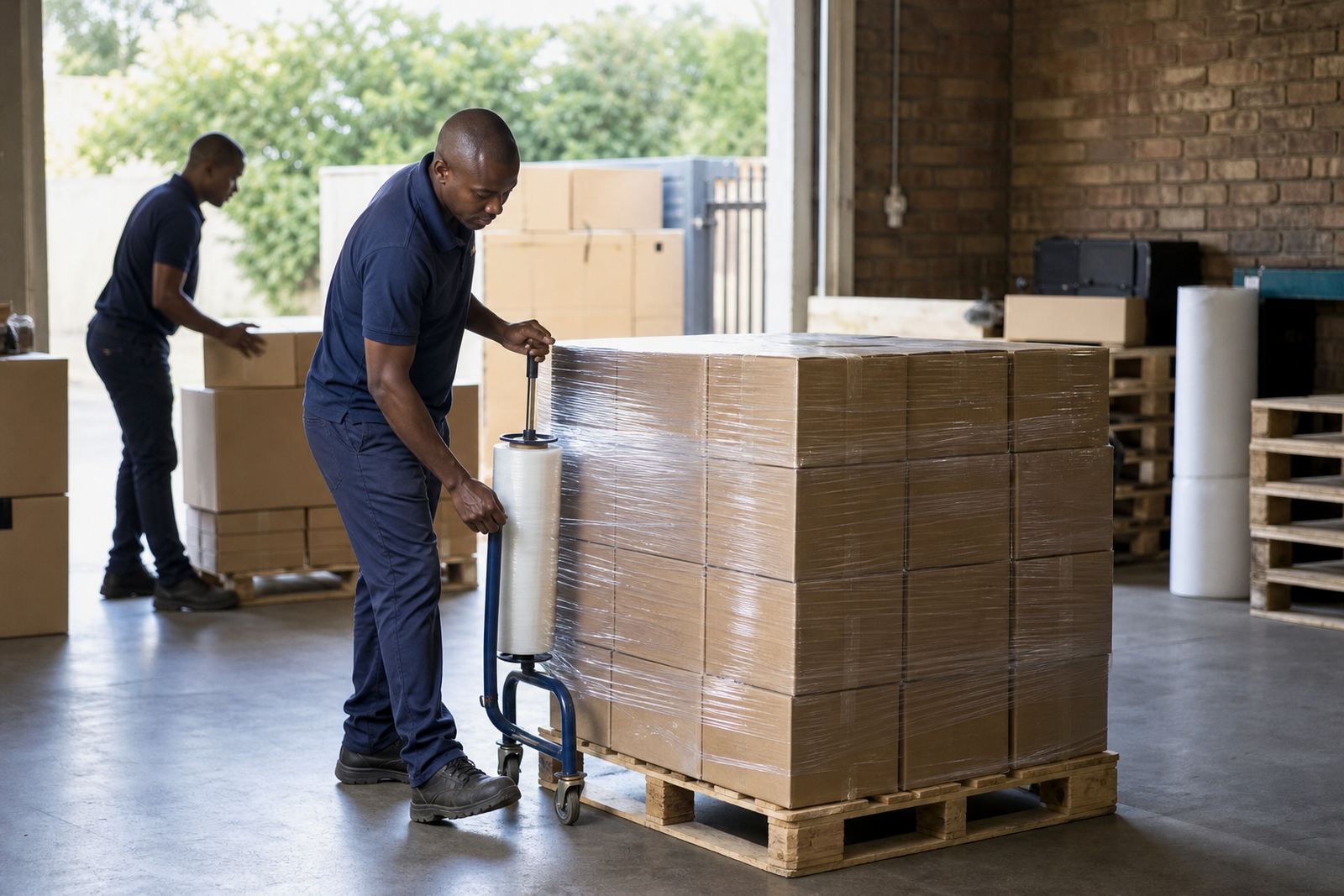
In dispatch areas, the film cutter is part of the last step before goods move into storage or loading. The job is simple on paper: cut film cleanly, keep the roll under control, and let the operator wrap pallet after pallet without wasting time. In practice, the wrong cutter slows the whole line, leaves ragged ends, and causes extra handling when the shift is under pressure.
For distribution centres in Johannesburg, Boksburg, Midrand and Pretoria, the usual challenge is volume. One shift may handle mixed pallet sizes, odd load heights, and a steady stream of urgent collections. In Durban and Cape Town, moisture and salty air can also affect moving parts if the dispenser is left exposed near open bays. A practical setup should suit the wrap rate, the film type, and the way staff move around the bay. That is what makes the difference between a tidy dispatch line and a messy one.
A good cutter and dispenser should be easy to mount, simple to clean, and safe for operators who are working fast. It must not snag the film or force the user to overreach. If the cutter is awkward, people improvise with knives and that is where damage, injuries, and wasted film starts.
Typical setup for shrink film and stretch film at dispatch
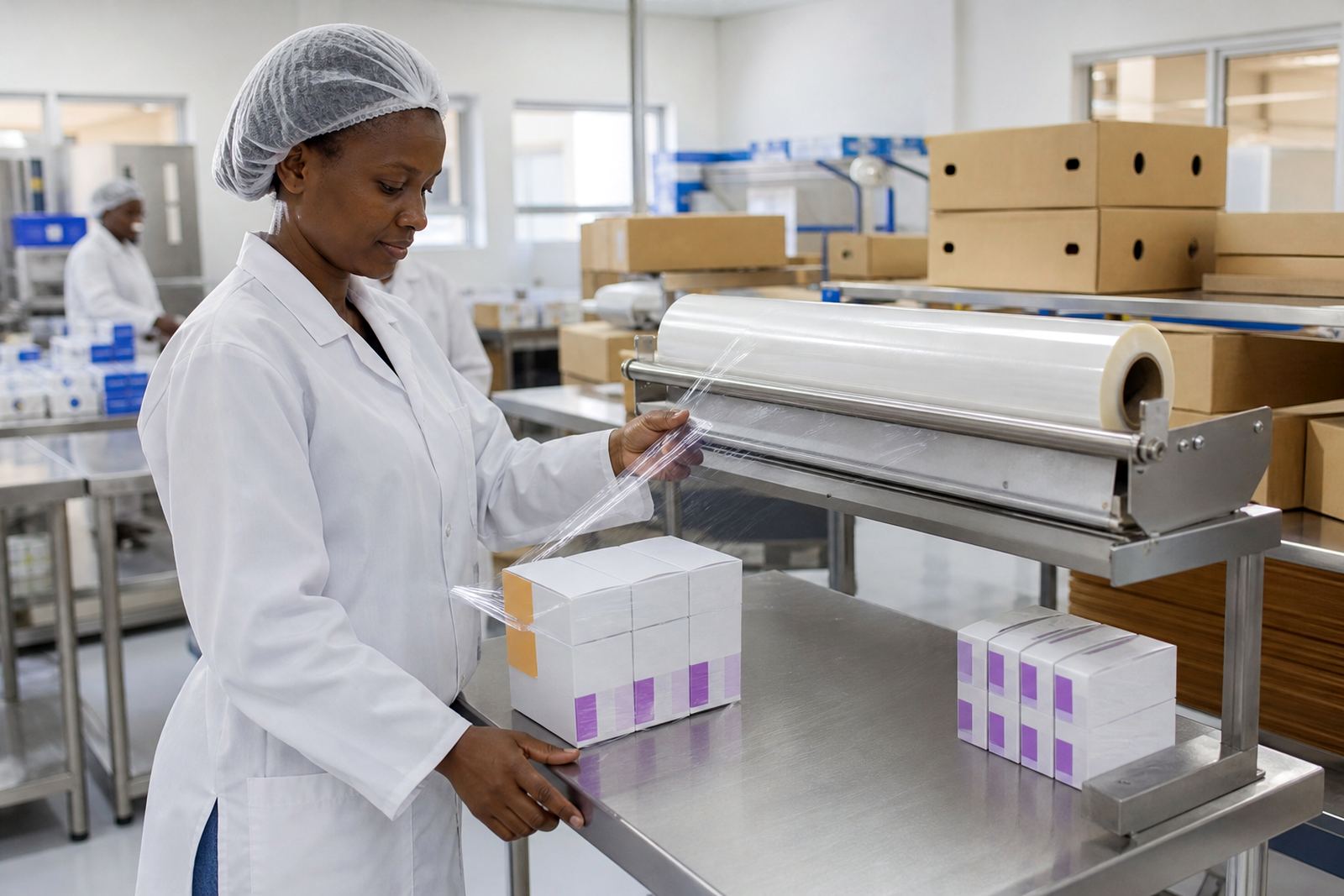
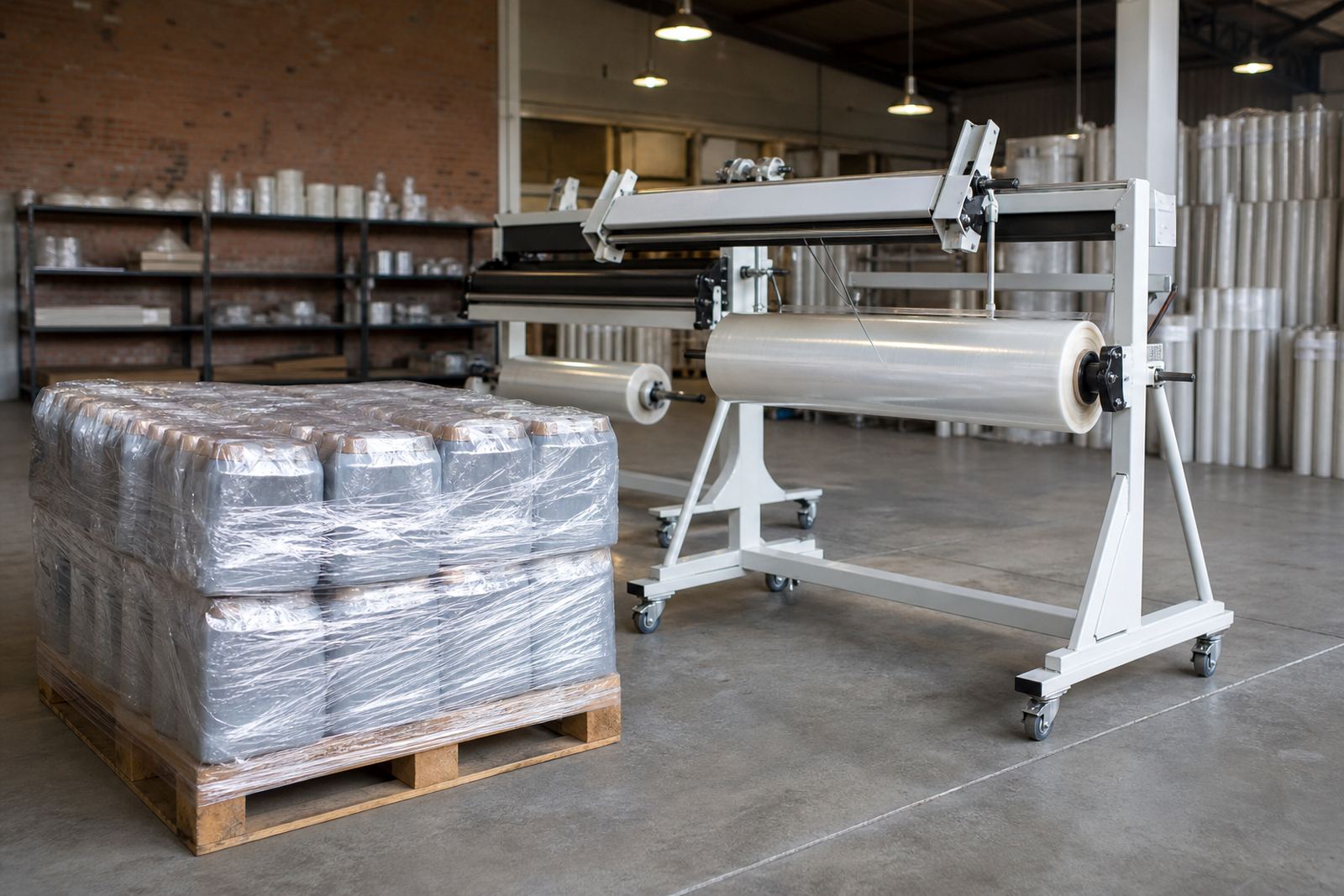
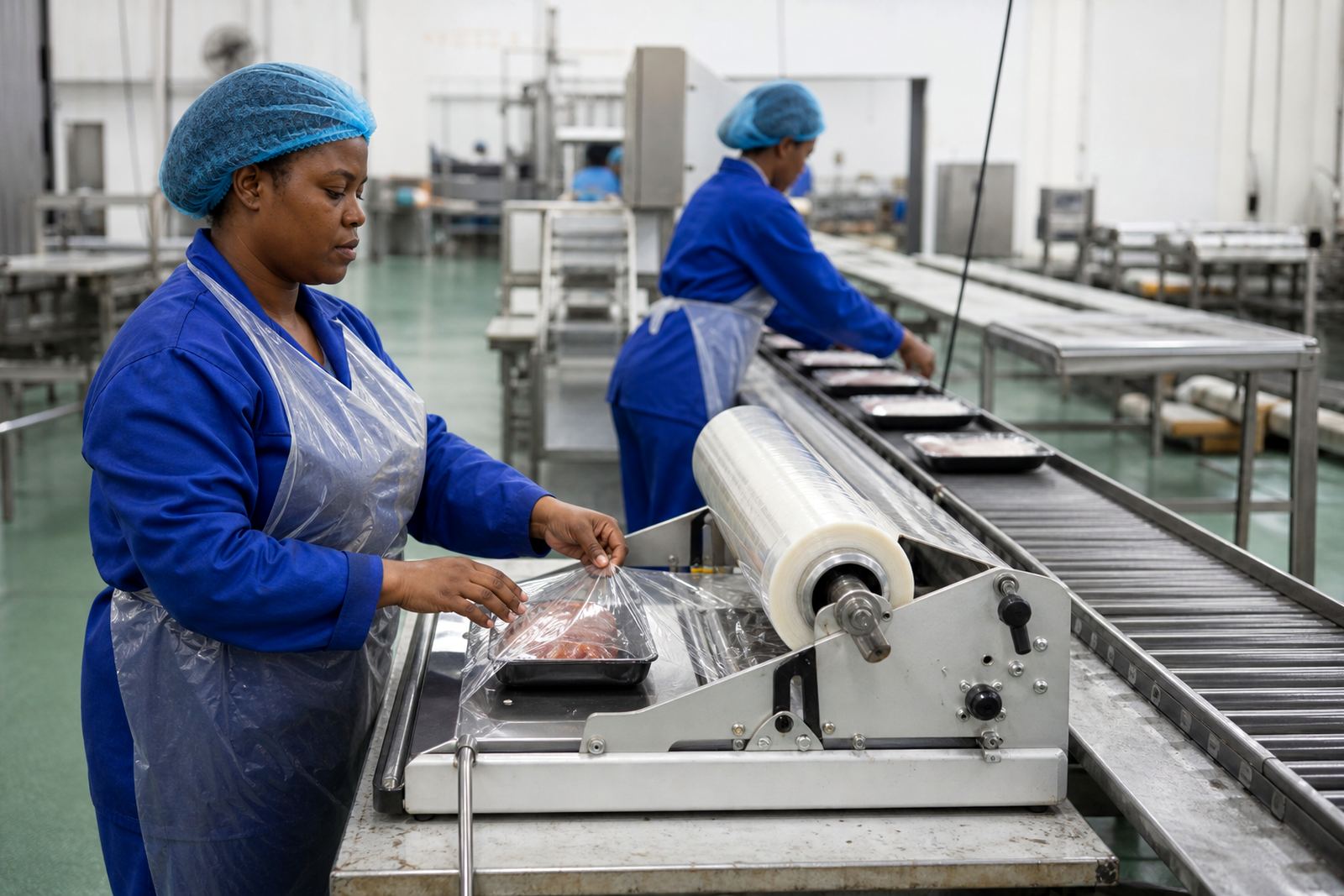
Most warehouse dispatch areas use a basic mix of tools rather than one large machine. The setup depends on whether pallets are hand wrapped, semi automated, or part of a fixed packing line. Film Cutters works with the equipment around the line, not just the cutter itself, so the end result is easier for staff to use during busy loading periods.
- Handheld or mounted cutters for stretch film rolls
- Dispensers for smooth film feed at packing stations
- Blade units suited to regular changeovers and cleaning
- Spare parts for high use shifts and backup units
- Safety checks before peak season or month end dispatch
For most sites, the best arrangement is a short walk from the pallet staging area to the wrapping point, with enough space for a roll change without blocking trolleys or forklifts. If the dispenser sits too close to a traffic lane, the operator gets bumped and the film path is disturbed. If it is too far from the pallet stack, the team wastes movement on every load. Small changes to layout often save more time than people expect.
How to plan the dispatch layout before you buy
Before choosing equipment, it helps to look at the actual loading pattern. Some sites send out mixed retail stock, others handle bulk cartons, drums or machine parts. A clean line in Germiston may not suit a cold room in Polokwane or a coastal depot in Cape Town. The aim is to match the cutter to the space, the operator height, and the film type in use.
Measure the wrap area, note the average pallet height, and check where operators stand during a normal shift. Also look at the floor condition. Uneven concrete, wet bays after wash-down, or clutter from returned pallets can cause people to twist awkwardly while cutting. If your team is running load-shedding backup lighting, the cutting point must still be visible and safe when the power dips. That is often missed during planning.
- Keep the cutter within easy reach of the wrapping position
- Allow space for a full roll change without stopping traffic
- Place safety signage where blades are handled or stored
- Check lighting near the cut point for evening dispatch shifts
- Plan for humidity, dust and wash-down conditions if the bay is open
Common dispatch mistakes that slow the line
One of the most common errors is using a general purpose blade where a proper film cutter should be fitted. That leads to uneven cuts and wasted film tails. Another issue is buying a dispenser that does not match the roll width or core size, so staff have to fight the roll every time it is changed. It sounds minor, but on a busy day it becomes a real bottleneck.
We also see sites where the blade wears down and is left in service for too long. The team then pulls harder on the film, which can break the wrap or make the load look untidy. At other sites the cutter is mounted too high or too low, so operators bend and strain throughout the shift. Small poor choices add up over a week and by Friday the whole dispatch bay is feeling it.
A second mistake is skipping operator training. Even a simple dispenser needs a few clear rules: how to load the film, where to keep hands, when to replace a blade, and how to check the wrap edge before the pallet leaves. A 15 minute walk-through can save hours of rework later.
Budget ranges for dispatch equipment in Rand
Warehouse dispatch budgets vary depending on whether you are replacing one unit or fitting out several stations. For a smaller site in Midrand or Boksburg, a basic cutter and dispenser setup may start from about R1 500 to R4 500 per station. Mid-range units with stronger components and better handling usually sit between R4 500 and R12 000, depending on the roll size and mounting needs.
For busier depots with repeated daily use, especially where spare parts, extra blades and service support are included, planning around R12 000 to R25 000 per line is more realistic. If the project includes line setup, site assessment, installation and training, the total can move higher, particularly where there are multiple packing points or custom brackets. It is better to budget for reliability than to buy a cheap unit and replace it too soon.
Film Cutters works with sites across Johannesburg, Pretoria, Durban, Cape Town and Polokwane, so the cost also depends on distance, access, and how quickly the equipment needs to be ready. For urgent breakdown callouts or upgrade work, it is wise to keep a small spare parts allowance in the budget as well.
Support for busy loading bays and changeovers
Dispatch lines do not run the same every day. End of month volumes, new product lines, and seasonal spikes can all put pressure on the wrapping point. That is why support matters after the first install. Film Cutters provides onsite installation, preventive servicing, blade replacement, dispenser repairs, spares supply, operator training, safety checks, site assessments, roll change support, breakdown callouts and equipment upgrades.
In Germiston and the wider Ekurhuleni area, this kind of support is especially useful where warehouses run long shifts or share staff between receiving and dispatch. If a cutter starts dragging or the dispenser no longer feeds properly, the whole line can slow down. Quick attention keeps the bay moving and reduces the chance of damaged film or loose pallet loads. A well maintained setup is simply easier on the team and on the stock.
For warehouse dispatch teams, the real value is not just in cutting film, but in keeping the wrap process predictable. When the equipment is right, the load looks better, the staff work safer, and the truck leaves on time.