What Our Dispenser Repairs Cover
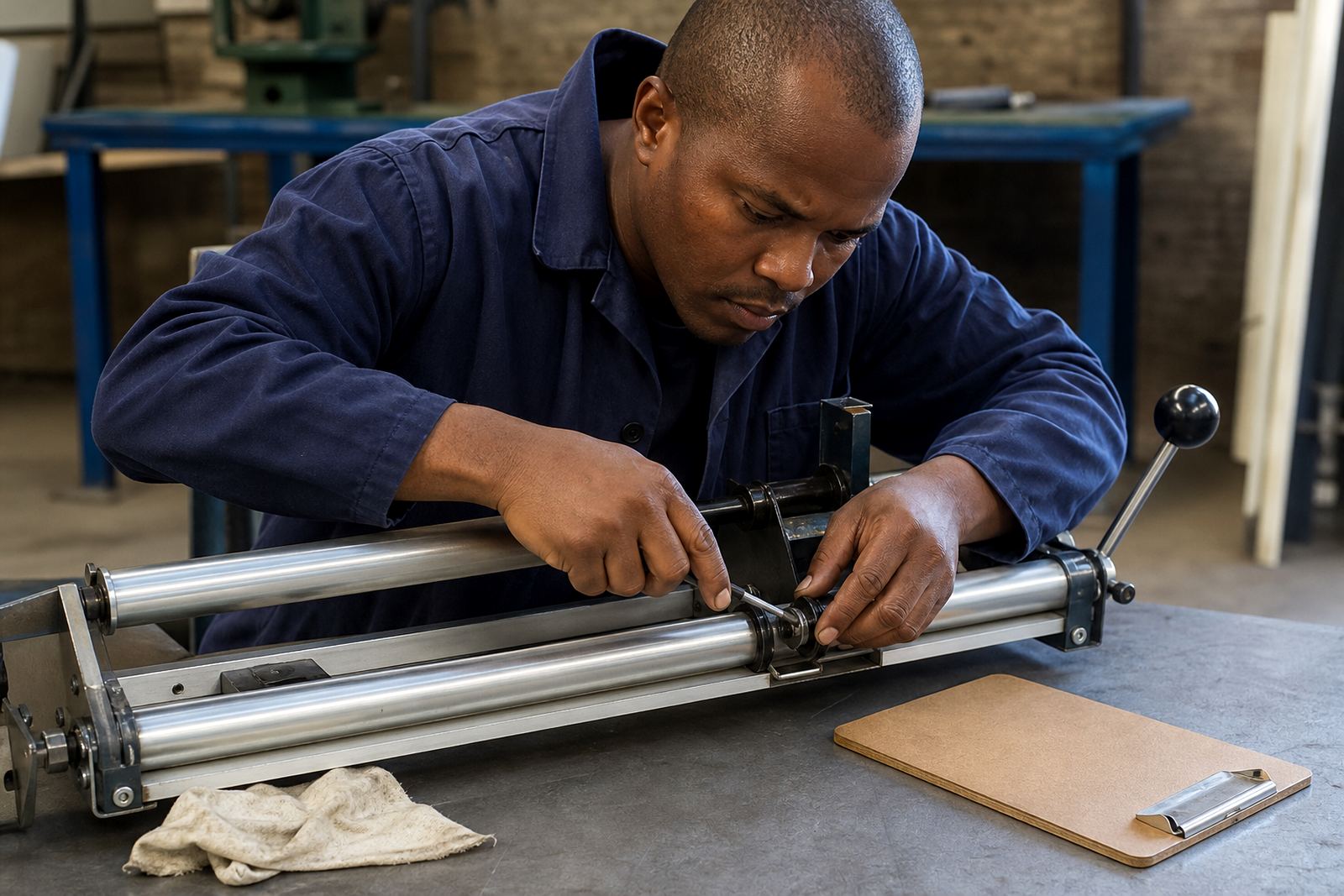
Our dispenser repair service is set up for packing lines that depend on clean, even film application. We handle damaged frames, bent guide parts, worn spindles, loose handles, brake faults and feed issues that cause film to snag, run uneven or waste material. If a dispenser is still worth saving, we will repair it properly rather than push a full replacement without cause.
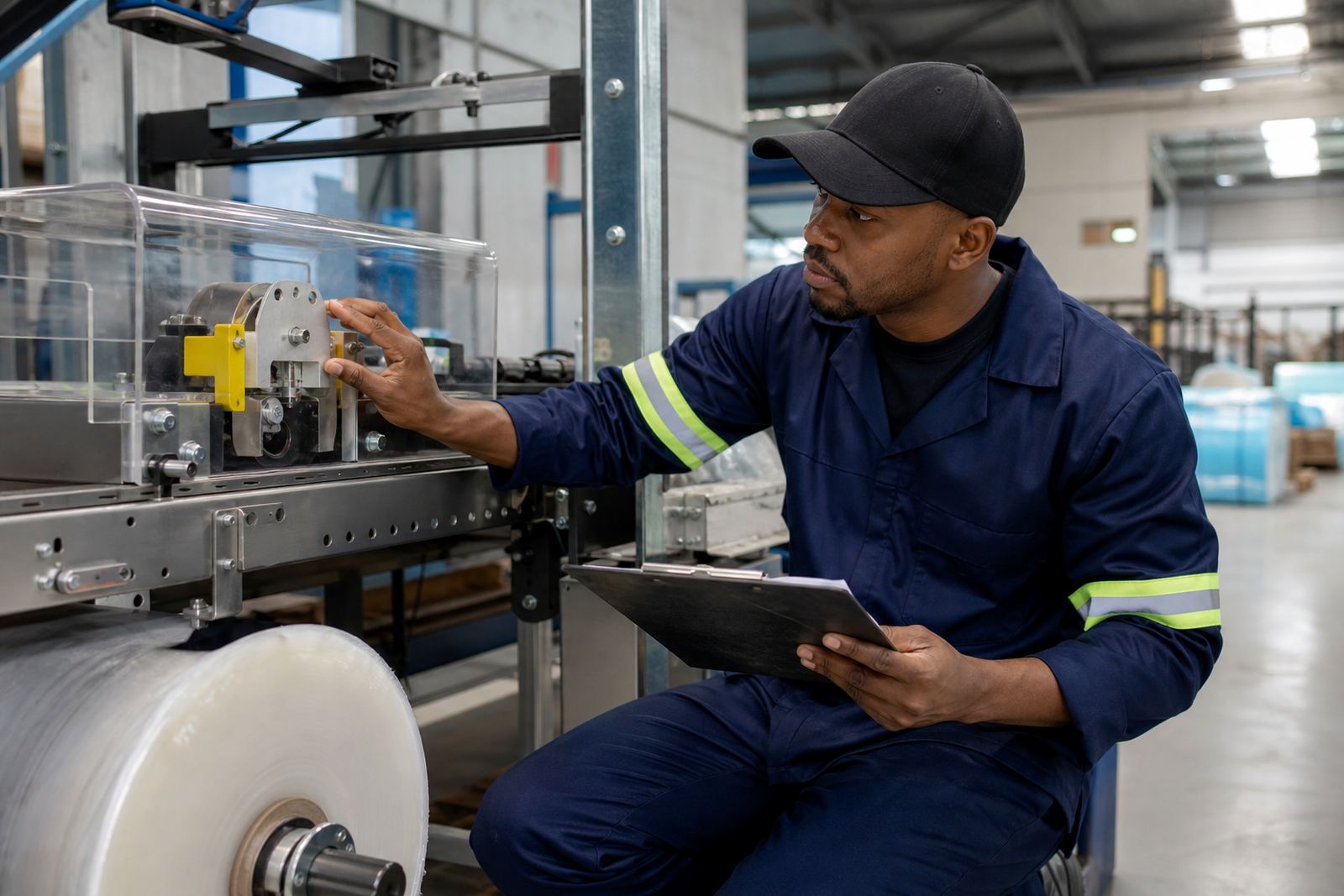
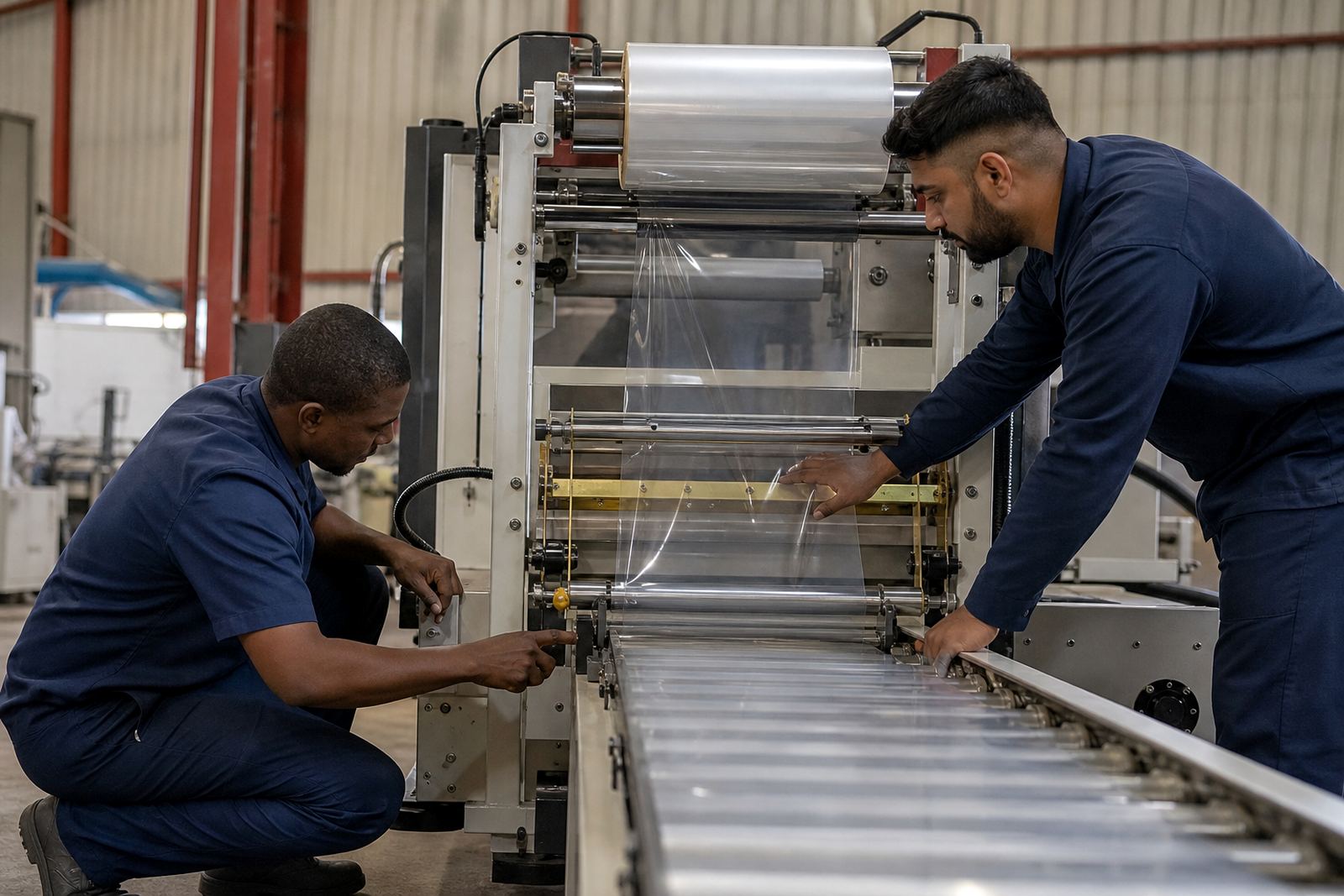
We work on hand held and mounted dispensers used with shrink film and stretch film. That includes units with adjustable tension, locking mechanisms, rollers, side plates and quick load features. If the unit has been dropping rolls, pulling film too tight, or leaving slack on the load, we check the full assembly and not just the part that looks worn. Small faults often hide a bigger issue, especially on busy lines in Germiston, Johannesburg and Pretoria where the same dispenser gets used across multiple shifts.
Repairs are carried out with practical use in mind. A good repair should make loading easier, improve control on the film edge and reduce stop start handling. We also look for damage caused by rough roll changes, impact during movement and corrosion from coastal humidity or poor storage conditions. It is common to see brake wear from heavy daily use, and that usually shows up as film slip or over tension. If the unit is worth repairing, we will tell you clearly what to fix now and what can wait a bit longer.
Typical Faults We Fix On Site Or In The Workshop
Some dispenser problems can be sorted on site during a service call. Others need stripping, measuring and parts replacement back at the workshop in Germiston. Either way, we aim to get the dispenser back into service with the correct alignment and working tension. We do not do guesswork on feed faults because that usually leads to another breakdown a few days later.
- Cracked or bent frame sections
- Worn spindles and spindle pins
- Brake pad, brake band or tension wear
- Misaligned rollers and feed guides
- Broken locks, catches and adjustment knobs
- Film slipping, sticking or jumping during application
- Noise, vibration or rough roll movement
- Corrosion, grime buildup and damaged fasteners
If the unit has been used in dusty areas, near wash bays or in humid storage spaces, we also check for seized moving parts and early rust. That is common around Durban, Cape Town and other coastal sites where metal parts can pick up moisture faster than expected. A small repair now is usually cheaper than losing a dispenser mid shift and scrambling for a backup. We try to keep repairs practical, with parts matched to the original unit where possible.
How The Repair Process Works
Our process is straightforward so your team knows what is happening at each step. First we inspect the dispenser and confirm the fault. Then we assess whether the repair is safe, cost effective and likely to give a proper service life. If the part is beyond repair, we say so and quote for replacement parts only where needed.
- Initial fault check and visual inspection
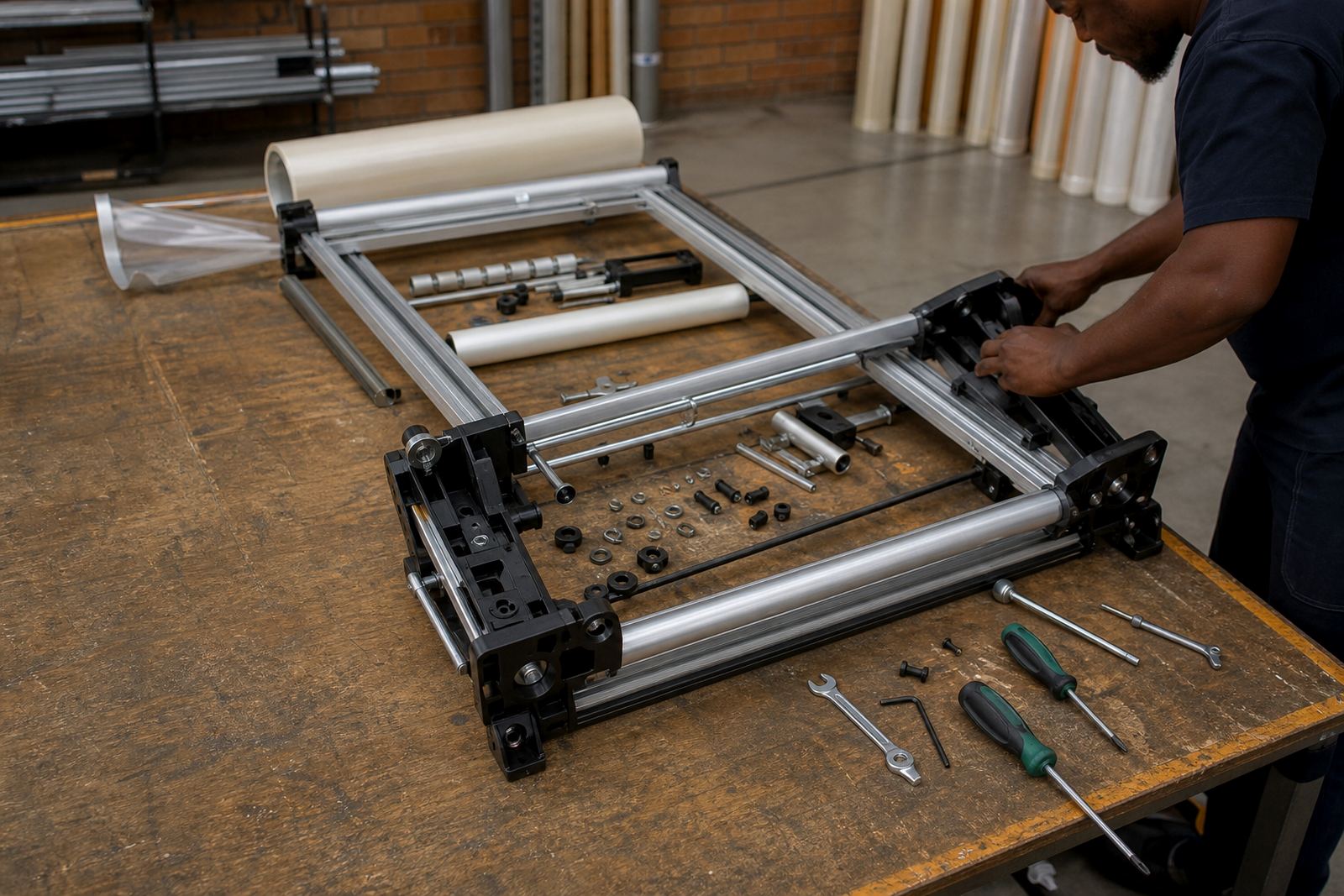
- Strip down of the dispenser if required
- Measurement of worn or damaged components
- Repair, replacement or reworking of faulty parts
- Reassembly and function testing
- Final check on film feed, tension and lockup
Where possible, we test the dispenser on the same film width and roll type used on your line. That helps us confirm the brake action and feed feel in real conditions. We also check for operator handling issues, because sometimes the fault starts with a damaged setting or a loose adjustment that keeps getting ignored. Our service coordinator will keep you updated on progress, parts needed and likely completion times, so your production team can plan around it properly.
Turnaround Times And What Affects Them
Turnaround depends on the fault, the condition of the dispenser and whether any specialised parts are needed. Simple repairs can often be handled quickly, while units with multiple worn components may need more time for stripping, sourcing and testing. We keep turnaround realistic, not optimistic, because packing lines need honest timeframes more than promises.
For sites in Germiston, Boksburg and Midrand, we can usually arrange faster collection or onsite assessment where access is easy. For Durban, Cape Town, Polokwane and other outlying areas, turnaround depends on transport timing and the repair scope. If a line is down and a dispenser is holding up output, we will prioritise the job and advise on the quickest option available. In many cases, a repair can be staged so the most critical fault is handled first and the rest is completed in the next visit.
We also factor in how the unit is used. High volume packing lines running long shifts, or sites dealing with frequent roll changes, generally need a deeper check than lighter use applications. If you have been through load-shedding interruptions, we can inspect for handling damage that happened during rush restarts, which often goes unnoticed until the next shift. That sort of follow up saves time later.
Pricing That Matches The Fault, Not A Guess
Our pricing approach is based on the actual condition of the dispenser. We look at labour, parts, transport and whether the unit needs workshop repair or only an onsite fix. That means you are not paying for a broad flat rate when the fault is minor, and you are not left with a partial repair that fails again after a week. Pricing is quoted after inspection, with clear detail on what is included.
For repair work, the main cost drivers are frame damage, spindle replacement, brake wear, feed alignment and any spares needed to restore safe use. If a dispenser is badly worn, we will explain whether repair still makes sense or if the unit should be upgraded. Some customers prefer to repair the current unit and keep a spare on hand, which is often the right move for busy sites in Johannesburg, Pretoria and Cape Town. Others choose a staged repair plan to spread cost across the month.
- Inspection and fault finding
- Parts and consumables used in the repair
- Labour for strip, repair and reassembly
- Testing and functional checks
- Collection, delivery or onsite callout where agreed
Planned Maintenance For Fewer Breakdowns
Dispenser repairs work best when supported by regular maintenance. We recommend checking heavily used dispensers every 3 to 6 months, with shorter intervals for sites that run multiple shifts or operate in dusty or humid conditions. If a dispenser is used near loading bays, washdown areas or on lines with frequent product changes, the wear rate can be higher than expected.
During planned maintenance we inspect the spindle, brake surfaces, rollers, locks and feed path, then clean out built up residue and check all fasteners. We also test roll change handling and the operator grip points. Small defects often show up first as extra effort, uneven film pull or minor noise. Catching those signs early can prevent a full breakdown and keep spare part use under control. In our experience, a simple preventive visit can save a lot of downtime later, especially where the same dispenser is shared between shifts and no one wants to be the one who reports a fault.
We can align maintenance with your other line checks, safety checks or operator training. That helps your team keep a clear routine and avoid the stop start cycle that turns a small issue into a bigger one. If you need repair support, a spare dispenser strategy or a review of your current units, we can assess the setup and advise on the next step.
Key facts
| Service type | Repair and restoration of shrink film and stretch film dispensers |
|---|---|
| Faults covered | Frames, spindles, brakes, feed issues, locks and alignment |
| Typical film widths | Common packing line widths from 300 mm to 500 mm |
| Repair approach | Onsite diagnostics, workshop repair, parts replacement and testing |
| Maintenance interval | Every 3 to 6 months, or sooner for high use sites |
| Coverage area | Germiston, Johannesburg, Pretoria, Durban, Cape Town, Polokwane and surrounding areas |