
What the carton wrap cutter does on a packing line
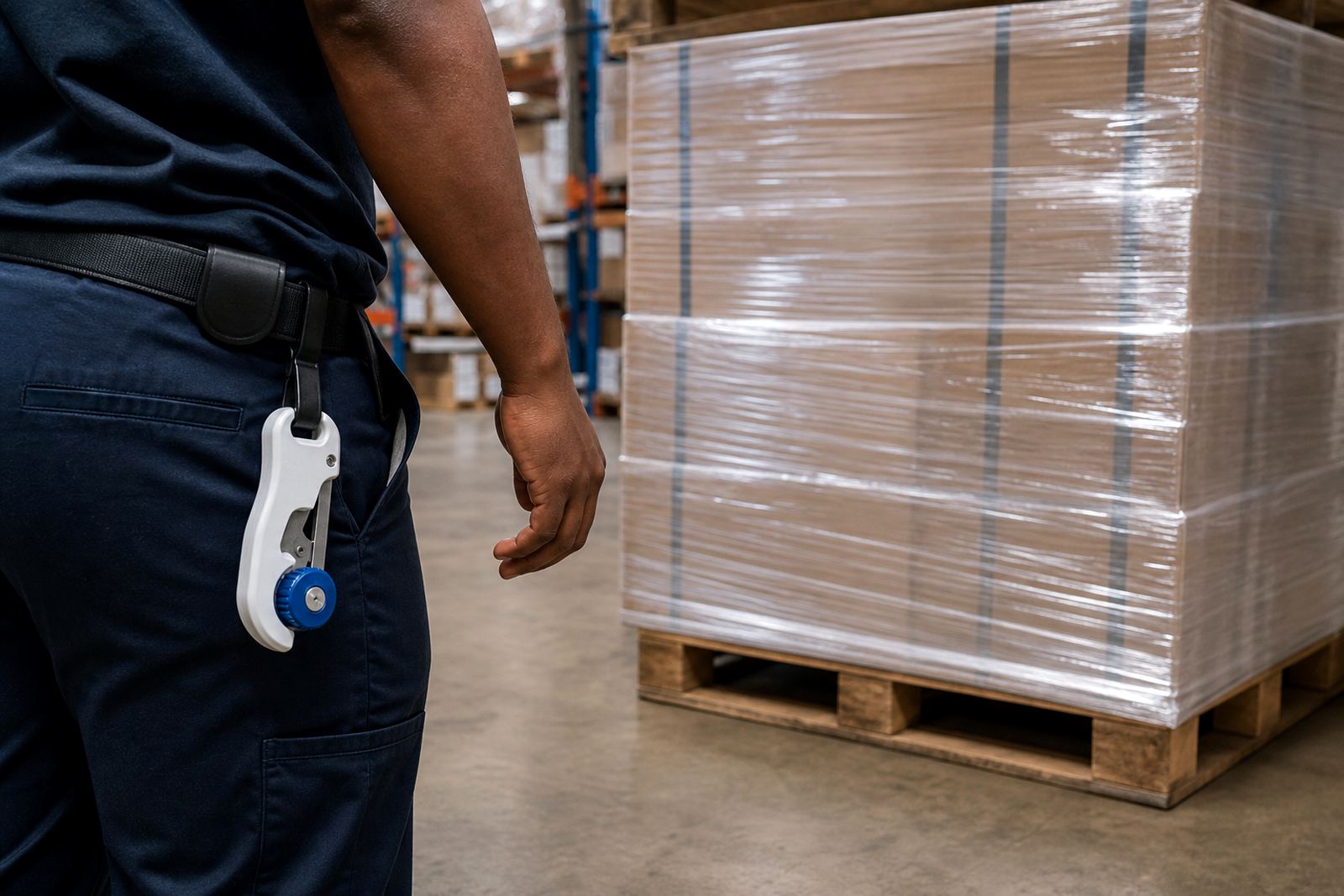
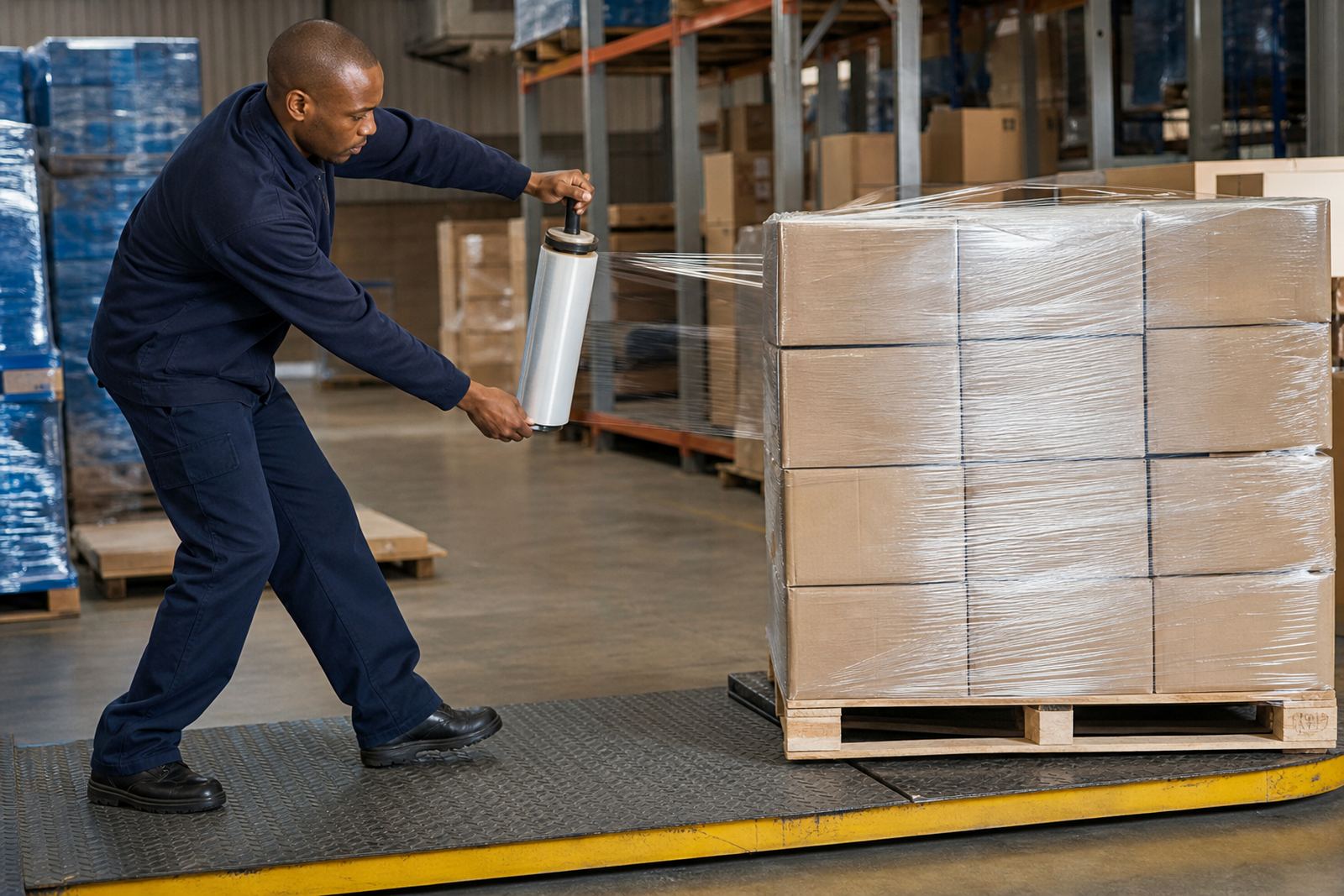
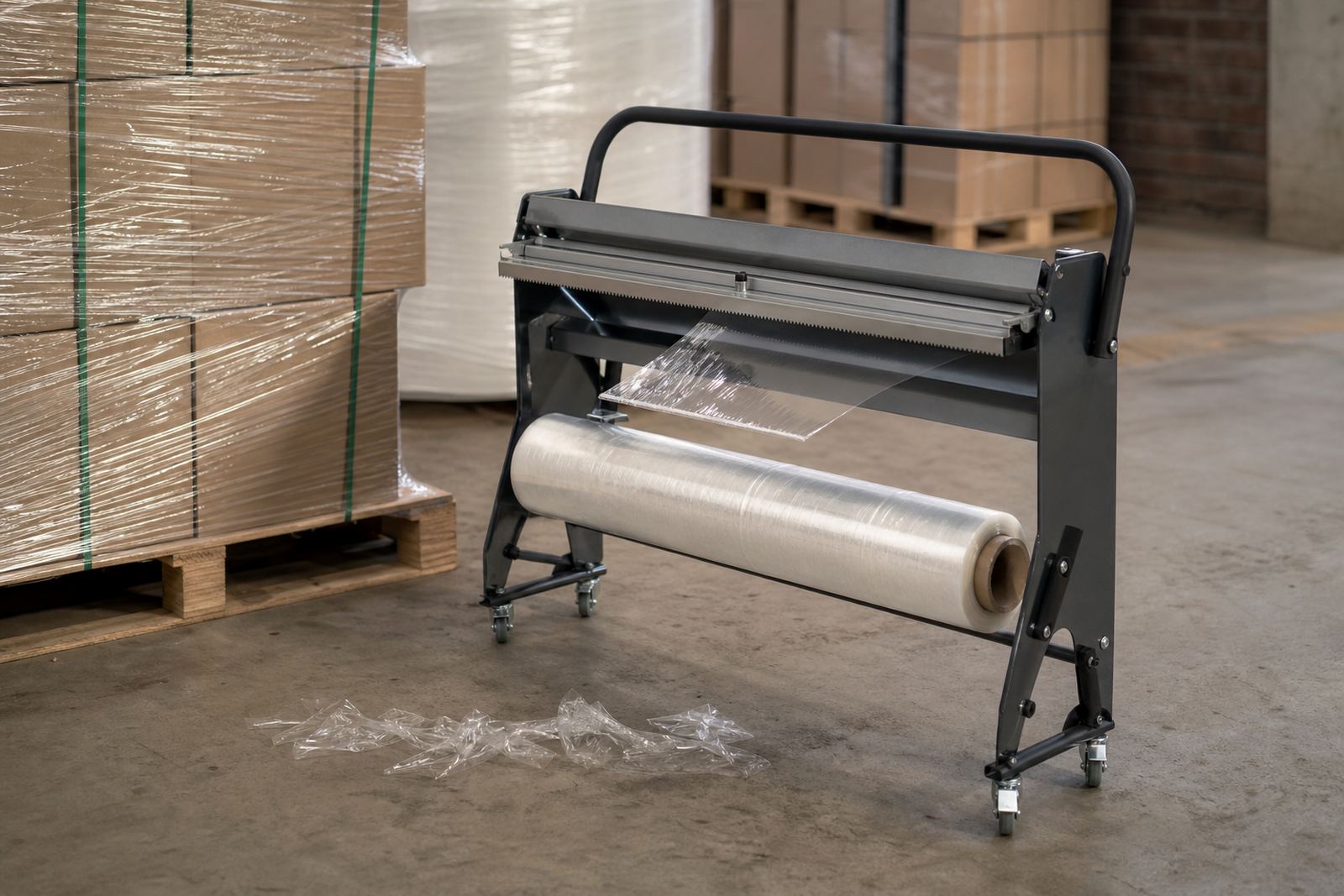
A carton wrap cutter is used where shrink film or stretch film must be trimmed cleanly after a product group has been wrapped. It is suited to cartons, trays, tote packs and smaller items that travel through dispatch, bakery, fresh produce, light industrial or warehousing lines. The cutter gives operators a controlled cut instead of tearing film by hand, which helps keep edges neat and reduces snagging during handling.
In many sites the cutter sits close to the packing table, strap station or turntable, so the operator can finish the wrap without walking back and forth. That saves time, and it also keeps the film line more consistent when different staff work on the same shift.
- For shrink film and stretch film applications
- Suitable for compact cartons and grouped packs
- Helps reduce loose tails and uneven cuts
- Useful where packing speed and neat finish matter
Sizes and options for different carton packs
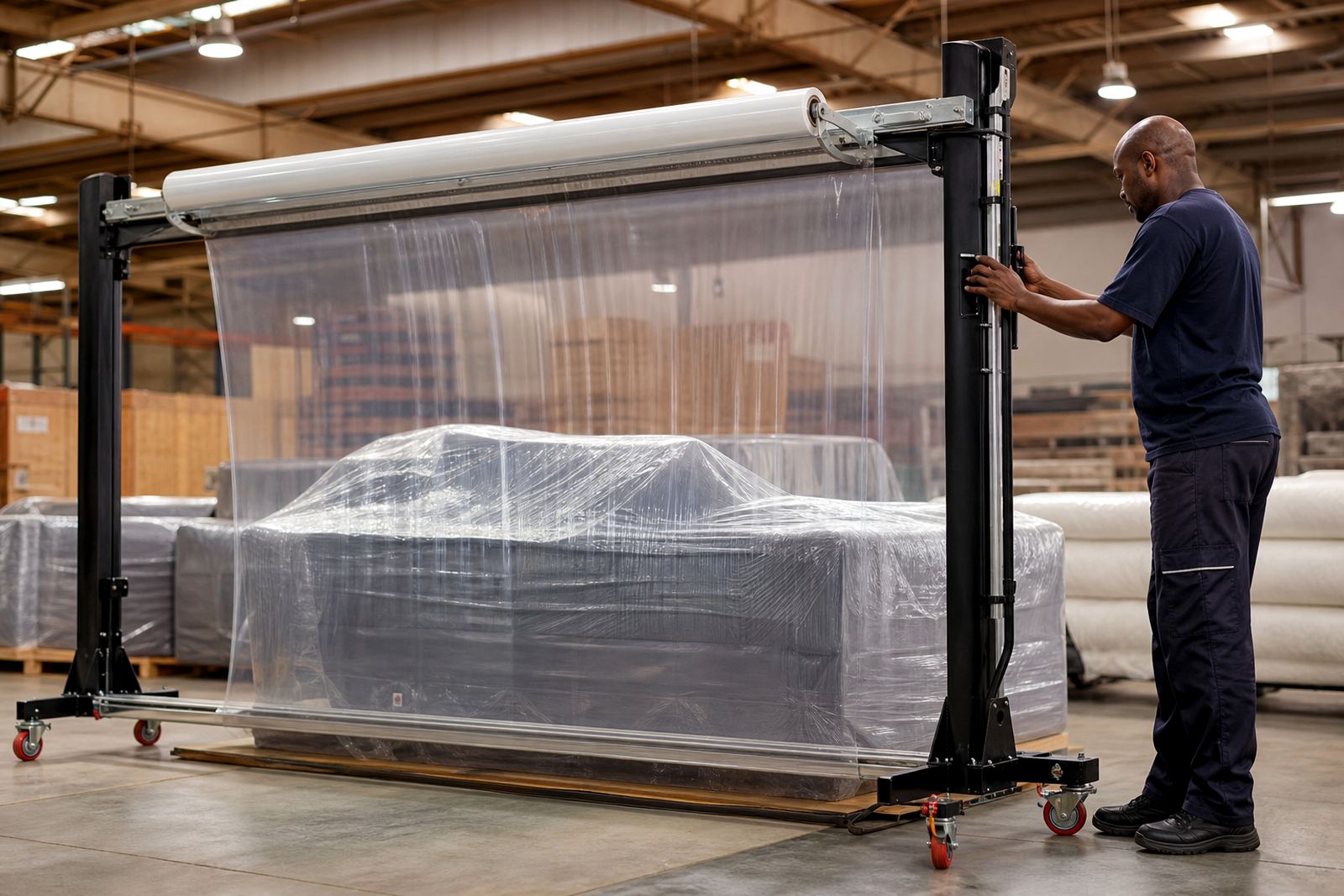
Carton wrap cutters are usually supplied in compact bench mounted or stand mounted formats, depending on the height of the line and the size of the packs being handled. For smaller cartons and trays, a shorter cutting span is often enough. For wider grouped products, a longer blade path or wider support area is better so the film can be cut without pulling the wrap off line.
Options can include adjustable guides, replacement blades, left or right side mounting and different handle positions for operator comfort. Where a site wraps a mix of carton sizes, a unit with quick adjustment is often the practical choice. Some packing rooms also prefer a guarded blade arrangement for safety during busy shifts.
- Bench mounted or frame mounted units
- Short, medium and wider cutting spans
- Manual control for precise cutting
- Blade guard or safety cover options
Where this cutter suits best in South African operations
This product suits businesses in Germiston, Johannesburg, Pretoria, Durban, Cape Town, Polokwane and surrounding industrial areas that pack cartons or bundled items daily. It is commonly used in distribution centres, food packing rooms, small manufacturing plants and warehouse dispatch areas where loads must be wrapped quickly and neately before palletising or loading.
It is also a practical option for sites dealing with dusty conditions, coastal humidity or power interruptions, because the cutter itself does not rely on electricity or gas. That makes it useful in loadshedding periods and in areas where operators need a simple tool that keeps working as long as the line is moving.
- Warehouse dispatch and staging areas
- Bakery, produce and light food packing rooms
- Small manufacturing and contract packing sites
- Sites needing manual backup during load-shedding
Installation, setup and line fitment
Installation is straightforward when the cutter is matched to the line height, table width and operator reach. In most cases the unit is fixed to a packing bench, bracket or support frame, then aligned so the film path sits comfortably in front of the operator. For sites with several shifts, it helps to position the cutter so both left handed and right handed staff can use it without awkward movement.
Our team can assist with onsite installation, line setup and site assessments in Germiston, Boksburg, Midrand and across the country. We also check how the cutter fits with the rest of the packing area, including film rolls, product flow and safety clearances. If the line needs a slight adjustment after fitment, that can be handled during the same visit where possible.
- No electrical supply or gas connection needed
- Mounting point set to suit the operator and packing height
- Can be aligned with existing film dispensers and roll holders
- Works well in manual, semi-automatic or backup packing areas
Care, servicing and blade replacement
Like any cutting tool, the carton wrap cutter works best when the blade is kept sharp and the guide points are clean. Film dust and adhesive residue can build up over time, especially in warmer packhouses or humid coastal sites. A quick wipe down at the end of shift helps, and a scheduled check keeps the cut edge consistent.
Preventive servicing is useful where several operators share one line. It can include blade replacement, fastener checks, dispenser repairs if fitted as part of the same station, and safety checks on any exposed edges. If the cutter starts to drag, leave rough edges or pull film, the blade may simply be dull, but it is worth checking the setup before changing parts.
- Clean blade area regularly with a dry cloth
- Replace worn blades before cut quality drops
- Check mounting points for looseness or vibration
- Book servicing before busy production periods
What to confirm when ordering a carton wrap cutter
Before ordering, it helps to confirm the film type, pack size and the space available on the line. A carton pack wrapped in light stretch film may need a different cutter setup to a tray wrapped in thicker shrink film. Also check whether the cutter will be used with one standard carton size or a mix of sizes across the shift.
It is also useful to note whether the site needs spare blades, operator training or a backup unit for high-volume work. If the packing area is exposed to vibration, uneven flooring or tight turnaround times, those details matter too. A proper site assessment can save rework and keep the line running smoother, even when orders change quickly.
- Film type and thickness
- Carton or tray dimensions
- Mounting space and operator reach
- Need for spares, training or servicing support
Key facts
| Product type | Manual cutter for shrink film and stretch film around cartons and grouped packs |
|---|---|
| Use case | Cartons, trays, small bundles and compact packing lines |
| Mounting | Bench, frame or support mounting depending on site layout |
| Power requirement | None, manual operation only |
| Maintenance | Blade replacement, cleaning and periodic safety checks |
| Support | Installation, setup, servicing, spares and operator training |