What the Heavy Duty Shrink Cutter Does On A Packing Line
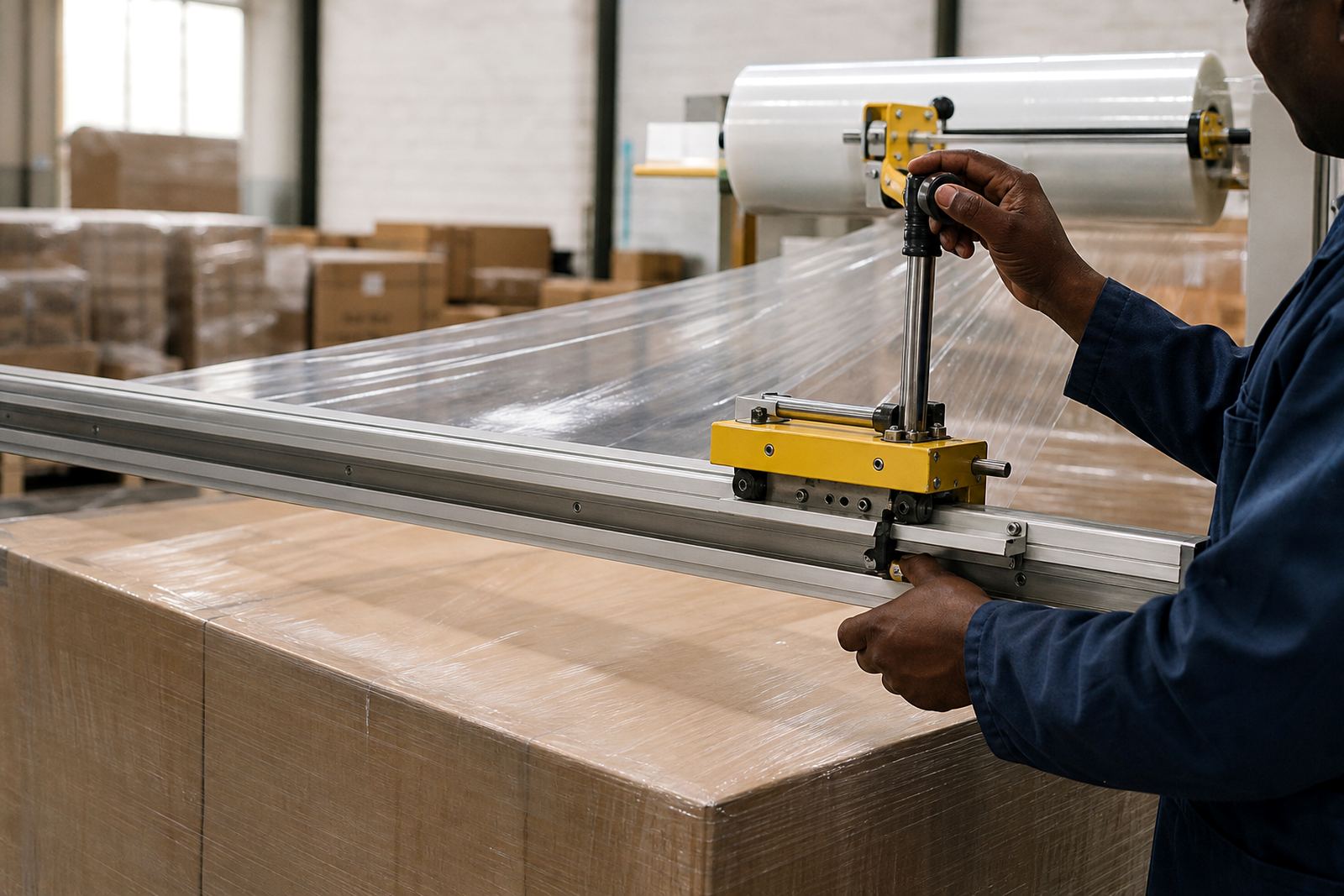
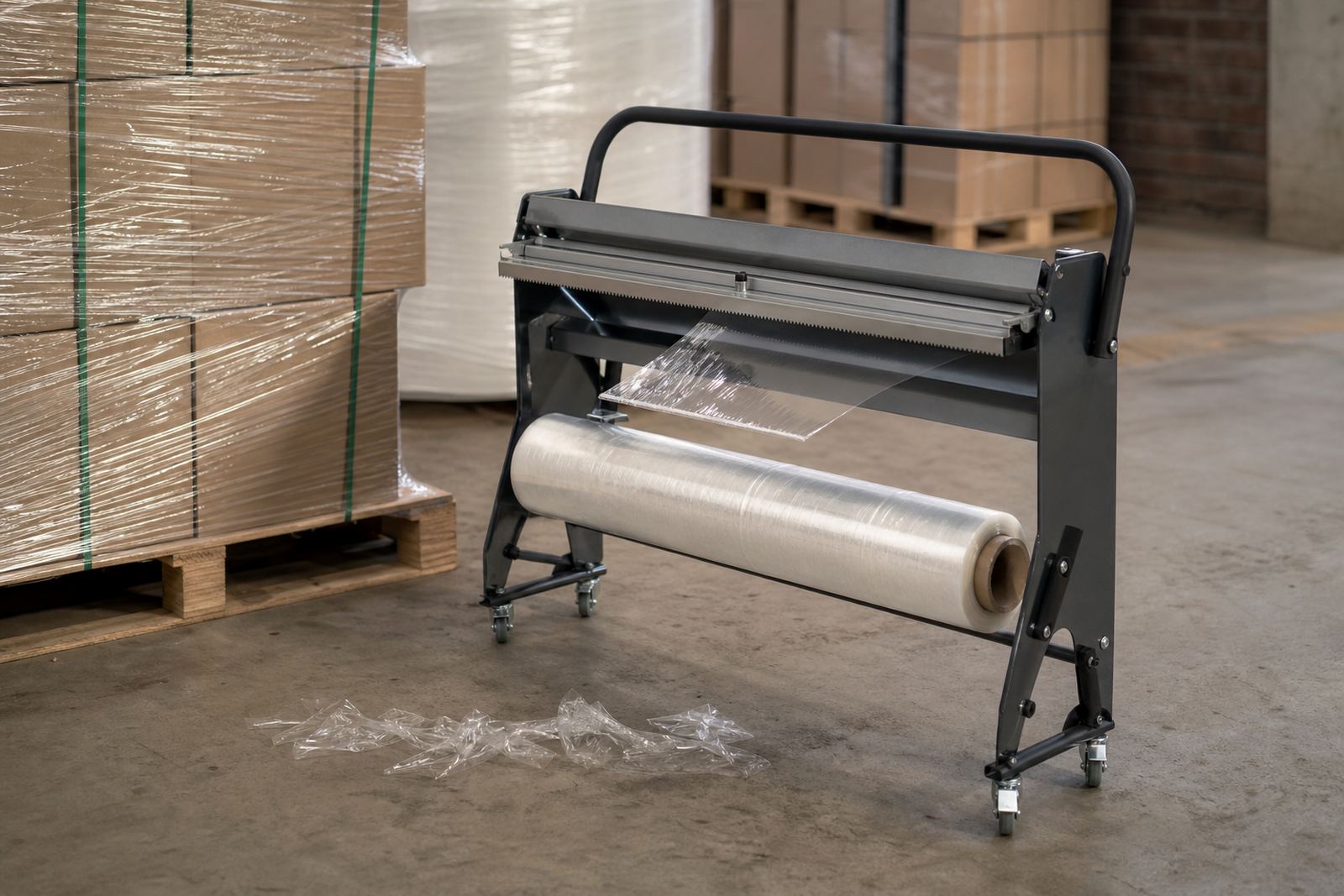
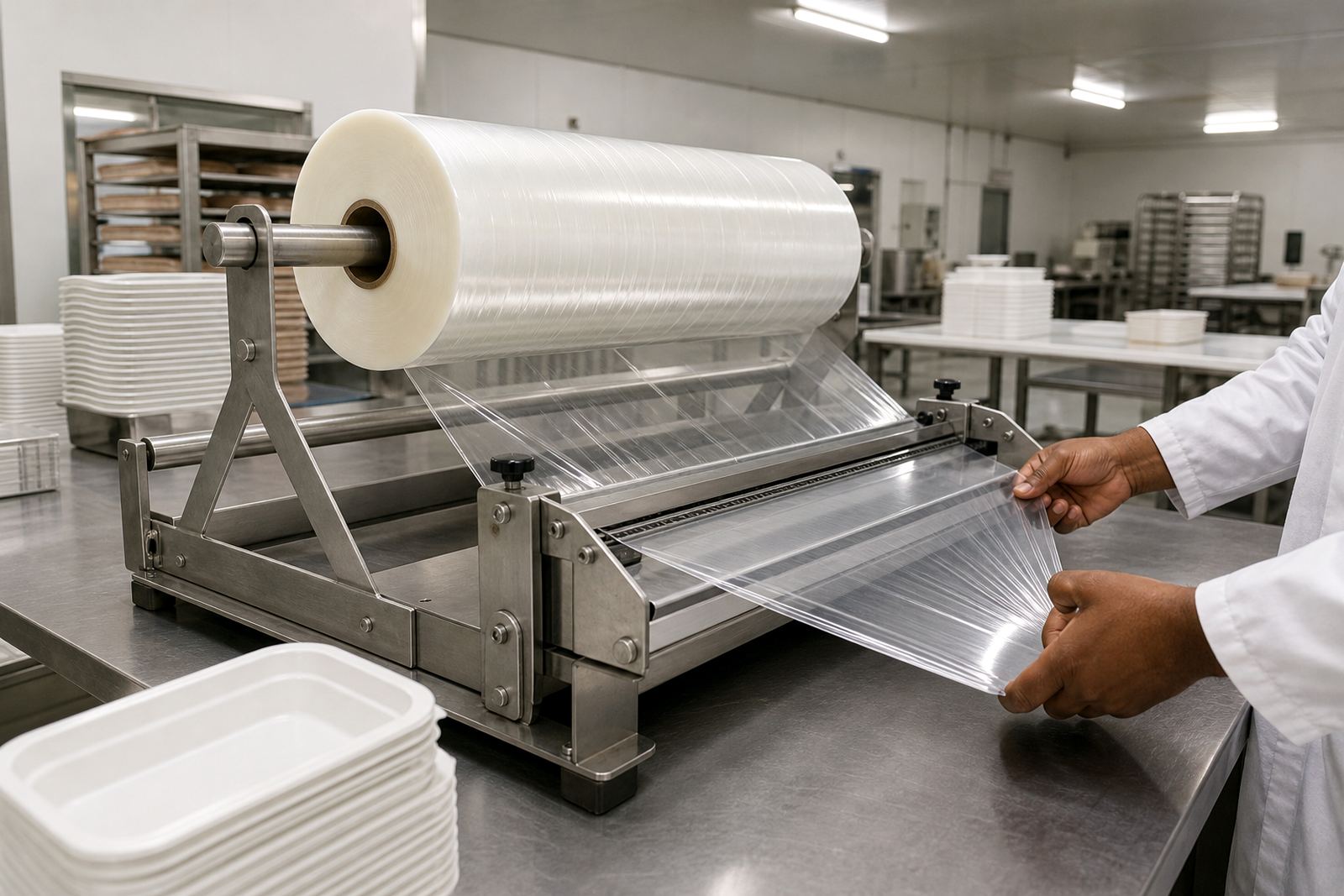
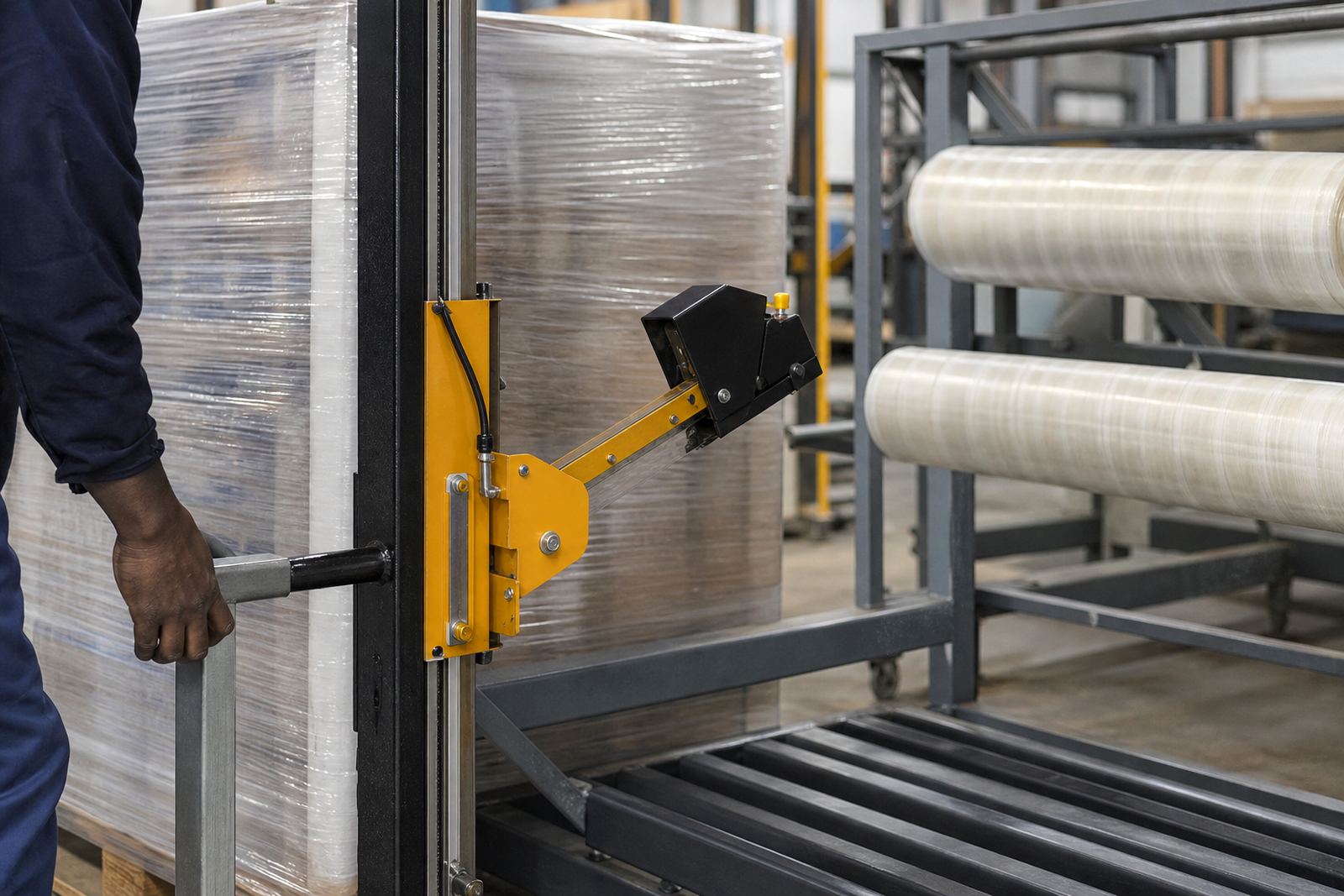
This cutter is made to guide and cut shrink film with better control than a general purpose blade holder. It suits operations where film is handled all day, pack sizes change often, and operators need a tool that stays steady under pressure. The heavier frame helps reduce flex during use, so the cut stays neater and the roll feeds more consistently.
It is commonly used on wrapping stations, packing tables and conveyor end points where goods are bagged, wrapped or prepared for dispatch. In Germiston, Johannesburg and Boksburg it is often chosen for warehouses and light manufacturing sites that deal with palletised stock, cartons and mixed pack formats. On humid coastal sites like Durban and Cape Town, the unit also helps keep film control predictable when the room temperature changes through the day.
Sizes, Mounting Options And Film Types
Our heavy duty shrink cutter range is set up for different line widths and film gauges, with options that suit single operator stations and busier team setups. The right choice depends on film width, film thickness and how the roll is loaded on the line. A stable mount matters just as much as the blade itself.
- Film widths from 300 mm to 1 200 mm, depending on the station setup
- Manual or assisted feed options for repetitive packing work
- Wall, bench or frame mounting for fixed lines
- Suitable for thicker shrink film and high tension stretch film where a firmer cut is needed
- Left or right hand orientation available for practical line flow
For sites in Pretoria, Polokwane and Midrand, we often recommend checking aisle space, operator reach and where the film roll sits relative to the packing point. A cutter that is too high or too far from the pack area slows the line and puts strain on the operator.
Where This Cutter Suits Best
This model is a good fit for distribution centres, food packaging rooms, plastics handling, building material depots and contract packers that work long shifts. It performs well where there is regular roll changeover and where the same station handles different product sizes during the week. It also suits businesses that need a cleaner finish when the film is thicker than standard wrapping material.
Typical users include warehouse teams, production lines and dispatch areas that need repeatable results with less waste. If your site deals with product movement through high turnover periods, or if staff are cutting film every few minutes, a heavy duty unit is usually worth it. It helps keep the line moving, even when load-shedding interrupts the schedule and shifts get compressed into a shorter window.
- Warehouses with daily dispatch volumes
- Packaging lines running multiple shifts
- Sites with thicker shrink film or harder-to-handle rolls
- Operations that need steady cut quality across different operators
Installation, Power And Setup Requirements
Most heavy duty shrink cutters are installed as a fixed station item, so the mounting point should be level, firm and close to the pack point. If the cutter is part of a larger line setup, we check operator movement, film path and safe blade access before fitting. For sites in Durban or on the coast, it is also worth allowing for corrosion control and a routine wipe-down plan if the area carries moisture or salt in the air.
Depending on the model, the unit may be purely manual or include an assisted mechanism for quicker repeat cutting. If your line uses powered accessories, we confirm the available supply and the safe routing of cables before installation. For most sites the setup is straightforward, but the line layout still matters. A poor mounting position can create drag on the film and make the roll harder to control.
- Check fixed mounting space before ordering
- Confirm film width, roll diameter and operator side
- Allow clear access for blade changes and cleaning
- Keep the station away from water spray, dust and heavy foot traffic
Care, Blade Replacement And Servicing Intervals
To keep the cutter working well, the blade should be inspected regularly and replaced before it starts dragging or tearing the film. In busy Germiston and Johannesburg packing rooms, we usually recommend a planned check as part of the weekly maintenance routine. On coastal sites, the frame, fixings and moving parts should be wiped and checked more often, especially where humidity is high.
Preventive servicing helps avoid slow cutting, jagged edges and extra film waste. Our team can assist with blade replacement, dispenser repairs, safety checks and roll change support. If the cutter is used by several operators, training is also useful so each person follows the same loading and cutting method. That keeps the line more consistent and reduces avoidable wear. A small issue caught early is much cheaper than a line stoppage later.
What To Check Before You Place An Order
Before ordering, measure the film width, note the roll weight and confirm whether the cutter will be mounted on a wall, bench or frame. It also helps to know if the site uses shrink film only, or if the same station must handle stretch film too. Those details affect the blade style, arm length and mounting choice.
Please also check the following so we can match the unit to your packing line properly:
- Film width in mm and maximum roll diameter
- Whether the site needs manual or assisted operation
- Available mounting space and operator working height
- Line speed, daily volume and number of shifts
- Any safety requirements for blade guards or lock-off controls
- Site location for delivery, setup and future service support
If your operation is based in Boksburg, Midrand or further out in Polokwane, we can still help with supply and support across South Africa. The aim is simple: a cutter that fits the film, suits the site and keeps packing moving without fuss.
Key facts
| Product type | Heavy duty shrink film cutter for packing lines |
|---|---|
| Film compatibility | Shrink film and stretch film, depending on setup |
| Width range | 300 mm to 1 200 mm options |
| Mounting | Wall, bench or frame mounted |
| Use case | Continuous packing, roll change and high volume dispatch |
| Support | Installation, servicing, blade replacement and training |