What the Rotary Shrink Cutter Does on a Packing Line
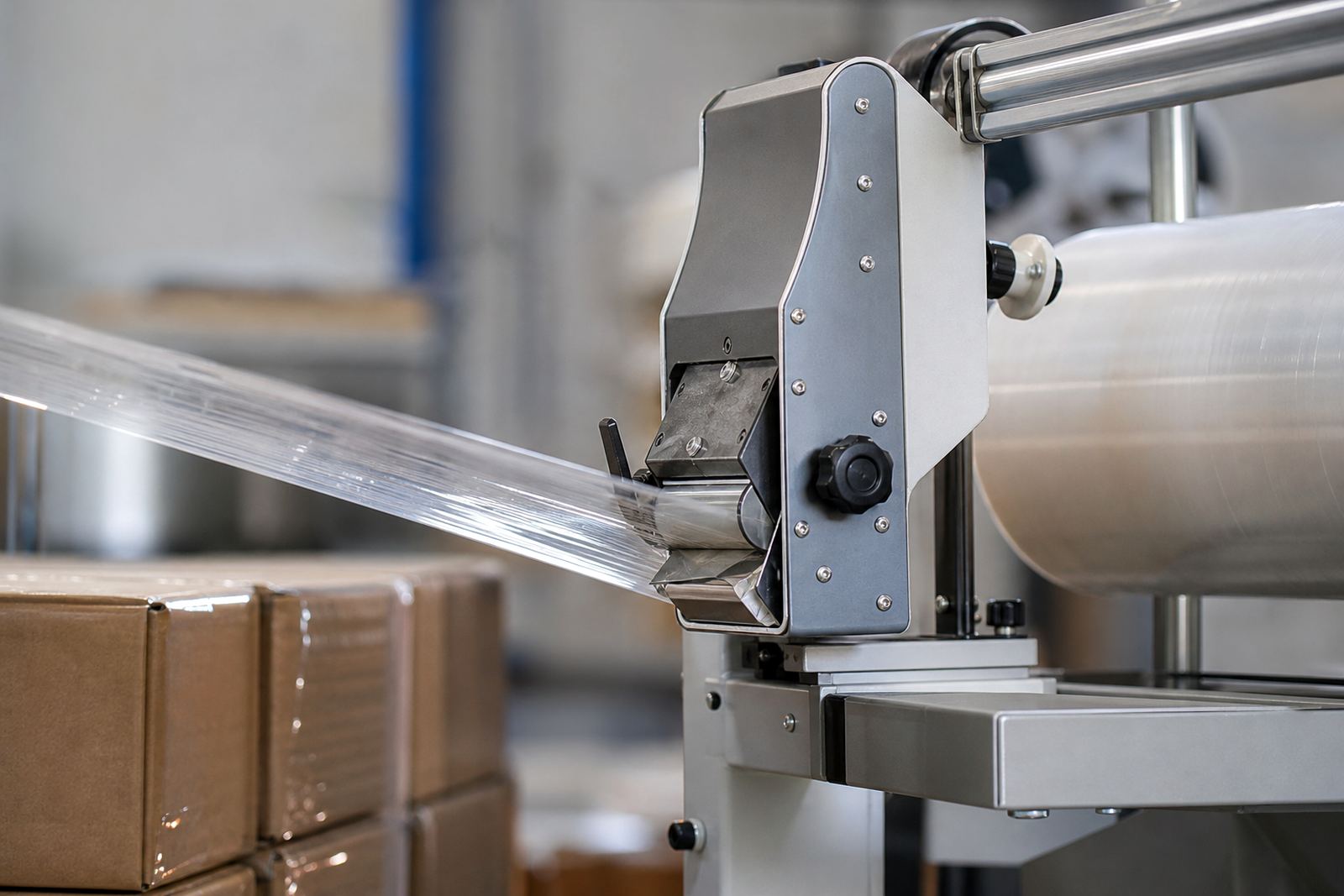
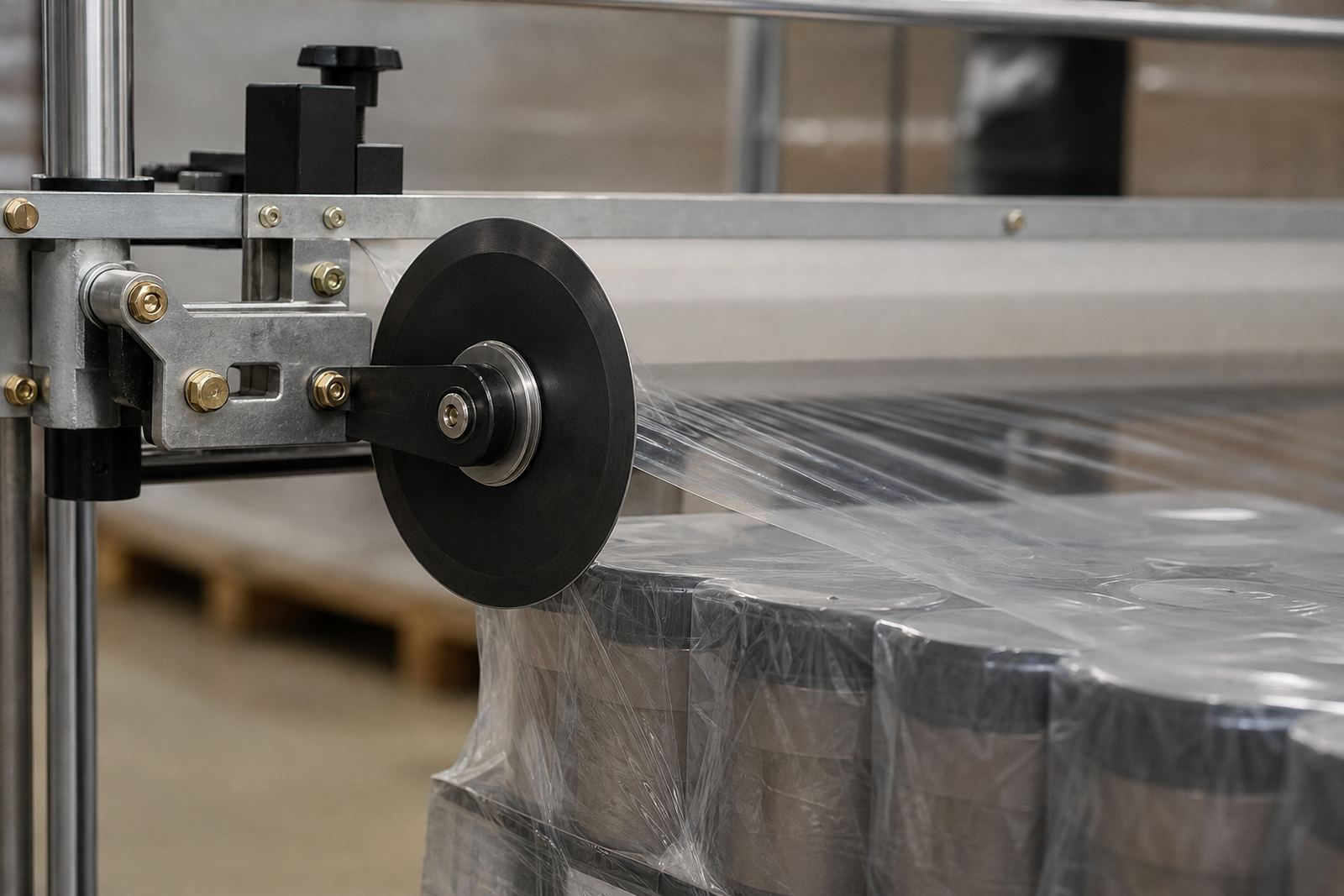
A rotary shrink cutter uses a turning cutting element to separate film neatly as products move through the packing process. The rotary action is useful where operators need a cleaner finish than a dragging blade can give, especially on shrink film that can stretch or pull at the cut point. It is suited to lines that run continuously and need a simple, repeatable way to cut film with less waste and less stop-start handling.
In practice, the cutter helps reduce film snagging around corners, guides and product edges. That matters in food packing, beverage bundles, building materials, personal care cartons and general industrial wrapping. The smoother cut also helps with presentation, which is important when packs are stacked, palletised or sent through distribution in Gauteng, KZN or the Cape where goods move through several hands before delivery.
Film Cutters supplies rotary cutters for shrink film applications where operators want more control and less fiddling. The units are chosen for use in real production spaces, not only tidy test bays, so we look at access, line speed, operator reach and how often the film is changed on site.
Sizes, Mounting Options and Film Types
Rotary shrink cutters are available in sizes that suit compact packing stations as well as longer conveyor runs. The right size depends on the film width, the product profile and how much room there is around the sealing area. Where space is tight, a smaller frame and shorter reach may be the better choice. On larger lines, a wider setup can give operators more room and better access for loading film rolls.
Typical options include fixed mount or adjustable mount setups, plus hand-operated or line-assisted arrangements depending on the packing method. The cutter can be paired with a dispenser or positioned as part of a full line setup. For sites in Germiston, Boksburg and Midrand, where production floors can be tight and busy, correct mounting helps keep the path clear and the roll change practical for the team.
- Suits shrink film widths commonly used on carton, bundle and pallet wrapping
- Works with light to medium gauge film and many standard packaging grades
- Can be matched to manual, semi-automatic or line-fed wrapping points
- Options for left or right side access depending on machine layout
We also look at the film roll diameter, core size and the weight of the roll when specifying the unit. If the roll is too heavy for the mounting point, the operator ends up fighting the equipment instead of using it properly.
Where It Suits Best in South African Plants
This cutter suits factories and warehouses that run shrink film every day and need a clean cut without constant trimming. It is a practical fit for packhouses, contract packers, wholesale distribution centres, plastics and paper goods, hardware packing and general manufacturing. Sites in Johannesburg and Pretoria often use it where throughput is high and operators need to keep the line moving even during load-shedding recovery or after a shift change.
It also suits coastal conditions where humidity can affect film handling. In Durban and Cape Town, shrink film can become trickier to manage when the air is damp and the film clings more than usual. A good rotary cutter helps keep the cut controlled, which makes the next wrap step easier. For inland plants in Polokwane and Ekurhuleni, dust and heat can also affect performance, so a cutter with simple cleaning points is a real advantage.
- Pack lines that need quicker film separation between cycles
- Sites where presentation and film finish are checked before dispatch
- Operations with different products running on the same line
- Factories that want less film pull and fewer torn edges
Installation, Power and Site Requirements
Installation starts with a site assessment so the cutter sits correctly in line with the wrapping and sealing process. We check mounting height, working clearance, operator position, film feed direction and the available fixing points. If the unit is being added to an existing packing line, we also look at how the film is loaded and whether there is enough room for safe roll change support.
Most rotary shrink cutters used on packing lines are mechanically driven or manually assisted, so power needs are often minimal. Where a site uses an integrated setup, we confirm the electrical supply and control interface before installation. If compressed air is part of the system, we check pressure stability and line condition. On sites that experience unstable power, it helps to know whether the cutter must stop, reset or continue safely when supply is interrupted.
Good installation means the operator can reach the film comfortably and the cutter does not interfere with conveyors, sealing bars or guarding. If the line is close to a wall or pillar, this needs to be planned properly. In busy plants, a poor layout can slow the whole pack team down, and that usually shows up in overtime and complaints from the floor.
Care, Servicing and Blade Replacement
Like any cutting equipment, the rotary unit works best when it is kept clean and checked on a schedule. Film residue, dust and offcuts can build up around the cutting path if the machine is not wiped down regularly. We recommend preventive servicing so wear is picked up before it turns into a stoppage. That is especially useful on lines that run multiple shifts or have frequent product changeovers.
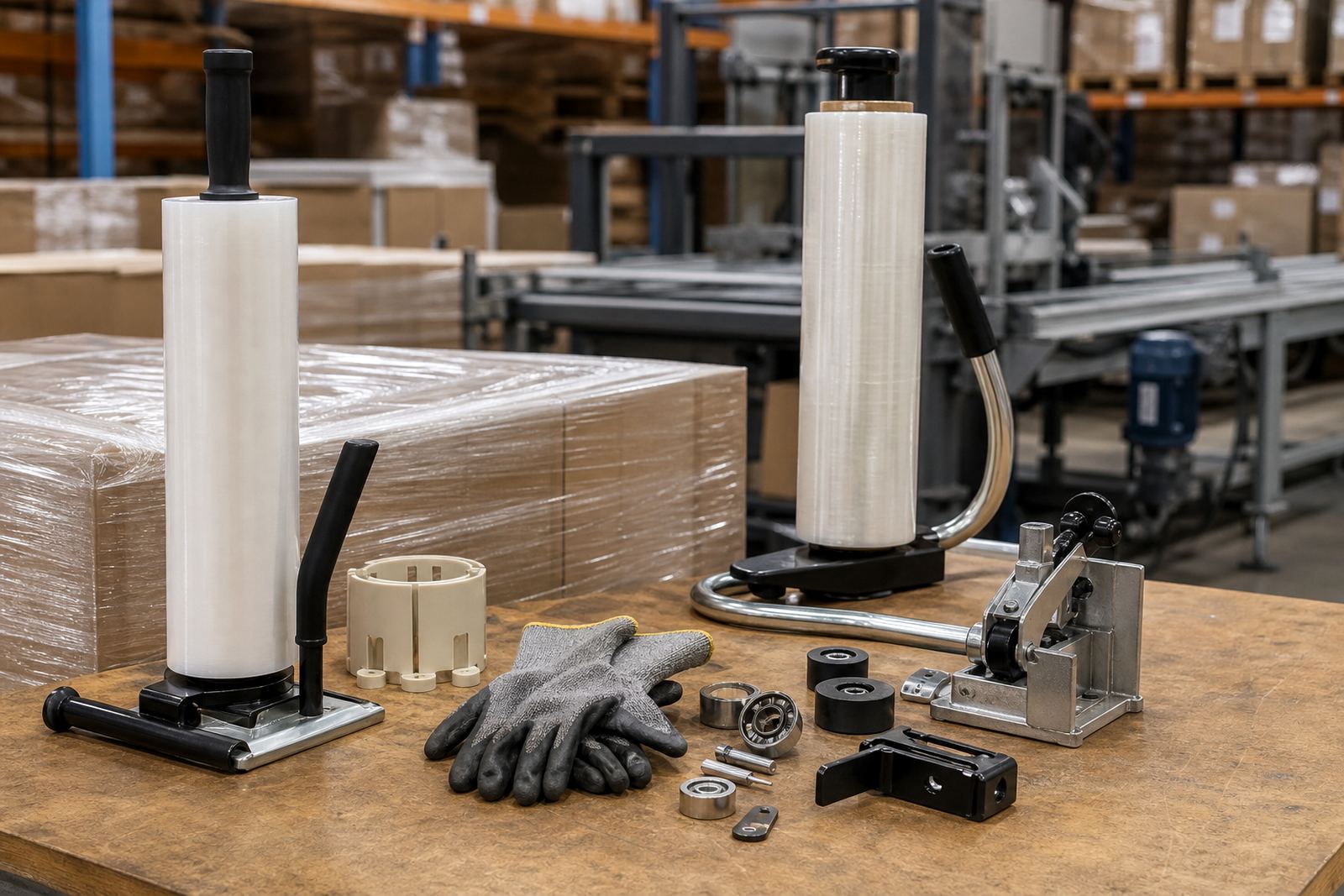
Blade condition matters. A worn edge can start to drag, fray the film or leave uneven cuts that need hand correction. Blade replacement should be done before the unit starts damaging product wrap or putting extra strain on the operator. We also check bearings, mounts, guards and fasteners, because vibration on a packing line can loosen fittings over time.
- Daily wipe-down to remove dust, film bits and adhesive build-up
- Weekly check of blade condition, alignment and mount tightness
- Scheduled servicing for bearings, moving parts and safety points
- Replacement of worn parts before they affect line output
For sites near the coast, we also look out for corrosion on fixings and hardware. Small rust spots can turn into bigger problems if they are left too long, so a simple inspection routine saves time later.
What to Confirm Before You Order
Before ordering a rotary shrink cutter, it helps to confirm a few practical details so the unit suits the line first time. The most important point is the film type and width. After that, check the roll diameter, core size, operating space and whether the cutter needs to suit one product size or several. If your line changes often, let us know what those changeovers look like.
It also helps to know the packing speed, operator position and whether the unit must work beside a sealer, conveyor or dispenser. If you are upgrading an older line, we can check whether the current mounting points will work or whether small changes are needed. Sites in Boksburg, Midrand and Germiston often need this kind of practical adjustment because the equipment is already fitted into a tight area.
Please confirm the following when sending an enquiry through our contact page:
- Film type, width and roll diameter
- Core size and roll weight
- Line speed and product size
- Mounting position and available space
- Whether power or compressed air is available
- Any safety or guarding requirements on site
With those details, we can recommend the right rotary cutter and the correct setup for your line, whether you are in Germiston or supplying from another part of South Africa.
Key facts
| Product type | Rotary action cutter for shrink film separation |
|---|---|
| Typical use | Packing lines, wrapping stations and film feed points |
| Film compatibility | Shrink film in common packing grades and widths |
| Mounting | Fixed or adjustable line mounting options |
| Power requirement | Usually minimal, with site-specific checks for integrated setups |
| Service support | Blade replacement, preventive servicing and line setup |