Start with the job the equipment must do
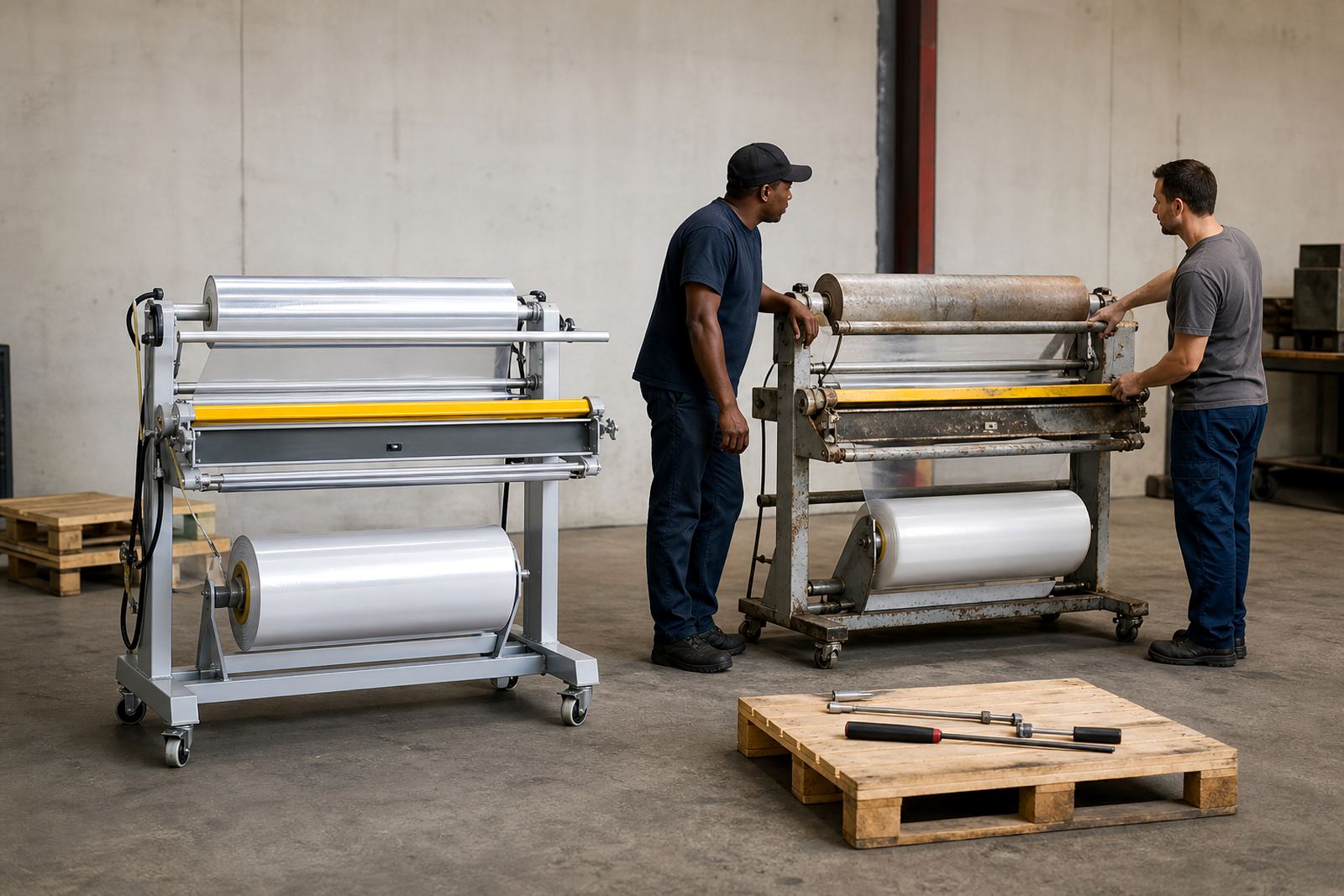
Before anyone touches the cutter or dispenser, explain why the unit is on the line and what good work looks like. Operators should understand the film type in use, the pack size, the wrapping method and the target output for that shift. On a line in Germiston or Midrand, the goal is the same, clean cuts, controlled film tension and less waste.
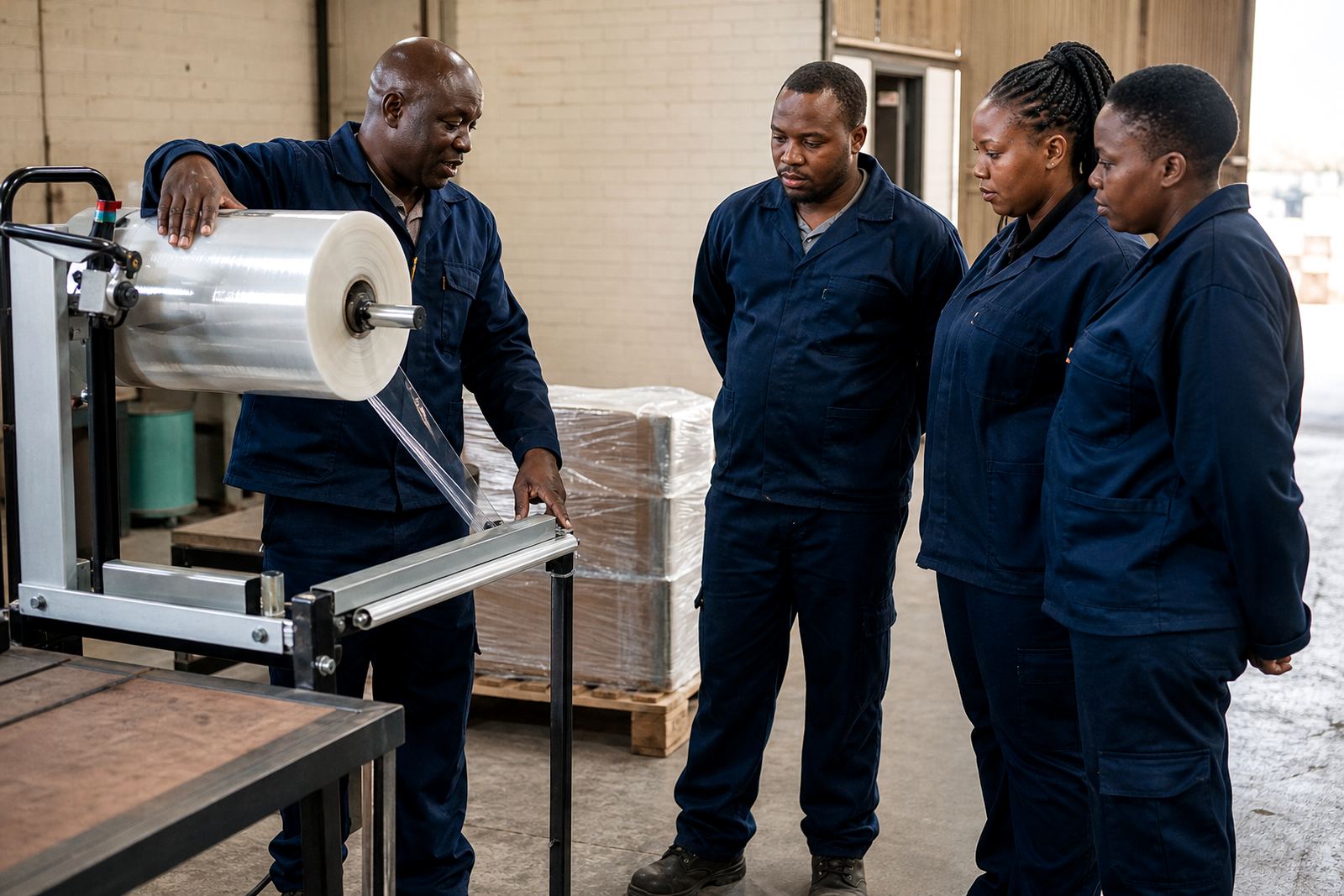
Training should begin with the basics of the packing flow so staff know where the cutter fits in. Show them how the roll is loaded, where the film path runs and how the unit supports hand packing or machine assisted wrapping. If the line changes between products, make sure they know which settings or handling steps change too.
- Identify the film type and roll width used on the line.
- Explain the expected wrap quality and cut accuracy.
- Show where the operator stands and how product moves past the station.
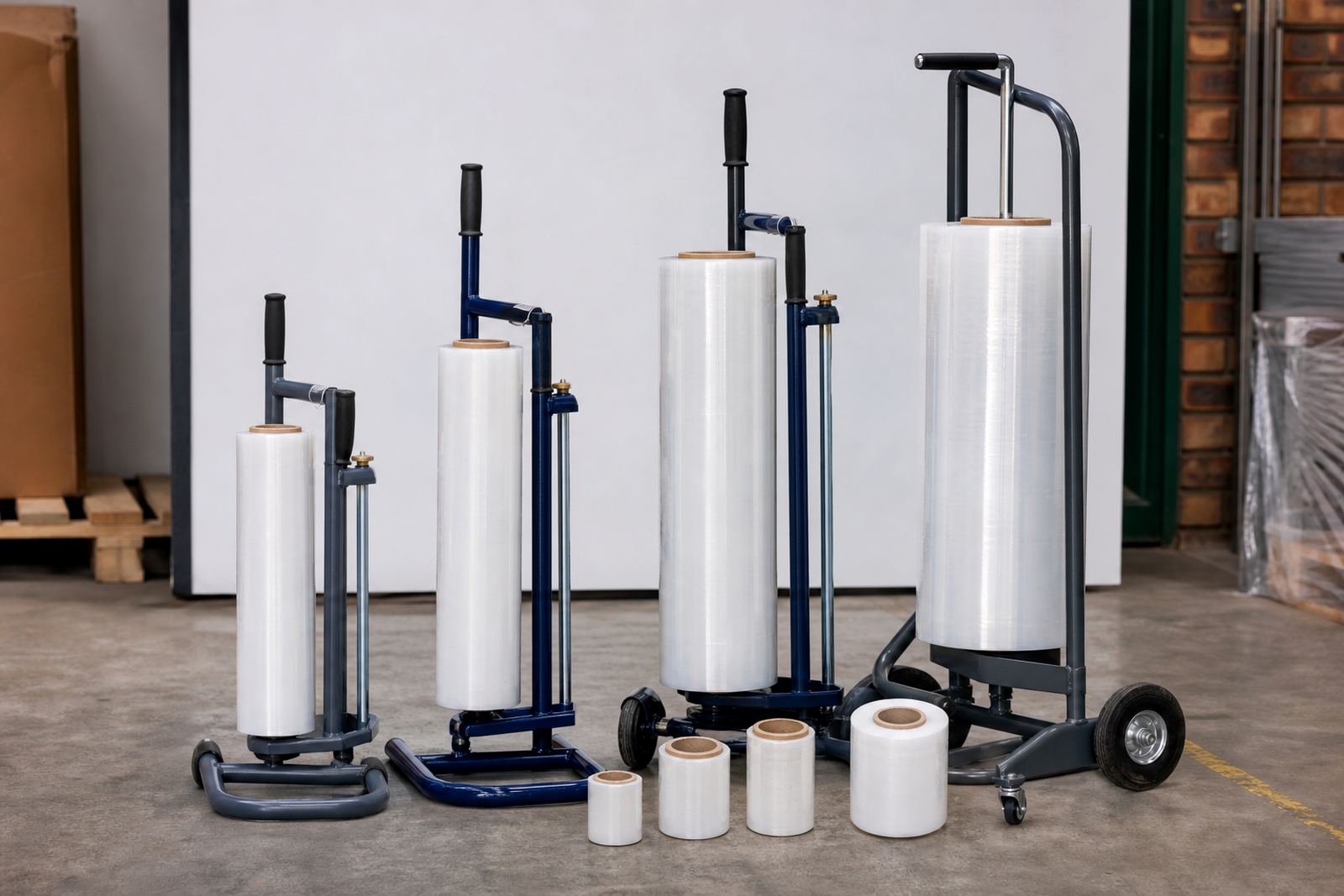
- Cover the difference between shrink film and stretch film handling.
Teach safe handling before speed
Safety training must happen before production pressure. Blades are sharp, rollers can pinch fingers and a rushed changeover can cause injury or damaged stock. Operators should learn how to isolate the unit if it is fitted to powered equipment, and how to keep hands clear during loading and cutting. In coastal areas such as Durban or Cape Town humidity can affect grip and film control so clean hands and dry floors matter too.
Make sure each trainee can explain the warning signs of a problem, including frayed film edges, uneven tension, loose fittings or a blade that is not seating properly. A short safety routine at the start of each shift helps keep the team alert, especially on early starts or after load shedding when the line restarts and everyone is trying to catch up.
- Wear the required gloves and PPE for the site.
- Keep fingers away from the cutting edge and moving parts.
- Check the floor for offcuts, loose wrap and slip risks.
- Confirm that guards and mounts are secure before use.
Demonstrate loading, threading and first cuts
Operators should practise loading the roll slowly and correctly several times before they work unsupervised. Show the exact film path, how to seat the roll on the holder and how to keep the roll aligned so it feeds evenly. A badly loaded roll causes drag, tearing and wasted film, and it usually leads to blame being placed on the cutter when the issue is really set-up.
Once the film is threaded, let trainees make a few test cuts with supervision. They should learn to feel the difference between a clean cut and a cut that drags or snags. On high-output lines in Pretoria or Boksburg, this step is worth repeating until the motion is natural and consistent.
- Check that the roll matches the job spec before loading.
- Thread the film through the correct guides and tension points.
- Test the first three cuts for edge quality and repeatability.
- Recheck alignment after the first few packs are wrapped.
Build good habits for changeovers and daily checks
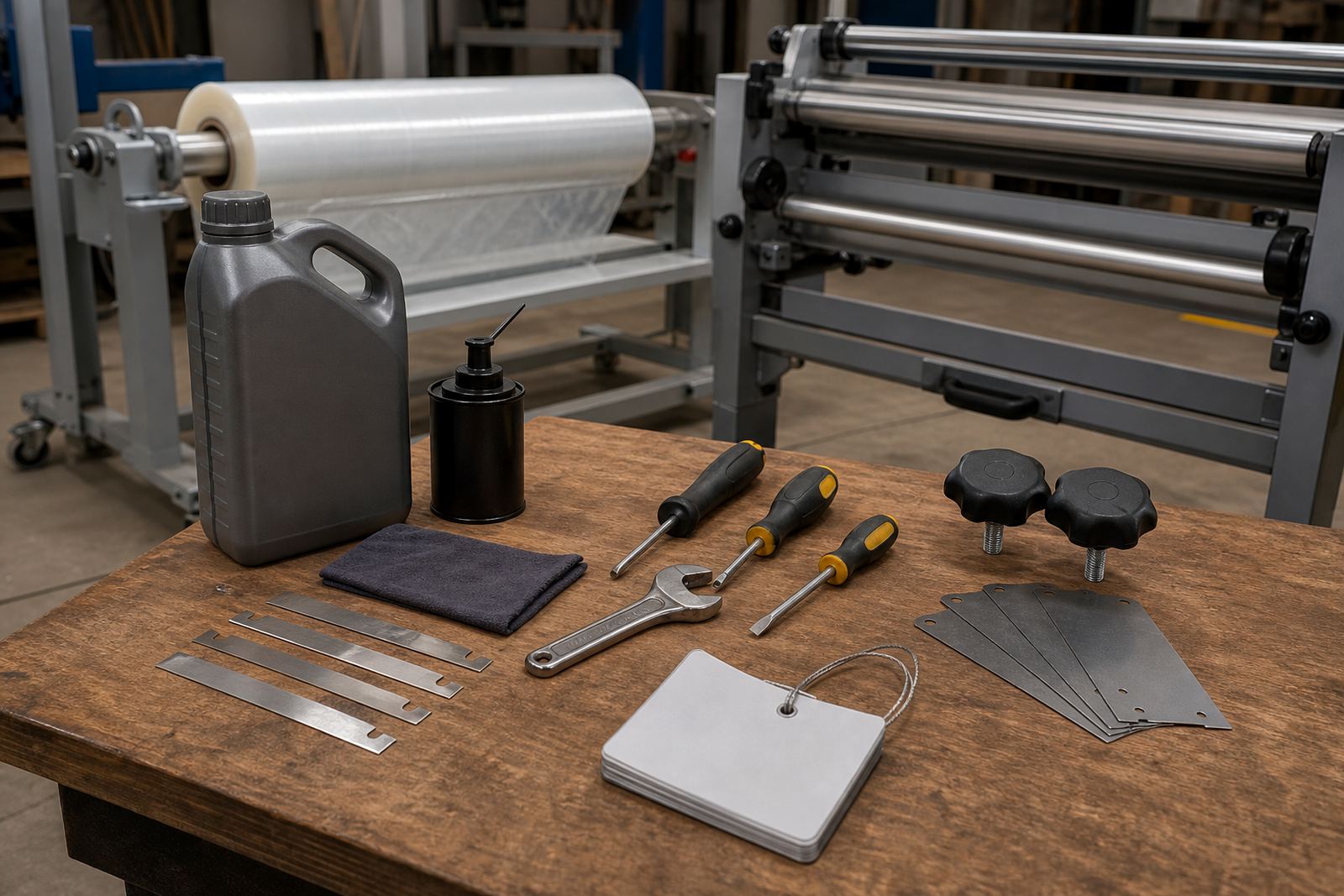
Most callouts happen because small checks are skipped. Train staff to inspect the cutter at the start of the shift, during roll changes and after any stoppage. They should look for wear, loose fasteners, damaged guides, build-up of film dust and any sign that the blade is becoming dull. A quick check takes minutes and can prevent a full line stop later.
Daily habits also include keeping the area clear, storing spare blades correctly and reporting faults early. If a dispenser starts sticking or if the cut is ragged, the operator should not keep forcing the unit. They need to stop, isolate the problem and call the right person before it becomes a bigger repair. That discipline saves time and keeps production steady.
- Inspect the cutter, holder and guides at the start of each shift.
- Record any unusual noise, resistance or poor film flow.
- Swap worn blades before product quality drops.
- Clean the station and remove offcuts from the work area.
Train for handling different site conditions
Training should reflect the realities of South African sites. In Germiston and Johannesburg, busy warehouse floors mean more traffic and more chance of knocks to the station. In Polokwane or Pretoria, dust can collect on moving parts faster than expected. Along the coast, humidity may affect film behaviour and how it grips on the roll. Operators should learn how to adjust their handling, not force the same motion in every setting.
It also helps to explain what happens during power interruptions. When production stops and starts again, operators often rush to recover output. They need a calm restart routine: check the film path, confirm tension, test the cut and make sure product flow is back to normal before building speed. A few extra seconds here can save a lot of waste.
Good training is not only about the machine, it is about the site, the product and the people standing on the line. When staff understand those conditions they work with more confidence and fewer mistakes.
Use a simple assessment and refresher plan
A training session is only useful if the operator can do the job on their own afterwards. Use a short assessment that checks loading, safe handling, cut quality and response to a fault. Keep the test practical and site based. If someone is not confident, repeat the steps before they return to the line alone.
Refresher training should be scheduled after a breakdown callout, an equipment upgrade, a new film type or a change in shift staff. Short refreshers work better than long theory sessions because the team can go straight back to the station and apply what they have learned.
- Can the operator load the roll correctly without help?
- Do they know the safety steps before and after use?
- Can they spot a dull blade or a poor cut early?
- Do they know who to call for a repair or spare part?
For sites in Germiston, Boksburg, Midrand, Johannesburg, Pretoria, Durban, Cape Town and Polokwane, that practical follow-through keeps the packing line moving and helps the team work with less waste and less downtime.
Close each shift with a handover that means something
The best operators do not just finish the shift and walk away. They leave a clear handover for the next person. That means noting blade changes, any sticking points, film waste, repairs carried out and anything that still needs attention. A good handover keeps the next shift from repeating the same fault and helps supervisors see patterns before they turn into repeated stoppages.
Make the handover brief but useful. If a dispenser is starting to bind or the cutter needed extra pressure to make a clean cut, say so. If a site is due for a service or spare parts, flag it early. That kind of reporting keeps the line under control and makes training part of daily work, not a once off exercise.