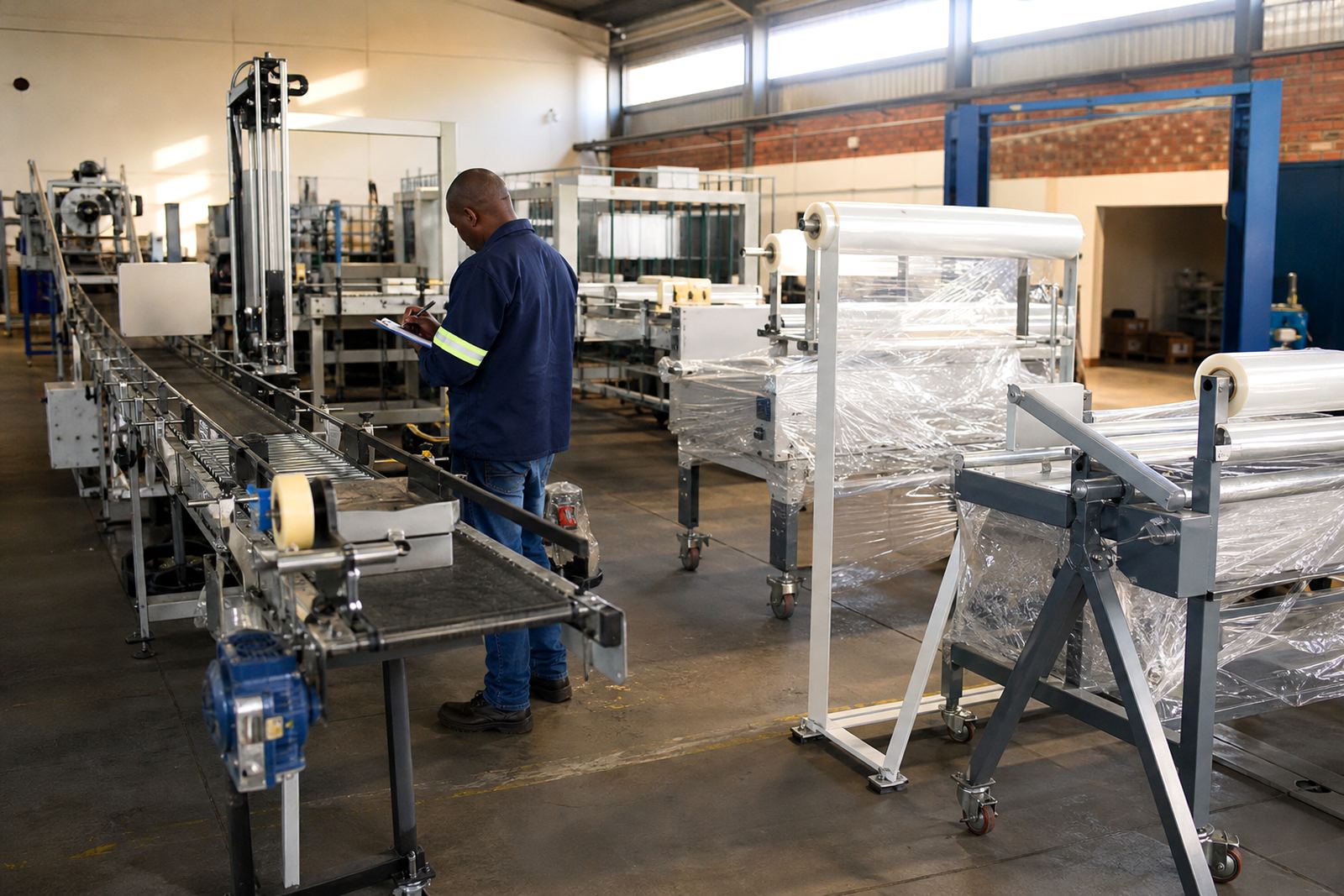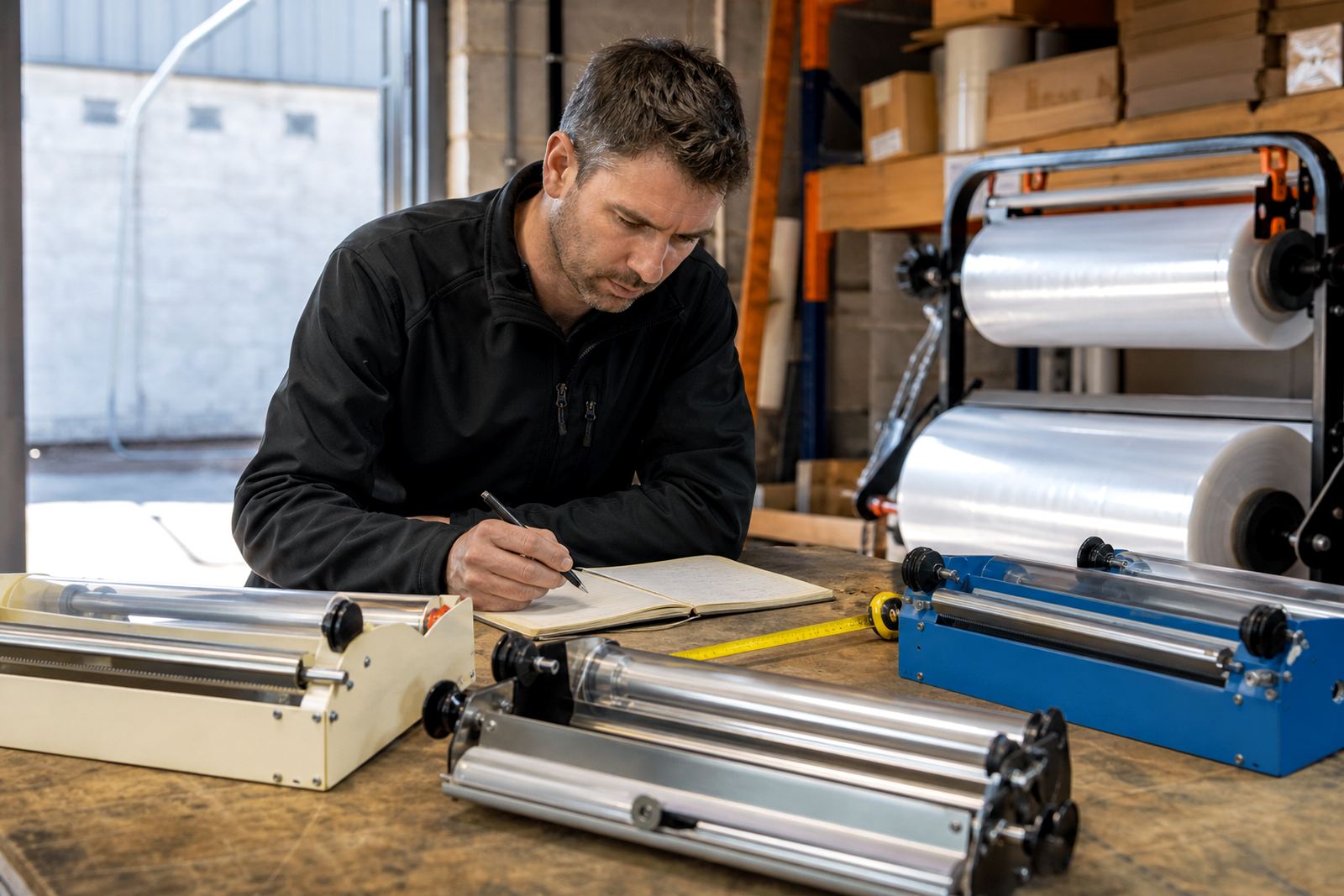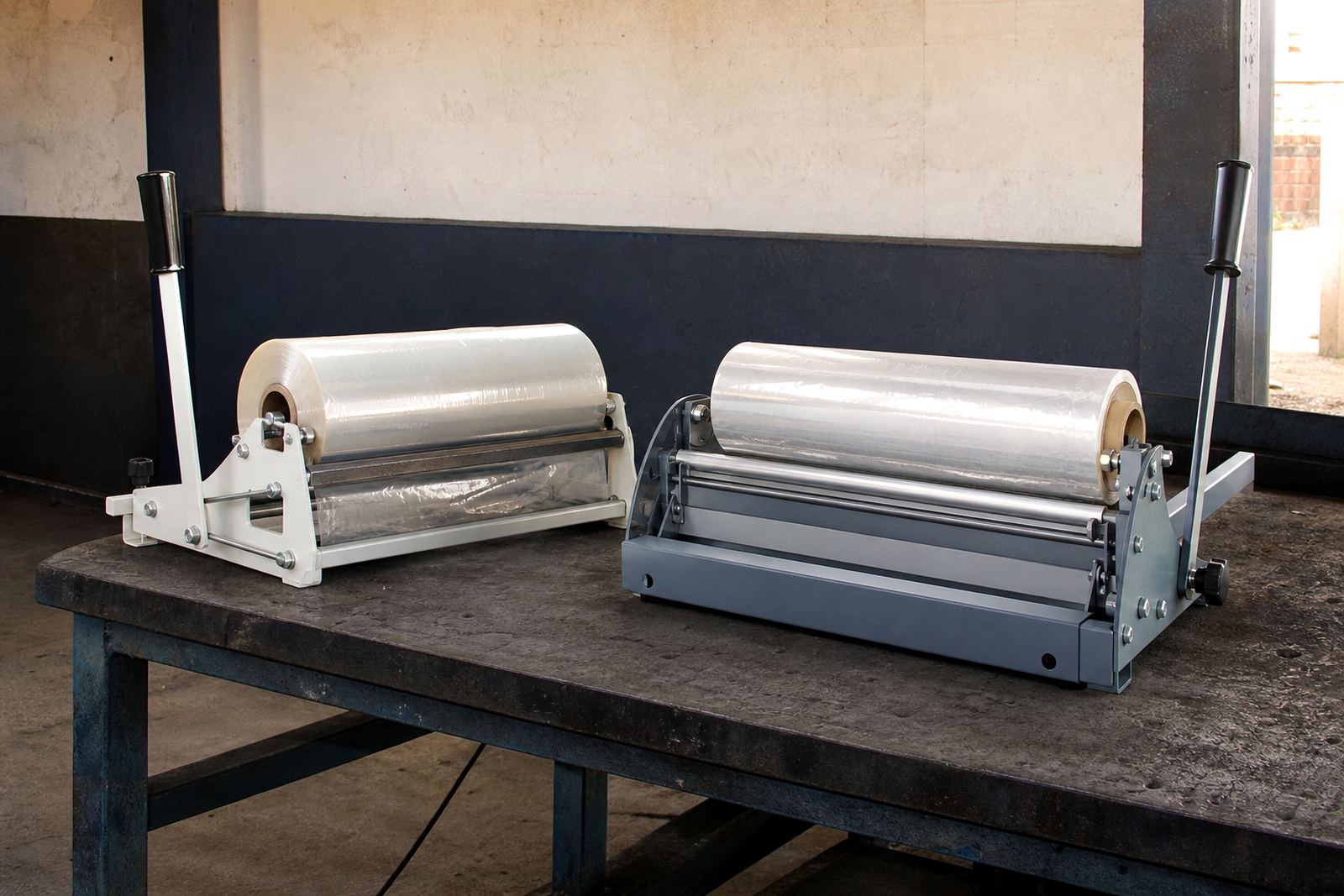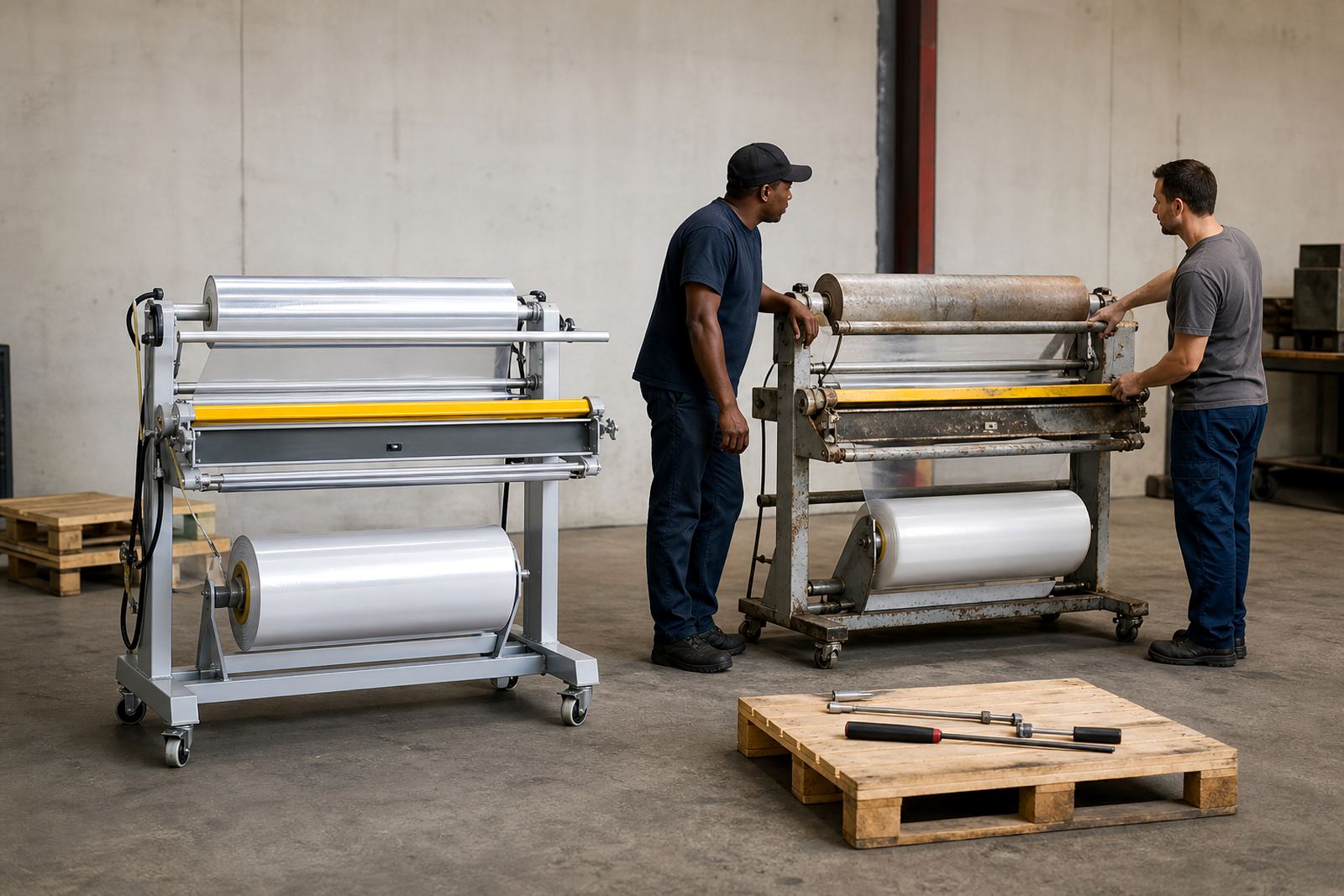
Start with how often the cutter will be used
The first question is simple: how many shifts will the cutter or dispenser work each week. If the unit is only needed for seasonal packing, a short-term project, or a temporary line change, hiring can make more sense than tying up capital in equipment that sits unused for months.
For busy sites in Germiston, Boksburg, Midrand or Johannesburg, buying often makes more sense when the same line uses the unit every day and downtime is costly. A permanent unit is easier to standardise, and your team gets used to one setup instead of changing machines between jobs.
- Hire if the need is short-term, seasonal or tied to one contract.
- Buy if the unit will be used daily across one or more packing lines.
- Compare the cost of hire over 6 to 12 months against purchase price.
- Factor in installation, training, blade changes and spare parts.
When hiring is the better choice
Hiring works well when you need speed and flexibility. It is often the better option for new packing lines, trial runs, product launches, or when you need a backup unit during repairs. If you are testing a new wrap format or deciding between manual and assisted dispensing, hire gives you room to make the call without a large upfront spend.
It also helps during periods where cash flow matters most. Smaller operations, warehouse teams, and contract packers often prefer to keep funds available for stock, labour and transport, especially in high-pressure months or during load-shedding related disruptions.
- Best for temporary projects or peak season demand.
- Useful when you need a backup during breakdowns or servicing.
- Good for trialling a cutter before committing to a purchase.
- Helps if you expect the packing line layout to change soon.
When buying pays off in the long run
Buying is the better choice when the unit is part of daily operations and the packing line is stable. Over time, ownership usually lowers the cost per use, especially where the same team handles stretch film or shrink film on a regular basis. It also gives you full control over the equipment, setup and maintenance schedule.
If your site handles high volumes in Pretoria, Durban or Cape Town, the saving often comes from fewer interruptions and less operator variation. A proper installation with trained staff can reduce waste, improve wrap consistency and cut film snagging. That means less rework and fewer line stoppages, which adds up quickly.
Buying is also practical if you want a standard setup across multiple sites. When the same cutter or dispenser is used in Germiston, Polokwane and Cape Town, training and spares become simpler to manage.
Cost checklist before you decide
Do the sums before you commit. The purchase price is only one part of the picture. A cheap hire agreement can become expensive if the unit is needed for months, while a bought unit can cost more than expected if you ignore servicing and consumables. Use the checklist below to compare both options on the same basis.
- Upfront cost versus monthly hire rate.
- Expected usage per shift and per month.
- Installation, line setup and operator training costs.
- Blade replacement, repairs and preventive servicing.
- Transport to site, especially for branches outside Gauteng.
- Risk of lost production if the unit fails on a busy day.
If your line cannot stop for long, add the cost of a breakdown callout and the value of lost packing time. In many cases, that number matters more than the sticker price.
Simple decision steps for packing managers
A clear process makes the choice easier for operations teams and procurement staff. Start with the job at hand, then check the expected run length, the line speed, and how often the equipment will be moved between areas. If the use case is still uncertain, a short hire period can give you real numbers instead of guesses.
- Confirm the packing volume and whether it is daily or occasional.
- Check if the site has trained operators already, or needs training.
- Compare the total cost of hire against ownership over 12 months.
- Look at service support, spares and response times for your area.
- Decide whether flexibility or long-term control matters more.
If you manage multiple sites, note which branch needs the unit most often. A machine that is moved constantly between Johannesburg and Durban may be better hired in one place and bought for another.
Support matters as much as the unit itself
Whether you hire or buy, the support behind the equipment is what keeps your line moving. Safe use, correct blade condition and proper setup all affect speed and film wastage. For sites dealing with dust, humidity or heavy daily use, regular checks matter even more. Coastal conditions in Durban and Cape Town can be hard on moving parts, while busy inland lines may need more frequent blade replacement.
Our team handles onsite installation, line setup, preventive servicing, dispenser repairs, spares supply, operator training, safety checks, site assessments, roll change support, breakdown callouts and equipment upgrades. That means you can choose the route that suits your operation and still get practical support after the unit is on site.
- Check that operators know safe blade handling and film loading.
- Plan servicing before the line starts showing wear.
- Keep spare blades and key parts on hand for busy periods.
- Review the setup after the first few weeks and adjust if needed.