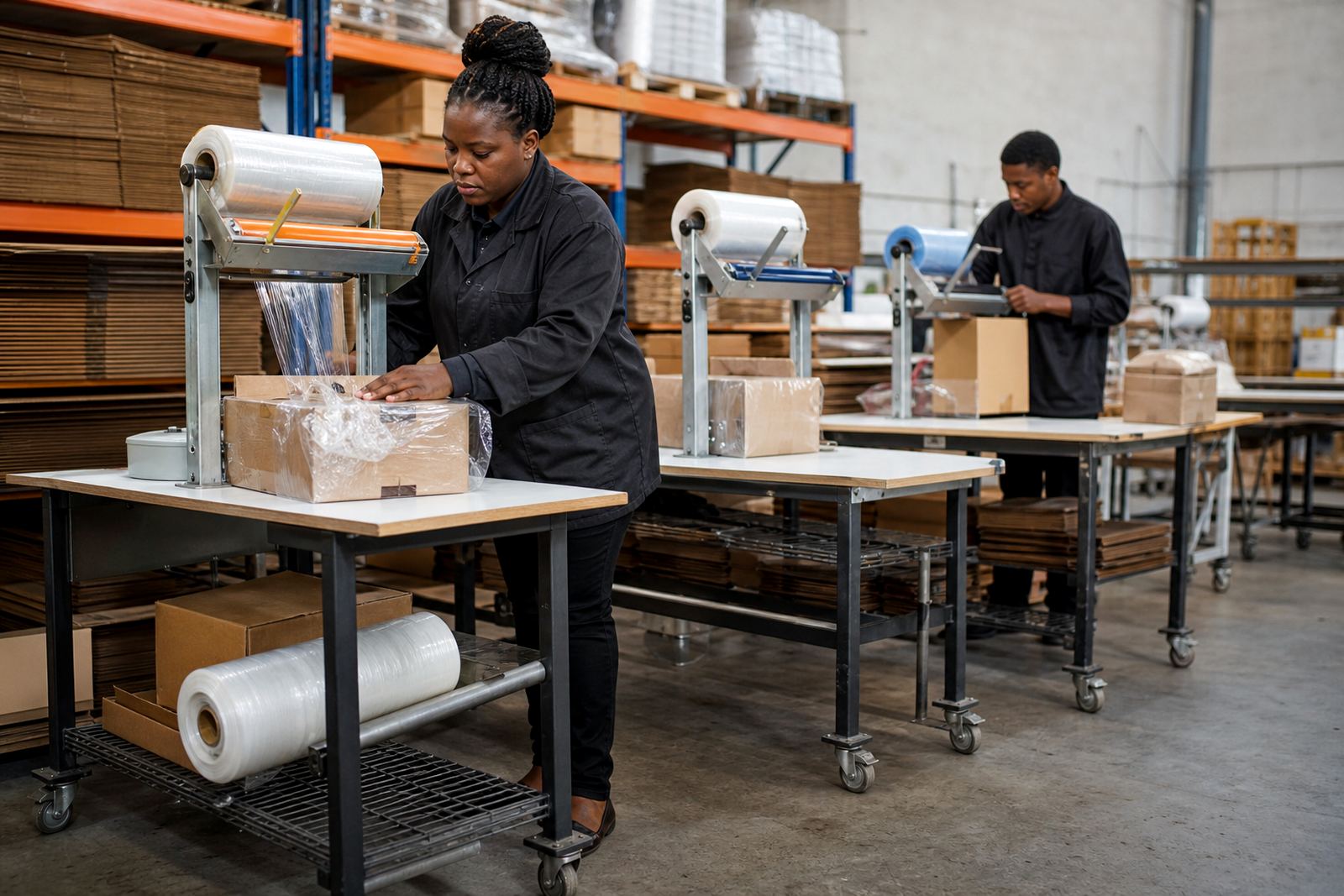
Fulfilment packing in Benoni that needed less stop-start handling
The site was a mid-size ecommerce fulfilment operation in Benoni serving daily parcel dispatches into Gauteng and other provinces. Their packing line handled mixed carton sizes, palletised outbound loads and a steady stream of stretch film and shrink film use, so the wrap point had become a bottleneck. Operators were cutting film by hand, moving too far around the pallet and losing time every time a roll needed changing.
The brief was practical. Improve the wrap station, keep the film application neat, and make it easier for operators to stay in one working zone without reaching across live movement areas. The team also wanted less waste, fewer torn edges and a setup that could cope with load-shedding interruptions and restart quickly once power returned.
Because the line was running in a tight warehouse footprint, there was limited room for extra stands or loose tools. The site also had standard safety requirements for walkways, hand clearance and blade control, so any new equipment had to be simple to use and easy to keep in the same position every shift.
What the line needed and the constraints we worked around
The packing area had a few common issues we see in high-throughput sites around Benoni and Boksburg. Film rolls were being stored too far from the work point, cutters were shared between operators and the wrapping routine changed from one shift to the next. That led to uneven wrap tension, more film overlap than needed and a fair amount of wasted steps.
We also had to work around these constraints:
- Limited floor space beside the packing tables and pallet staging area
- Mixed parcel and pallet sizes, from small cartons to full outbound pallet loads
- Frequent shift handovers, which meant the setup had to be easy to understand
- Intermittent power cuts, so any process change had to be mechanical and dependable
- Busy loading periods where downtime had to be kept very short
The client did not want a complicated system. They needed cutters and dispensers that could be used correctly by different operators with minimal retraining, and that would still hold up under daily warehouse use. We planned the work so the line could keep moving while the new setup was introduced in stages.
Cutter and dispenser setup for cleaner wrap control
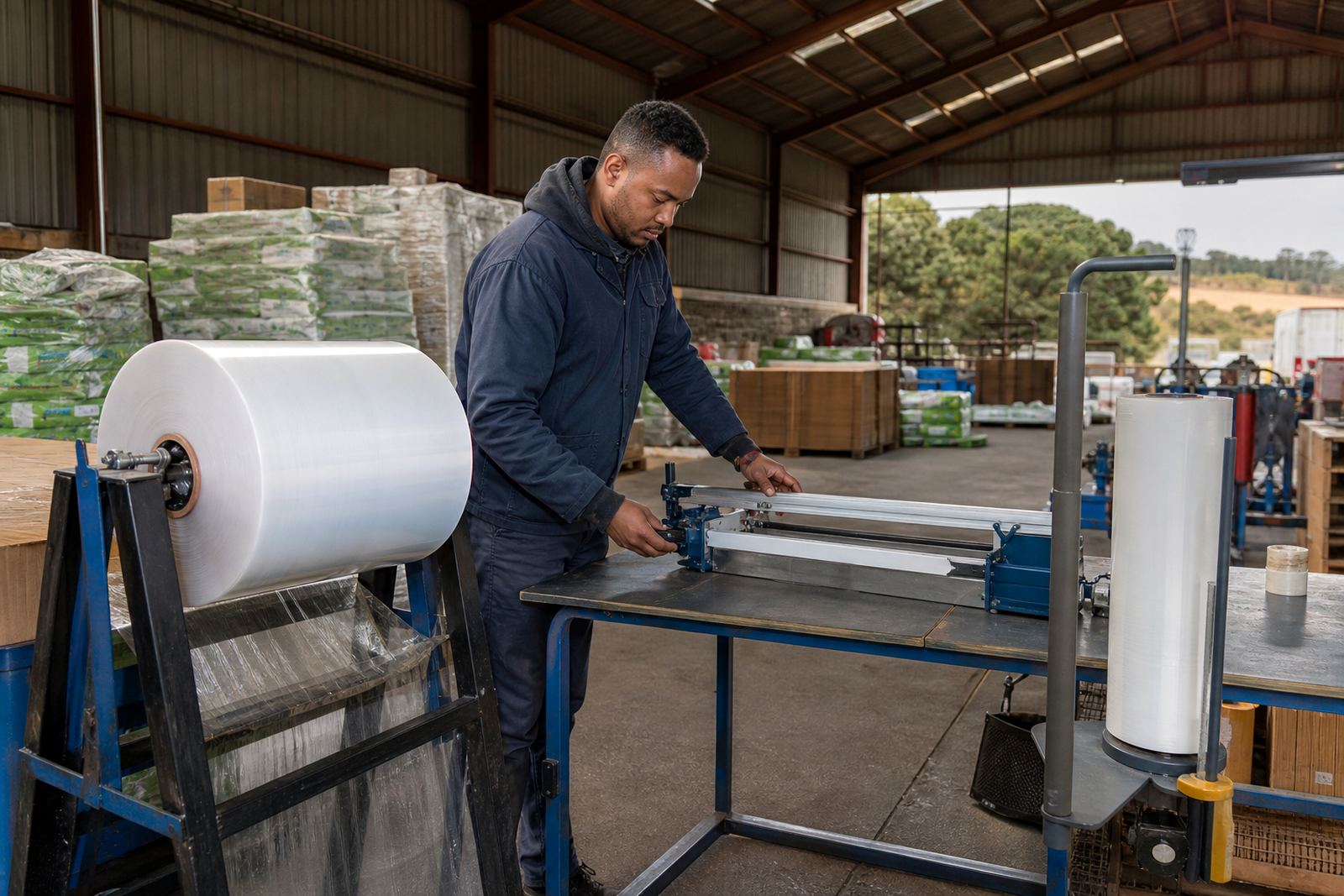
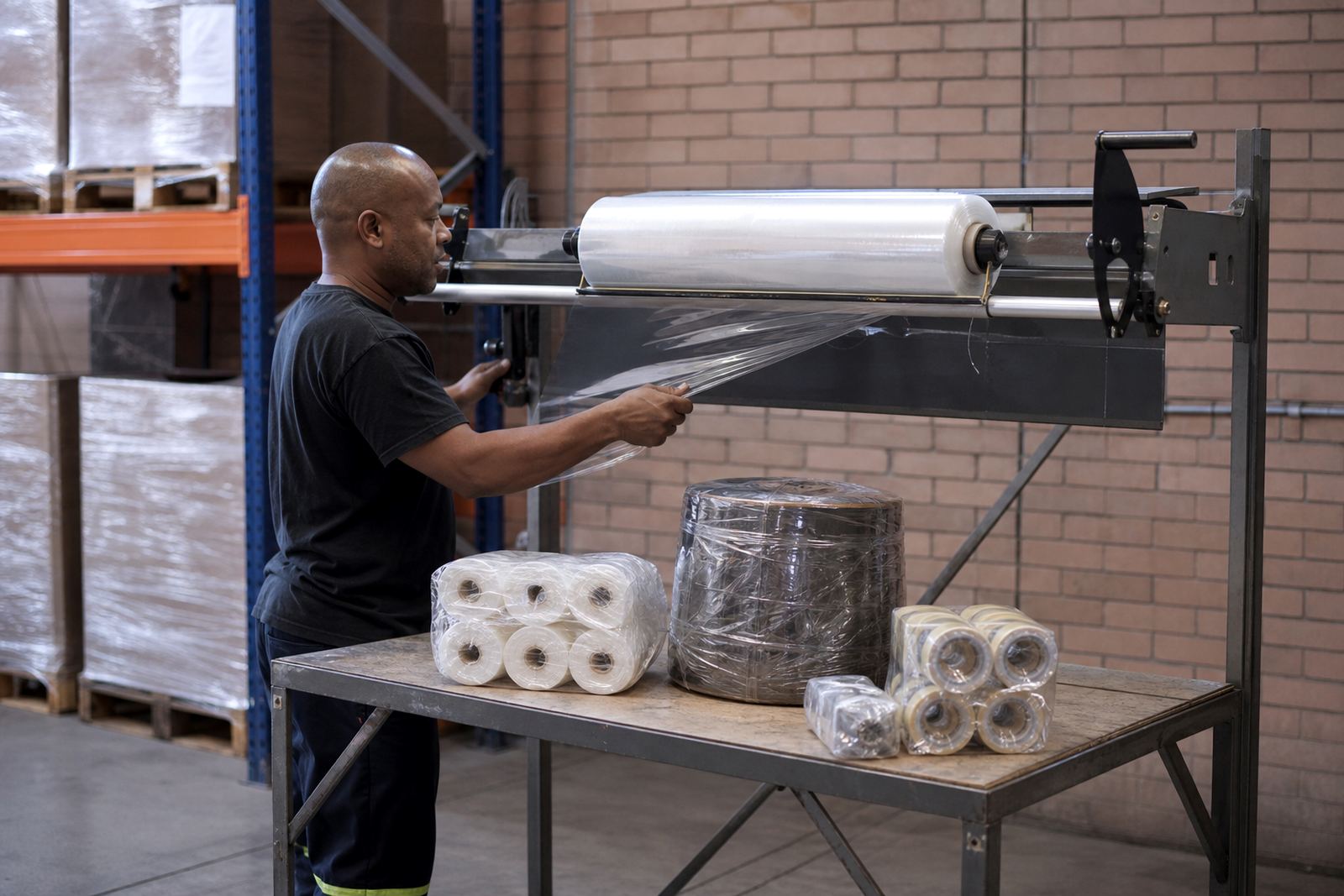
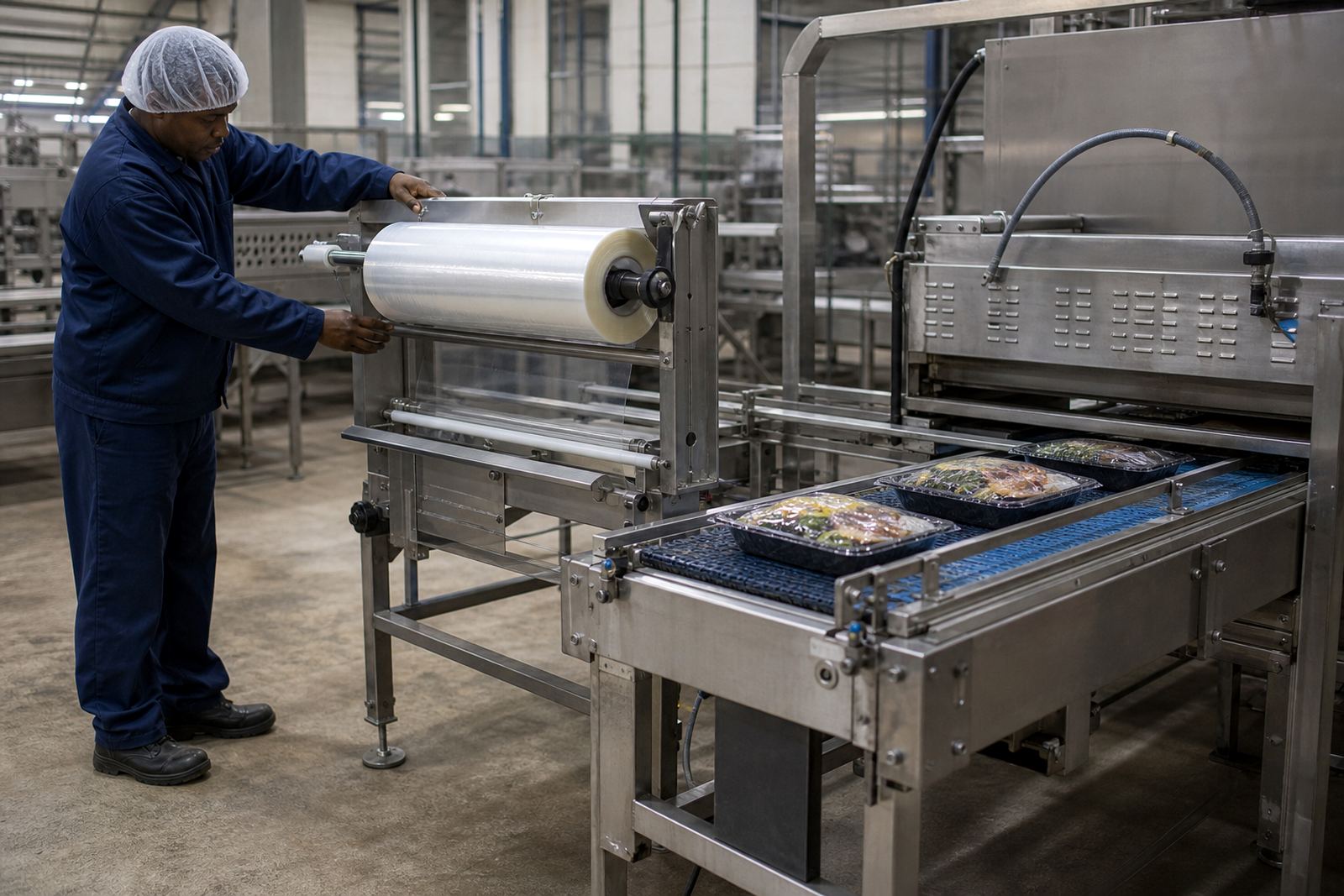
We supplied film cutters and dispensers sized for a busy packing line, with a focus on steady handling and repeatable film breaks. The main units were placed at the working points where operators actually pick up and apply film, which cut down unnecessary walking and kept the roll change closer to the wrap zone.
The setup included the following key facts:
- Handheld cutter and dispenser units for both shrink film and stretch film work
- Lightweight handling for repeated use across long shifts
- Simple blade access for faster replacement during servicing
- Controlled film feed to reduce tear-offs and uneven tension
- Layout suited to pallet wrap stations and parcel consolidation points
We also checked the existing work sequence and adjusted the operator flow so the cutters sat where hands naturally move during wrap application. That sounds small, but on a packing line it makes a real difference. Less reaching means less fatigue, and less fumbling around a roll means better film placement. The operators picked it up quickly because the tool movement was straightforward and did not need a special routine.
Installation, setup and training in one visit
The work was carried out over two weeks from first site assessment to final handover. Week one covered the visit, measurements and line review. We looked at the packing sequence, the wrap points, roll storage and the safest mounting and handling positions. Week two covered installation support, operator training and the final checks after the line had run under normal load.
During setup we completed:
- Onsite installation of cutters and dispensers at the agreed work points
- Line setup to match the existing packing rhythm
- Operator training for safe blade use and correct film handling
- Safety checks around walkways, reach zones and roll changes
- Roll change support so changeovers stayed quick during shift work
The handover focused on practical use. We showed the team how to keep the film aligned, how to replace blades without delaying the line and how to spot wear early. Where needed, we advised on spare blade control and basic care so the equipment stayed ready through busy dispatch periods. The client wanted a setup that would not rely on one person to keep it working, and that was exactly the point of the training.
Results on the floor after the first week of use
Once the new setup settled in, the packing team had a more direct movement pattern around each pallet and parcel station. The biggest change was that operators no longer had to break their rhythm to search for a cutter or reposition the roll. That reduced wasted motion and kept the flow more consistent from one pack cycle to the next.
The client reported better control during wrap application, less slack film around the load and fewer uneven cut points that had been causing rework. The line also handled changeovers more cleanly because the cutters were in fixed positions and the staff were trained on the same method. In a site like this, consistency matters more than anything else because the volume does not stop for long.
There was also a useful safety gain. Fewer loose tools around the line meant less clutter near the packing lane, and the team had clearer habits around blade use and storage. That matters in a fast-moving warehouse where cartons, wrap and trolley movement are all happening at once.
What we would repeat on the next ecommerce line
If we were doing the same job again, we would follow the same approach. Start with the operator movement, not just the film tool itself. Check where the hands go, where the rolls are stored and where the line slows down when a change is needed. That gives you a setup that suits the real work, not just the drawing on paper.
For ecommerce and fulfilment operations in Benoni, Germiston, Johannesburg or Midrand, the lesson is simple. Keep the cutter and dispenser close to the point of use, make the blade change easy, and train the whole shift not only one supervisor. That is what keeps the line moving after the first week, and it avoids the usual cycle of quick fixes that do not last.
We would also keep spares on hand from day one, especially on sites with high dispatch counts or irregular power supply. A small parts plan saves time when a blade needs replacing or a dispenser needs attention, and it helps the warehouse stay productive through the month end rush.
Key facts
| Project type | Fulfilment packing upgrade |
|---|---|
| Town | Benoni, Gauteng |
| Client type | Ecommerce fulfilment centre |
| Timeline | 2 weeks from assessment to handover |
| Core equipment | Shrink film and stretch film cutters and dispensers |
| Service scope | Installation, setup, training, safety checks and roll change support |