Start with the film you actually use
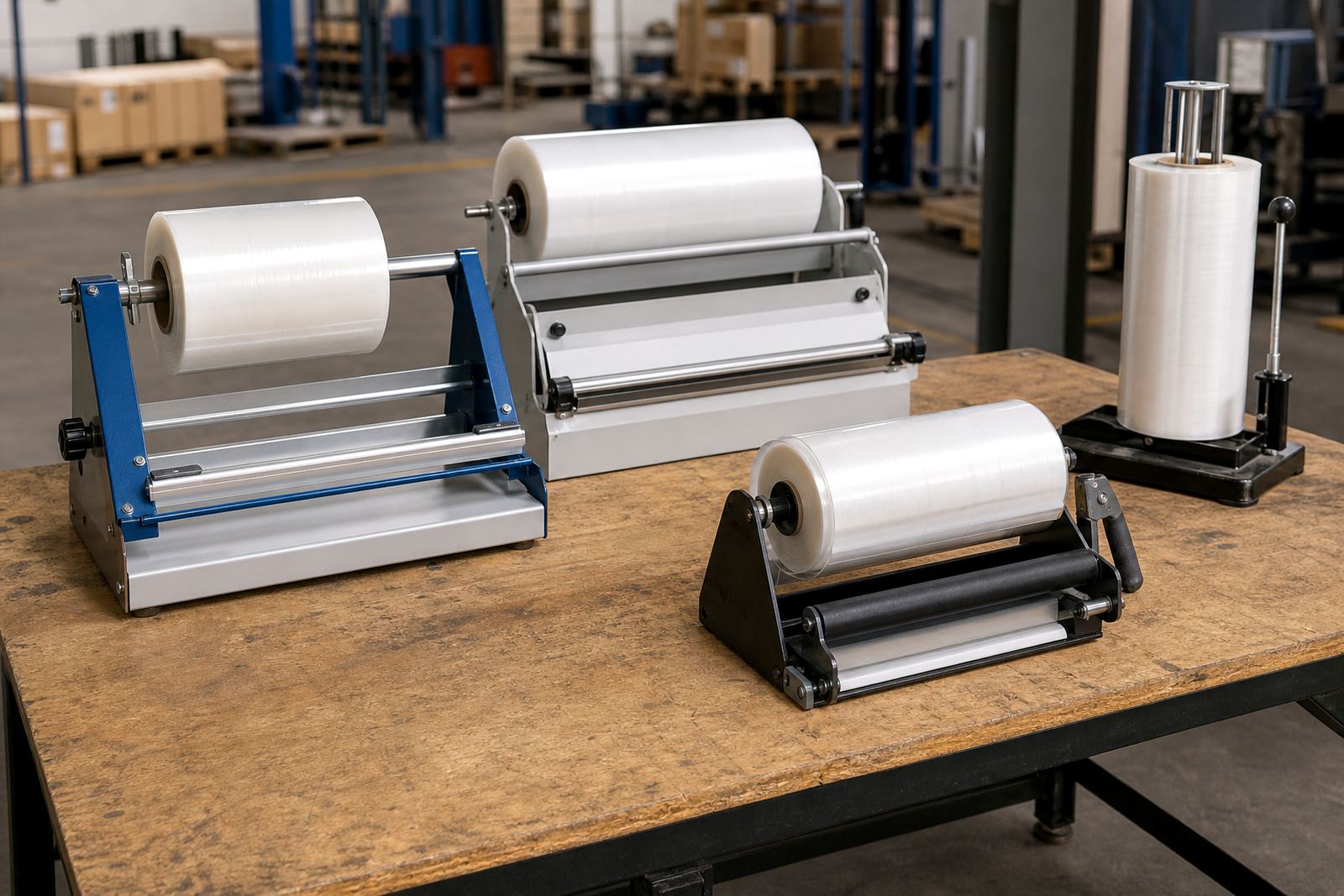
Shrink film is not all the same, and that is where many packing lines go wrong. A cutter that works well on light-gauge film may struggle when the line changes to thicker rolls, wider formats or a tighter pack pattern. If your operation handles mixed product sizes, the cutter needs to give a clean, repeatable cut without dragging or snagging the film.
In practical terms, look at roll width, film thickness, how often the film is changed and whether the line runs in short bursts or long shifts. A plant in Germiston handling cartons for Gauteng customers may need a very different setup from a Cape Town site with colder mornings, coastal humidity and slower manual changeovers. The right choice starts with the film spec on your floor, not the brochure.
Match the cutter to line speed and daily output
A cutter that feels fine during a quiet test can become a problem once the shift is under pressure. If your team is pushing pallets, cartons or bundled goods through a packing line all day, the cutter must keep pace without causing bottlenecks. On busy sites, a poor fit can add seconds to each wrap, and that quickly turns into lost time and frustrated operators.
Ask how the cutter performs during repeated use, especially where one person is doing film application, sealing and load movement at the same time. The right model should support the pace of the line, not force the team to work around it. If you are supplying branches in Johannesburg, Pretoria or Durban, the equipment should cope with different production rhythms and shift patterns too.
- Check how many cuts the unit can handle in a shift
- Ask whether it is suited to manual, semi-automatic or guided use
- Confirm the changeover time when rolls need replacing
- Look at how the cutter behaves after repeated use on long runs
Safety features matter on every packing line
A shrink cutter sits in the hands of operators all day, so safety has to be built in from the start. Blade exposure, grip comfort and trigger action all affect how safely the team can work. If a cutter feels awkward, people tend to improvise and that is where incidents happen. Safety is not about slowing the line down, it is about keeping it steady and controlled.
For sites with multiple operators or shift teams, training matters just as much as the hardware. Clear handling steps, blade change procedures and basic safety checks should be part of the routine. In busy plants around Boksburg or Midrand, where staff turnover can be high, simple user friendly equipment helps keep standards consistent. Even a small slip can lead to wasted film, cut hands or damaged product, so the design needs to support good habits.
- Choose a design with a secure hand grip and controlled blade action
- Make sure blade replacement is simple and safe
- Ask what training is included for new operators
- Include routine safety checks in daily start-up procedures
Think about servicing, spares and breakdown response
Every packing line needs equipment that can be kept running without long delays. If a cutter fails and spare parts are hard to get, the line can stop for longer than expected. That is a problem whether you are in Polokwane, Germiston or Cape Town. The value of the cutter is not only in the purchase, but in how easily it can be maintained over time.
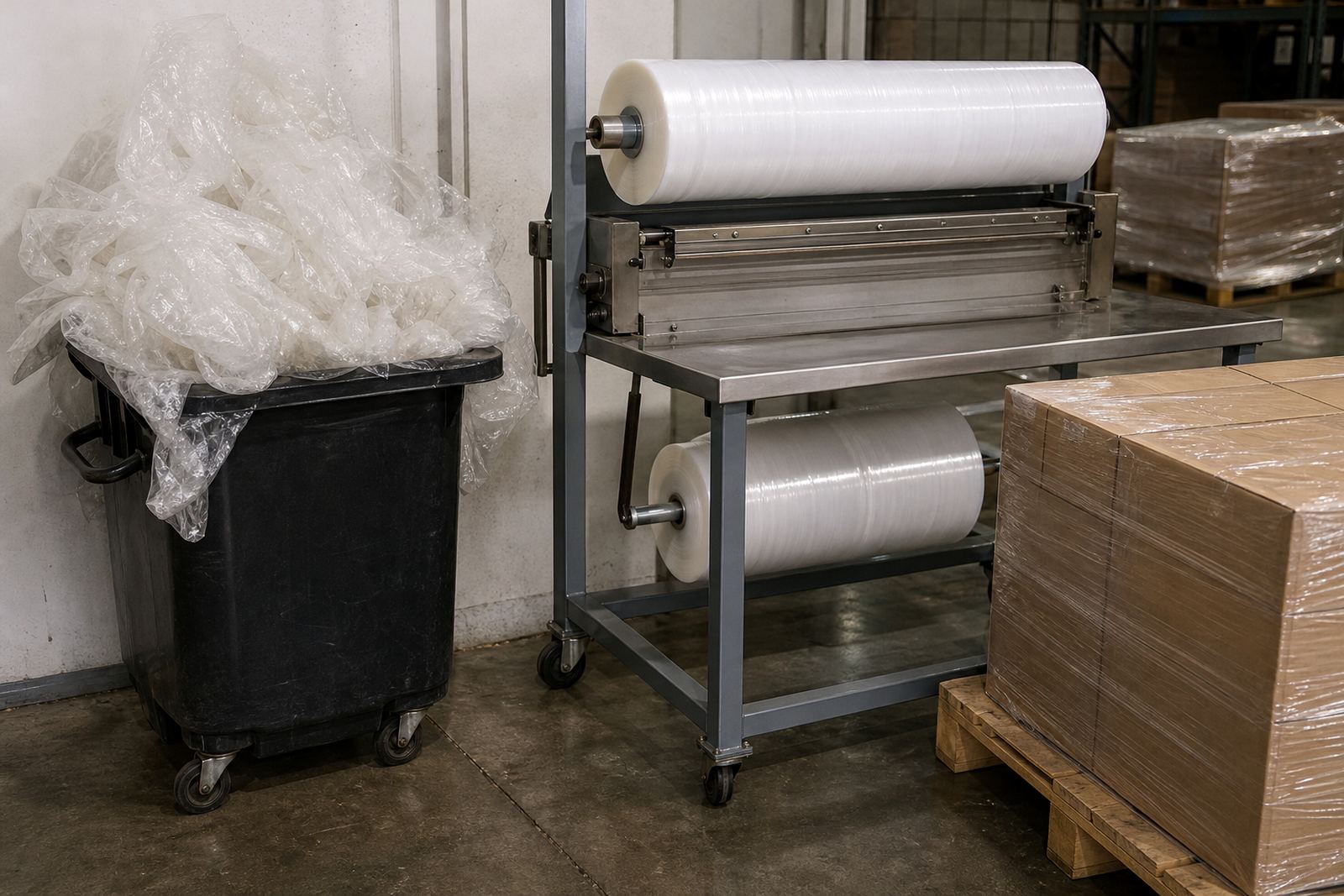
Look at blade replacement intervals, the availability of wear parts and whether the unit can be repaired on site. Preventive servicing is especially important where the line runs under pressure or where dust and film residue build up around moving parts. A good support plan reduces surprise breakdowns and keeps the packing area moving. On our side, that usually means a site check, a practical service schedule and clear advice before things go wrong.
Choose a setup that suits your floor space and handling flow
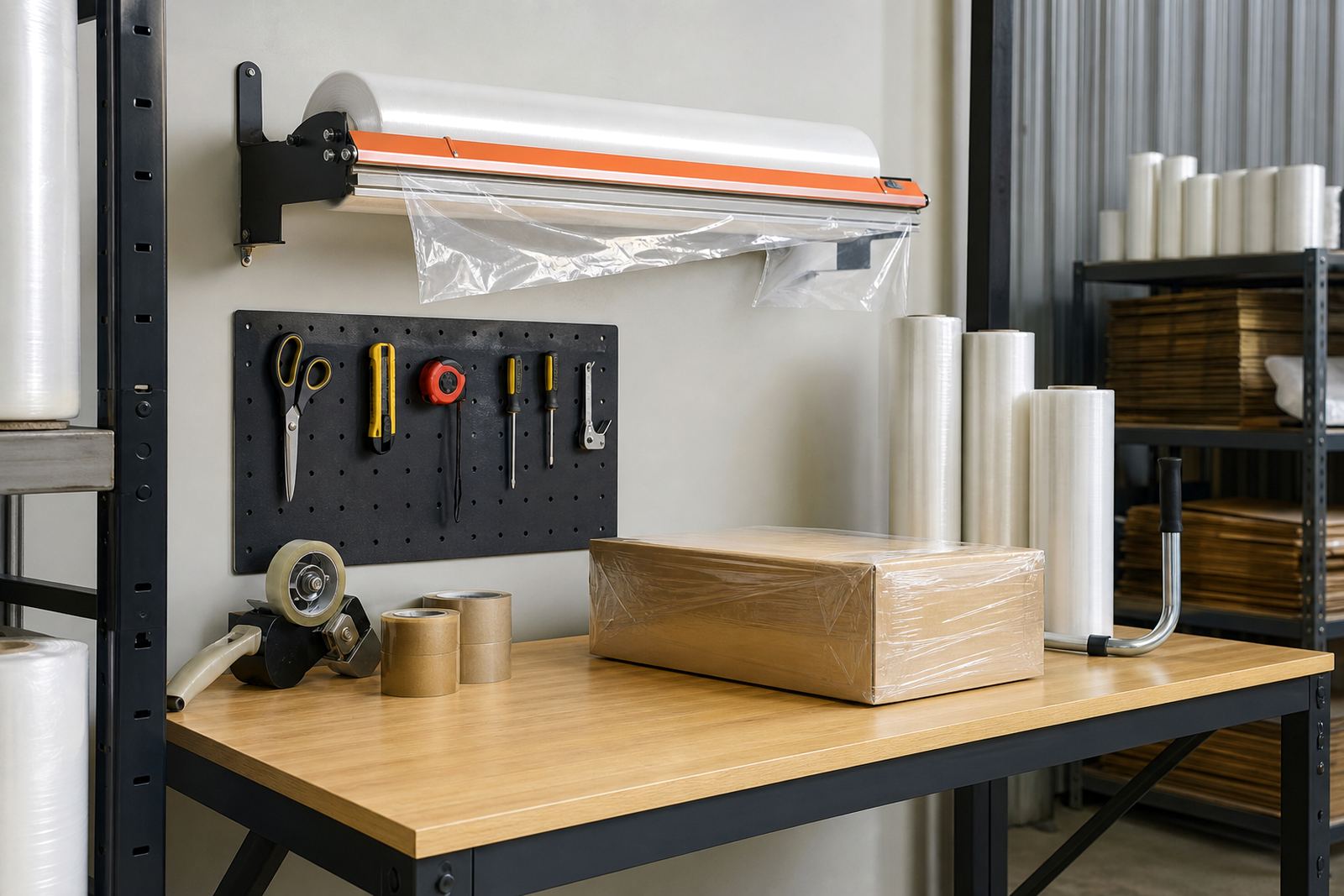
Some packing areas are tight, with limited bench space and not much room to turn or stage rolls. In those conditions, the cutter has to fit the process as well as the physical space. If the operator has to step too far, twist awkwardly or reach across other equipment, the line becomes slower and less safe.
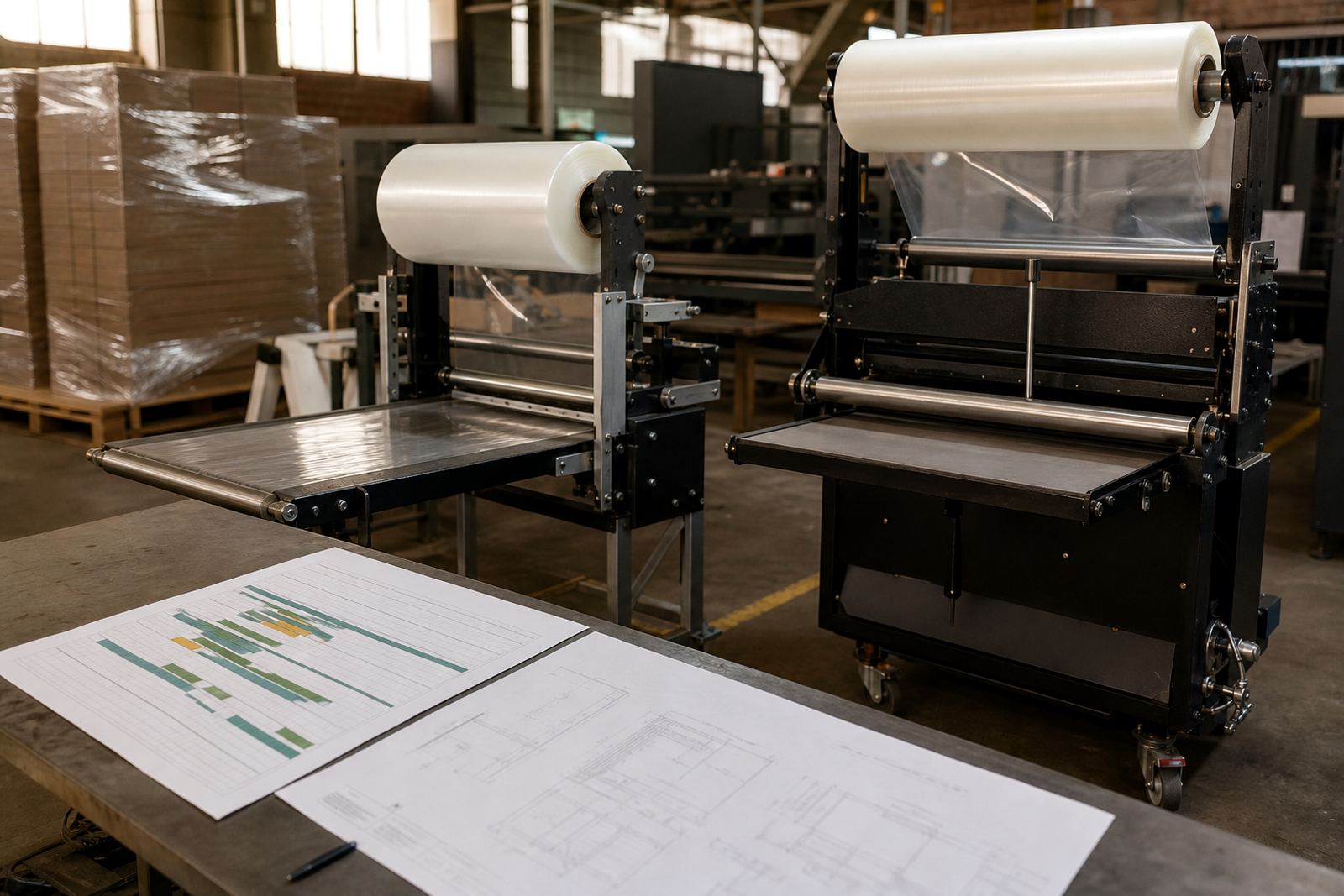
It helps to map the flow before deciding. Where are rolls stored, how do they move to the line, and where does the finished pack go? That matters in warehouses, manufacturing plants and distribution sites alike. A compact setup may be better for a smaller line in Pretoria, while a higher throughput operation in Durban may need a different arrangement altogether. The best cutter is the one that supports the way your team actually works, not the way a layout drawing says it should.
Use local support to keep the line stable
South African packing lines deal with load-shedding, uneven site conditions and varied shift patterns. That means support has to be local and practical. When a cutter needs installation, line setup or a quick repair, you want a team that can assess the site, explain the options and get the unit working properly again without delay.
For businesses supplying Johannesburg, Boksburg, Midrand, Durban, Cape Town and Polokwane, local knowledge helps. Different sites have different power interruptions, humidity levels and maintenance routines, and those details affect the cutter over time. A reliable supply partner will also help with operator training, equipment upgrades, roll change support and preventive servicing so the same issues do not keep coming back.
What to compare before you place an order
If you are comparing shrink cutters, keep the decision grounded in the real job the equipment has to do. A low-cost unit that slows the line or wears out early is not a saving. A well-matched cutter should improve control, reduce waste and make the packing team more confident from the first shift.
Use this checklist before ordering:
- Film type, thickness and roll width
- Daily output and line speed
- Operator skill level and training needs
- Blade safety and ease of replacement
- Availability of spares and repair support
- Fit with the available floor space
- Service access for onsite installation and maintenance
In most cases, the best choice is the one that works cleanly, holds up under daily use and can be supported properly in South Africa. That is the difference between a cutter that simply arrives and one that keeps a packing line moving for years.