Start With the Load, Not the Tool
Before comparing dispenser handles or prices, look closely at the loads being wrapped. A light, regular carton stack does not need the same setup as mixed pallets leaving a warehouse in Germiston, a food plant in Boksburg, or a distribution centre moving stock to Durban and Cape Town. The film dispenser has to suit the pallet size, the wrap pattern, and the amount of control the operator needs at the edge of the load.
If the loads are tall, uneven, or packed with sharp corners, the dispenser should help the operator keep tension steady without strain. That matters when the line is busy and the same team is handling roll changes, pallet staging, and dispatch. A dispenser that feels fine on one short shift can become tiring on a full day, especially when the room gets hot or the team is working through load-shedding or generator periods.
Manual Control Matters More Than People Think
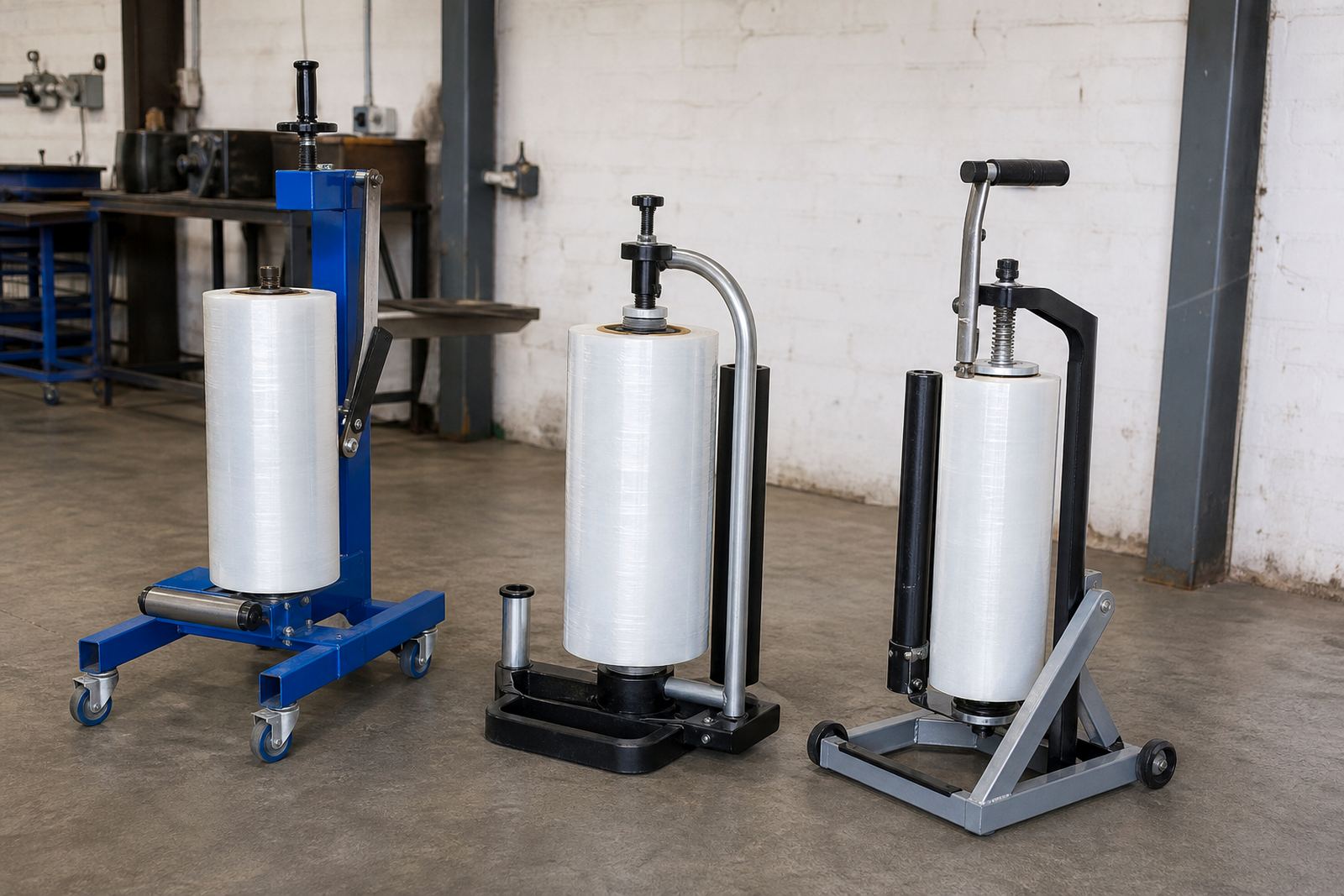
Manual stretch film dispensers are often bought as a simple item, but they play a big part in film use and wrap quality. The best units give the operator a firm grip, smooth film release, and enough control to keep tension consistent from the first wrap to the last. If the film slips, snags, or pulls unevenly, the operator will use more film to make up for it.
Look for these points when comparing options:
- Comfortable handles that reduce hand strain on long shifts
- Even film release without jerking or sticking
- Strong end caps and support points that do not flex under pressure
- Simple roll loading so changeovers are quick
- Good balance when the operator is walking around the pallet
In a busy packing area, small design details save time. A dispenser that is awkward to load or too light for the film weight can slow the whole line down, even if it seemed suitable on paper.
Check Film Widths, Core Sizes, and Roll Weight
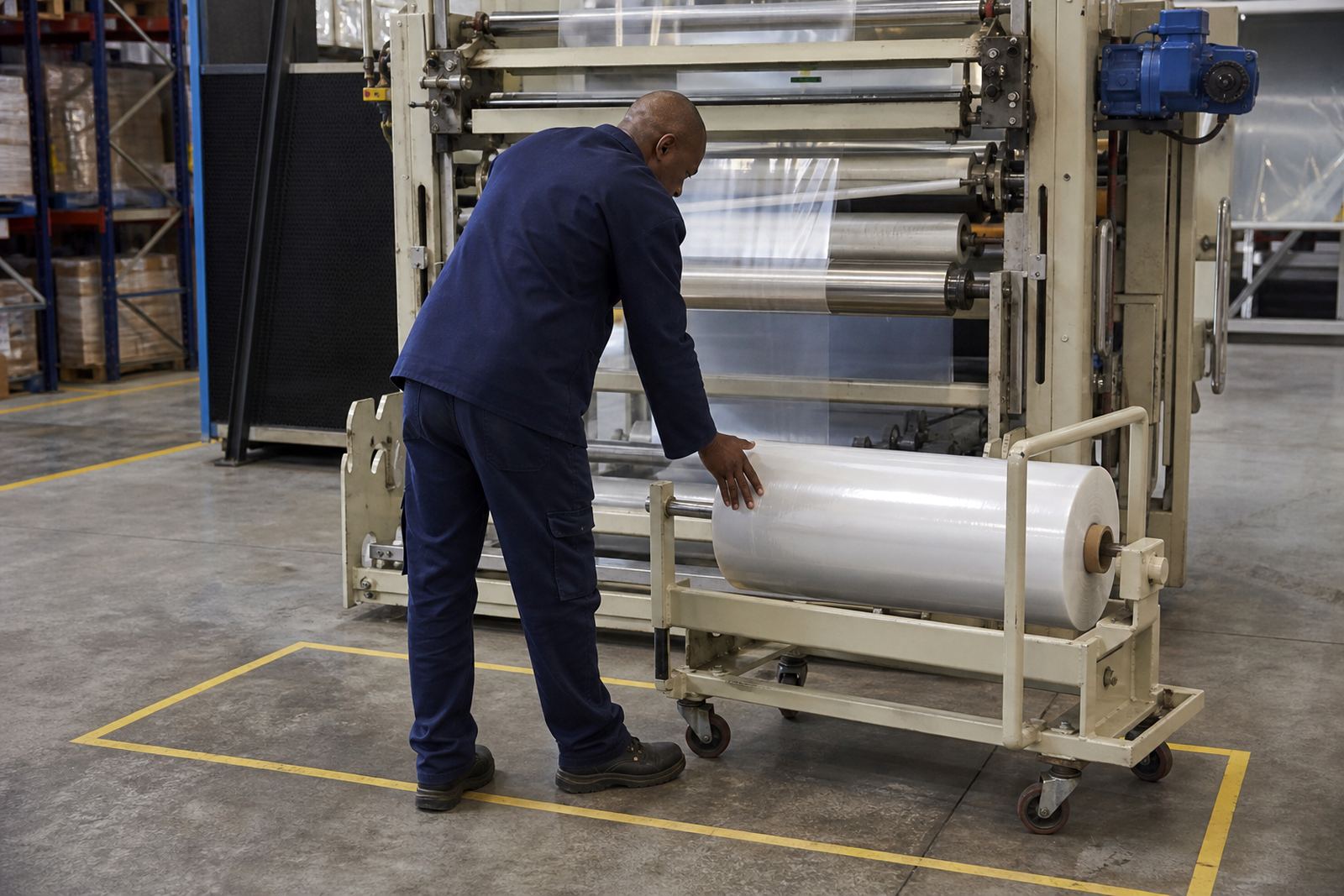
One of the most common mistakes is choosing a dispenser before checking the film roll specification. Stretch film comes in different widths, core sizes, and roll weights, and the dispenser must match all three. If the fit is poor, the roll can wobble, drag, or wear the operator down faster than it should.
Ask for the exact roll details used on site, not just the film type. A packing line in Pretoria may use a different film width from a warehouse in Polokwane, and a high-turnover site in Midrand may prefer a dispenser that makes frequent roll changes easier. Coastal sites in Durban and Cape Town should also consider storage conditions because humidity can affect handling and the feel of the film. If the roll is large and heavy, the dispenser should stay steady without becoming awkward to move around the pallet.
- Confirm the film width used on the line
- Check the inner core size before ordering
- Ask how often rolls are changed in a normal shift
- Match the dispenser to the operator’s working height and reach
Think About Operator Comfort and Safety
A dispenser should reduce strain, not create it. On sites where one person wraps many pallets a day, poor grip design and awkward handle spacing can lead to sore wrists and slower work. That becomes a bigger issue when the team is short-staffed or working near deadline windows, which happens often enough in South African logistics.
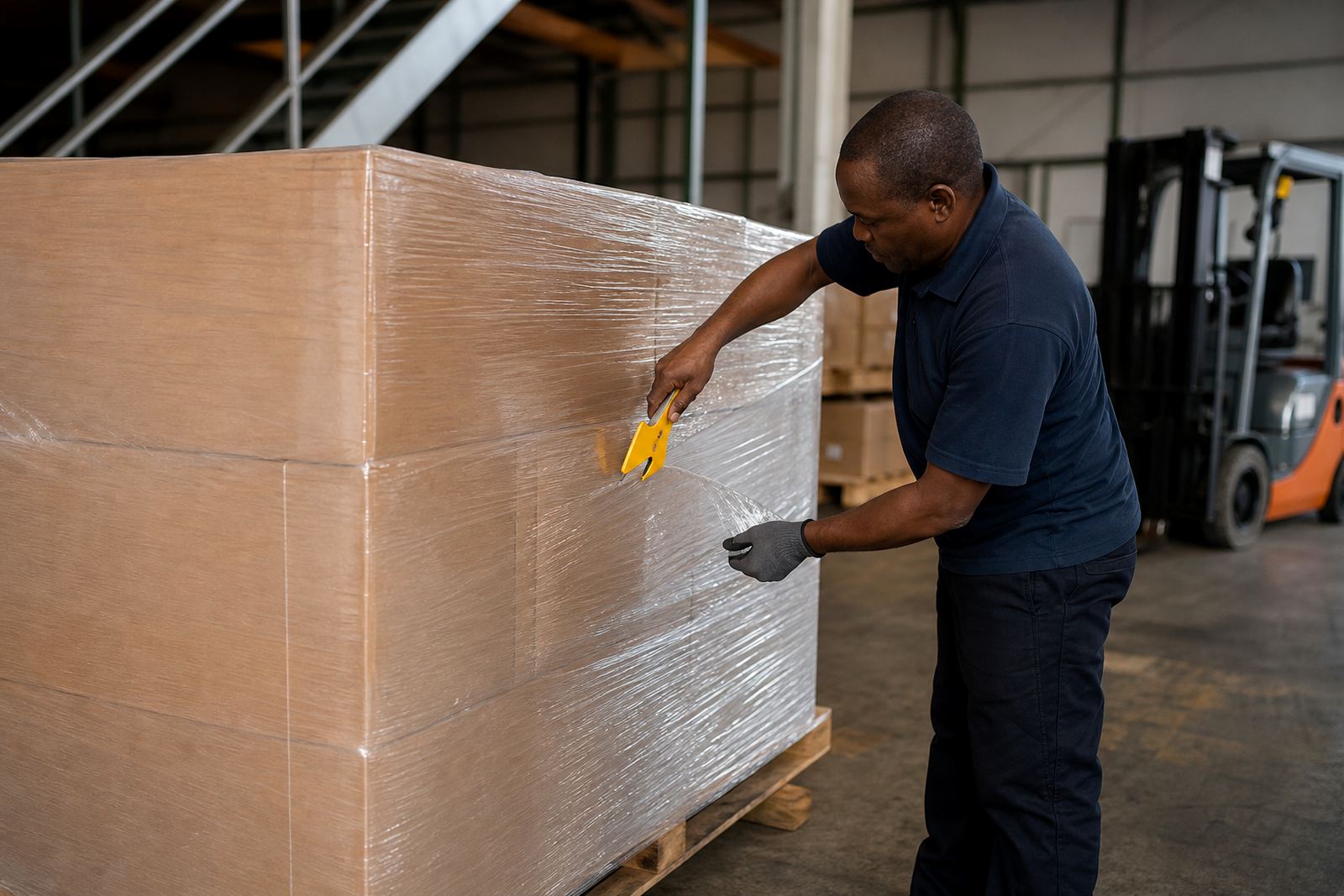
Safety also matters. The dispenser should help the operator keep control of the film without hand cuts, loose wrapping, or unstable movement around the load. If the business runs a mixed warehouse with forklifts, cage pallets, and narrow aisles, the tool should be easy to manage in tight spaces. In our experience, a good dispenser is one that feels ordinary in the hand and does its job without extra effort. That is usually the sign of a proper fit, not just a cheap purchase.
Choose a Design That Suits Your Packing Line
Not every operation needs the same dispenser style. Some packing lines want a simple manual unit for light use, while others need a more durable setup that can handle daily volume across multiple shifts. The right choice depends on how the line is organised, who uses the tool, and whether the site expects regular servicing or occasional breakdown support.
For buyers comparing options, these practical questions help narrow the field:
- Will the dispenser be used by one trained operator or a mixed team?
- How many pallets are wrapped in a normal day?
- Are roll changes frequent enough to justify a quicker loading style?
- Does the site need spares and blade replacement support nearby?
- Will the dispenser be used at more than one packing station?
If a site in Germiston is wrapping export stock in the morning and local distribution loads after lunch, the dispenser must stay dependable across different packing runs. A bit of extra thought now can save a lot of stop-start work later.
Use Local Support to Avoid Downtime
Buying the dispenser is only part of the job. The bigger issue is what happens after it arrives at the line. Sites across Johannesburg, Boksburg, Midrand, Pretoria, Durban, Cape Town, and Polokwane need equipment support that fits their pace, not just a one-off sale. That is where installation help, line setup, operator training, and follow-up servicing make a real difference.
At Film Cutters, we work with packing lines from our Germiston base and support clients with onsite installation, preventive servicing, dispenser repairs, spares supply, safety checks, site assessments, roll change support, breakdown callouts, and equipment upgrades. If the team is changing film too slowly or the dispenser is causing uneven wrap, those issues can usually be traced and corrected before they become daily problems. A good support plan keeps the line moving and helps operators get the most from the equipment they already have.