Start With a Clean Film Path
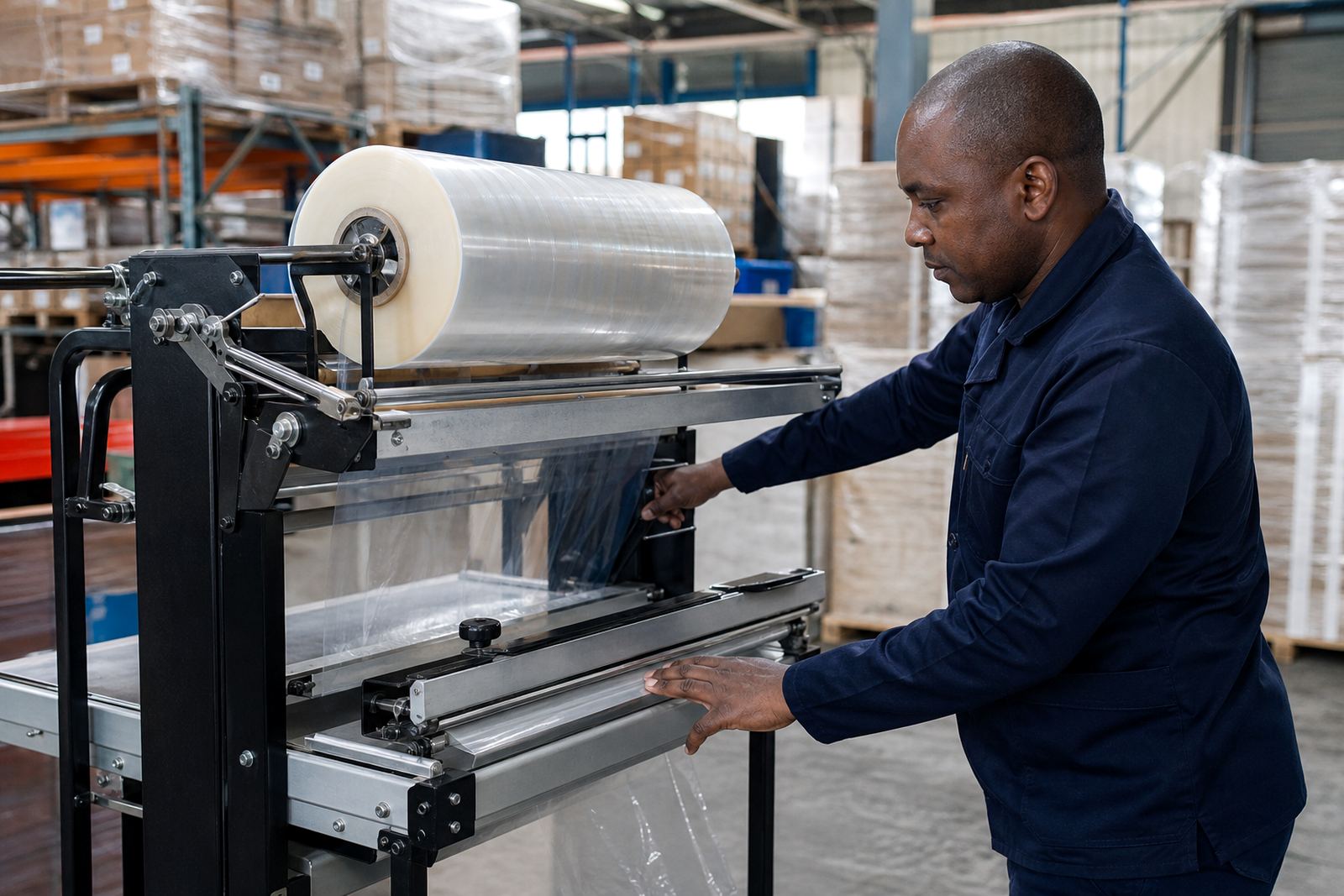
The fastest way to shorten the life of cutters and dispensers is to let dust, film fragments and adhesive build up around the blade area and guide points. On a packing line, even a small amount of debris can make the film drag, snatch or track unevenly, which puts extra strain on moving parts.
Wipe down the frame, rollers and contact points at the end of each shift, especially in plants that handle cartons, pallet wrap or dusty goods. In coastal areas such as Durban and Cape Town, moisture can mix with dust and make a sticky residue that is harder to remove later. In Germiston and Boksburg, where many sites run long shifts and see high traffic, a quick clean daily usually prevents a bigger fault next week.
- Use a dry cloth first, then a light approved cleaner where needed.
- Remove loose film tails before they wrap around rollers.
- Check that no labels, tape or strap offcuts are caught near the blade housing.
Keep Blades Sharp and Aligned
A blunt blade does not just make a poor cut, it also forces operators to push harder and can distort the film edge. That extra pressure may wear guides, springs and dispenser parts faster than expected. Regular blade replacement is one of the simplest ways to protect the full unit.
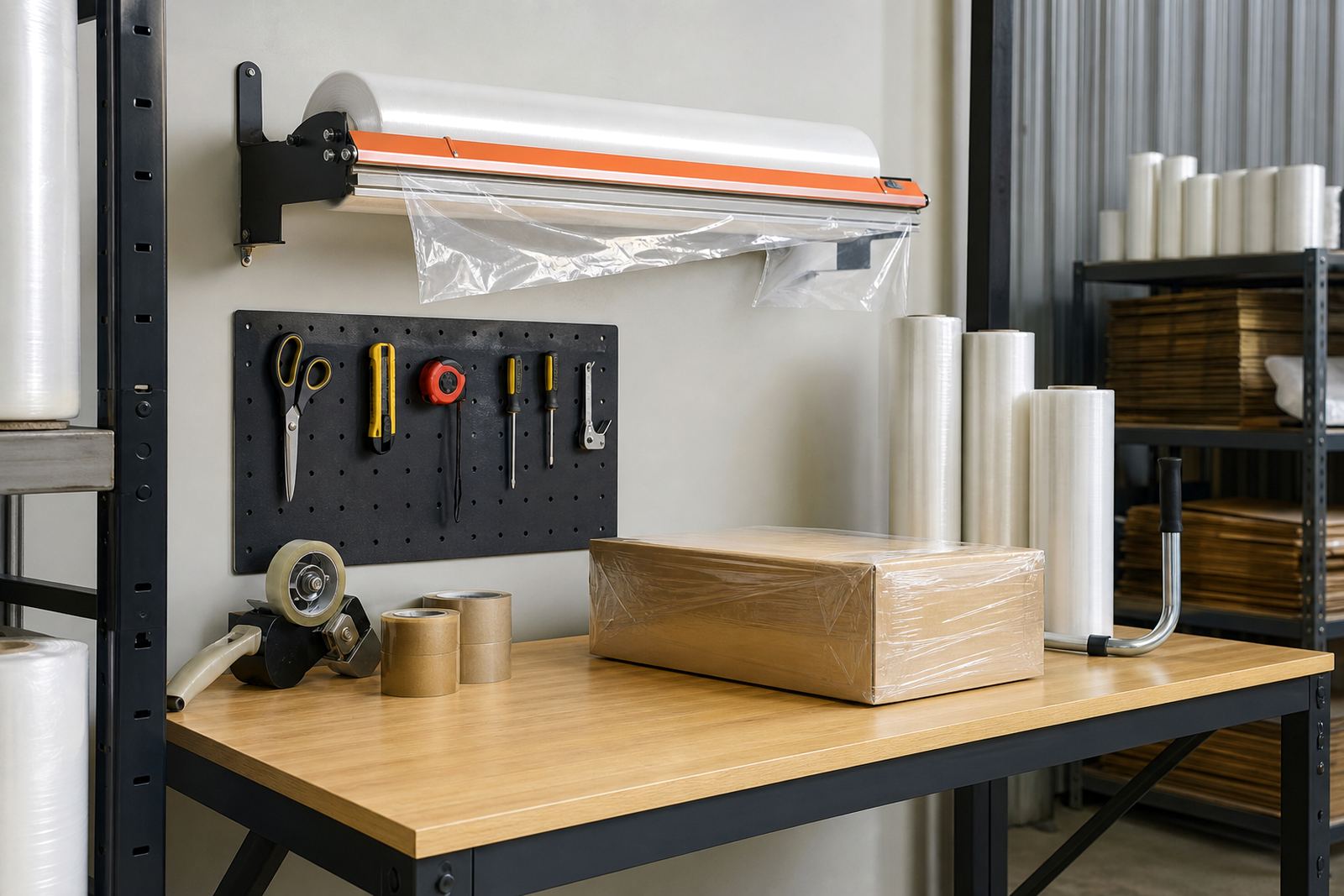
Check the cut quality at the start of each shift. If the film tears instead of cutting cleanly, leaves a jagged edge, or needs more than one pass, the blade may already be past its best. For lines running high volumes in Johannesburg, Pretoria or Midrand, it makes sense to keep spare blades on site so you are not waiting for a breakdown to act.
- Replace blades before they start shredding film.
- Make sure the blade sits squarely in the holder.
- Do not use makeshift tools to force a cut.
Set the Tension Correctly for the Film Type
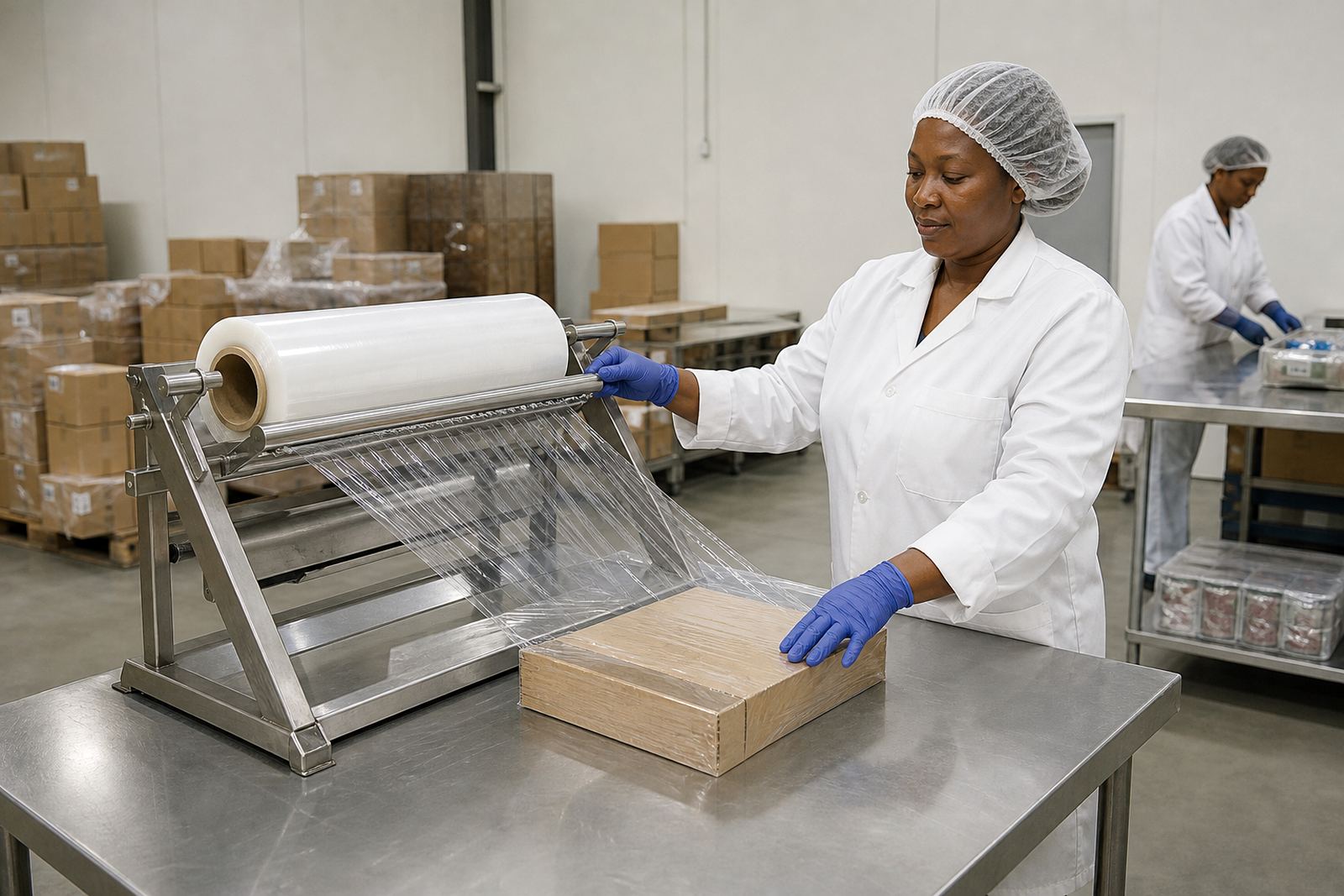
One of the most common causes of premature wear is poor tension setting. If the tension is too tight, the dispenser fights the roll and the operator gets uneven film pull. If it is too loose, the film may flap, snag or apply inconsistently, which leads to rework and operator frustration.
Different film grades behave differently, so the setting used for a light roll may not suit a heavier one. During roll change support or site assessments, it is worth checking whether the film is running at the correct tension for the product, line speed and load type. That matters in colder inland mornings around Pretoria as much as it does in hot warehouse bays in Polokwane.
- Test tension when changing film width or thickness.
- Watch for film necking, snatching or wrinkling.
- Ask operators to report changes in feel, not only breakdowns.
Train Operators to Spot Early Warning Signs
Good maintenance is not only a workshop job. Operators are the first to notice a dispenser that hesitates, a cutter that bites unevenly, or a handle that feels loose. When the team knows what normal looks and feels like, small problems get reported before they turn into downtime.
Training should cover safe handling, correct roll loading, blade awareness and basic cleaning routines. It also helps to show staff what to check during a shift handover. A line in Cape Town may run differently from a line in Germiston but the same principle applies: the person using the equipment every day can protect it, or damage it quickly if the basics are ignored.
- Show operators how to load rolls without forcing the spindle.
- Teach them to stop and report unusual noise or resistance.
- Make sure they know the correct sequence for roll changes.
Schedule Preventive Servicing Before Busy Periods
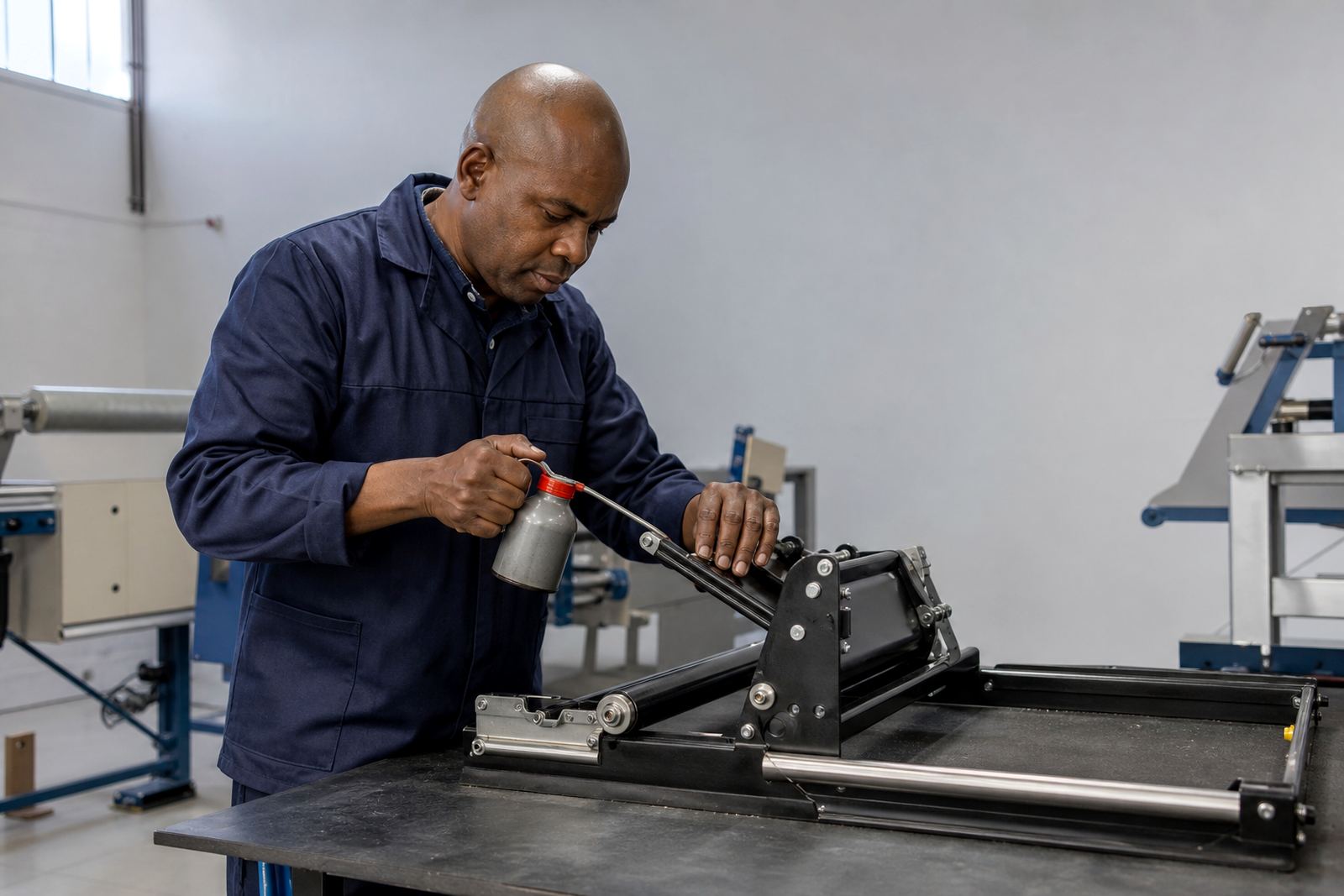
Preventive servicing is far cheaper than waiting for a failed part during a rush order or month-end dispatch run. A planned service gives you time to inspect wear points, replace tired components and check that the dispenser still performs as it should. It also helps to keep records so you can see which machines need attention more often.
At sites with long operating hours, service timing matters. A plant in Germiston that runs early morning pallets, then afternoon collections, may need a different schedule from a smaller site in Polokwane. The point is to match the service plan to actual usage, not guesswork. That is where a proper site assessment and service record save time and money.
- Book servicing before peak season or production increases.
- Log faults, blade changes and repairs by date.
- Include safety checks in every routine visit.
Protect Equipment From the Warehouse Environment
South African warehouses put equipment through a lot. Heat, humidity, dust, uneven floors and load-shedding all affect how cutters and dispensers perform. A unit stored near a loading bay may corrode faster than one kept in a controlled area, and power interruptions can lead to rushed restarts or rough handling.
If the site is close to the coast, keep equipment dry and inspect it more often for corrosion. In inland industrial areas, watch for dust ingress and vibration from heavy traffic. Simple storage habits matter too: do not leave tools on pallets where they can be knocked, bent or exposed to moisture. When equipment is kept in good condition, breakdown callouts become less frequent and the line stays steadier.
- Store spare parts and cutters in a dry, clean place.
- Keep equipment away from standing water and heavy spray.
- Use shutdown procedures that do not strain the unit during power cuts.
Use Local Support to Keep Downtime Down
Good maintenance is easier when support is close enough to be practical. A Germiston base gives faster access for nearby sites in Boksburg, Midrand and Johannesburg, but support also needs to reach Durban, Cape Town, Pretoria and Polokwane when a line needs attention. That is where installation, dispenser repairs, spares supply and breakdown callouts all work together.
When a team can get an onsite assessment, a proper repair and operator training from the same source, the equipment tends to last longer. The aim is not to patch faults over and over, it is to keep the cutter or dispenser running cleanly for as many shifts as possible. One small repair done early usually costs less than a full stoppage later, and it keeps the packing line moving with less waste.
- Ask for a line setup check after new equipment is installed.
- Replace worn parts before they fail during production.
- Use safety checks to keep operators and equipment protected.