Start with the film you are cutting, not just the cutter
Different films behave differently on the line, so blade selection starts with the material. Shrink film is usually thinner and can tear or draw if the edge is dull, while stretch film can be more elastic and may need a cleaner, firmer cut to avoid stringing or ragged edges. If your line handles both, do not assume one blade will suit every job.
Check the film thickness, roll width and how fast the operator is pulling or dispensing it. A blade that works well on light pallet wrap in a Midrand warehouse may not hold up on heavier duty packing in Durban where moisture and temperature changes can affect handling. In coastal conditions, corrosion resistance matters too, especially where the cutter is kept near open loading bays.
- Confirm whether you use shrink film, stretch film or both
- Note film thickness, roll width and average line speed
- Check if the film is used in dry, humid or dusty areas
- Ask whether the current blade is tearing, dragging or leaving loose ends
Match the blade to cut quality and finish
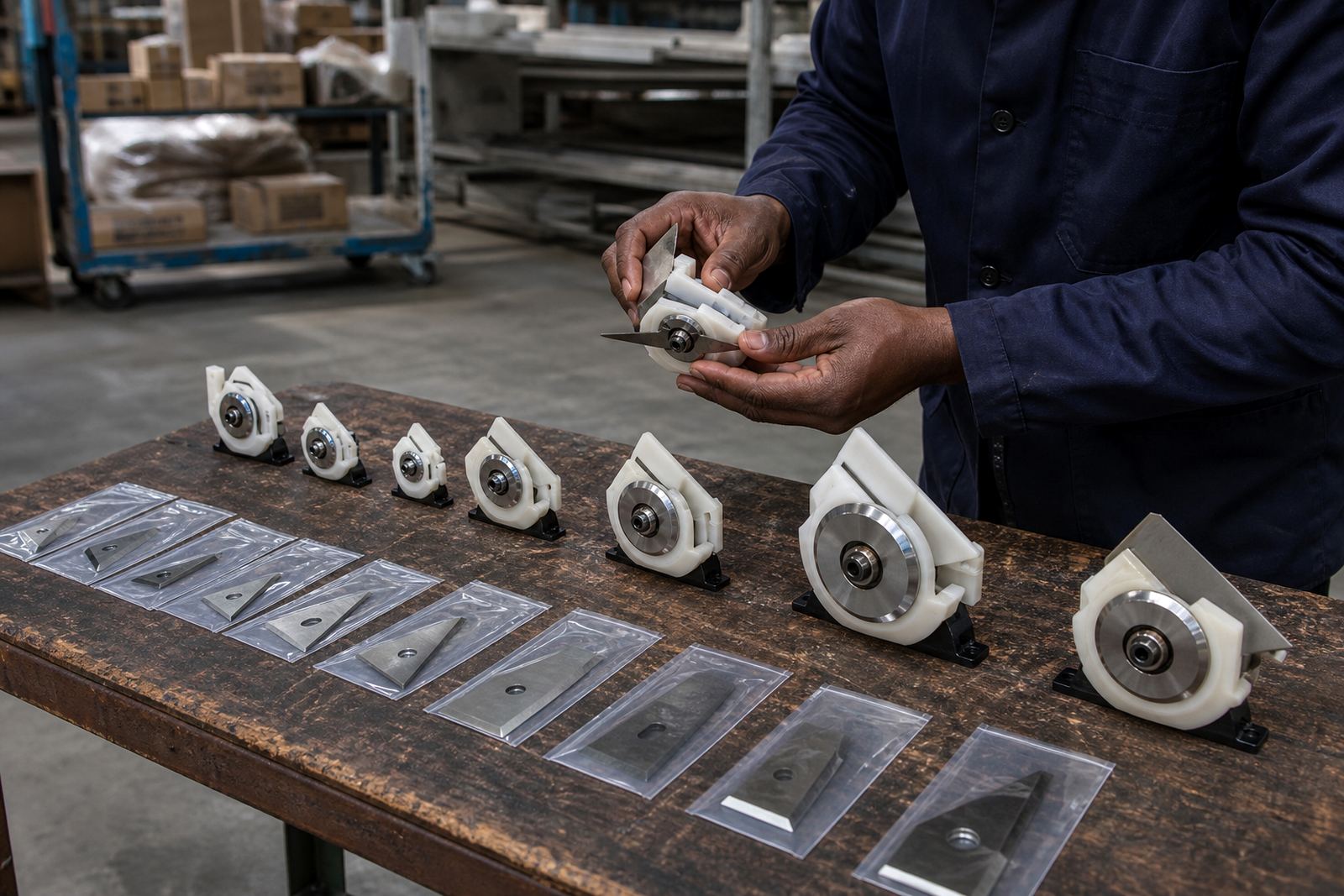
Cut quality is not only about sharpness. It is also about the blade profile, the way the edge meets the film and how much pressure the operator needs to apply. A blade that is too aggressive can score the film too deeply or increase the risk of accidental contact. A blade that is too blunt will force operators to press harder and that is where control starts to slip.
For lines where presentation matters, such as boxed goods going to retailers in Johannesburg or Cape Town, choose a blade that gives a neat finish with minimal fraying. If the cut leaves a tail, the film may cling to product edges or slow down the next wrap cycle. If you see repeated dragging, the blade may be wrong for the film type or simply past its useful life.
- Look for a clean edge with no fuzzing or stretched strands
- Check that the film separates in one controlled motion
- Make sure the operator does not need extra force
- Replace blades before quality drops across the whole shift
Choose safety features that suit your packing line
Safety should guide blade choice just as much as performance. If the cutter is used by multiple operators, or on a busy line with quick roll changes, a safer blade arrangement can reduce hand contact and lower the chance of small injuries. This is especially important where new staff are trained quickly and line work is split between shifts.
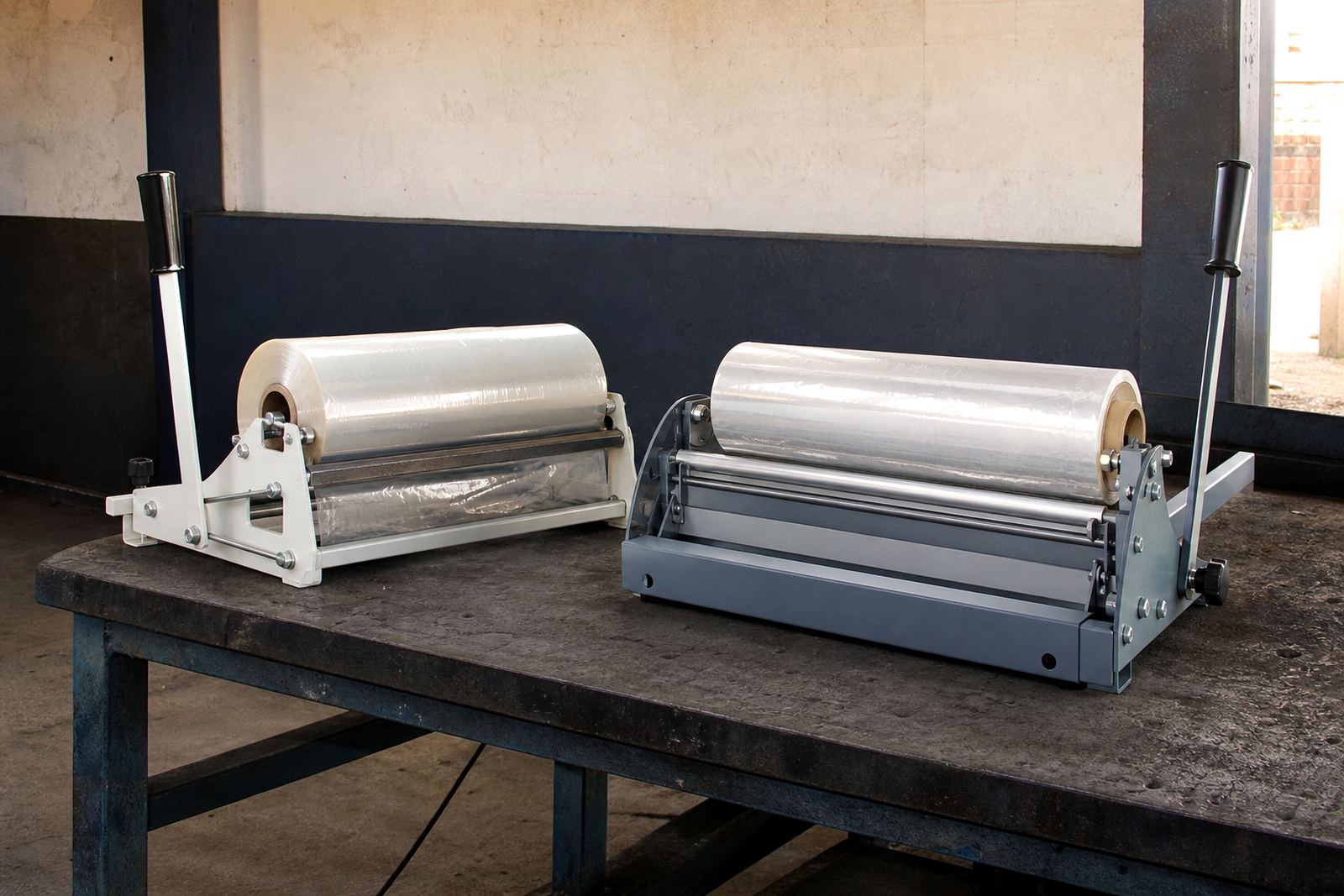
Look at how the blade is exposed, how it is housed and whether it can be handled without awkward finger positioning. On some sites, a simple design with clear blade access for maintenance is better than a complicated setup that is harder to inspect. In Germiston, Boksburg and other industrial areas, many clients also ask for safety checks after a change in product or layout. That is a smart move because even a small change in workflow can affect blade handling.
- Check if the blade is protected during storage and changeover
- Confirm the operator can remove and fit it without reaching into tight spaces
- Review the risk of slips during roll change support and cleaning
- Train staff on where to stop the line before servicing starts
Set replacement intervals by usage, not guesswork
Some teams wait until the blade fails, then spend the next hour dealing with poor cuts and slow packing. A better approach is to replace blades based on usage levels and visible wear. High volume sites may need a tighter schedule than smaller depots, while low volume users can still plan checks into routine preventive servicing.
Watch for dull edges, heat marks, heavier drag and operators adjusting technique just to get through a shift. Those are early signs the blade is past its best. If your site runs near the coast, humidity can speed up wear or surface corrosion, so servicing intervals may need to be shorter. Good records help here, even if it is only a simple log with dates, line numbers and who changed the blade.
- Set a change schedule by line speed and daily output
- Record blade life in shifts or rolls used
- Inspect sooner after dusty work, long shutdowns or humid conditions
- Keep spare blades on site so you are not waiting for urgent supply
Use a simple inspection checklist before you order
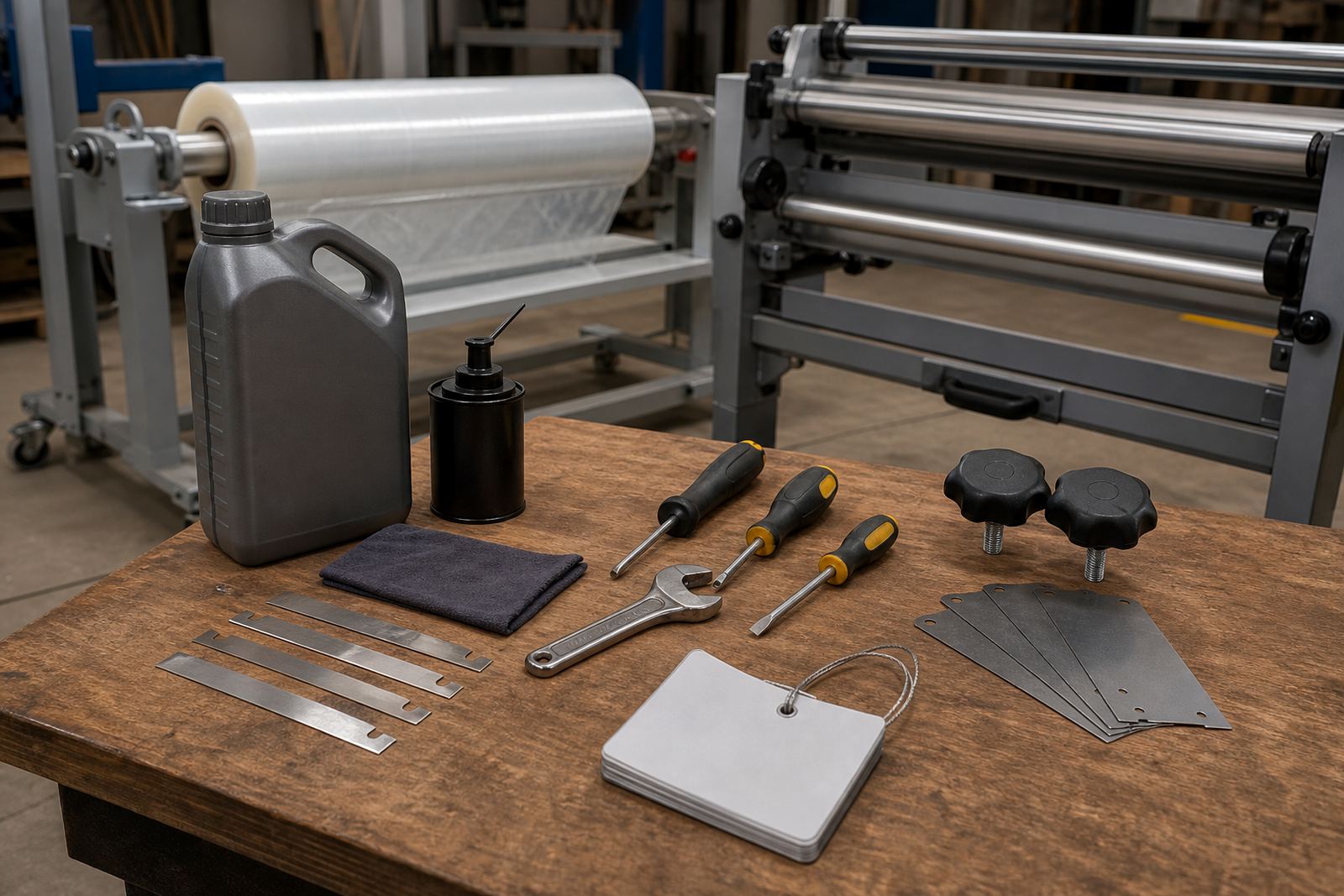
Before placing a blade order, inspect the current setup carefully. A worn blade is not always the real problem. Sometimes the dispenser, mounting point or alignment is causing uneven wear. If the blade sits off-centre, or the film path is inconsistent, the new blade may show the same fault quickly. That is why site assessments and line setup checks are worth doing before you replace parts in bulk.
Use this checklist during inspections at your Germiston base, or at customer sites in Pretoria, Polokwane and Durban. If several items keep coming up, ask for a technical review rather than just a single spare blade. It saves time and money over repeated callouts.
- Is the blade edge chipped, worn or discoloured?
- Does the film cut cleanly on every roll size?
- Is the dispenser or holder loose, bent or misaligned?
- Are operators forcing the cut or pausing to adjust the film?
- Are there safety concerns during changeover or cleaning?
Keep spares, training and servicing tied together
Good blade selection works best when it is supported by the rest of the packing process. Keep suitable spares on hand, train operators on correct use and include the blade in planned servicing. If a team knows how to spot wear early, they can report issues before the line slows down. That matters when orders are moving between branches or dispatch windows are tight.
For sites that run across Johannesburg, Pretoria, Durban, Cape Town and Polokwane, a practical spares plan can prevent delays from courier lead times. It is also worth reviewing upgrades when your current dispenser or cutter is repeatedly needing attention. A small change in equipment can improve blade life, reduce downtime and make operator handling easier, which is useful when load-shedding interrupts shifts and teams need to restart quickly.
- Hold a minimum spare stock for each active line
- Train operators on safe removal, fitting and inspection
- Link blade checks to preventive servicing visits
- Review upgrades if the same fault keeps returning