Start with a clear picture of the current station
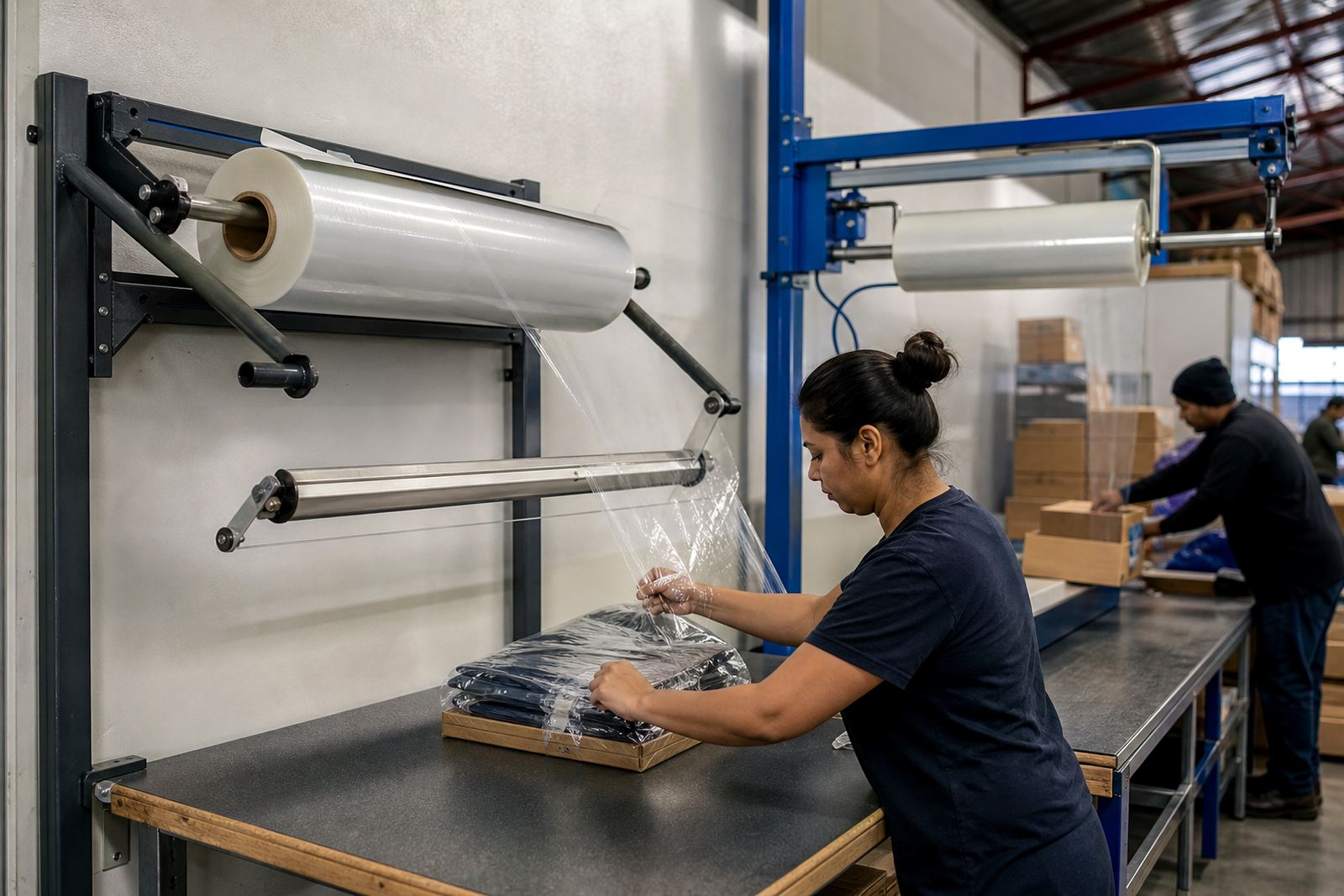
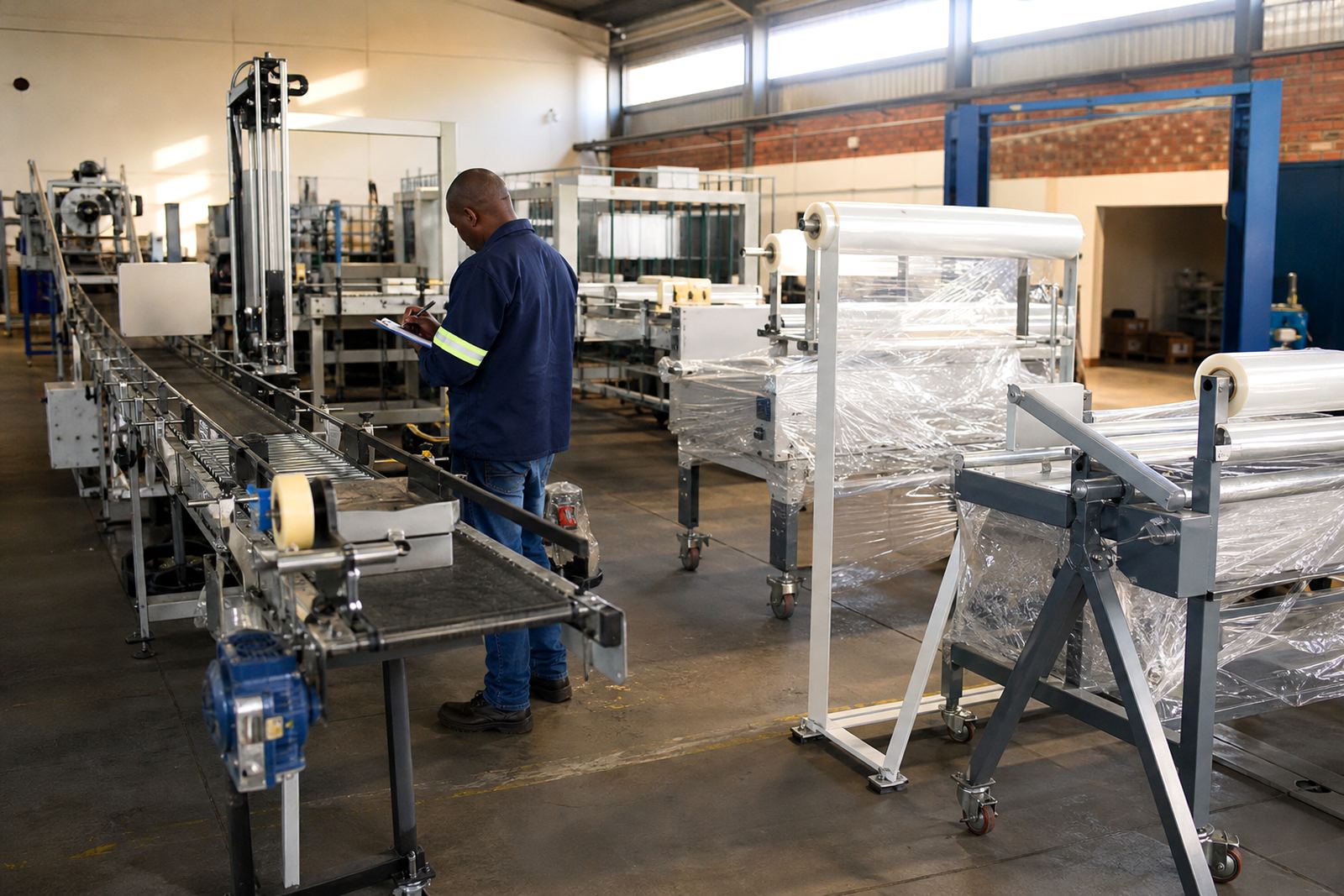
Before you change cutters, dispensers or supports, spend time understanding what the line is doing today. Look at the film type, roll width, core size, changeover method and how often operators need to stop the line. In many packing rooms, the real issue is not one part but a mix of wear, awkward positioning and poor access around the station.
Walk the line during a normal shift and again during peak production. In Germiston, Boksburg and Midrand we often see stations that work fine early in the day then slow down once the pace increases and the film gets warm or dusty. Note where the operator reaches too far, where blades leave rough edges, and where film tension changes between shifts.
- Record film type, roll size and average changeover time
- Check if the cutter is fixed, hand-held or shared between lines
- Note any damaged guards, bent brackets or loose fixings
- List recurring problems such as film snagging, tearing or uneven cuts
Measure the line before you choose new equipment
A proper upgrade starts with measurements, not guesses. Measure the available mounting space, working height, clearance for roll movement and the path operators use when loading film. If the station sits near conveyors, pallet wrapping points or manual packing tables, check that the new setup will not force staff to twist or overreach.
Also check the power and compressed air points if the station uses assisted equipment. On sites in Durban or Cape Town, coastal humidity can affect fasteners, bearings and moving parts so material choice matters. If the packing area is exposed to dust or washdown, the upgrade should suit those conditions from day one, not after the first breakdown.
- Measure the station width, height and reach zone
- Confirm mounting points and floor or frame condition
- Check access for maintenance, cleaning and blade changes
- Identify any corrosion, dust ingress or moisture exposure
Match the upgrade to production needs, not just price
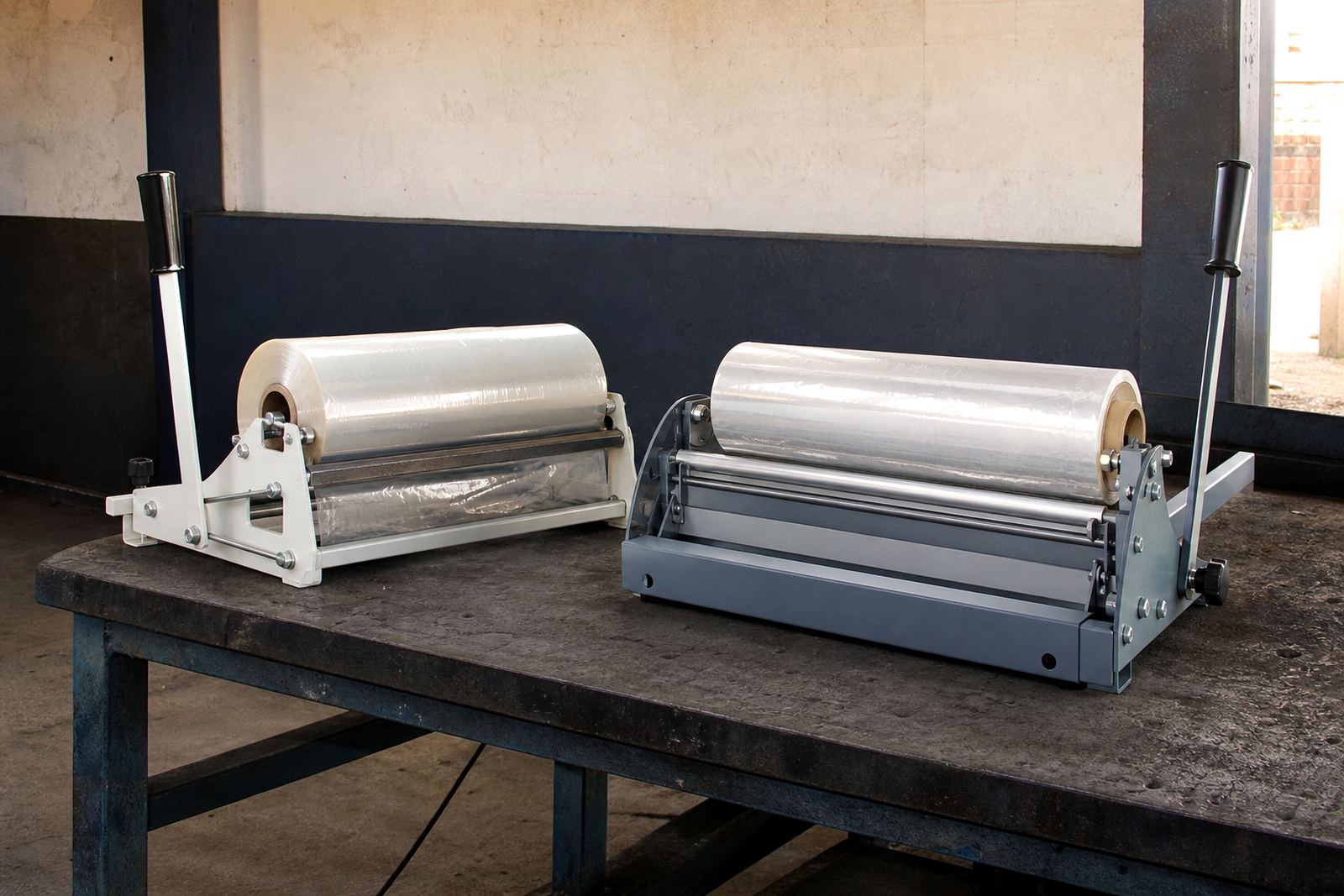
Some lines need a stronger dispenser, while others need a better cutter position or a safer blade change method. The goal is to reduce handling, improve accuracy and keep the line moving. A low-cost fix that still causes film waste or frequent adjustment can become expensive within a few months.
Think about how the site operates during load-shedding as well. If backup power changes the speed of the line or interrupts the flow, the film station should be easy to reset and quick to return to normal. For busy plants in Johannesburg, Pretoria and Polokwane, the best choice is usually the one that keeps operators moving with less fiddling and fewer stops.
- Choose equipment that suits roll weight and daily output
- Ask whether operator training will be needed after installation
- Check if spare blades, wear parts and fixings are locally available
- Compare changeover time before and after the upgrade
Plan the changeover around production windows
The safest upgrade plan is one that avoids rushing. Set a work window after production or during a planned line stop, then stage all parts, tools and spares before anyone starts. If the line runs multiple shifts, inform supervisors and operators well in advance so there are no last-minute surprises.
Our team often recommends a site assessment first, then line setup, then a short trial run before full handover. That approach helps catch issues such as misalignment, pinch points or operator access problems while the line is still easy to adjust. It also gives the team time to get used to the new motion and blade position without pressure.
- Book the installation when output impact will be lowest
- Confirm who will isolate, remove and reinstall each part
- Keep a backup cutter or dispenser ready if needed
- Allow time for testing, clean-up and operator sign-off
Protect operators and reduce avoidable risk
A line upgrade should make the station safer, not just faster. Look at the way operators load rolls, trim film and clear jams. If the hand position is close to the blade or if staff are lifting awkwardly, the upgrade should correct that. Safety checks are especially important on older stations where people have got used to working around faults rather than fixing them.
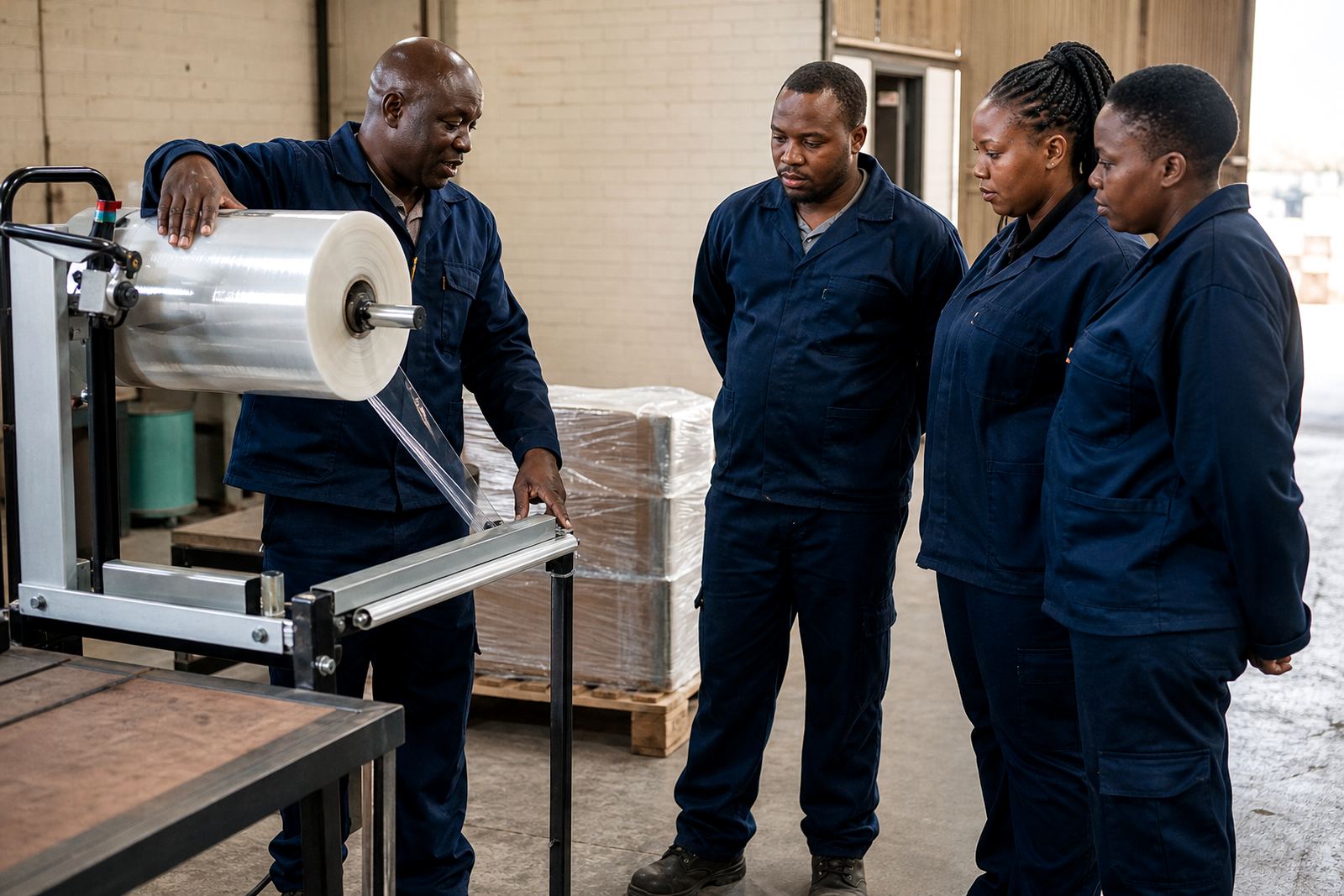
Training matters too. A new dispenser can still cause waste if the team does not know how to thread the film or set the tension properly. Keep training simple and practical, with one person demonstrating the task and the rest repeating it until everyone is comfortable. Small habits make a big difference on a packed floor.
- Verify blade guarding and safe access points
- Check that emergency stops and isolation points are known to staff
- Train operators on loading, cutting and roll change steps
- Refresh cleaning and inspection routines after installation
Use a checklist for handover and follow-up servicing
Once the upgrade is installed, do not treat the job as finished until it has been tested under real production conditions. Run the station through a full cycle, watch a few roll changes and confirm that the film tracks correctly. Make sure the cutter gives a clean finish and that the dispenser holds steady under normal line speed.
After handover, set a simple preventive servicing plan. That should include blade replacement intervals, fastener checks, alignment checks and a record of any operator issues. A short follow-up visit can prevent minor wear from turning into a breakdown callout. It also gives you a clear record for future upgrades, which helps when production expands or the packaging mix changes.
- Test the station with the actual film used on site
- Record the final settings and mounting position
- Set inspection dates for the next 30, 60 and 90 days
- Keep spare parts and contact details in the maintenance file