Start With Your Film Type And Line Speed
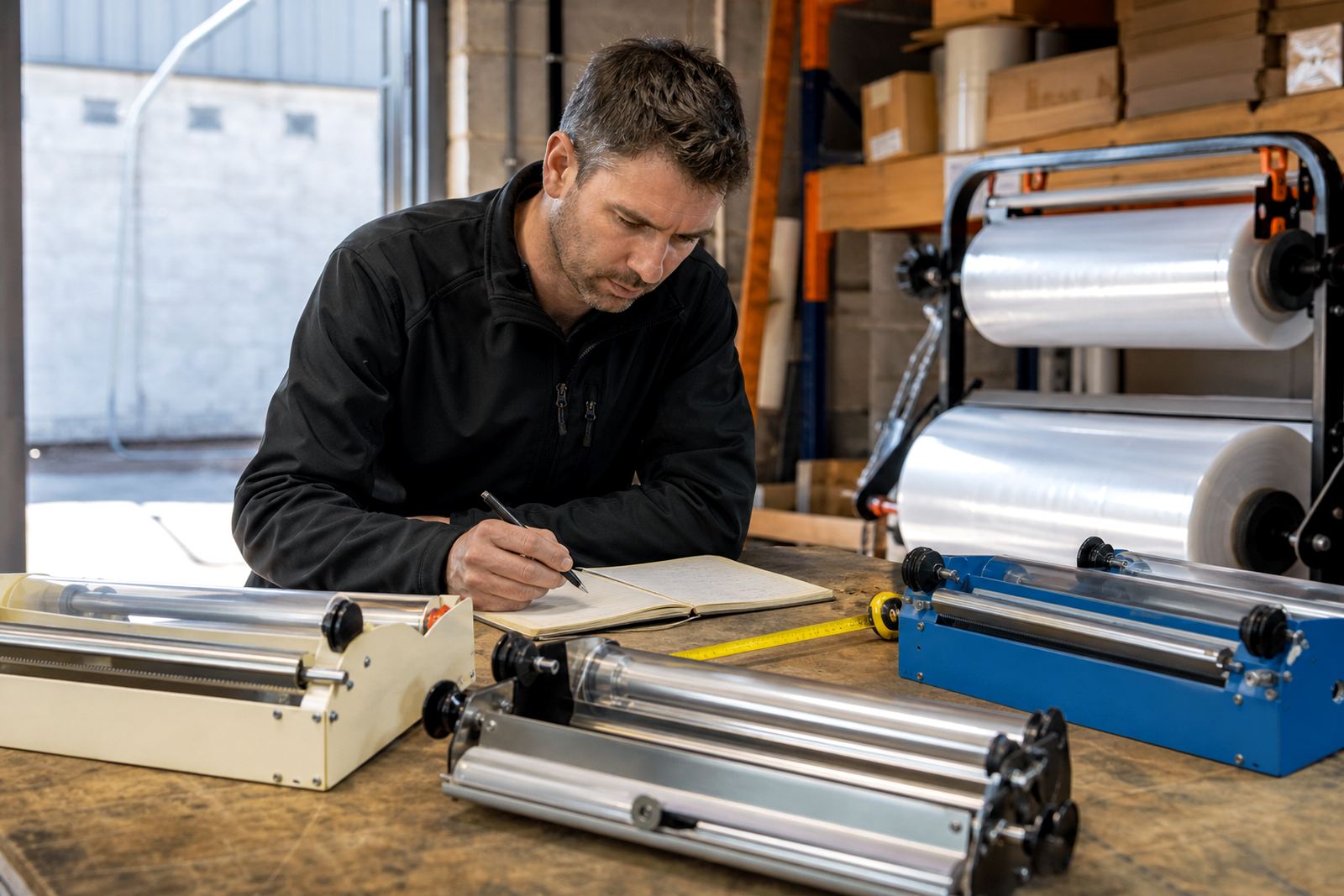
The first step is to match the cutter to the film you use most often. Shrink film and stretch film behave differently, so a cutter that suits one may not give the same result on the other. If your line handles mixed products, ask how the cutter performs across different film thicknesses, roll widths and tension levels.
Line speed matters as much as film type. A manual packing table in Germiston will have very different needs from a busy conveyor line in Durban or Cape Town. If operators are cutting film all shift, the unit should reduce hand strain and keep a steady cut even when the team is moving quickly.
- Check film thickness and width ranges
- Confirm if the cutter handles shrink, stretch or both
- Match the unit to your slowest and fastest packing runs
- Ask how it performs on high humidity sites and dusty floors
Choose The Right Cutter For Your Packing Line Layout
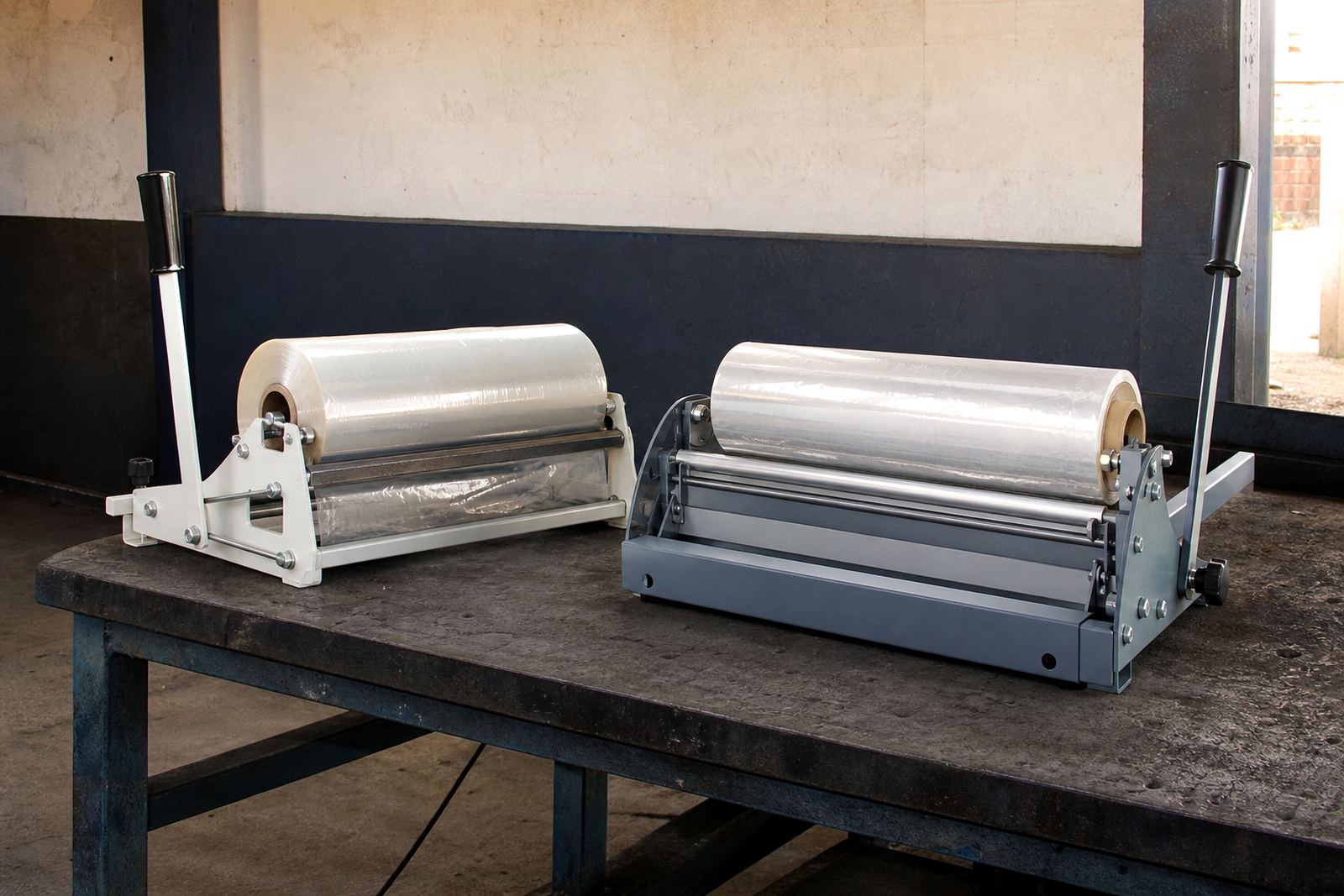
Think about where the cutter sits on the line. Some sites need a compact unit near a single wrap station, while others need a dispenser that fits neatly into a longer conveyor or pallet wrapping area. In a plant with limited space, a bulky setup can slow movement and create safety risks near walkways and roller doors.
Look at how operators load the film, how the roll is supported and how the cut is made. The process should feel natural, with no awkward reaching or repeated repositioning. If your team changes rolls many times a day, a setup that saves a few seconds each change can make a real difference over a shift.
- Measure the available footprint before ordering
- Check roll loading height and operator reach
- Allow space for trolleys, pallets and foot traffic
- Confirm whether the unit can be fixed, mobile or bench mounted
Prioritise Safety Features Your Team Will Actually Use
A good cutter should make the line safer, not just faster. Blades must be protected when not in use, and the design should reduce the chance of accidental contact during roll changes. This matters on busy packing lines where more than one person may work around the same station.
Ask what safety checks are needed during normal operation and whether the unit supports proper blade handling. If your site runs after load-shedding or on backup power, lighting can be poor at changeover points, so clear operation becomes even more important. The safer the design, the easier it is for supervisors to keep standards consistent.
- Look for guarded blades and clear operating points
- Check whether blade replacement is simple and controlled
- Ask about training for new operators and temporary staff
- Confirm what safety checks are needed before each shift
Plan For Maintenance, Spares And Downtime
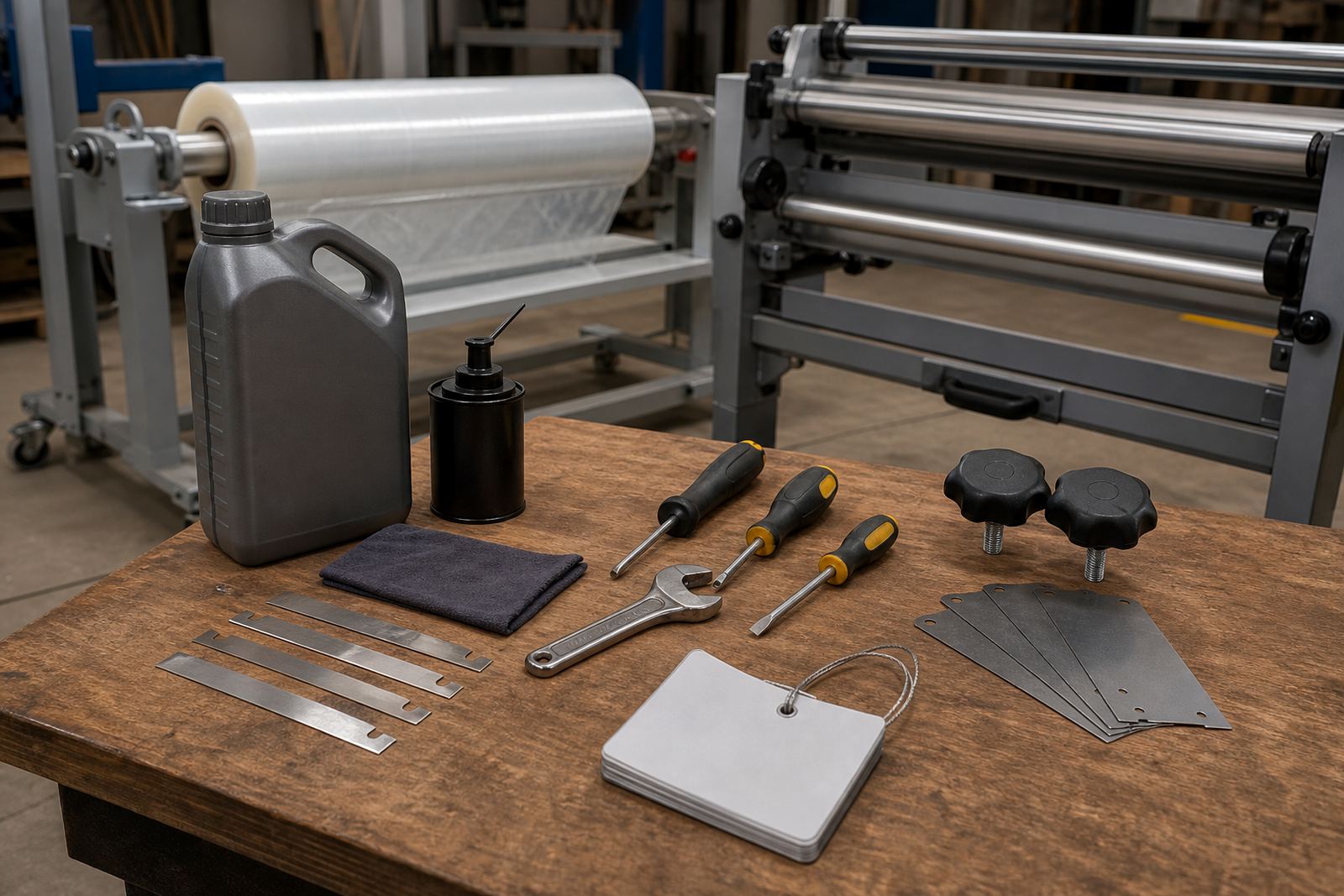
Film cutters are small compared with the rest of the line, but when one stops working it can slow the whole packing area. Before you buy, find out what servicing is required and how quickly wear parts can be replaced. In coastal areas such as Durban or Cape Town, moisture and salt air can affect moving parts, so regular servicing matters even more.
It is worth asking about blade replacement intervals, dispenser repairs and spare parts supply. If your operation runs in Boksburg, Midrand or Polokwane, a broken cutter should not sit idle for days while the team waits for help. The best option is the one that keeps downtime short and predictable.
- Ask for a simple service schedule
- Confirm access to blades, wear parts and fixings
- Check whether breakdown callouts are available
- Find out if preventive servicing can be done onsite
Use A Simple Checklist Before You Decide
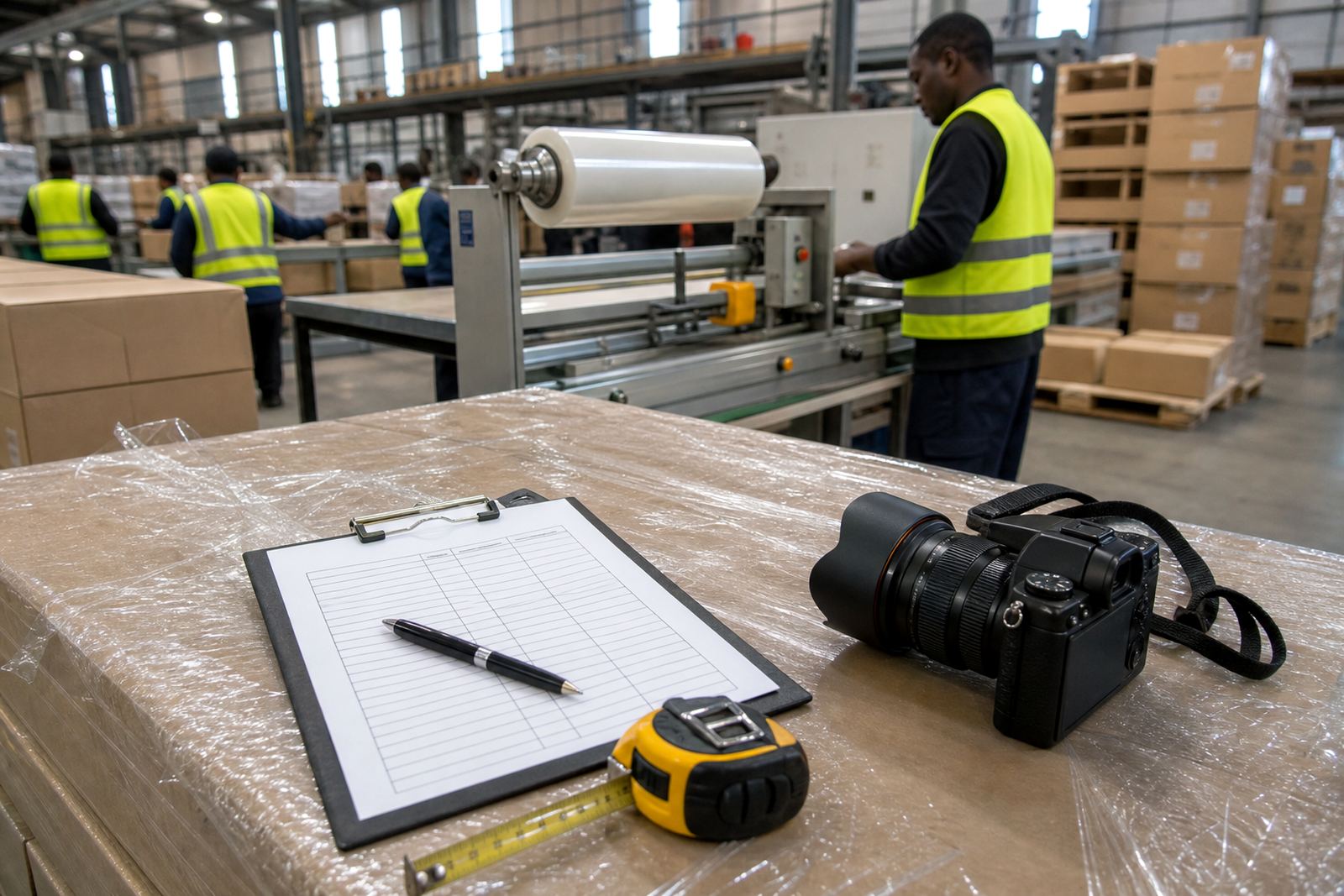
Before placing an order, compare a few practical points side by side. This keeps the decision grounded in your actual packing work, not guesswork. A unit that suits a Johannesburg distribution site may not suit a smaller production area in Pretoria, so use your own line conditions as the measure.
It also helps to involve the people who will use the cutter every day. Operators often notice things that buyers miss, such as awkward loading angles, poor blade access or a dispenser that makes roll changes harder than they should be.
- Will it suit the film you use most often?
- Can operators use it safely with minimal training?
- Does it fit the packing line space without crowding?
- Are spares, servicing and support available locally?
- Will it help reduce wasted film and uneven cuts?
Get The Best Result From Installation And Training
Even a well chosen cutter can underperform if it is not installed and set up correctly. Proper line setup helps the unit work as intended, and operator training keeps daily use consistent. That is especially important on sites with shift changes, mixed experience levels and busy production targets.
After installation, ask for a quick review of the setup, safety checks and roll change routine. A few minutes of training can prevent repeated mistakes, damaged film and avoidable downtime. For businesses across South Africa, from Germiston to Cape Town, good setup is what turns a practical tool into a reliable part of the packing line.