Start With the Line and Product Details
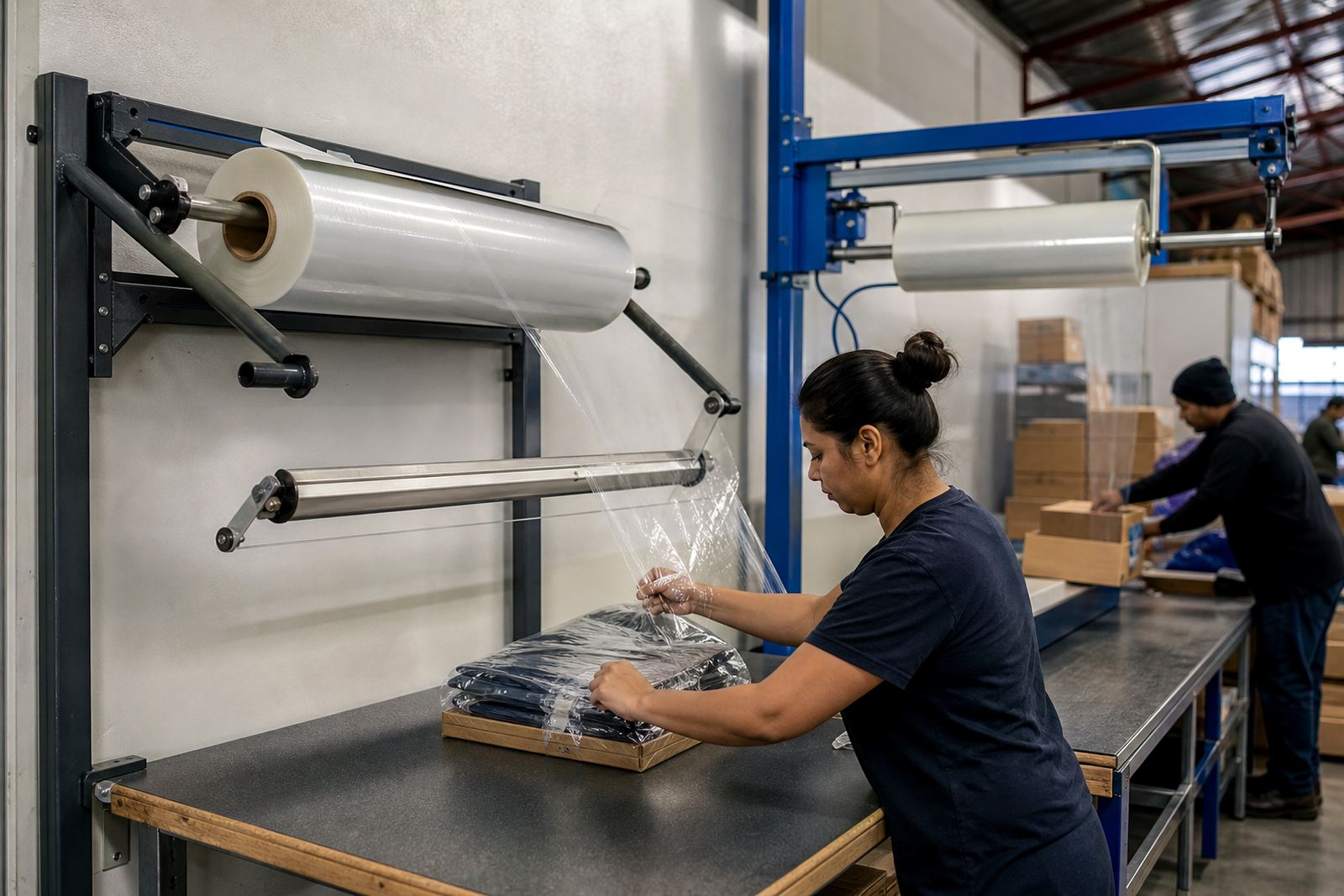
Before anyone measures the floor, gather the basics about the packing line itself. Note what film you use, whether it is shrink film or stretch film, and how the rolls are loaded today. Also record the product type, pack size, shift pattern and target output per hour. A line that runs 300 cartons a shift has very different needs from one moving pallets all day.
Include the full route of the film on the line, from storage to the point where the operator applies it. If you are using multiple pack stations, list each one separately. That makes it easier to compare the right cutter or dispenser for each location instead of forcing one solution across the whole plant.
- Film type and thickness in microns
- Roll width, roll diameter and average roll weight
- Products packed, carton or pallet size and load height
- Current output per shift and peak periods
- Number of operators using the line
Measure the Space Around the Packing Point
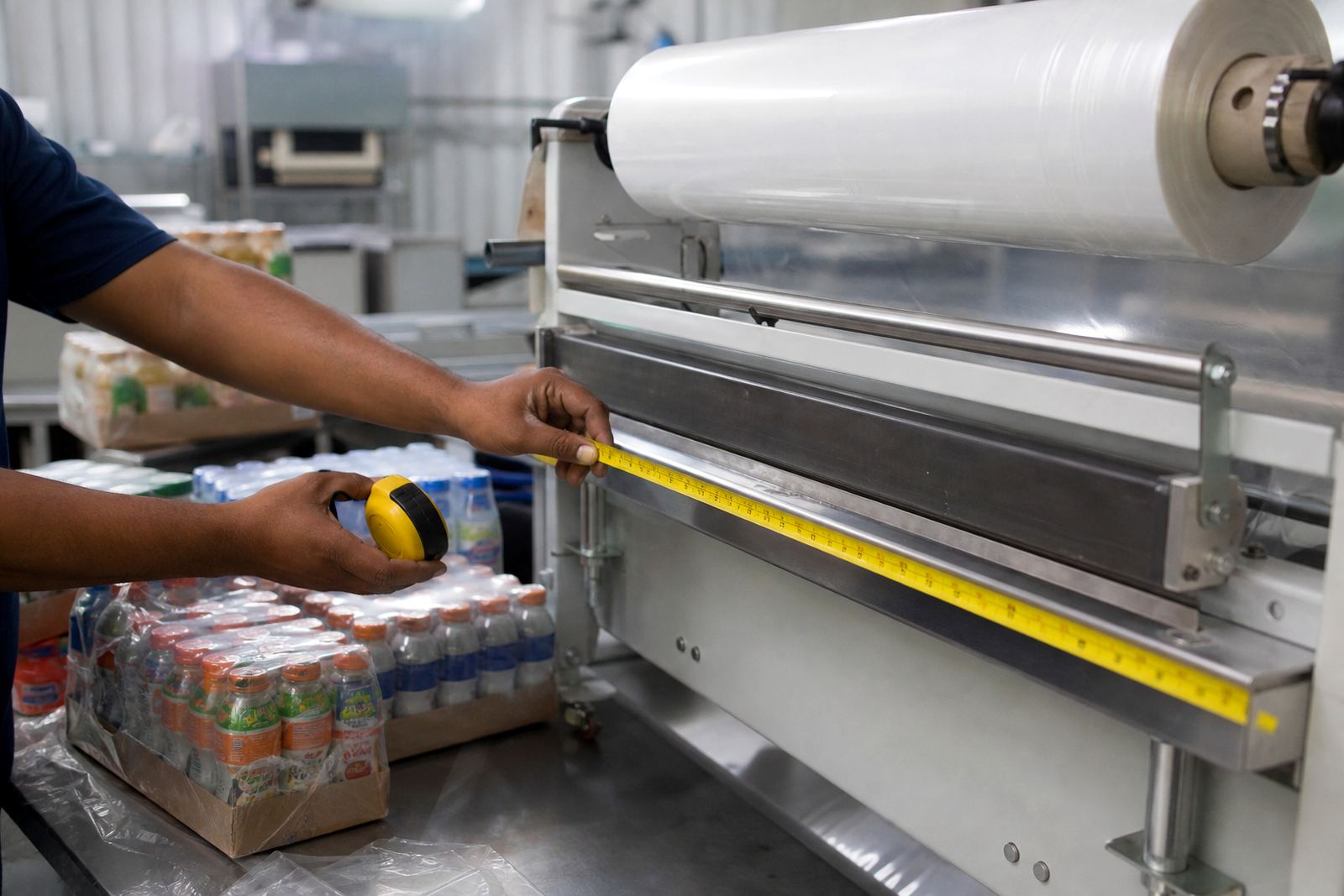
Space is usually the first thing that causes trouble. Measure the working area around the line, not just the machine footprint. Check clearances to walls, conveyors, posts, loading bays and pedestrian routes. In older plants around Johannesburg or Germiston, space can be tight and cable trays or air lines often get in the way.
Record the height from floor to overhead obstructions, and note any slopes, uneven slabs or damaged floor sections. If the area is near an open bay door, mention wind, dust or coastal humidity as these can affect how film behaves during use. In Durban, for example, moisture and salt air can speed up wear on exposed parts if the equipment is not placed carefully.
- Length, width and usable height of the installation area
- Distance to nearby equipment, doors and walkways
- Floor condition, drainage and any trip hazards
- Access for maintenance and roll loading
- Environmental issues such as dust, heat or humidity
Check Power, Air and Utility Points
Some sites assume the line has enough supply until installation day and then discover the nearest socket is too far or the circuit is already loaded. Confirm what power is available at the point of use, and whether you have single phase or three phase supply. If your site experiences load-shedding, note backup systems and what still runs when the mains go off.
For lines that depend on compressed air or other utilities, check pressure, line condition and isolation points. A survey should also note where the main switchgear and emergency stop points are located. This helps with safe setup and makes future servicing easier.
- Power supply type and voltage
- Distance to the nearest electrical point
- Compressed air availability and pressure
- Backup power or generator arrangements
- Location of isolators and emergency stops
Review the Roll Handling and Changeover Process
Many packing delays happen during roll changes, not during the actual packing cycle. Watch how operators remove old rolls, fit new ones and thread the film through the line. If a changeover takes too long or needs two people every time, that should be captured in the survey. It often points to the wrong dispenser height, awkward reach or poor storage placement.
Measure how much room is needed to store spare rolls near the line. Note lifting method, trolley use and whether any manual handling risks are present. If your team works with heavy stretch film rolls in Boksburg or Midrand, this part matters a lot because repeated lifting can slow the line and cause strain over time.
- How rolls are lifted, carried and mounted
- Average changeover time
- Storage space for spare rolls
- Number of operators needed for a change
- Any strain, pinch points or awkward reaches
Capture Safety, Compliance and Operator Needs
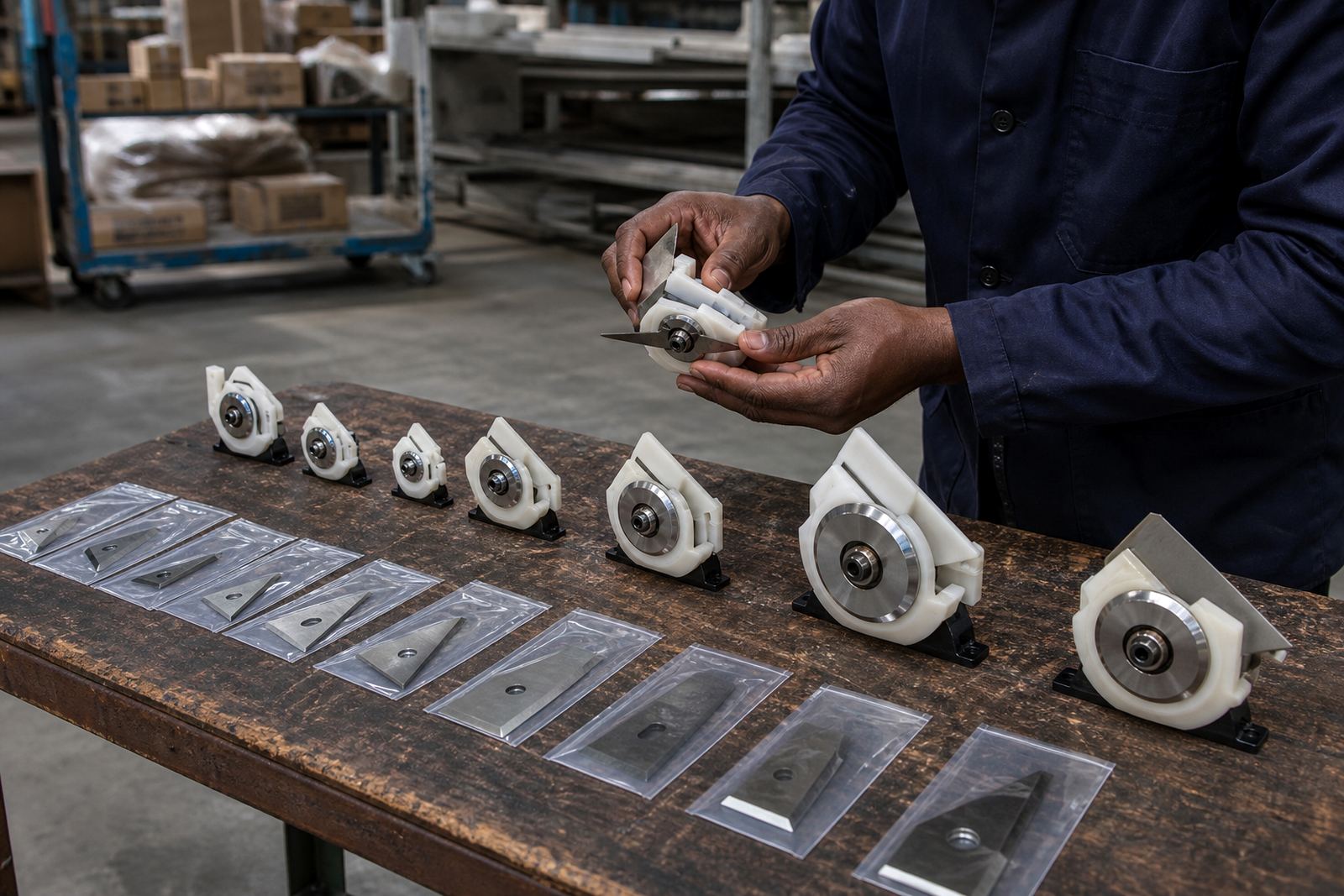
A good site survey is not only about fit, it is also about safe use. Check whether blades, edges and moving parts are properly guarded, and whether operators can reach controls without leaning over unsafe areas. If the site has its own safety rules, include them in the survey notes so the equipment can match site procedures from the start.
Think about training too. A dispenser that looks simple on paper can still be used badly if the team changes often or if new staff are not shown the correct method. At sites in Pretoria and Cape Town we often find that a short training session prevents repeat faults later on, especially where the line runs across different shifts.
- Guarding, pinch points and blade handling controls
- Emergency stop access and clear walkways
- Operator training needs and shift handover issues
- Housekeeping around the packing zone
- Any site rules for visitors, PPE or permit control
Use the Checklist to Request the Right Setup
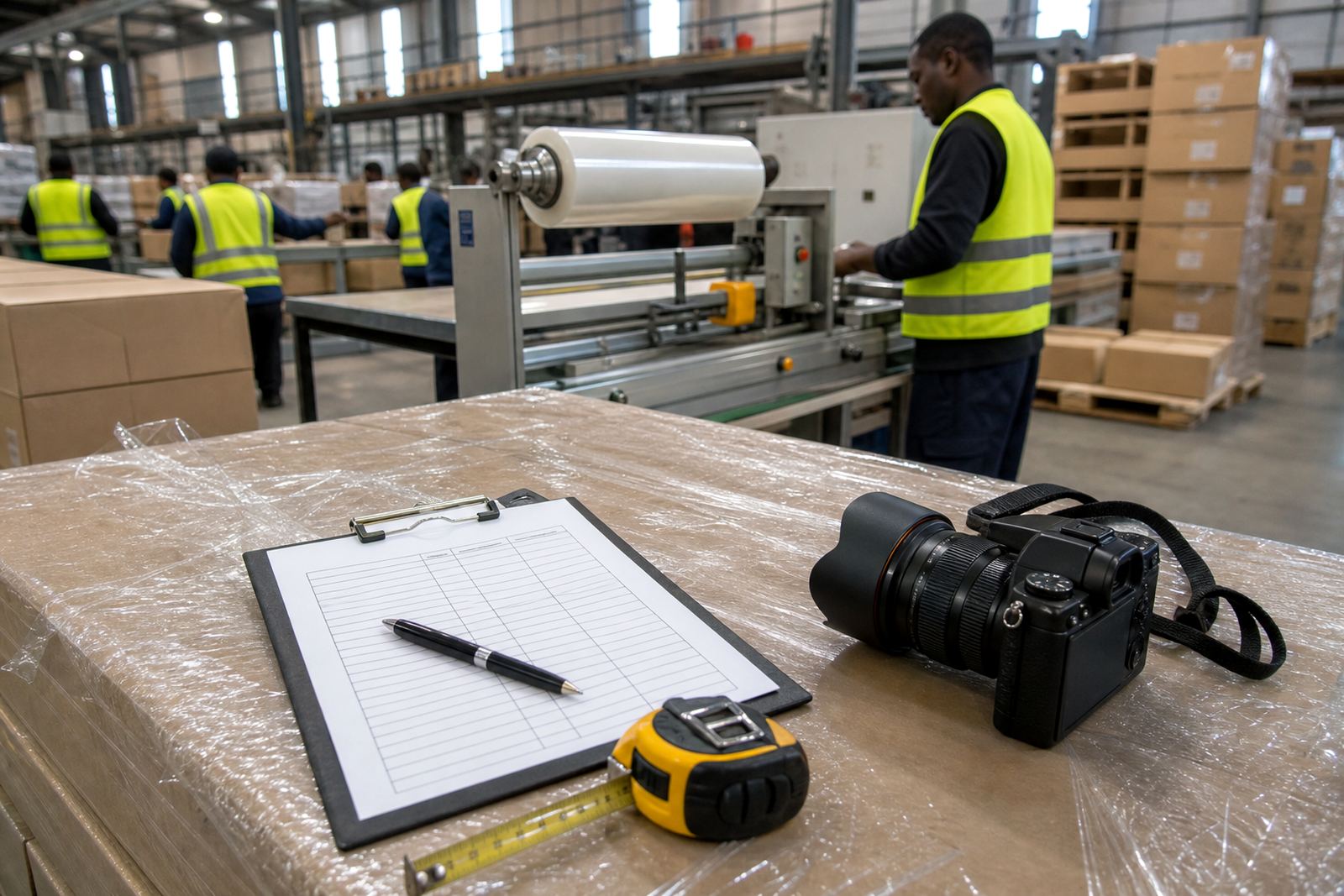
Once the survey is complete, the information should be enough to match the right cutter, dispenser or upgrade to the line. Include clear photos, measurements and a short note on the main problem you want solved. That may be speed, safety, blade life or roll stability. The more accurate the survey, the less back-and-forth later.
If your plant runs multiple lines, separate the survey results by line number and site. This is useful for businesses with branches in Germiston, Johannesburg, Pretoria, Durban, Cape Town and Polokwane, because the conditions on each site can differ. A line that works well in one branch may need a different setup somewhere else due to space or workload.
Before you submit the details, check that the following is included: machine or line name, product type, film specs, measurements, utility points, safety notes and photos from at least two angles. That gives a solid base for quoting, planning and installation, and it keeps the job moving without confusion.