Start With the Film Type and the Way You Wrap
Before you compare prices, match the dispenser to the film you use every shift. Shrink film and stretch film behave differently, and a unit that handles one well may be awkward on the other. If your packing line handles mixed cartons, pallet loads, or irregular shapes, ask how the dispenser keeps the film under control during each wrap cycle. The goal is steady application with less waste and fewer stoppages.
For busy sites in Germiston, Johannesburg or Midrand, that usually means checking how the dispenser performs when the line is moving fast and operators are working around loading bays, pallet jacks and limited floor space. In Durban or Cape Town, humidity and coastal air can also affect storage and handling, so it helps if the dispenser is easy to clean and simple to keep in good condition.
- Confirm whether you need a shrink film holder, stretch film holder, or a unit that can support both workflows.
- Check the film width and roll diameter your team uses most often.
- Make sure the dispenser suits manual wrapping or assisted line use, depending on your packing setup.
- Ask how the unit handles tension control so film does not tear or loosen too quickly.
Compare Build Quality Before You Compare Price
A low purchase price can turn expensive if the dispenser bends, wears out early, or keeps throwing the line off. Look at the frame, handles, rollers and braking parts. In a South African packing room, equipment gets bumped, moved and used by different operators, so the unit needs to stand up to daily work not just a neat demonstration.
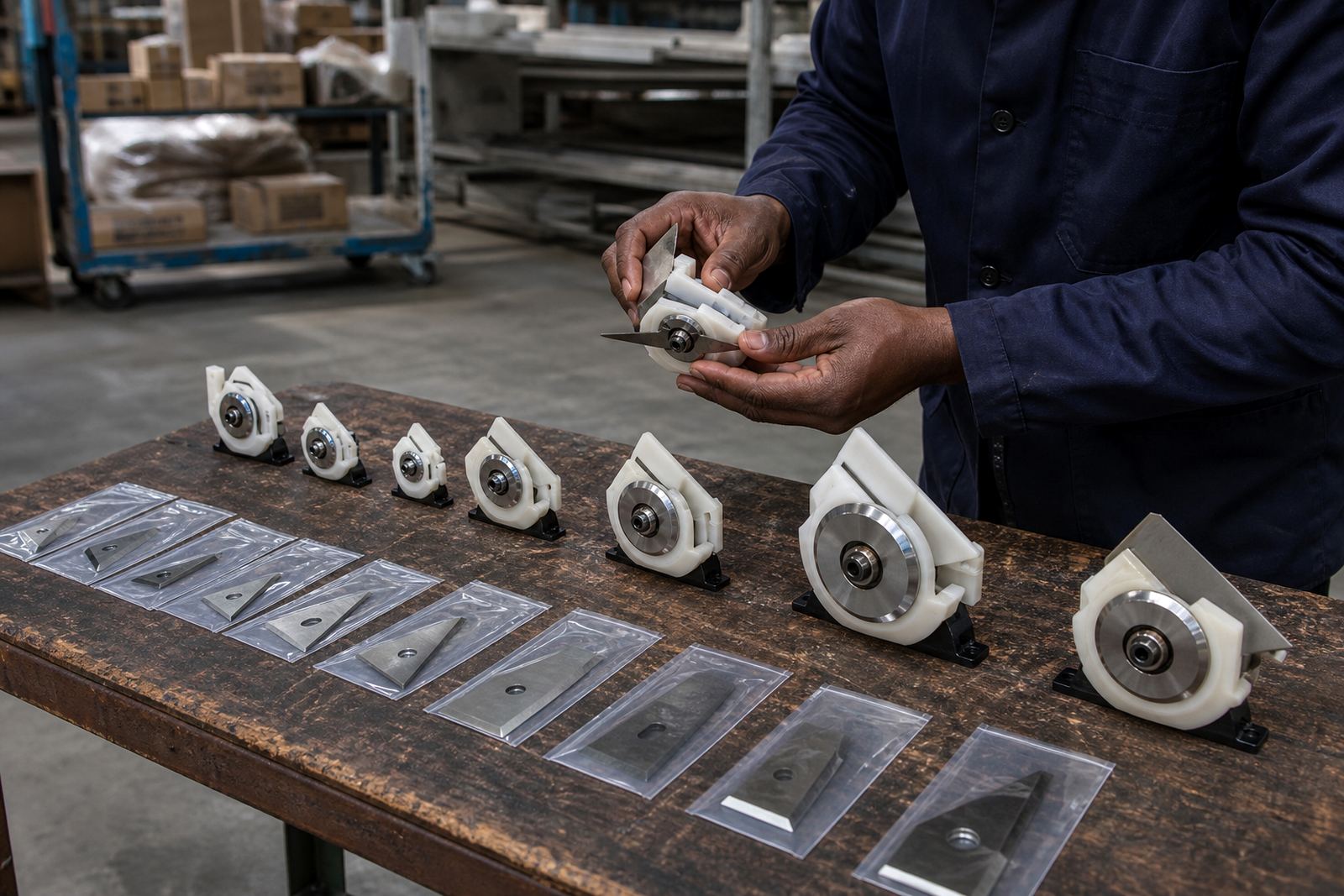
Ask what parts are serviceable, whether blades are easy to replace, and if the dispenser is designed for quick cleaning between shifts. At sites that run long hours or deal with load-shedding, simple mechanical parts are often easier to live with than overcomplicated equipment. You want a dispenser that can carry on with minimal fuss when the power is off and the team is keeping production going by hand.
- Check the material thickness and finish for corrosion resistance.
- Inspect the moving parts for play, wobble or rough action.
- Ask whether replacement blades, grips and wear parts are available locally.
- Confirm that the unit can be maintained without special tools that disappear from the workshop.
Make Sure the Dispenser Fits Your Packing Line
The best dispenser is the one that fits the way your line already works. If your operators must lift rolls often, turn awkward angles, or walk long distances between stations, the wrong dispenser adds strain and slows the job. Think about the full route from storage to packing station to dispatch, including where rolls are kept and how often they are changed. A good setup reduces handling and keeps the wrap neat.
On some sites the issue is space. In smaller packing rooms or municipal facilities with tight fire aisles, you need equipment that does not block access or create trip hazards. In larger warehouses around Boksburg or Polokwane, the question may be speed and consistency across several stations. Either way, line fit matters more than a fancy spec sheet.
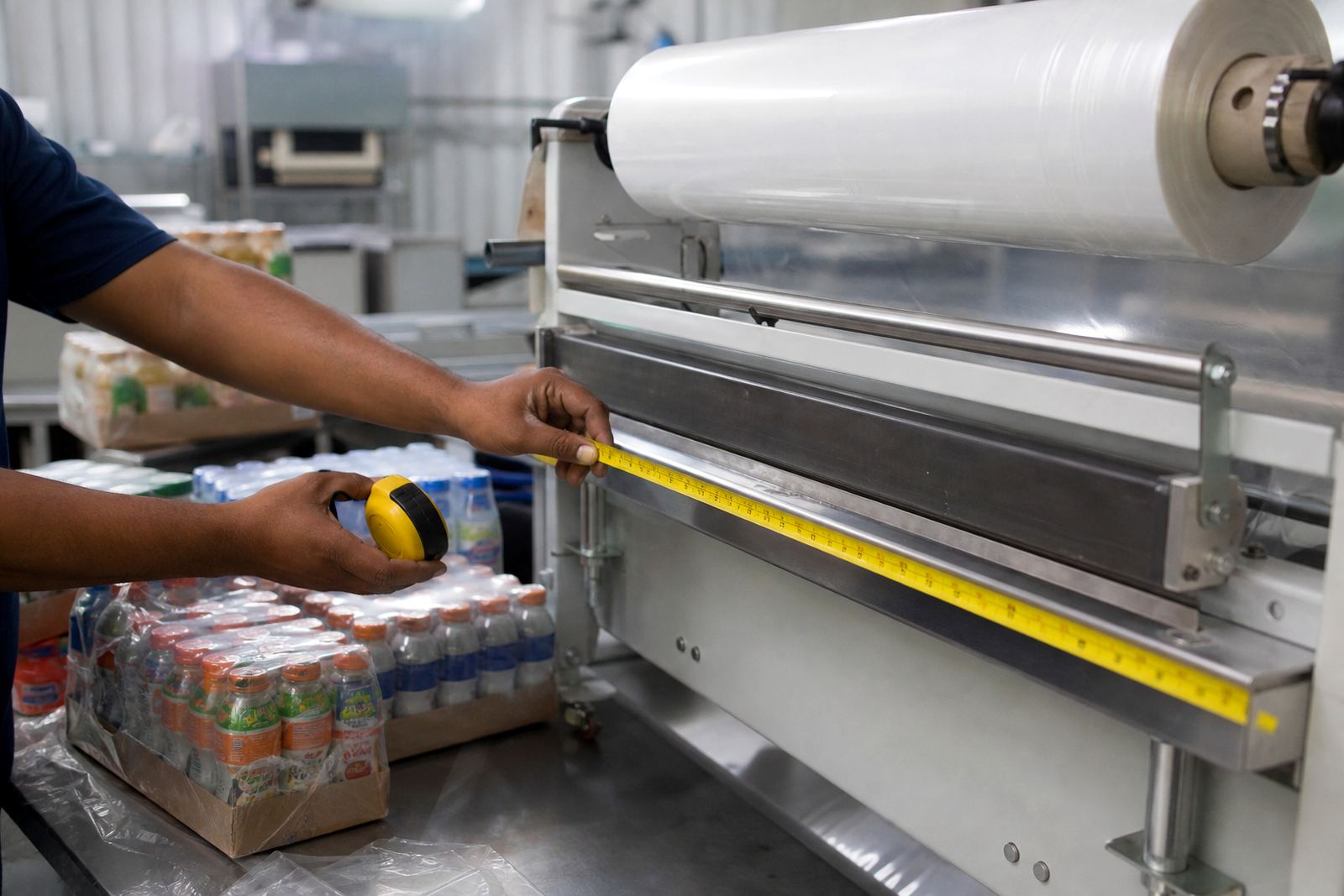
- Measure the available floor space around the packing point.
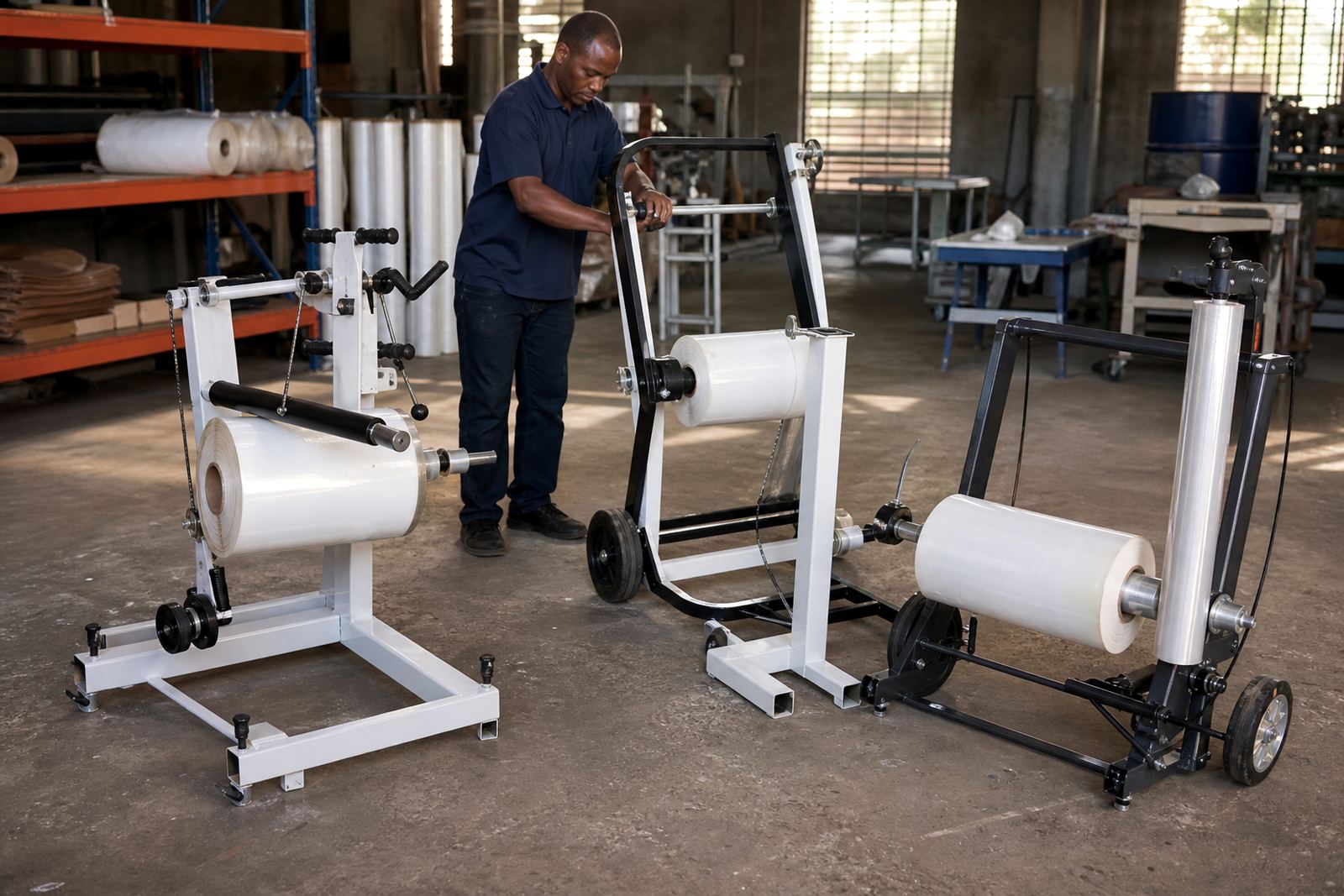
- Check whether the dispenser can be mounted, held or wheeled as needed.
- Confirm roll change access so operators do not lose time during busy periods.
- Think about height and grip comfort for different operators on shift.
Look at Safety, Training and Daily Use
A dispenser should make wrapping easier without creating new risks. Sharp blades, loose film tails and awkward posture can all cause injuries if the equipment is not well matched to the job. When buying, ask what safety features are built in and what operator training is needed before the unit goes onto the floor. Good gear is only useful if the team can use it correctly from day one.
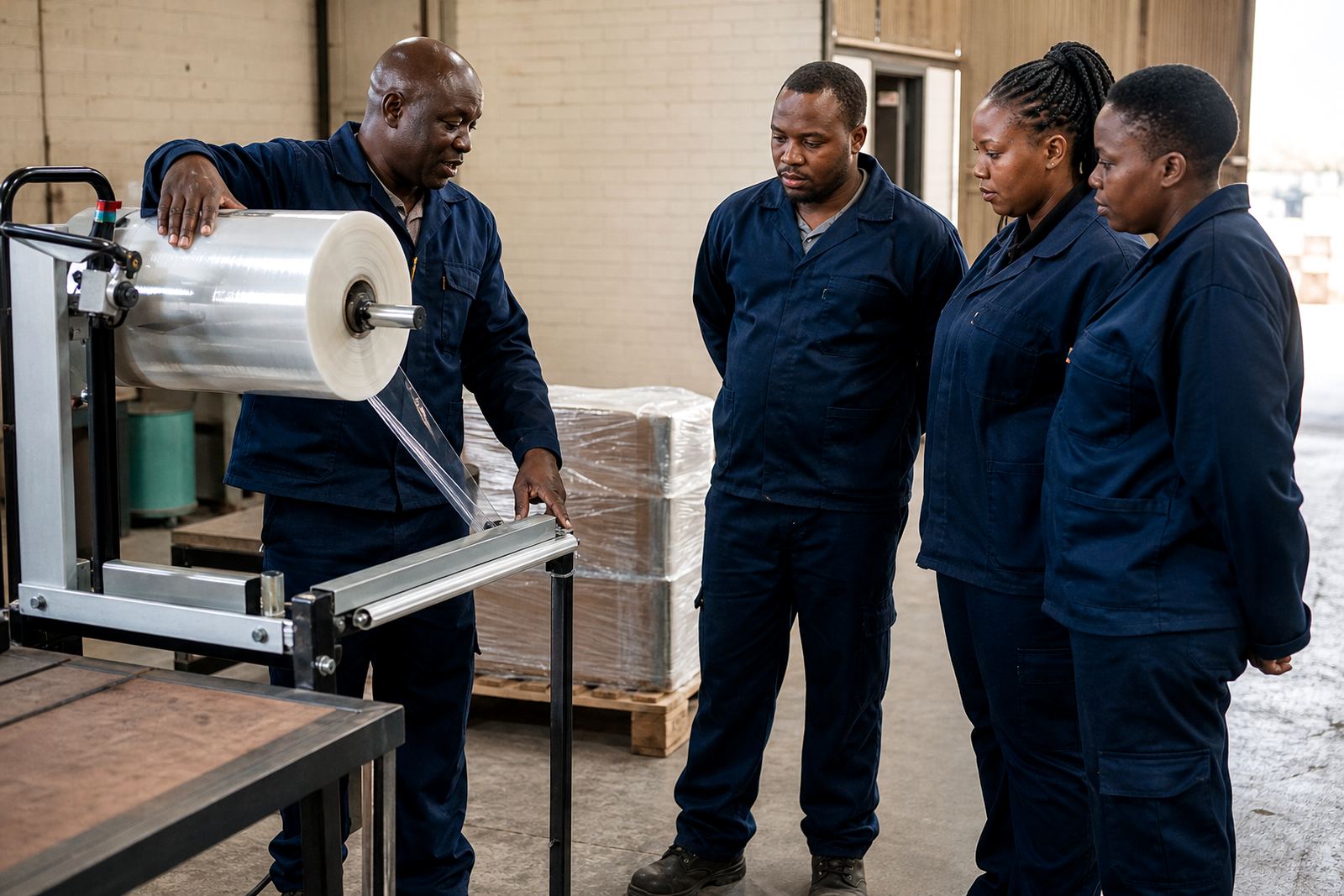
For sites with strict safety files or municipal inspections, it helps if the dispenser supports cleaner work habits and clear film control. That can reduce slipping, tangling and unnecessary cutting. Our team often sees that a short training session saves repeat callouts later. Operators remember the basics quickly when the dispenser is simple and the workflow is explained properly, not just handed over and left on the pallet.
- Check blade access and whether it is protected during normal use.
- Ask for safe roll-change steps that reduce strain on the wrists and back.
- Confirm whether operator training is included or available after installation.
- Make sure the dispenser suits right-handed and left-handed use if the line has mixed staff.
Plan for Servicing, Spares and Breakdown Support
Buying the dispenser is only the first step. You also need support when a part wears out, a blade dulls, or a unit stops tracking properly. Ask about preventive servicing, spares supply and breakdown callouts before you place the order. That matters even more if your site runs early shifts, weekend production or urgent dispatches into Gauteng, KZN and the Western Cape.
It is worth checking how quickly spares can be supplied and whether a technician can visit your site in Germiston, Pretoria, Durban, Cape Town or another branch area when needed. A dispenser that sits idle for two days costs more than a slightly better unit with proper support. If your packing line is important to delivery times, service backup is part of the purchase decision.
- Ask what spares are held locally and what has to be ordered in.
- Confirm whether the supplier offers onsite installation and line setup.
- Check if preventive servicing can be scheduled to suit your shifts.
- Find out how breakdown support is handled for urgent packings and dispatch deadlines.
Buying Checklist for a Better Choice
When you are comparing dispensers, keep the decision practical. Start with the film, then the line, then the support. If two options look similar, choose the one that will keep working in your conditions with the least effort from your team. That usually means easier roll changes, stronger parts and clear servicing back-up.
Use this short checklist before you sign off the order:
- Film type confirmed: shrink, stretch, or both.
- Roll size and film width checked against current stock.
- Operator comfort reviewed for height, grip and handling.
- Safety requirements and training needs listed.
- Spare blades, wear parts and servicing support confirmed.
- Delivery site and installation date agreed, including access at the packing area.
If you are comparing options for a site in Johannesburg, Boksburg, Midrand or further afield, it helps to speak to a supplier who understands packing lines, not just the hardware. The right dispenser should save time, reduce waste and keep your line moving with less fuss.