
Cold-room handling in Isando needed steady film control
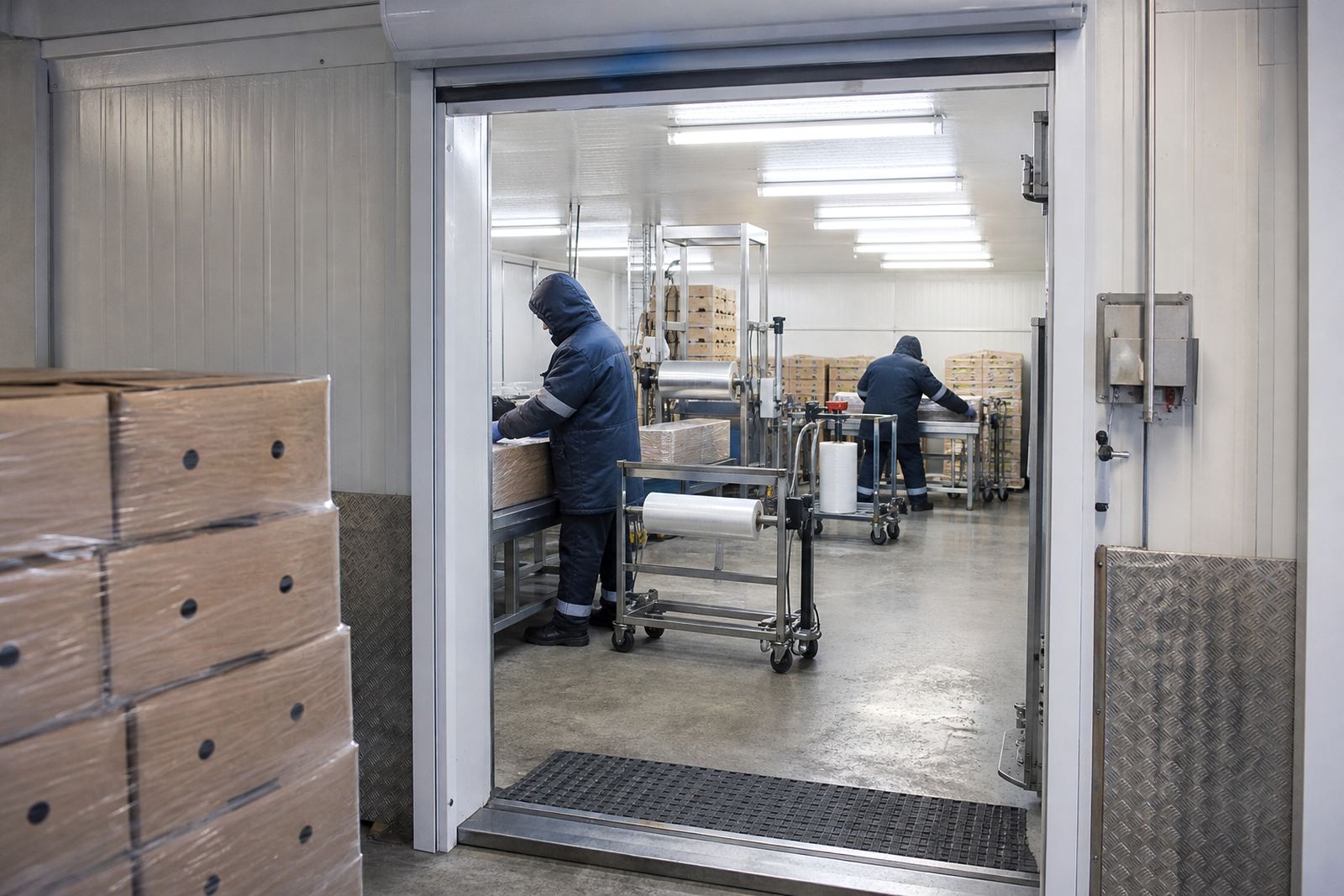
The client was a food packing operation in Isando, Ekurhuleni, working close to refrigerated storage and dispatch. Wrapped cartons and trays were moving from the packing line into a cold-room side area, so the team needed cutters and dispensers that would keep stretch film and shrink film under control without slipping, snagging or forcing operators to overreach.
The brief was simple on paper but demanding in practice. The equipment had to be easy to use with gloves on, keep working in a cool and damp space, and support a steady pace during peak dispatch periods. There was also pressure to reduce film waste, because in a chilled facility even small waste adds up fast when the line is running all day.
This was not a clean, dry warehouse install. The area had temperature swings between the packing floor and the cold-room interface, with moisture on frames and floors after door openings. That meant the system needed reliable grip, good blade protection and a layout that would not become awkward once operators started using it on every shift.
What we found on site before fitting anything
Our team carried out a site assessment first and checked the exact movement path from packing to cold storage. We looked at roll sizes in use, film tension, operator reach, cart movement, and where the previous setup was slowing the line down. There were also a few practical issues that mattered more than people expect, like floor space near the dock doors and how often operators had to stop to reset the film.
- Cold-room adjacency with frequent condensation near the entry point
- Wrapped product changing over from packing line to chill storage
- Mixed use of shrink film and stretch film on different pack types
- Limited space for roll storage and spare blades
- Need for quick operator changeover between shifts
We also checked lighting, wall fixing points and safe access for maintenance. In a facility like this, a unit that works well in the morning can start giving trouble once the temperature drops and the floor gets damp. That is where proper placement and simple, serviceable parts matter.
The equipment package we supplied and set up
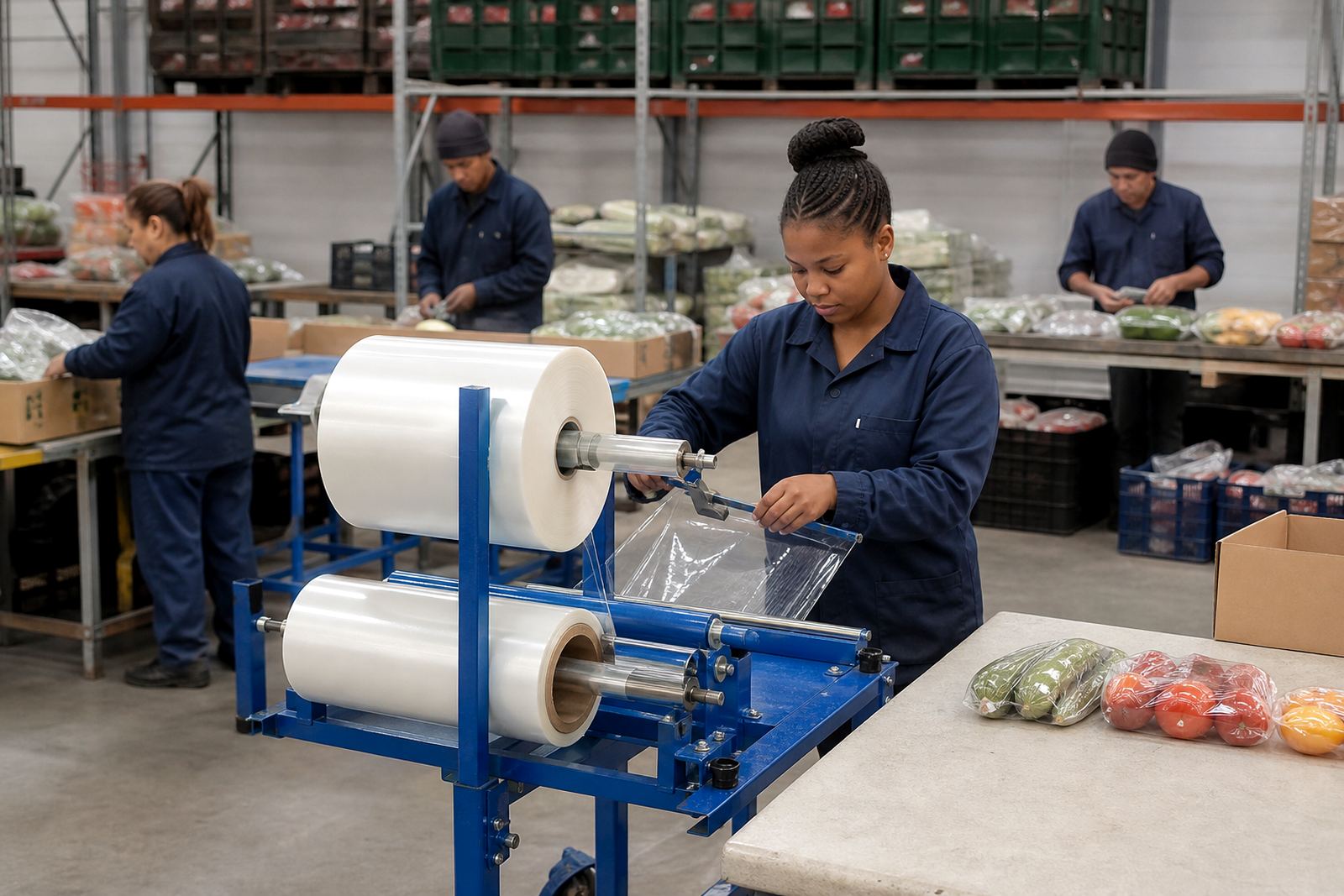
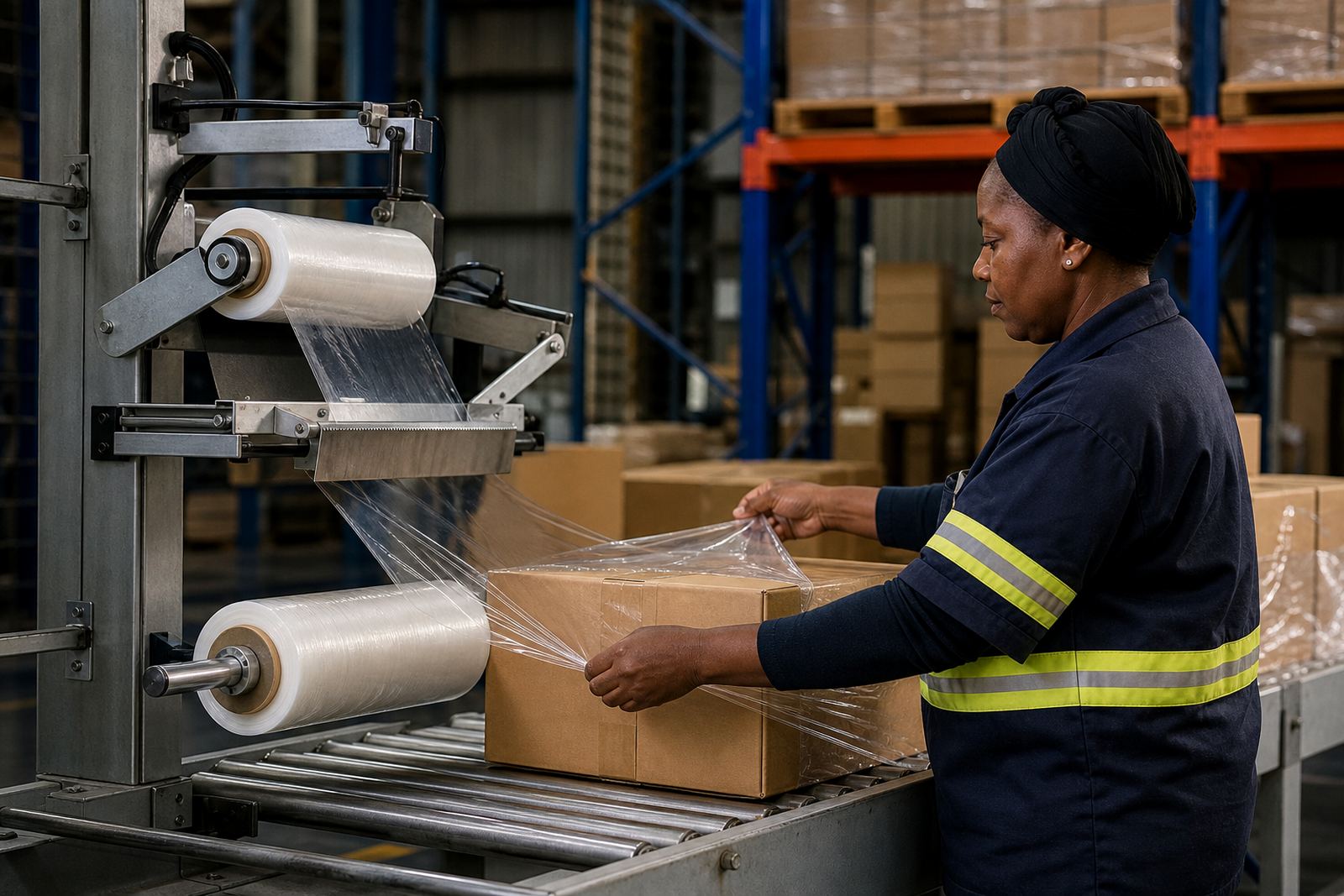
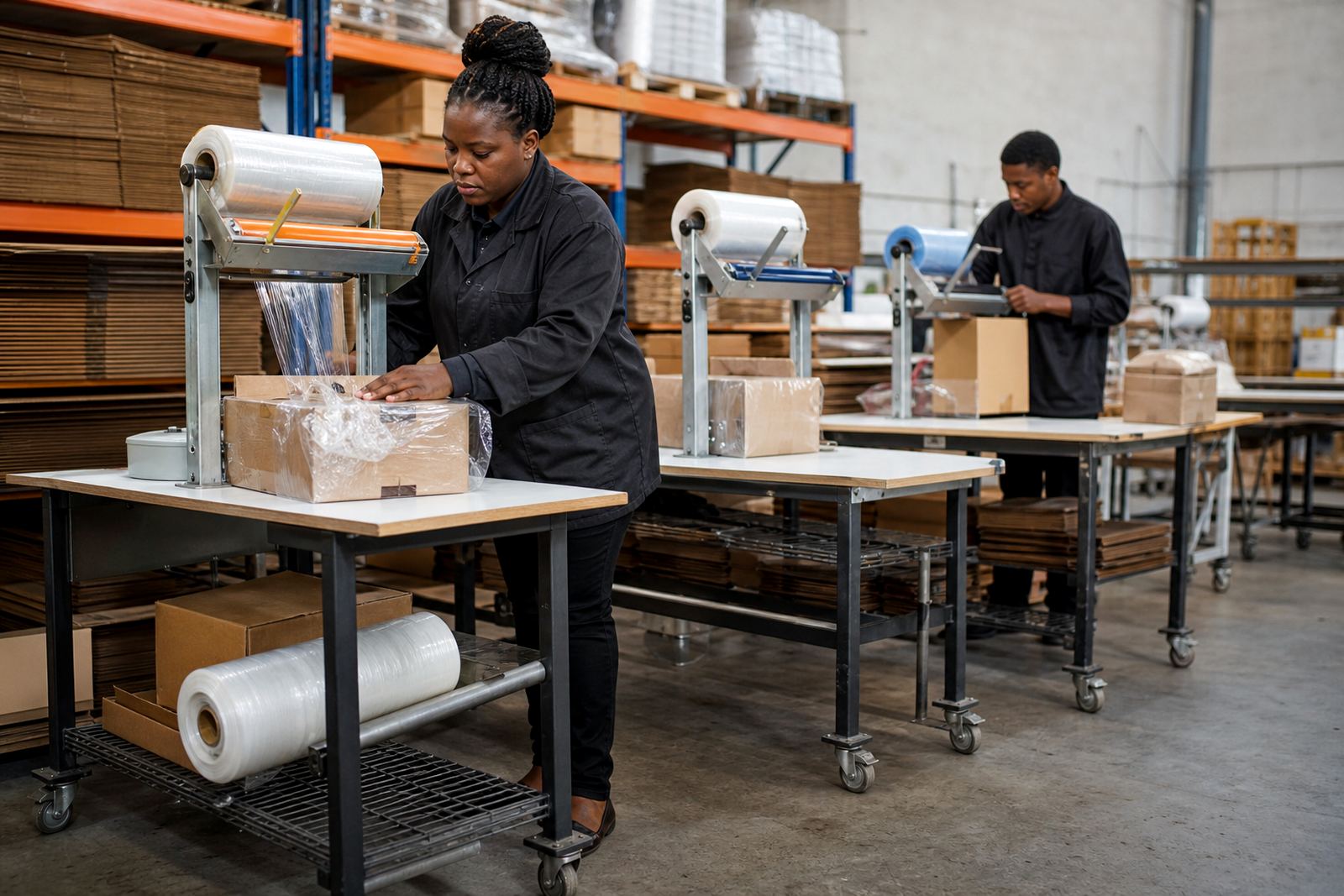
For this project we supplied a practical mix of shrink film and stretch film cutters and dispensers suited to packing lines handling wrapped product near cold storage. The focus was on clean film application, controlled cutting and a hand-feel that operators could trust from the first shift. We also added the right mounting and working positions so the units stayed stable during daily use.
The key requirement was grip. Operators needed a dispenser that would hold film firmly without wasting effort, and a cutter that would slice cleanly without leaving ragged edges or making the process fiddly. That matters in Isando where packing teams often work against dispatch cut-off times and cannot afford repeated rework.
- Cutters and dispensers matched to shrink film and stretch film use
- Stable fitment for packing line stations near the cold-room interface
- Blade access arranged for safe replacement during servicing
- Simple handling for operators wearing gloves
- Parts selected for moisture-prone environments
We kept the setup straightforward, because the best equipment is the stuff people actually use properly every day. A complicated fix would have looked clever for a week and then become a nuisance. This one was made to earn its place on the floor.
Installation, line setup and operator training over three weeks
The full job took three weeks from assessment to handover. Week one was the site check and measurement phase. Week two covered supply, preparation and line setup. Week three was installation, testing, minor adjustments and training with the operators and shift leads.
During installation we checked the working height of each unit, confirmed blade reach, and made sure film rolls could be changed without blocking the walkway. We also tested the dispensers under real conditions with the room doors opening and closing, because that is when cheap fittings tend to loosen or become awkward. Nothing fancy, just proper testing in the same conditions the team faces every day.
Training was kept practical. We showed the team how to load film correctly, how to keep tension even, when to replace blades, and how to spot early wear on the dispenser parts. We also covered basic safety checks so the line supervisor could see issues before they became downtime.
- Site assessment and measurement: 1 week
- Supply and line setup: 1 week
- Installation, testing and training: 1 week
- Total project time: 3 weeks
Results after go-live on the packing floor
Once the new setup was in use, the packing team reported smoother film handling and fewer interruptions during roll changes. Operators no longer had to fight the film at the cold-room edge, and product wrapping was more consistent across shifts. That improved both pace and confidence on the line.
There was also a clear reduction in waste. Because the film was cutting cleanly and feeding properly, the team used less excess material on each wrapped load. On a chilled operation, that helps with cost control and keeps the floor tidier too. The supervisor mentioned that the area felt less cramped, which sounds minor but makes a big difference when pallet movement is constant.
In practical terms, the setup delivered three things the client wanted from day one: better grip, safer handling and less down time. No drama, no special workarounds, just a setup that did the job and kept doing it.
What we would repeat for another cold-room site
If we were called to another cold-room adjacent site in Germiston, Johannesburg, Pretoria or Durban, we would use the same approach. Start with the layout, check how the product moves, then match the cutter and dispenser to the real working conditions rather than guessing from a spec sheet.
We would also keep the following points as standard on similar jobs:
- Assess temperature, moisture and operator movement before selecting equipment
- Keep the unit position simple to reduce handling strain
- Allow for easy blade replacement and spare parts access
- Train the team on film loading and safety checks from the start
- Test performance during live shift conditions, not just after hours
That is especially important for facilities handling wrapped product near chilled storage, where one poor fitting can lead to film slip, poor seal quality or avoidable rework. A good install should make the shift easier, not add one more thing for the team to watch.
Key facts
| Project location | Isando, Ekurhuleni |
|---|---|
| Site type | Cold-room adjacent wrapped product handling area |
| Equipment supplied | Shrink film and stretch film cutters and dispensers |
| Project duration | 3 weeks |
| Main constraints | Condensation, limited space, glove use, shift pressure |
| Services delivered | Site assessment, line setup, installation, training, testing |