Why cold room conditions change the job
A packing line next to a cold room is not the same as a line in a dry warehouse. Once chilled air, condensation and constant door movement are part of the day, film can behave differently and tools need a bit more attention. In Germiston, Johannesburg and Boksburg, many sites move goods between ambient and refrigerated zones all day, so the handover point is where problems usually start.
Film cutters and dispensers are simple tools, but they rely on clean contact, steady handling and predictable film tension. If the area around the cold room is damp, the film may cling, the roll may not turn freely and operators can struggle with grip, especially when wearing gloves. A small issue at the cutter can slow the whole bay down.
Moisture control around doors and transfer points
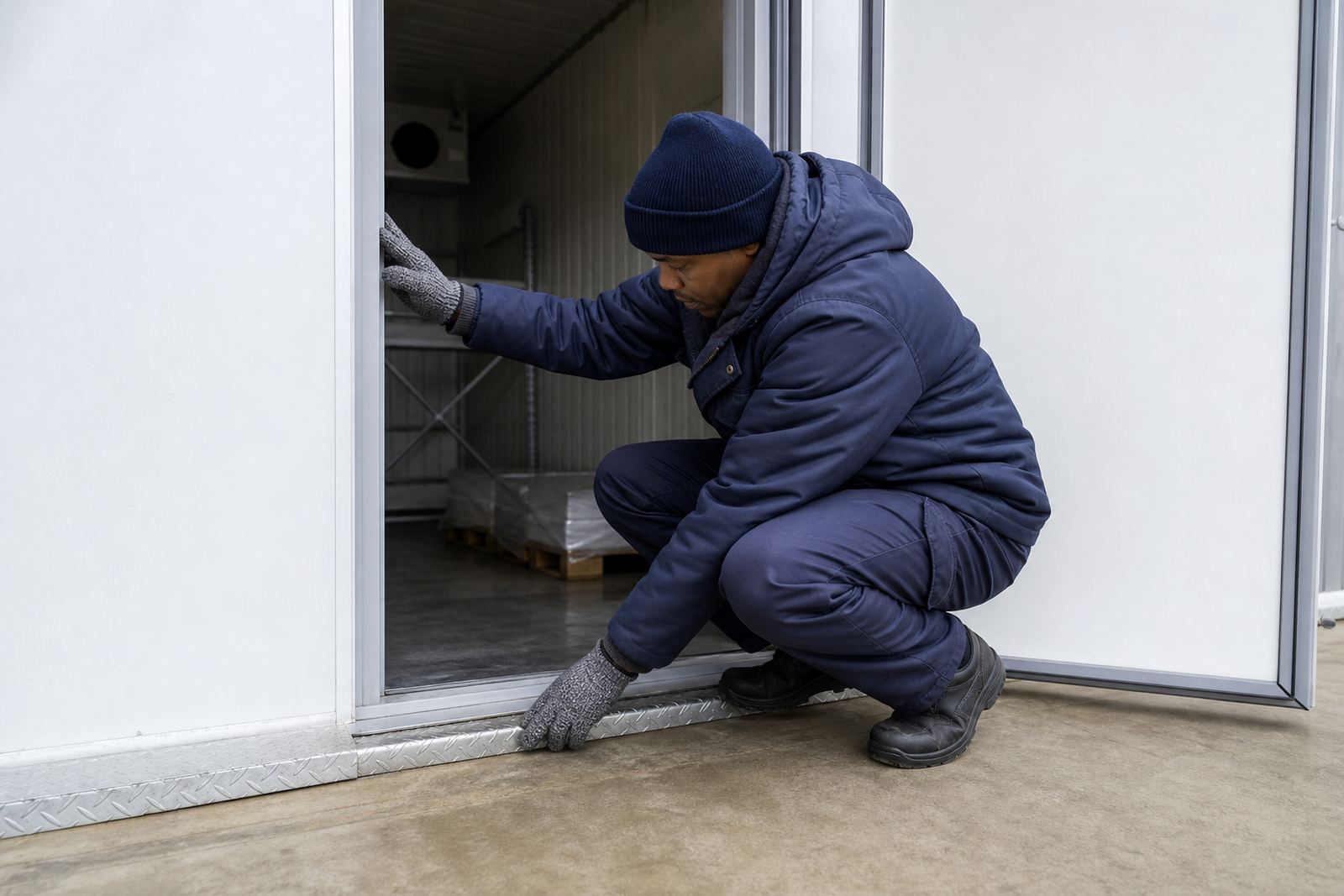
The first thing to watch is moisture at the door line. Condensation forms fast when warm air meets cold panels, and that moisture can settle on frames, handles and floor surfaces. If the dispenser stand sits too close to the threshold, the wheels, bearings and cutting edge may be exposed to damp conditions more often than expected.
- Keep cutters and dispensers out of direct drip zones near cold room doors.
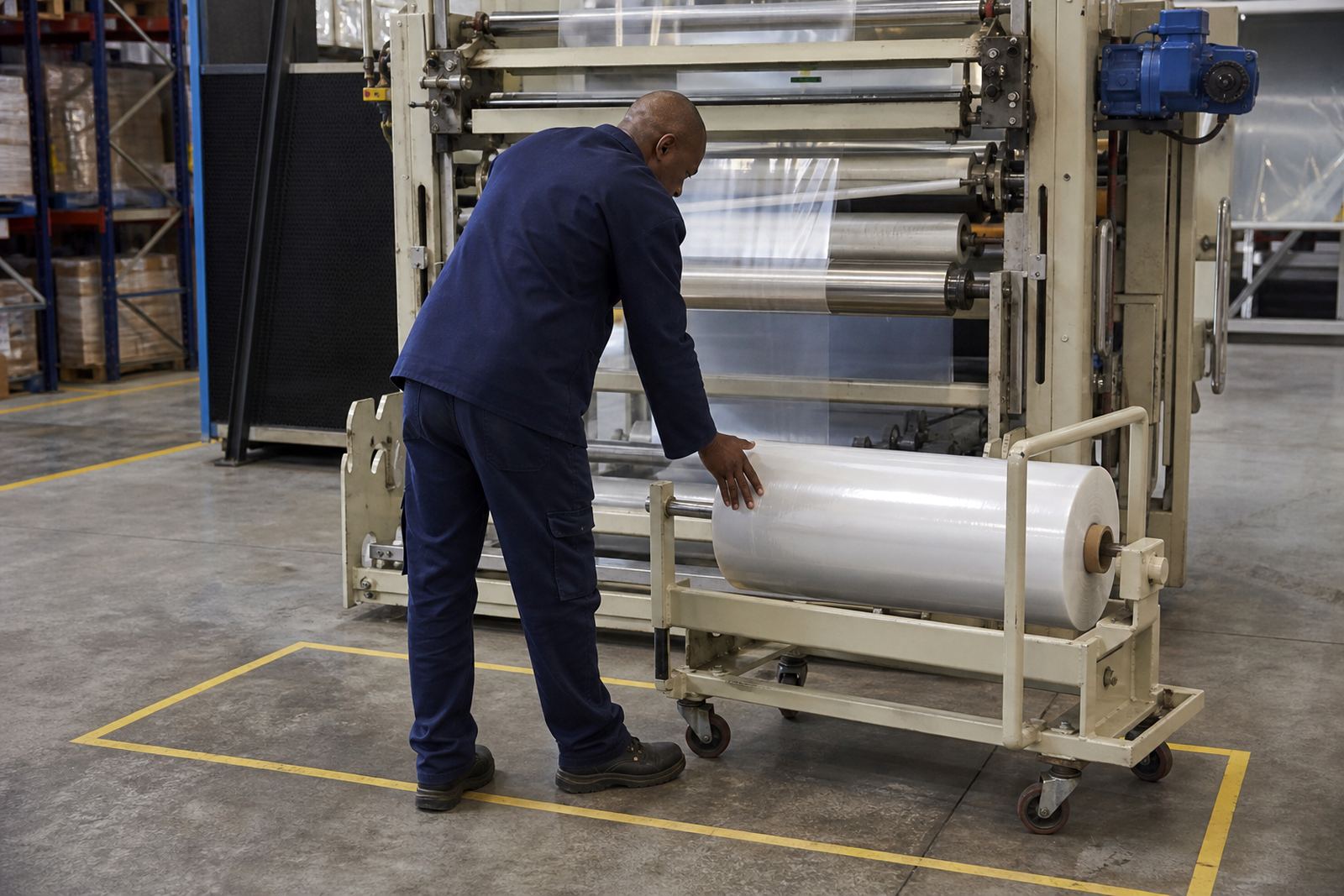
- Use floor markings so operators know where the safe working zone starts and ends.
- Check for rust, sticky rollers and water marks during daily line checks.
- Dry the area during washdowns so film does not pick up moisture before wrapping.
On a Cape Town site near the coast, humidity can make this worse, so the packing team may need to adjust the position of the line when the weather turns. In Durban it is often a daily issue, not just a seasonal one.
Selecting the right cutter for gloved hands and wet conditions
Cold room teams often wear thicker gloves, and that changes how operators hold, guide and release film. A cutter that works well with bare hands may feel awkward when the operator has reduced finger movement. The handle shape, blade guard and mounting height should all suit the actual working method on site.
For packing lines linked to refrigerated storage, a user-friendly unit can reduce strain and improve consistency. The aim is to let the operator cut or dispense without overreaching, twisting or taking their hands away from the load for too long. That matters when product is moving quickly and the room is busy.
- Choose a cutter that is easy to operate with work gloves on.
- Confirm the blade position is safe when visibility is reduced by fogging or cold breath.
- Set the dispenser at a height that suits the main operator, not just the tallest one.
- Make sure the frame is stable so it does not shift on smooth cold room floors.
Film tension, static and roll change habits
Cold conditions can change how film feeds off the roll. Stretch film may tighten up, while shrink film handling can become less forgiving if the roll has been stored near a cold wall or loaded straight from a cooler area. That is why roll change support and line setup matter, not just the cutter itself.
Teams in Pretoria and Midrand often run mixed product packs across different temperature zones. If the same dispenser is used near a chilled area and in a warmer dispatch bay, operators need a consistent method for loading the roll and checking alignment. A roll loaded badly at 6am can cause a string of wraps that waste time and film all shift long.
Static also becomes more noticeable when air is dry inside one part of the site and damp in another. It may cause the film to cling where it should release, or it may draw dust onto the film edge. That is why a practical site assessment is useful before changing equipment position.
Safety checks that matter in refrigerated zones
Safety around cold rooms is not only about temperature, it is about movement, slips and visibility. The floor may be damp, pallet jacks may move in and out of the same opening and workers may be carrying product with limited space to stop quickly. A cutter or dispenser placed badly can become an obstruction.
Before a shift starts, a simple safety check should confirm that the equipment is stable, the blade is protected and the working area is clear. If the line sits close to a high traffic route, the guard rails or stop points may need adjusting. This is especially important during load-shedding events, when lighting can be reduced and people are more likely to misjudge the edge of a bay.
- Check floor grip around the cold room entrance before production starts.
- Keep spare blades and tools in a dry place, not on the cold floor.
- Inspect handles, fixings and guards after every washdown.
- Review operator movement if forklifts or pallet jacks share the same area.
A practical example from a Germiston packing line
At a food packaging site in Germiston, the team had a dispenser set up close to a chilled dispatch door because it seemed convenient. In practice, the roll was picking up condensation and the operator kept wiping the handle before every changeover. The cutters were fine, but the position was costing time and causing uneven wraps.
After a site assessment, the line was shifted a short distance away from the cold air path and the team was retrained on roll change procedure. The result was cleaner handling, fewer stops and less damage to the film edge. It was not a major overhaul, just a better layout and a more suitable setup for the room conditions. Small changes like that can make a real difference when the line is busy.
What to plan for before fitting equipment near cold storage
Before installing or upgrading cutters and dispensers near a refrigerated area, it helps to think about the full operating picture. Temperature, humidity, cleaning routines and worker flow all affect performance. If the site handles export stock, fresh produce or temperature-sensitive goods, the margin for error is even smaller.
Film Cutters works with packing lines across South Africa, from Polokwane to Cape Town, and the same lesson comes up often: the equipment must suit the room, not just the product. A proper installation, preventive servicing and operator training can prevent unnecessary breakdown calls later on. It also helps with compliance, because a tidy and clearly marked work area is easier to audit.
- Confirm where condensation appears during different times of day.
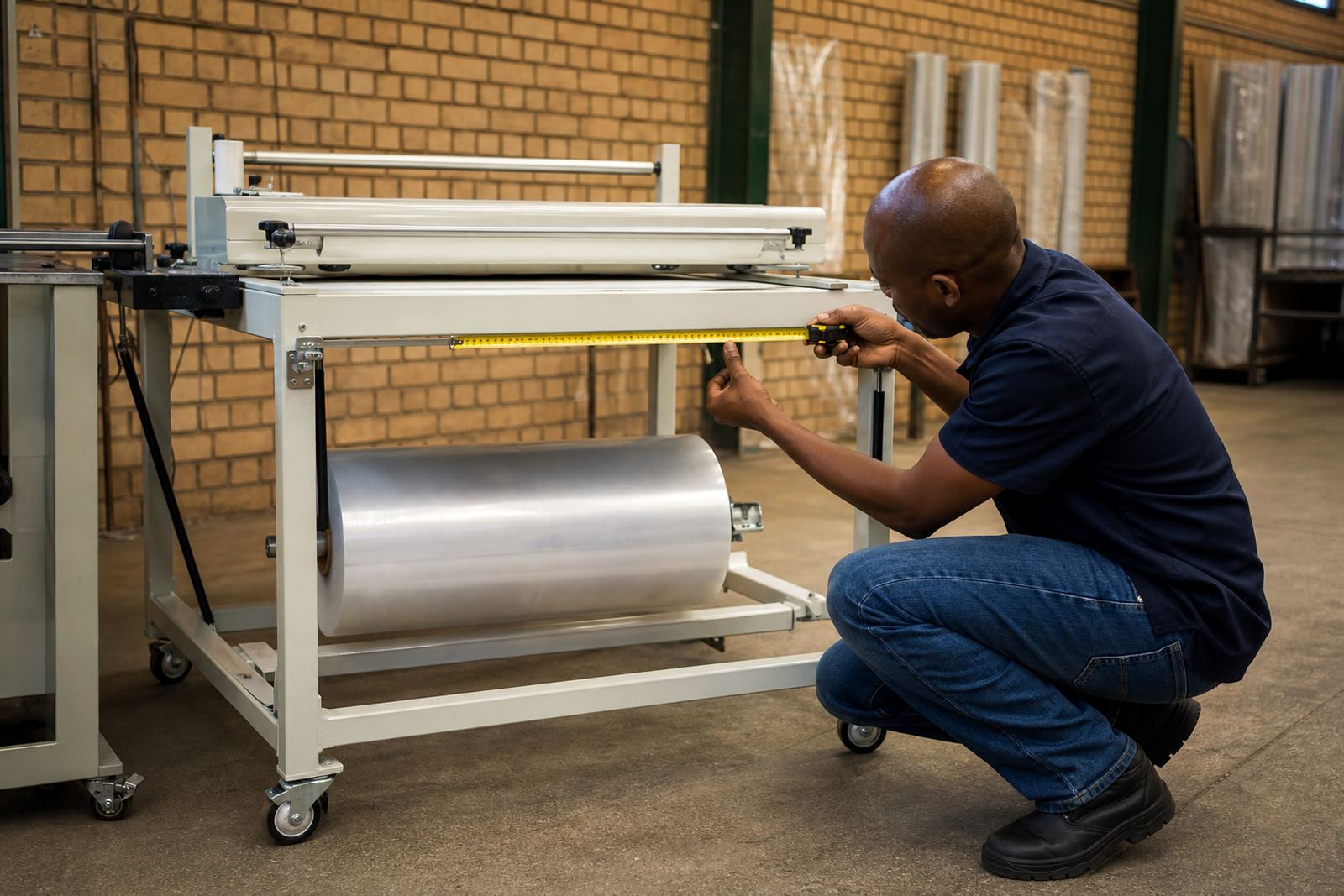
- Match the dispenser height and position to the real workflow.
- Schedule blade replacement and servicing before peak production periods.
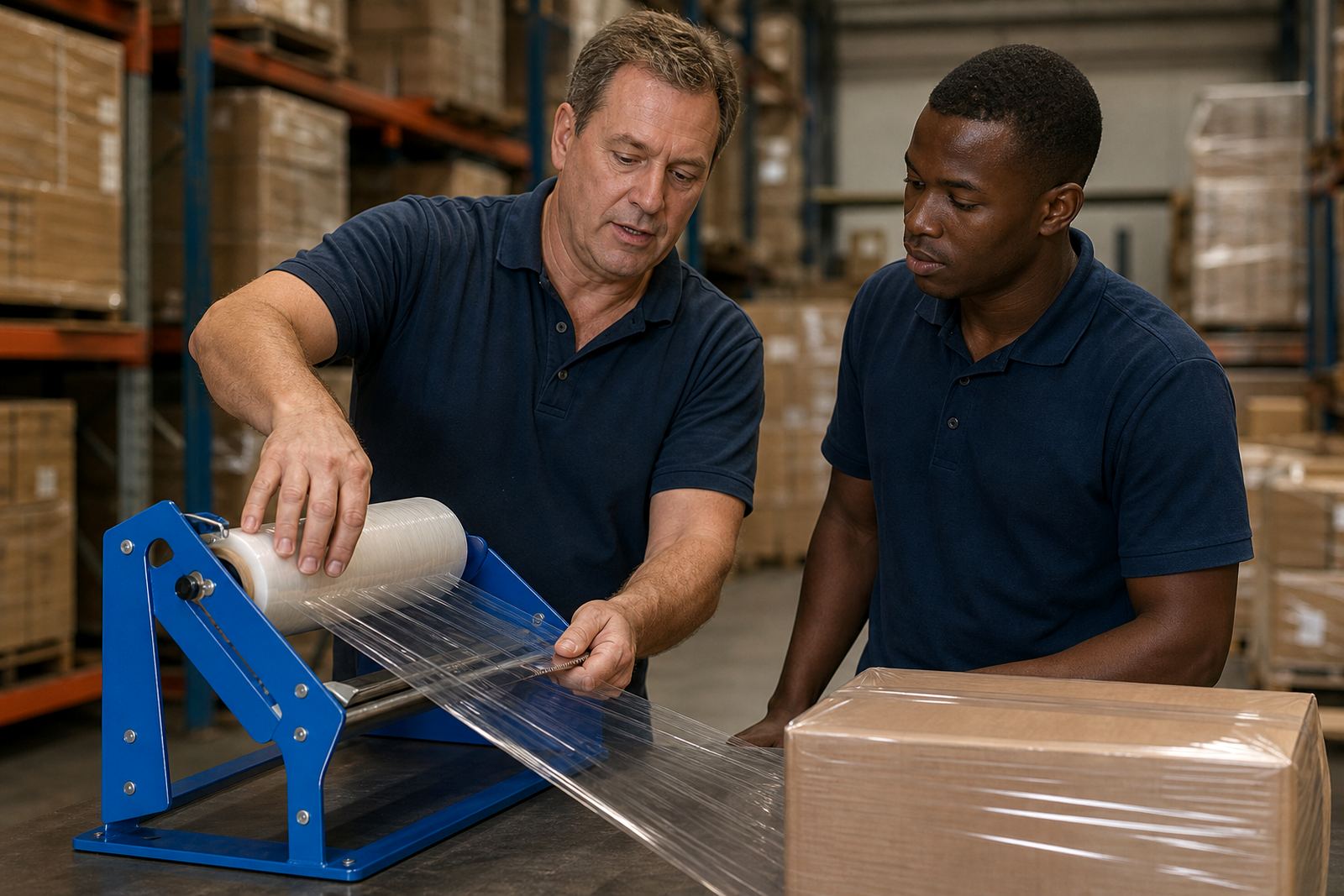
- Train operators to handle rolls, cuts and changeovers in damp conditions.
If your packing line runs beside a cold room, the safest approach is to plan for the environment before the first shift starts. That keeps the film moving and the team working without avoidable delays.