Why film width matters on a busy packing line
Film width is one of the first things that affects how well shrink film or stretch film performs on a packing line. If the film is too narrow, the edges may not cover the load properly and operators end up adding extra passes. If it is too wide, you waste material and can create loose folds, drag and wasted time at the wrapper.
For plants in Germiston, Boksburg or Midrand working under tight shift targets, those small inefficiencies show up quickly. A cutter or dispenser that suits the right width helps keep the film tracking straight, which matters just as much on a hot day in Gauteng as it does in coastal humidity in Durban or Cape Town.
Start with the product dimensions, not the roll size
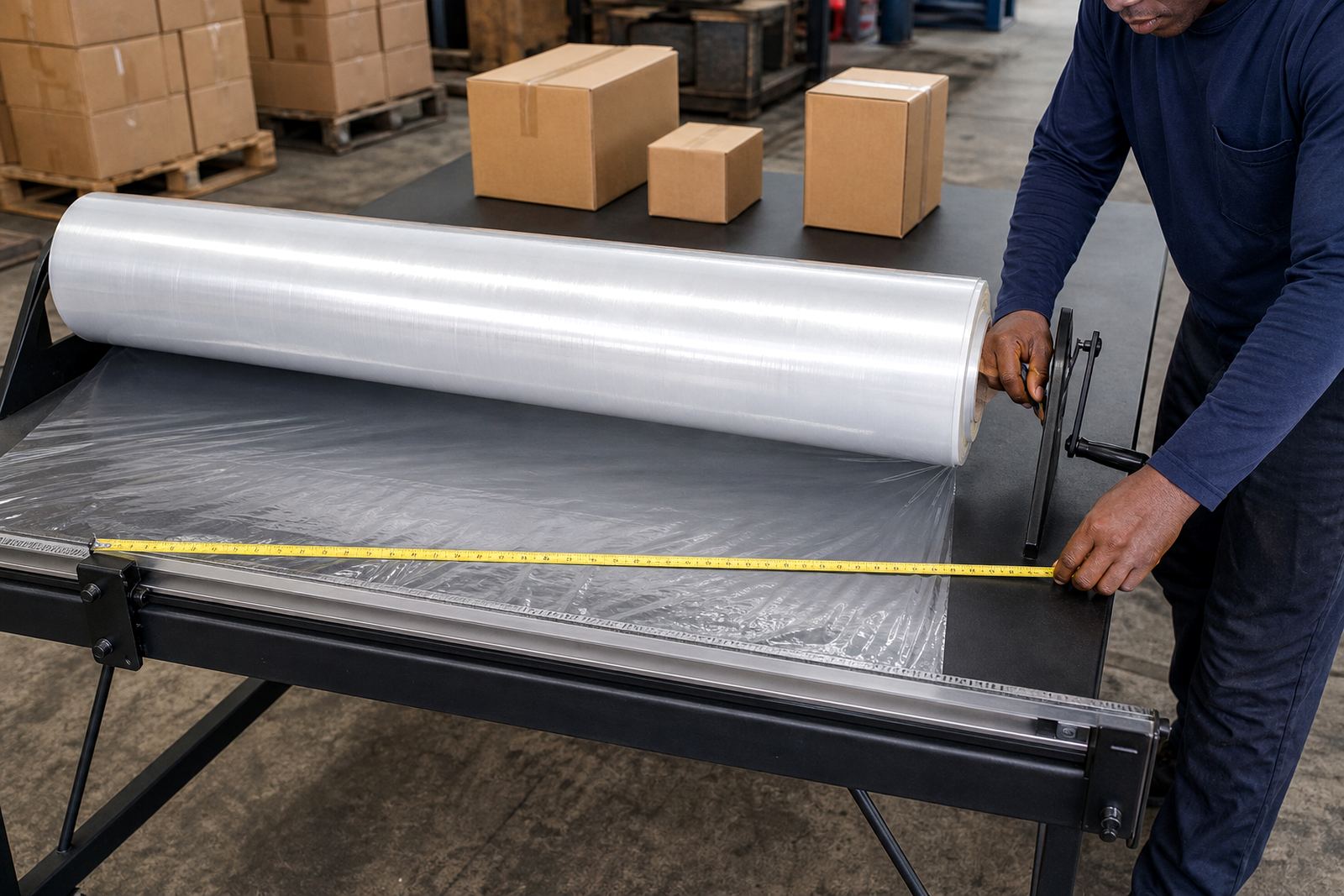
The best way to choose width is to measure the product first. Work from the widest point of the load, then add enough coverage for the wrap style you use. This is especially important where cartons vary in height or where pallet loads sit unevenly after loading or staging.
- Measure the widest section of the product or pallet load
- Check whether the wrap needs full side coverage or only top and edge hold
- Allow for overlap where the film must seal around corners or rough edges
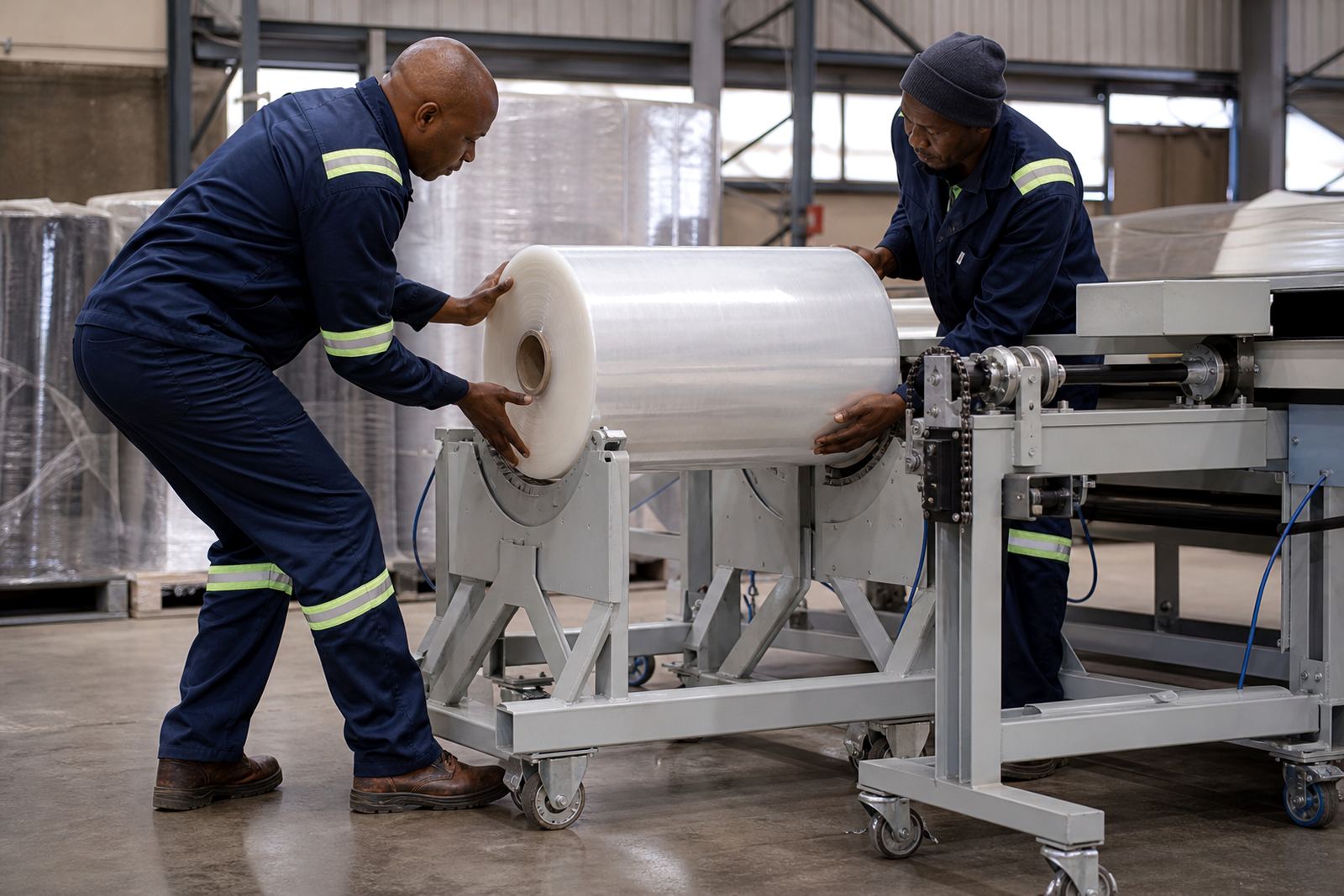
- Match the dispenser setup to the roll width before the first run
On a packing line handling mixed cartons in Johannesburg or Pretoria, one width may not suit every SKU. A line that switches between small boxes and larger bundles may need more than one setup to avoid constant adjustment.
Where width mistakes cost time and material
An incorrect width often looks like a small issue at first. Then the line starts slowing down. Operators tug harder on the film, the roll drifts, and the cutter is used more often than it should be. Over a full shift, that can mean more waste and more strain on the team.
Common signs the width is wrong include:
- Edges that leave parts of the load exposed
- Film bunching at the corners
- Extra overlap that creates heavy wrap build-up
- Frequent blade contact because the roll is not feeding cleanly
- Operators making repeated manual corrections
In a high-volume site, even a few extra seconds per pallet adds up. That is why width selection should be part of the packagin process, not something handled after the line is already running.
Shrink film and stretch film need different thinking
Shrink film and stretch film do not behave the same way, so the width choice cannot be copied from one to the other. Stretch film is used to secure loads and relies on tension. Shrink film depends on controlled heat and coverage before the shrink stage.
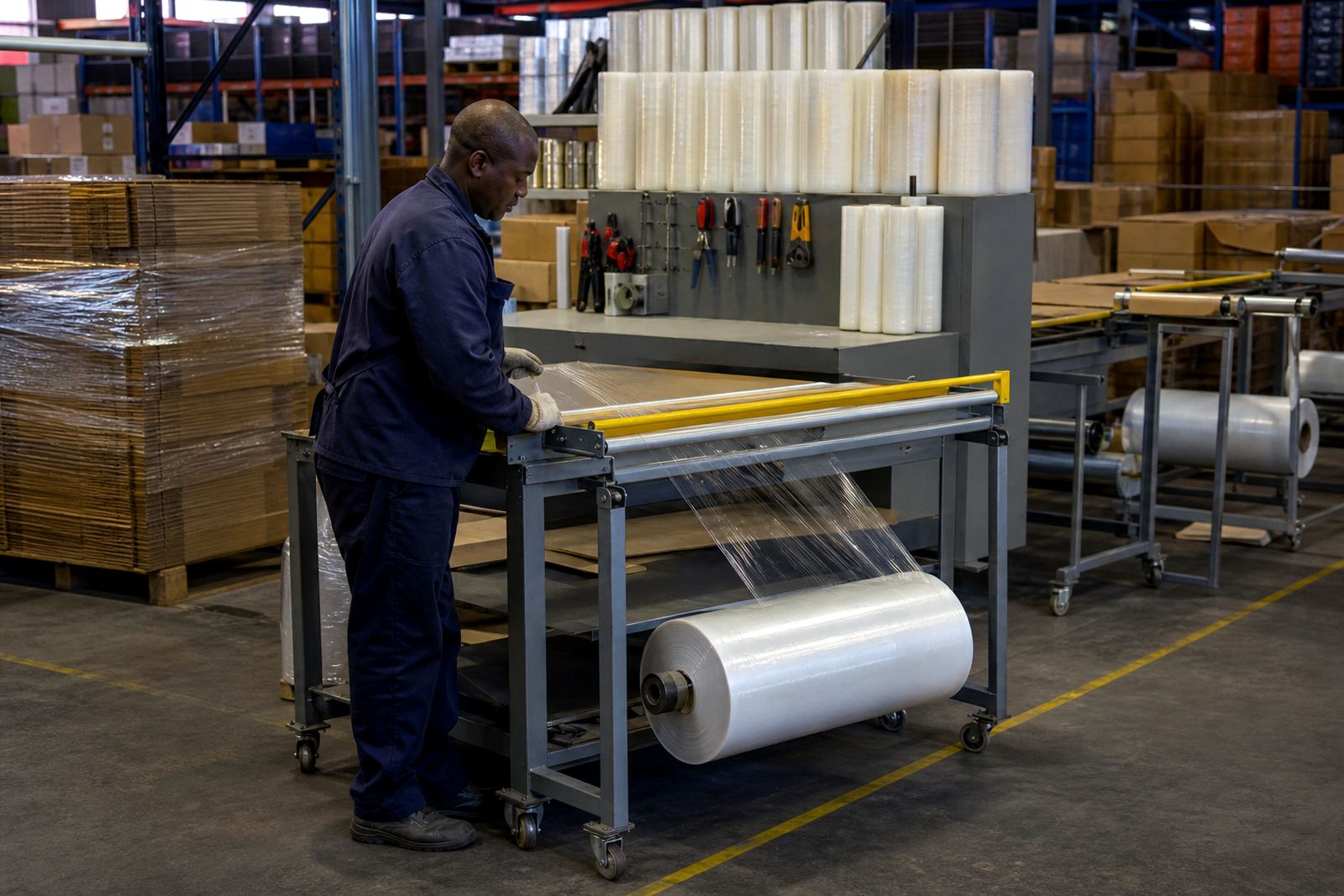
With stretch film, width affects how well the wrap holds the load together and how smoothly it dispenses from the cutter. With shrink film, the width must suit the product shape so the wrap closes evenly without excess material flapping or wrinkling before heat is applied.
That is why a site in Polokwane packing seasonal goods may need a different width set-up from a Cape Town operation wrapping chilled product or moisture sensitive stock. Product size, speed and the final finish all need to be considered together.
A practical Germiston example from the floor
At a Germiston packing line handling mixed cartons for distribution, the team was using one general width across several pack sizes. On the smaller boxes, the film was folding at the sides. On the larger cartons, the edges were not getting enough hold. The result was more rework and a few loads that needed to be redone before dispatch.
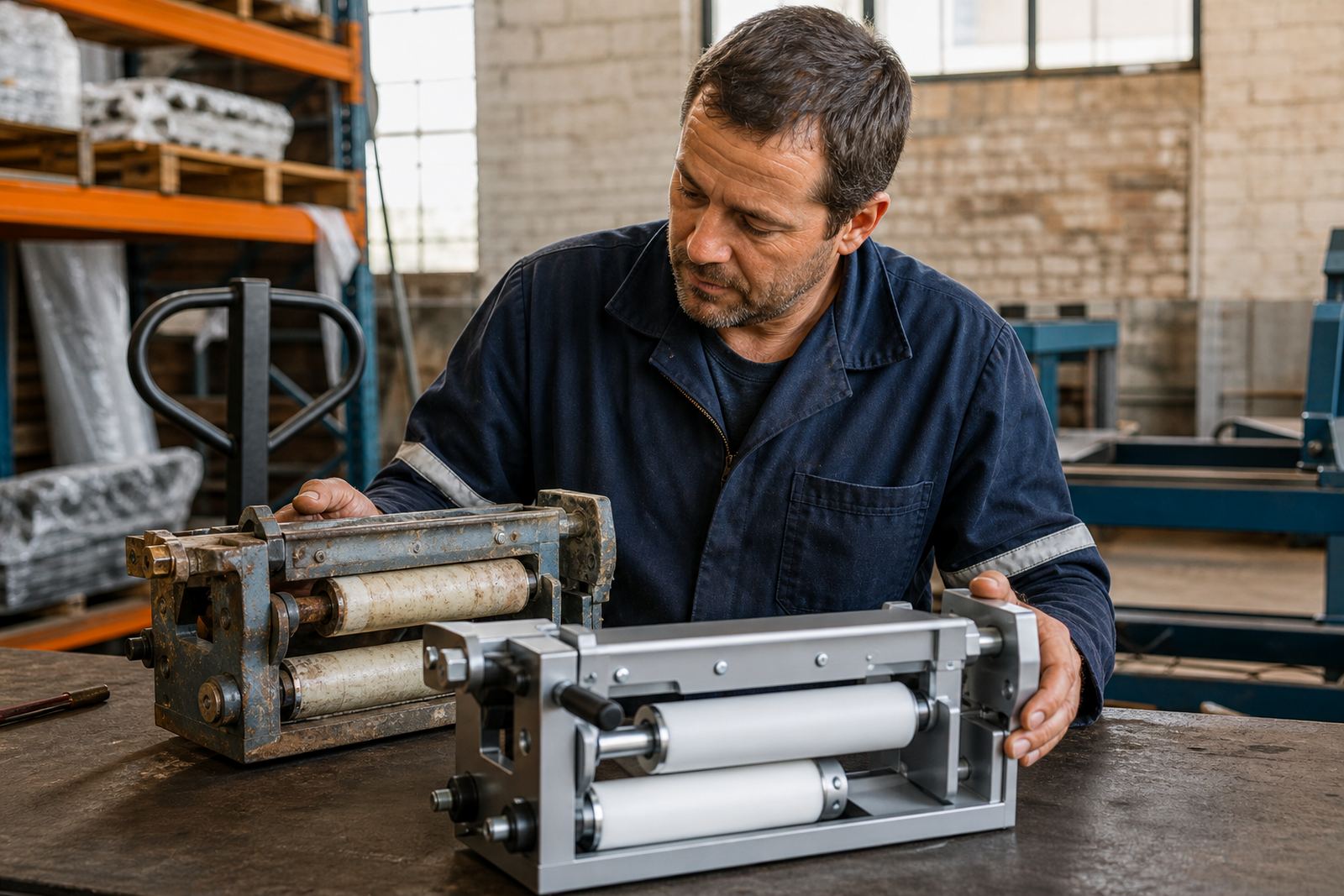
After checking the actual product sizes and the way the pallets were built, the line moved to two width options and a better dispenser setup. The change was simple, but it reduced snagging and gave the operators more control during roll changes. The site also picked up a clearer blade replacement routine, which helped keep the wrap line moving.
That kind of adjustment is common across Ekurhuleni and Johannesburg where one line often handles several product sizes in the same shift.
What to check before you place a width order
If you are not sure which width suits your line, check the following before ordering or upgrading equipment:
- Largest and smallest product sizes on the line
- Whether the load is square, round or uneven
- The wrapper type and the dispenser opening
- How often rolls are changed during a shift
- Whether operators need faster roll change support
- Any moisture, dust or temperature issues on site
A site assessment can pick up simple issues such as a dispenser opening that is too tight, a blade that is wearing too fast, or a roll format that creates unnecessary handling. In Durban and Cape Town, where humidity can affect handling and storage, the right width can also help reduce film stickiness and drag during packout.
Getting the fit right improves the whole line
Film width is not only about covering a product. It affects productivity, operator comfort and how often the line stops for corrections. When the width matches the product size, wrapping feels easier, film tracks better and the whole operation becomes more predictable.
For packing lines in Johannesburg, Pretoria, Durban, Cape Town and Polokwane, the goal is simple: less waste, fewer stoppages and better control over every load. The right cutter or dispenser setup helps the film do its job properly, without forcing operators to work around bad dimensions.
If the width is right, the rest of the process gets easier too.