
Start With the Machines That Get Used the Most
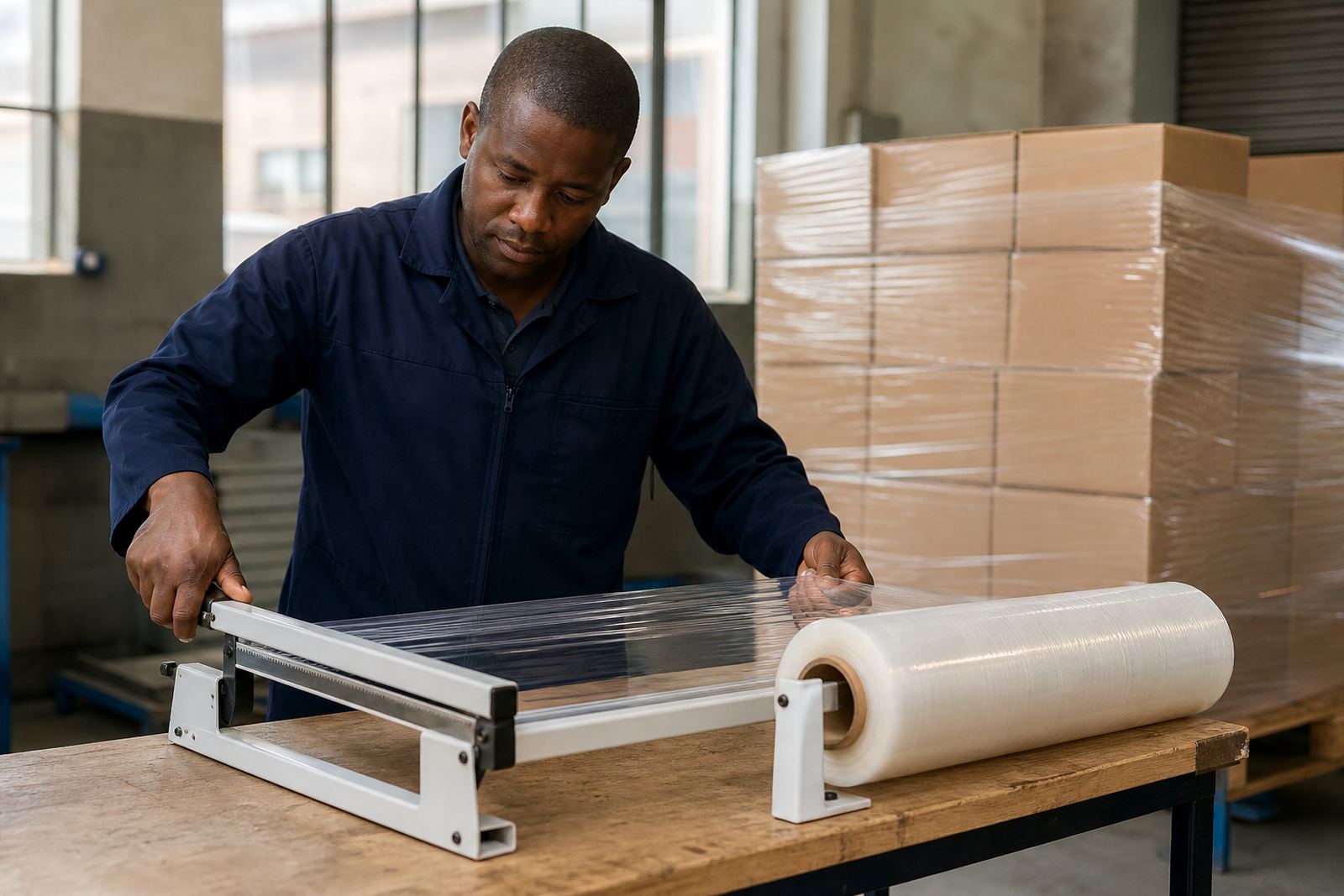
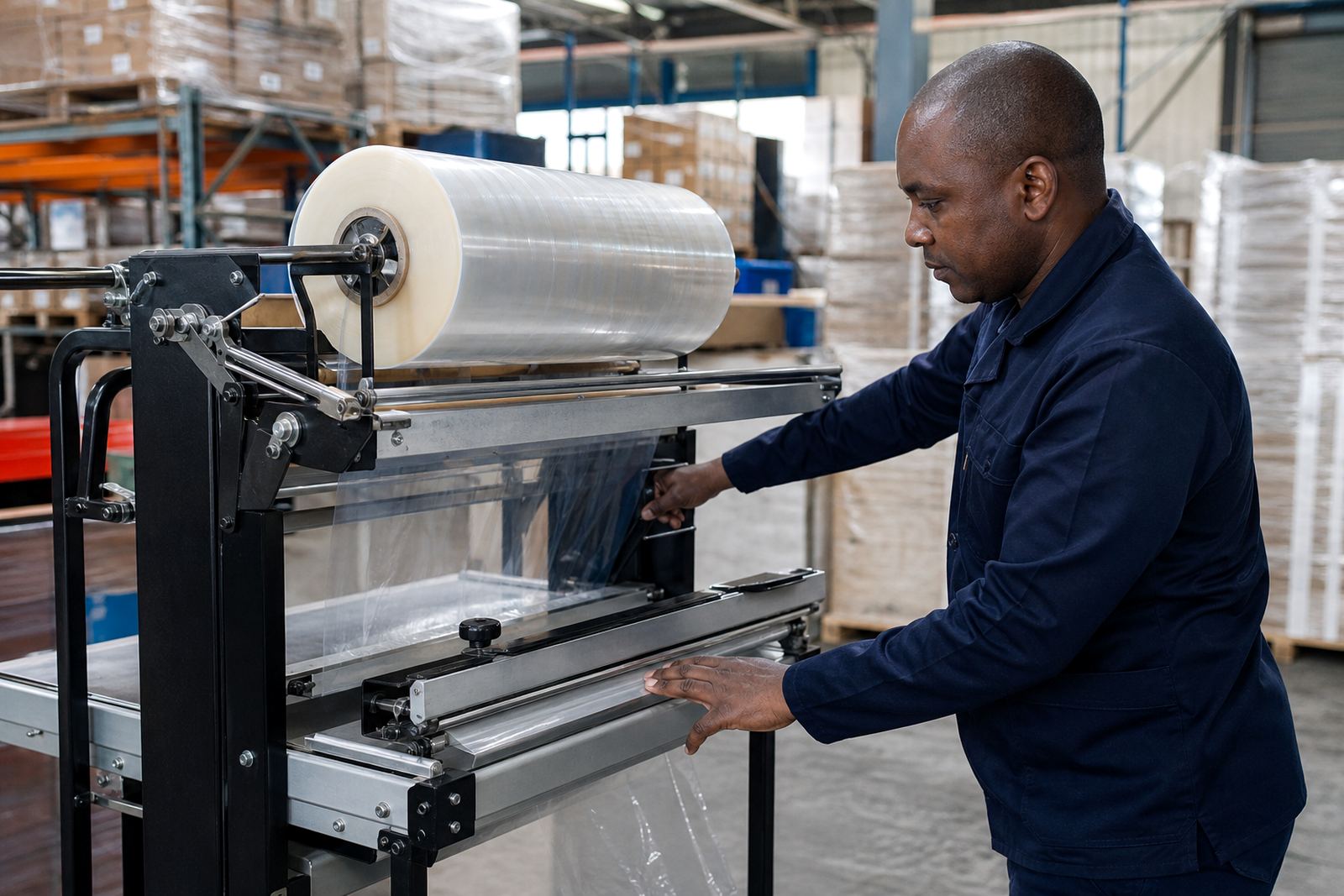
Before demand rises, walk the line and identify which cutters and dispensers handle the heaviest daily use. In many plants the same unit is touched dozens of times a shift, so small wear on blades, guides, handles and mounts quickly turns into dragging film, uneven cuts or operators forcing the roll through. That slows packaging and creates waste.
At this stage it helps to do a simple line-by-line check. Look for loose fixings, bent brackets, cracked guards and any signs that a unit is sitting out of alignment. If the cutter is hard to reach, awkward to load, or creates a strain point, it is worth correcting before volumes rise. A five minute fault now can become a half hour stoppage later, and that is before the afternoon rush hits.
- Check the cutter edge for nicks, dull spots and uneven wear.
- Confirm the dispenser feeds smoothly without snagging the film.
- Make sure fasteners, mounts and safety guards are secure.
- Test the station under normal line speed, not just idle conditions.
Stock the Spares That Stop Small Delays Becoming Big Ones
Peak season planning is not only about the equipment itself, it is also about having the right spares ready in the storeroom. A missing blade, spring or guide can hold up an entire packing bay if the team has to wait for a replacement. For sites in Germiston, Boksburg or Midrand, where packing lines often run long shifts, quick access to spares can make the difference between keeping pace and chasing backlogs.
Keep a short, controlled list of parts that are used often and parts that fail under heavy handling. That usually includes blades, fixings, handle components, guides and wear items linked to the dispenser. If your line uses more than one cutter type, label each spares kit clearly so the right piece is found first time. It also helps to record what was replaced, when it was fitted and which station it supports, so the same issue does not surprise you twice.
- Hold one spare blade set for each active packing station.
- Keep common fixings and small parts in sealed, labelled containers.
- Set a monthly check for stock used during the previous period.
- Store spare parts away from dust, moisture and forklift traffic.
Train Operators Before the Rush Starts
Even a good cutter can be mishandled if new or temporary staff are rushed onto a line without proper guidance. Peak season often brings extra hands, shorter timeframes and more changeovers, so operator training should be done before the pressure starts. The aim is simple: every person on the line should know how to load film correctly, where the safety points are, and when to call for help instead of pushing through a fault.
Keep training practical. Show staff the correct roll change method, the proper cutting motion, and the signs of a unit that needs attention. If the line is running in a hot inland plant or in humid coastal conditions, explain how those conditions can affect film behaviour and handling. A team that understands the equipment is less likely to waste film, damage blades or run unsafe shortcuts when the queue builds up.
At one Germiston site we supported, the packing team was losing time because each shift used a slightly different roll change method. After a quick refresher and a few adjustments to the station layout, the team cut down wasted film and the changeovers became steadier, even during late afternoon load-shedding windows. The point was not fancy equipment, just consistency and a bit of discipline.
Set Up Each Station for Faster Changeovers
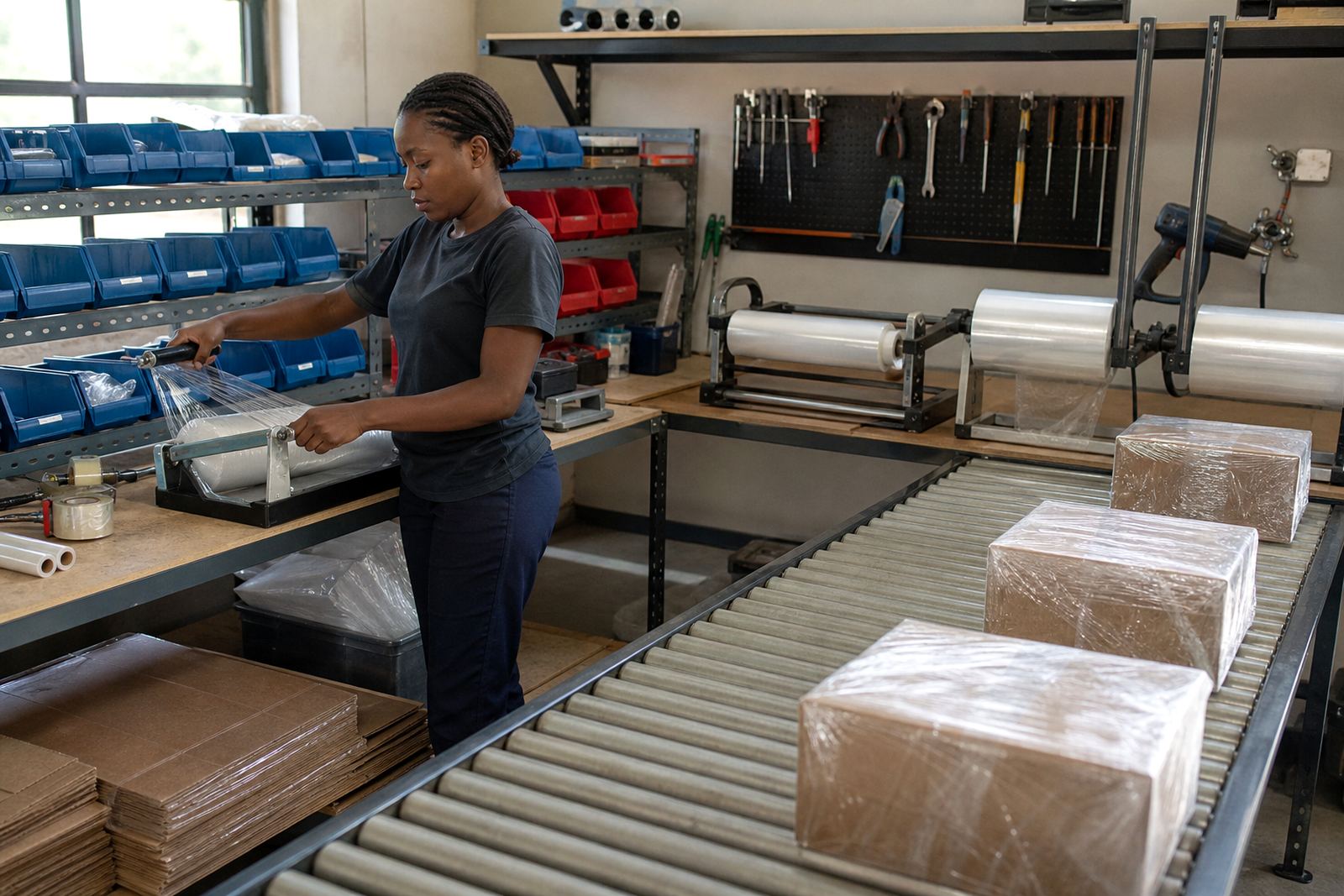
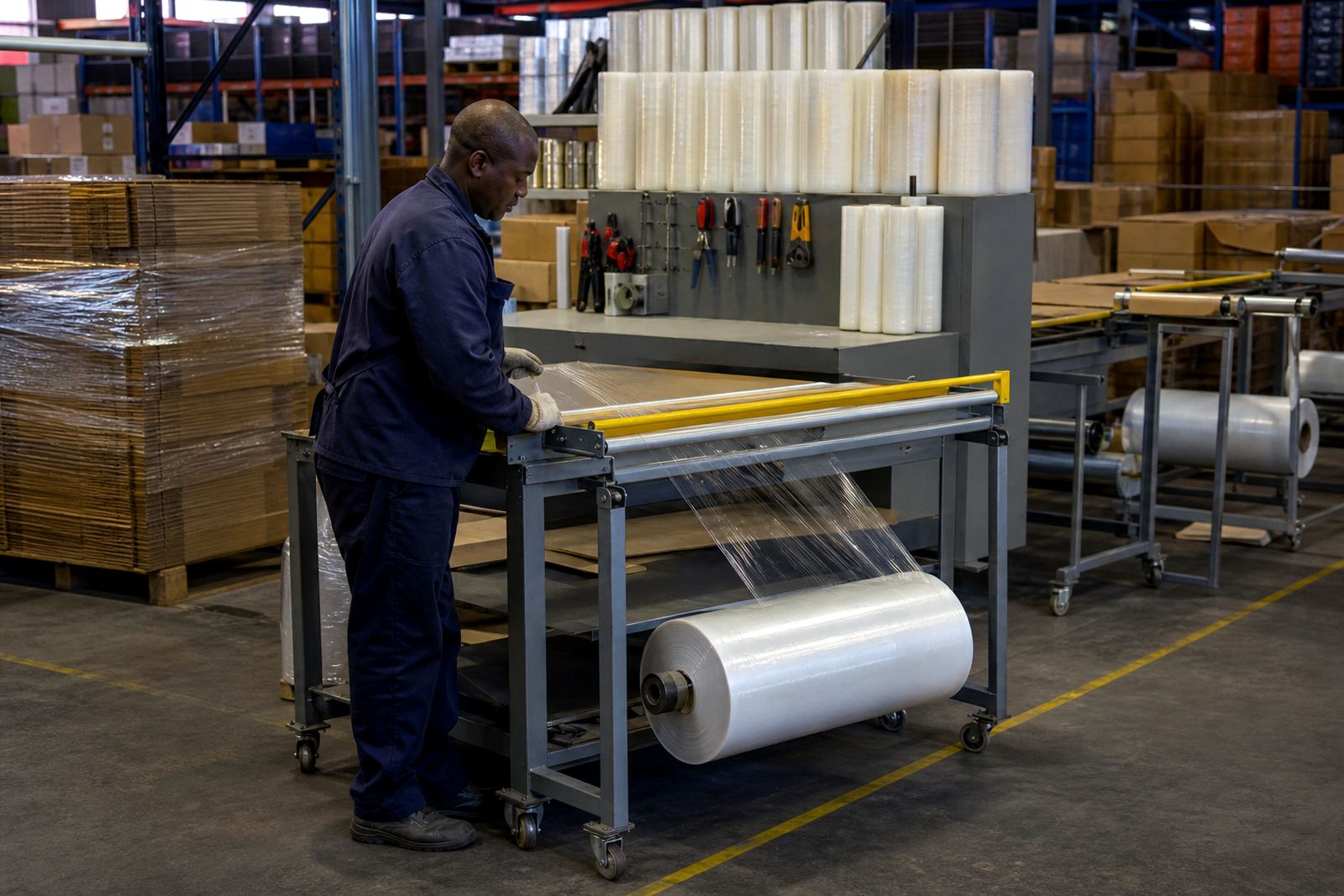
Peak season puts pressure on station layout as much as on the cutter itself. If film rolls, tools and spare parts are spread out, operators waste steps and the line loses rhythm. A good setup keeps the work area tidy, easy to reach and safe for repeated use. That matters whether you are packing near Johannesburg, Pretoria or Durban, because each site has its own floor space limits and production pace.
Review how the station is arranged before the rush. Can the operator reach the cutter without crossing another worker’s path? Is the film positioned at a sensible height? Is there enough room to remove a spent roll without knocking other items off the bench? Small layout issues build up fast when volumes rise, especially on lines that run all day.
- Keep tools and spares within arm’s reach of the operator.
- Mark the correct position for each cutter and dispenser.
- Remove loose packaging, scrap film and clutter from the bay.
- Check lighting so the operator can see the cutting edge and roll path clearly.
Schedule Servicing Before Load Pick Up
Preventive servicing is easier to plan before demand rises than after a breakdown. A short service visit can pick up wear that is easy to miss during daily production, including loose mounts, blade dulling, dispenser friction and parts that have started to drift out of adjustment. If the unit is already showing signs of strain, do not wait for the first major peak week to expose it.
For many South African packing operations, the best time for servicing is just before seasonal orders move into full swing. That gives the team space to complete blade replacement, repairs and any equipment upgrades without fighting the daily run rate. It also helps to do a site assessment and check whether the cutter still suits the film thickness, packing speed and operator flow on that line. A unit that worked fine last year may no longer be the best fit if volumes have changed.
Use A Local Support Plan for Breakdowns and Urgent Fixes
Even with good planning, something can still go wrong in a busy week. The answer is not panic, it is having a support plan ready. If a cutter jams, a blade fails or a dispenser stops feeding properly, the site should know who checks the fault, who isolates the station, and how the line can keep moving safely while the issue is sorted.
For plants in Germiston, Johannesburg, Pretoria, Durban, Cape Town, Polokwane and surrounding areas, local support matters because response time affects output. Keep a simple escalation process in place, along with the details of which stations are most critical. That way a breakdown callout is handled with the right parts and the right technician, not with guesswork. The best peak season plans leave as little to chance as possible.
Film Cutters works with packing teams on onsite installation, line setup, preventive servicing, spares supply, safety checks and operator training, so the equipment is ready before the pressure hits. It is a practical way to protect production when every minute counts.