
Start the changeover before the last roll runs out
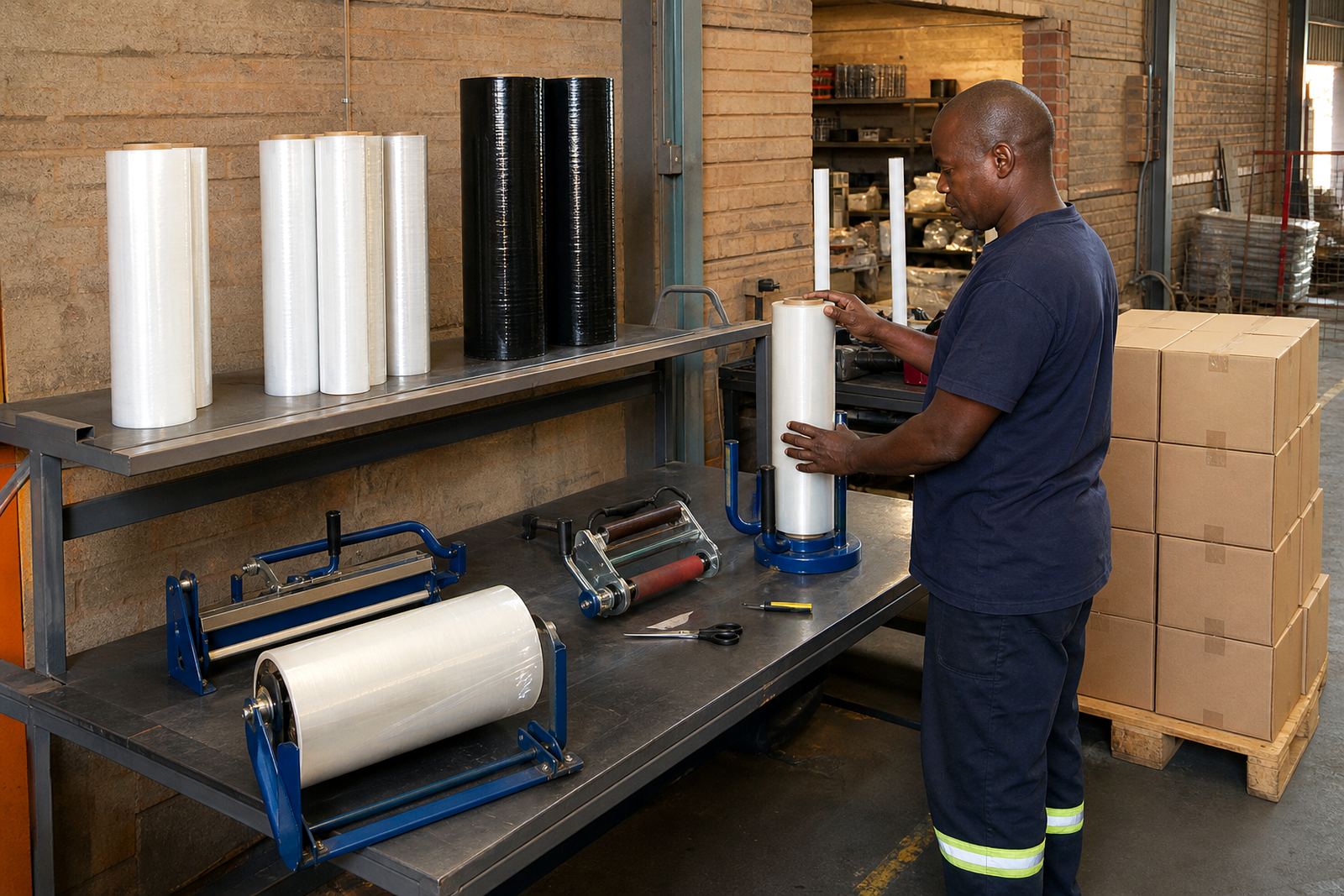
Most changeover delays happen because the team waits too long to prepare. By the time the film is finished, the next roll, core adaptor, cutter and spare blade should already be at the line. On busy packing floors in Ekurhuleni and across Gauteng that simple habit can save a lot of lost time.
The best teams treat film changeovers like a planned task, not an emergency. They check stock levels at the start of the shift, confirm which line is next for a roll swap, and keep the replacement film close enough to reach without crossing the aisle or stopping other operators. That also helps during load shedding, when the line may restart with less patience and more pressure on the crew.
- Stage the next roll before the current one reaches its end point.
- Keep the cutter, tape and spare parts within arm's reach.
- Make sure the next roll matches the line width and film type.
- Assign one person to fetch spares so the rest of the team stays on task.
Set spacing that suits the line, not just the machine
Changeover time often grows when the cutter or dispenser sits too far from the point of use. If the film has to be carried across the packing area, the team wastes steps and the wrap gets knocked out of line. In a plant with multiple packing tables, even 2 or 3 metres of poor positioning can slow every roll swap.
Spacing should allow the operator to work comfortably without overreaching. The cutter should be easy to see, easy to grip and stable on the line. Where floor space is tight, especially in older buildings around Boksburg and Germiston, a compact setup can make a real difference. It is also worth checking whether the dispenser height suits the average operator, because a tool that is awkward to hold will always be slower in daily use.
- Place the cutter close to the wrap point so the operator does not walk back and forth.
- Keep spare rolls in a clean, dry spot away from dust and forklift traffic.
- Use a fixed position for the dispenser so every operator works the same way.
- Review the layout after any line move or packing area change.
Match the cutter to the way your team works
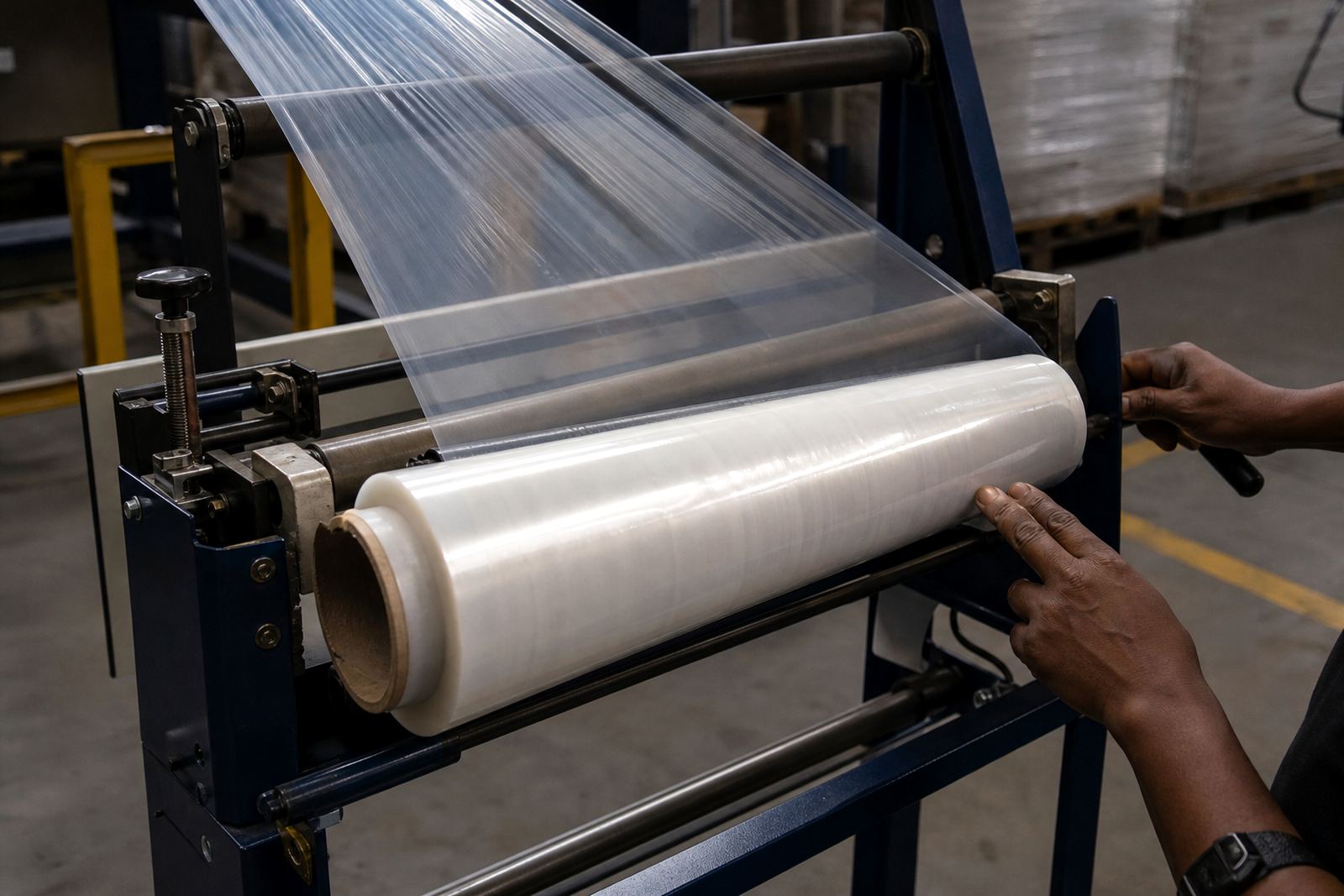
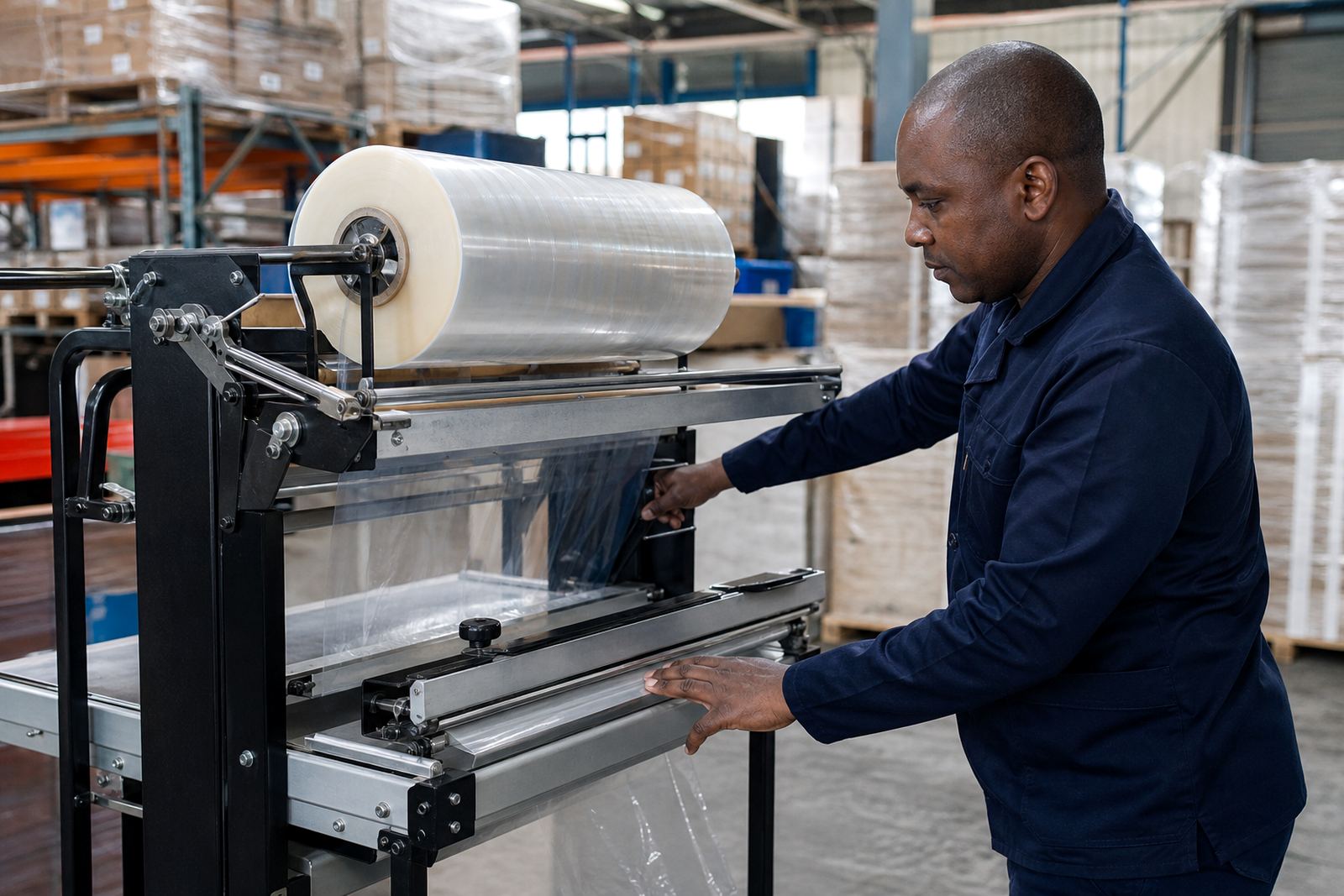
Some lines run fast with frequent roll changes. Others change less often but handle heavier film or larger rolls. The right cutter and dispenser should suit the pace of the line, the film thickness and the skill level of the operators. If the tool is too light for the job, it can flex or slip. If it is too complicated, people will work around it and create delays.
For plants in Pretoria, Durban and Cape Town, we often see changeover problems caused by a mismatch between the tool and the line process. A simple, well-built cutter usually gives better results than a fancy setup that needs constant adjustment. Reliable operation matters most when a shift is short staffed or when the line is trying to recover after a stoppage.
- Check that the cutter suits shrink film or stretch film, not both by assumption.
- Confirm that the dispenser can handle the roll diameter and weight.
- Choose a setup that can be cleaned quickly between shifts.
- Look for a design the whole team can use, including relief staff.
Keep spare rolls and blades under control
Nothing slows a changeover like searching for a spare roll or discovering that the blade is blunt. A simple stock system, even on a small plant floor, keeps the team moving. Spare rolls should be counted, labelled and stored in the right place. Blades and other wear parts need regular checks, especially where film dust, heat or coastal humidity can affect performance.
In Durban and Cape Town, coastal moisture can affect storage conditions more quickly than many managers expect. In Polokwane and other inland areas, dust and heat are often the bigger issue. The answer is the same either way: keep parts dry, protected and easy to find. If the team knows where everything lives, they can complete the changeover without waiting for the store room to open.
- Set minimum stock levels for film, blades and common spares.
- Label shelves or bins so the right roll is taken first.
- Inspect blades at every service interval or when cuts start to drag.
- Store film off the floor and away from direct sunlight where possible.
Train operators to change over the same way every time
Consistency is one of the easiest ways to cut changeover time. When each operator follows a slightly different method, the line slows down and mistakes creep in. A short training session can standardise the process: remove the spent roll, fit the new roll, confirm the film path, test the tension and check the first wrap before the line returns to full speed.
That kind of training is especially useful where teams work across multiple sites or shifts. A packing crew in Midrand should not need a different method from a crew in Germiston. The steps can stay the same, with only small site differences for floor layout or product size. Clear training also helps new staff handle the job safely instead of forcing it through too quickly.
- Use one written method for every roll change on the line.
- Show operators how to spot film tracking problems early.
- Include safe blade handling in every refresher session.
- Watch the first few changeovers after any equipment adjustment.
A Germiston example: fewer stops on a busy afternoon shift
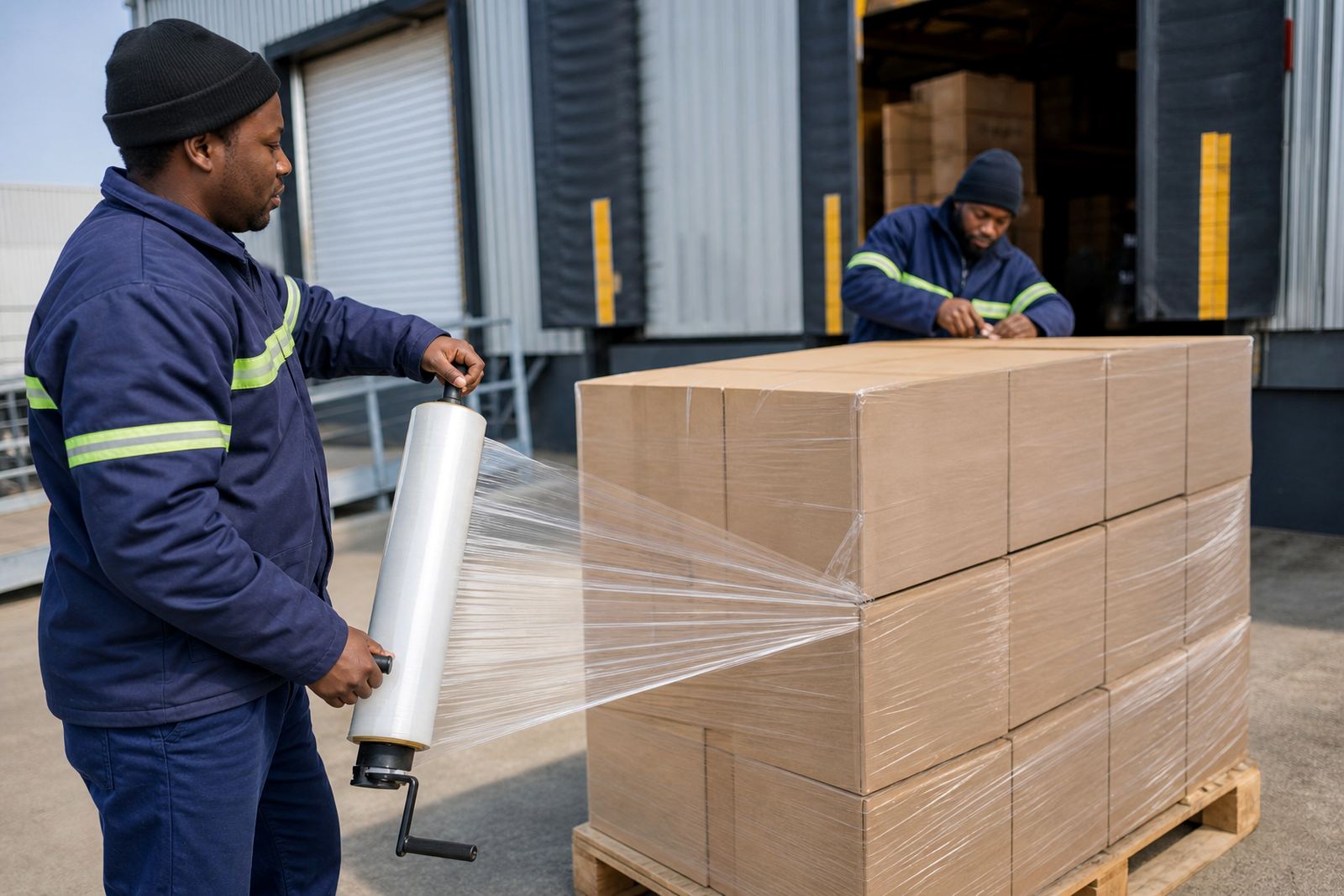
A packing operation in Germiston was losing time every afternoon when the stretch film ran out during peak dispatch hours. The changeover itself was not difficult, but the team kept pausing to fetch the new roll, look for a spare blade and reset the dispenser. The result was a stop-start process that affected the rest of the shift.
After reviewing the layout, the company moved spare rolls closer to the line, assigned one person to stage the next roll in advance and replaced a worn cutter. The change was not dramatic, but it made the process steadier. The operators could finish a swap with less walking and fewer interruptions, and the line recovered quicker after each roll change. That sort of improvement is often the difference between a packed truck leaving on time or waiting at the gate.
For teams in Johannesburg, Boksburg, Pretoria or further afield, the lesson is simple: smooth changeovers come from preparation, clear spacing and equipment that works the same way every shift. When those basics are in place, the line spends more time packing and less time waiting.