Start with the way your packing line actually runs
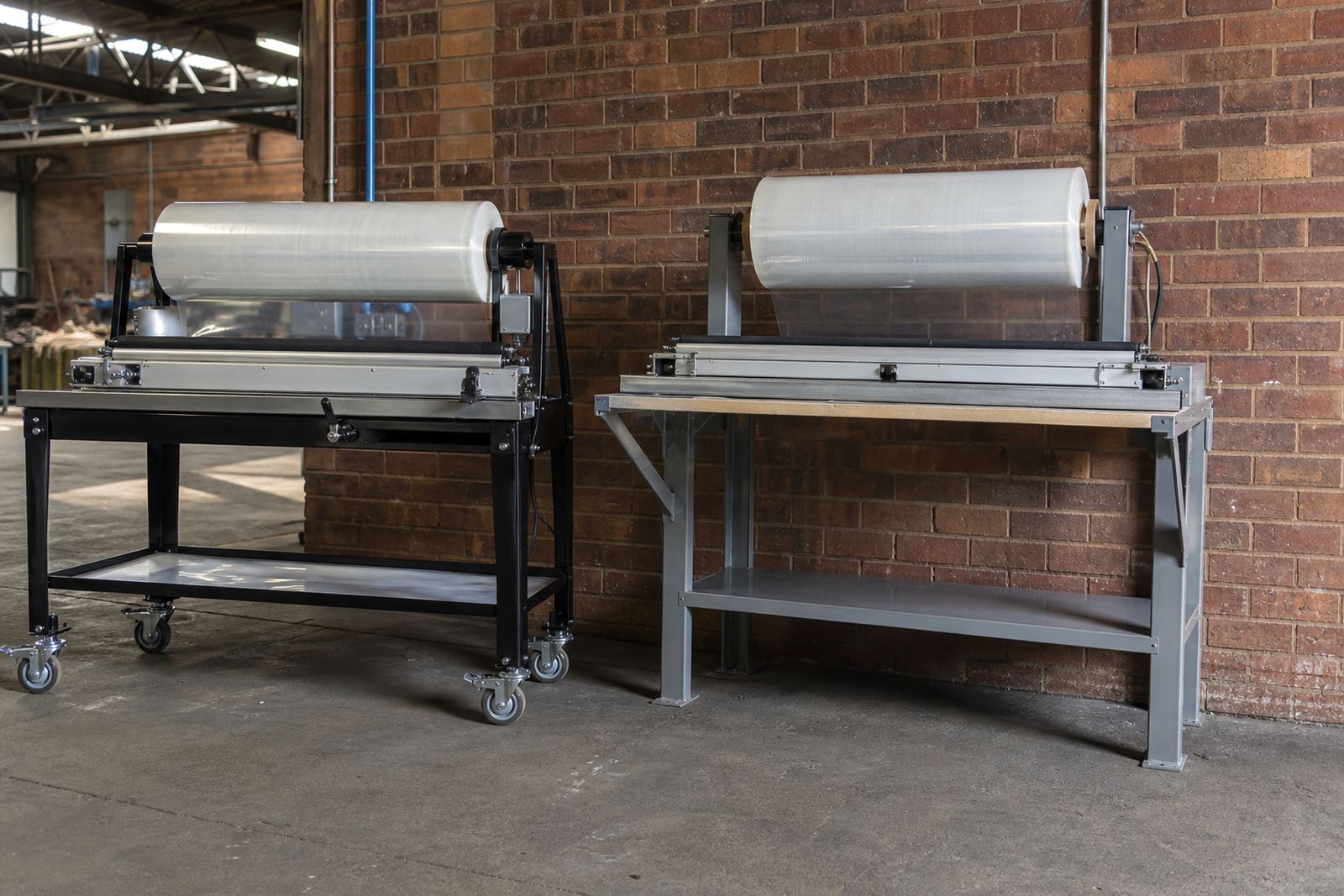
There is no single answer that suits every factory. A fixed film cutter or dispenser makes sense when the wrapping point stays in one place, the product flow is steady, and operators need the same reach and cutting position all shift. A mobile unit works better where the line changes often, or where the same packing team must cover more than one station in a day.
In Germiston and the wider Ekurhuleni industrial area, many plants run mixed loads. One hour you are handling cartons, then pallets, then a change in roll size after lunch. In that kind of setting, the choice between mobile and fixed should be based on movement, hand position, and how quickly film needs to be loaded without stopping the line too long. If operators are walking too far or bending awkwardly, you will see the problem in the output pretty fast.
When a fixed station is the better fit
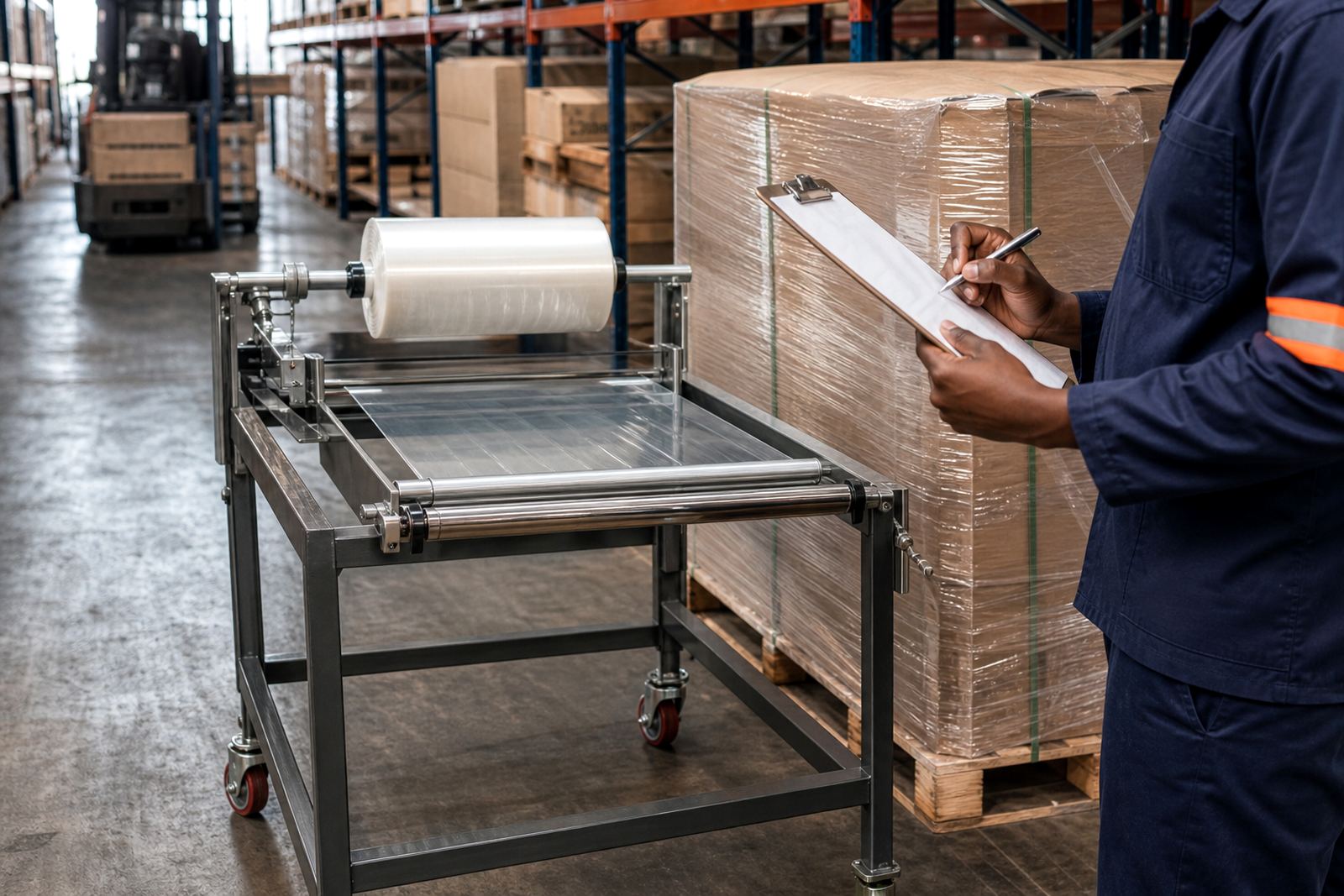
A fixed station suits lines that are mapped out and repeatable. If the pallet wrap point, carton seal point or bundling station never shifts, a fixed cutter gives a stable working position and less chance of the dispenser being moved out of alignment. That helps with consistency, especially where film application has to be neat and exact for export loads or warehouse handling.
Fixed stations also work well where you want to control safety more tightly. The unit can be mounted at the correct height, kept clear of walkways, and positioned so blades and moving parts are less exposed. For sites with strict housekeeping rules, or where municipal and insurer inspections are regular, a fixed setup can be easier to keep in order. It also tends to suit higher throughput lines where speed matters more than flexibility.
- Best for one primary wrapping point
- Good where staff follow the same route every shift
- Useful for higher output and repeatable pack sizes
- Easier to mark into a safety zone and keep tidy
Where mobile units earn their place
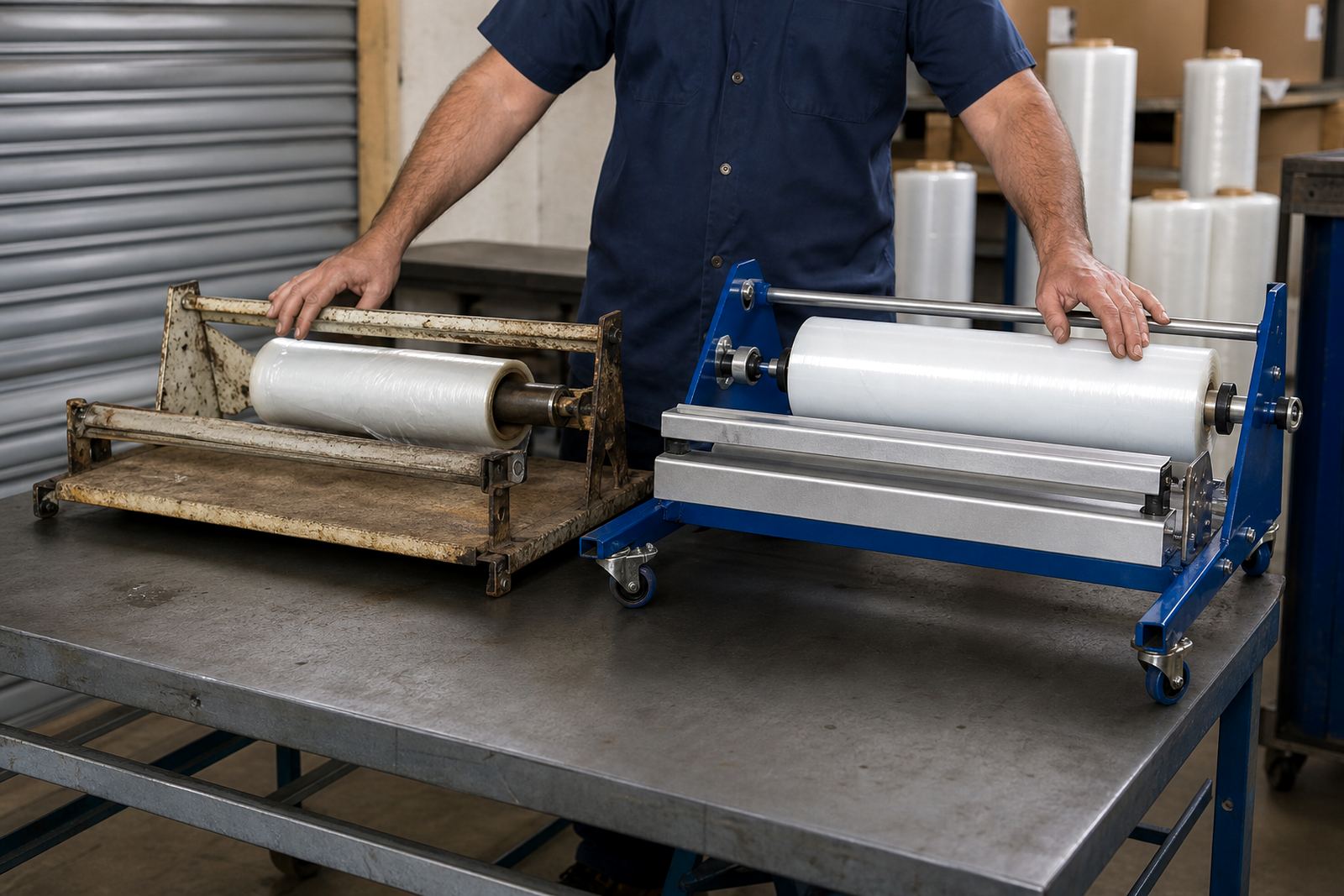
Mobile cutters and dispensers are useful when the line changes, the product mix is varied, or the packing area has to serve more than one bay. They can be moved to where the work is happening, which is helpful in smaller factories, seasonal operations, and sites with mixed storage and packing space. If your team keeps having to fetch film from a central point, a mobile station can save real time during the shift.
They are also practical when you have limited wall space or a temporary setup. In Durban, for example, some warehouses deal with humidity, salt air and changing stock patterns. A mobile station lets you keep the equipment close to the active point while reducing the risk of film being stored in the wrong spot. It is simpler for maintenance too, because the unit can be taken out of line for servicing without disturbing the full packing area.
- Handy for changing work cells or multiple bays
- Useful where floor space is tight
- Helps reduce walking and waiting between tasks
- Better for seasonal peaks and short runs
How product mix changes the decision
The more varied your product mix, the harder it is for one fixed point to do everything well. If you pack different carton heights, mixed pallet loads, or a lot of short runs, the operator may need a dispenser that can move with the task. On the other hand, if the same size and style of pack moves down the line all day, a fixed station often gives better control and less handling.
Product mix also affects blade use and film waste. A dispenser that is awkward to reach often leads to sloppy cuts, torn film, or extra layers being applied just to get the job done. That adds cost fast. In one Germiston plant handling mixed retail stock, the team had three packing points but only one cutting station. The crew spent too much time crossing the floor, and a few operators were using the cutter from the wrong side. After a site assessment, the operation moved to a hybrid layout with one fixed point and one mobile unit. The packing flow improved, and the line stopped getting backed up near break times.
Space, safety and load-shedding realities
South African sites have to make practical choices around floor space, power interruptions, and staff movement. Even though a film cutter or dispenser may be manual, the surrounding line often depends on powered conveyors, sealing equipment or weighing stations. When load-shedding hits, operators may shift tasks around by hand, and that is when a mobile unit can help keep work moving in a controlled way.
Safety should come before convenience. Blade position, roll loading height, clear walkways, and operator reach all need checking. If a mobile unit is too light, it can tip. If a fixed unit is mounted too low, staff will bend all day and strain their backs. For factories in Pretoria, Polokwane or Cape Town where different teams may use the same equipment, the right setup must suit more than one operator size and skill level. That is why site assessment matters before any installation.
- Check the floor route for pallets and trolleys
- Make sure the cutter does not block fire exits or access panels
- Set blade height for safe reach and easy film loading
- Allow for outage routines when the packing line slows down
A practical way to choose between the two
There are three questions worth asking before you decide. First, does the work stay in one place or move around the plant? Second, do you run the same pack all day or switch sizes often? Third, will staff need to keep sharing the same station across shifts? If the answer to all three points leans toward fixed, then a mounted unit is usually the better fit. If the answers are mixed, a mobile station may be the smarter starting point.
For many businesses, the answer is not one or the other. A mixed layout can work very well. You may keep a fixed cutter at the main line and a mobile dispenser for overflow, rework, or dispatch. That gives the team flexibility without letting the packing area become messy. It also means your site can cope when one line is down for servicing or when a bigger order comes through with little warning.
Support that keeps the line moving
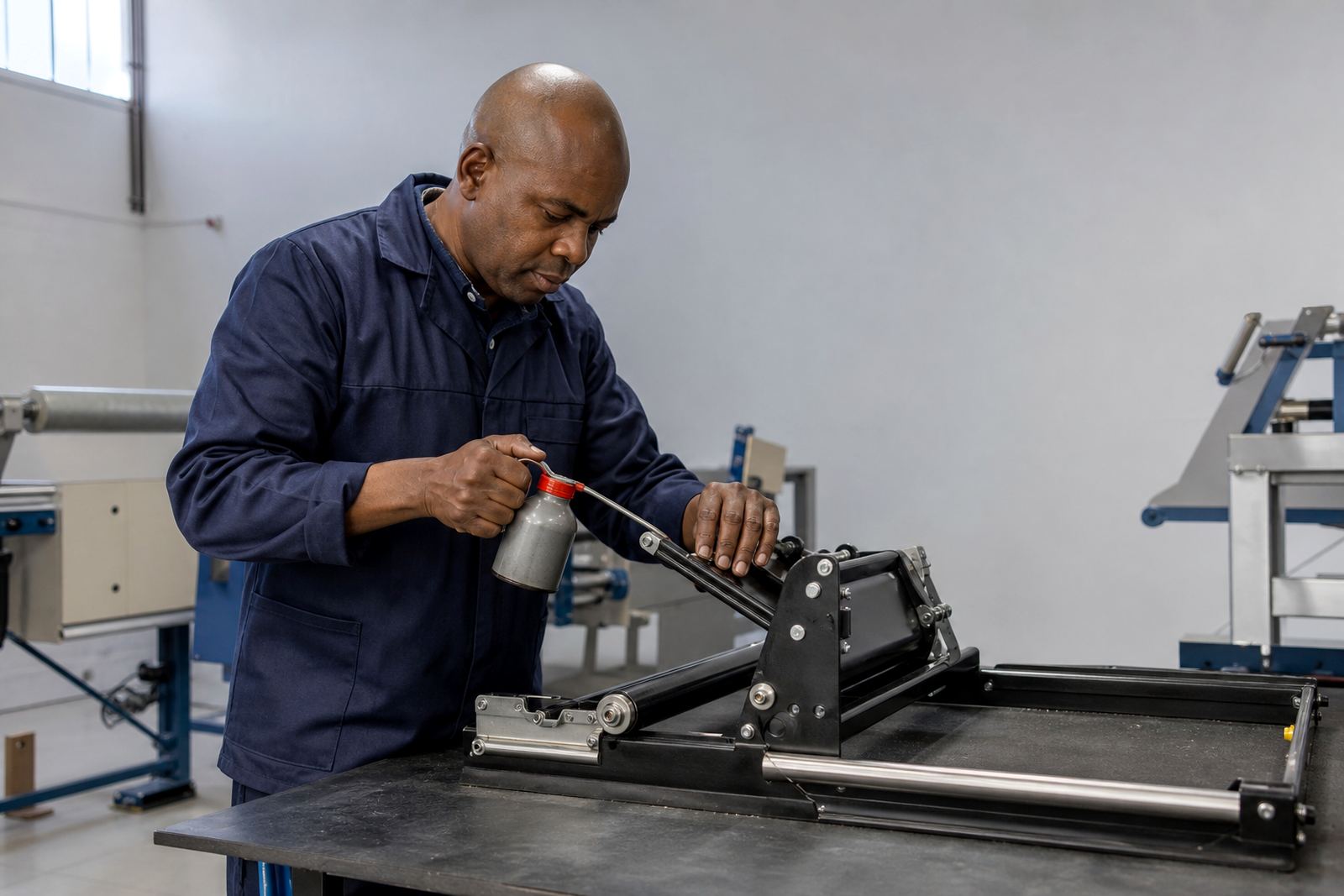
Once the layout is chosen, the next step is to keep it working properly. That means proper installation, line setup, preventative servicing, blade replacement, dispenser repairs, spares supply, operator training, safety checks, site assessments, roll change support, breakdown callouts, and equipment upgrades. Regular checks matter because a small fault at the cutter or dispenser can slow the whole line, especially when volumes are high.
From Germiston, Film Cutters supports sites across Johannesburg, Pretoria, Durban, Cape Town, Polokwane, Boksburg and Midrand. Whether the operation is a warehouse, packhouse, or factory floor, the right station should fit the way the team works, not the other way around. If your line is fighting the equipment, it is usually time to rethink the layout before the losses add up.