Start With the Wrap Point, Not the Storeroom
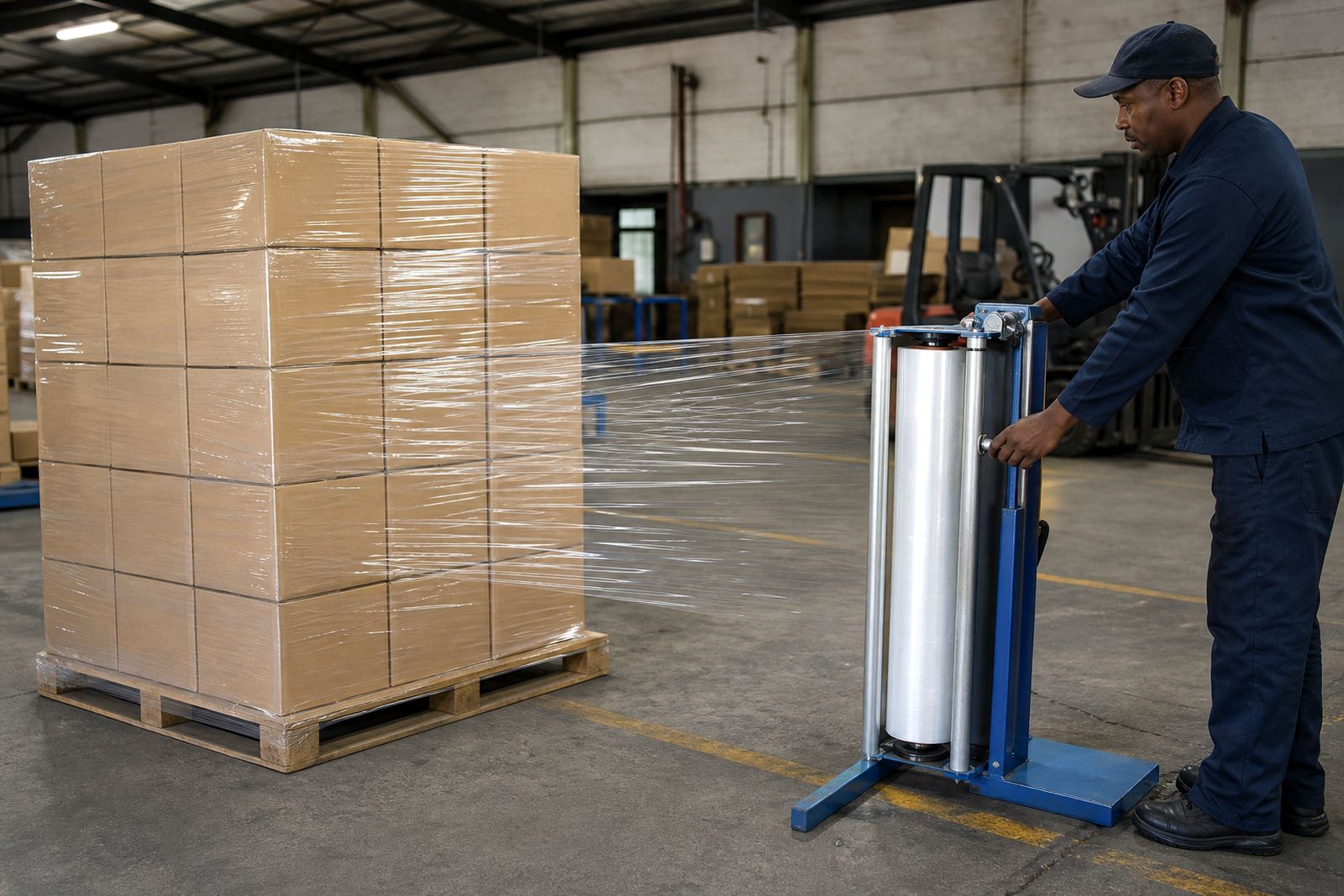
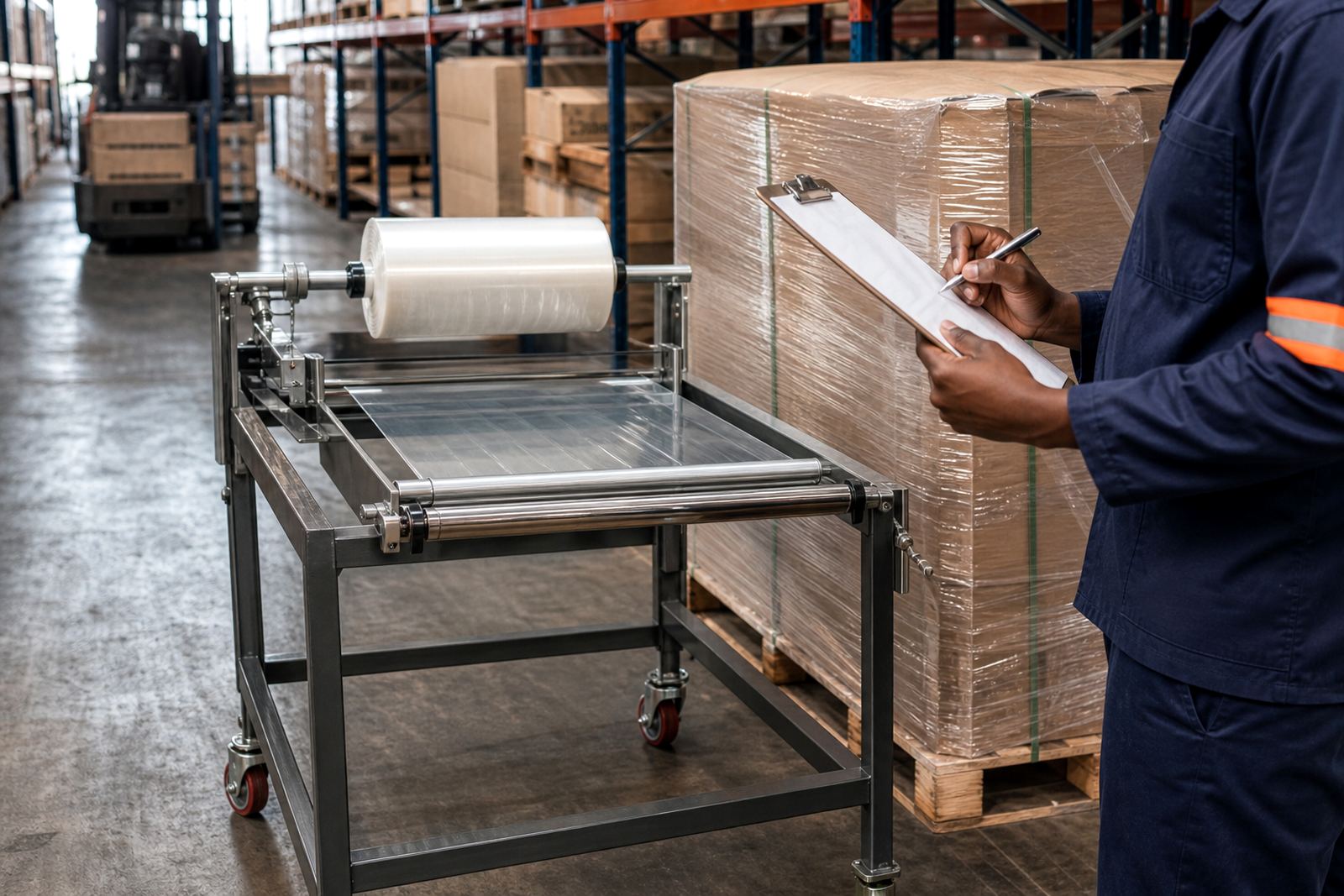
The first check is simple: place cutters and dispensers where the wrapping actually happens. In many Germiston and Boksburg warehouses, the wrap station sits at the end of packing, next to staging, or beside the dispatch lane. If the tool is stored in a separate cage or across the aisle, every roll change becomes a small delay that adds up over a shift.
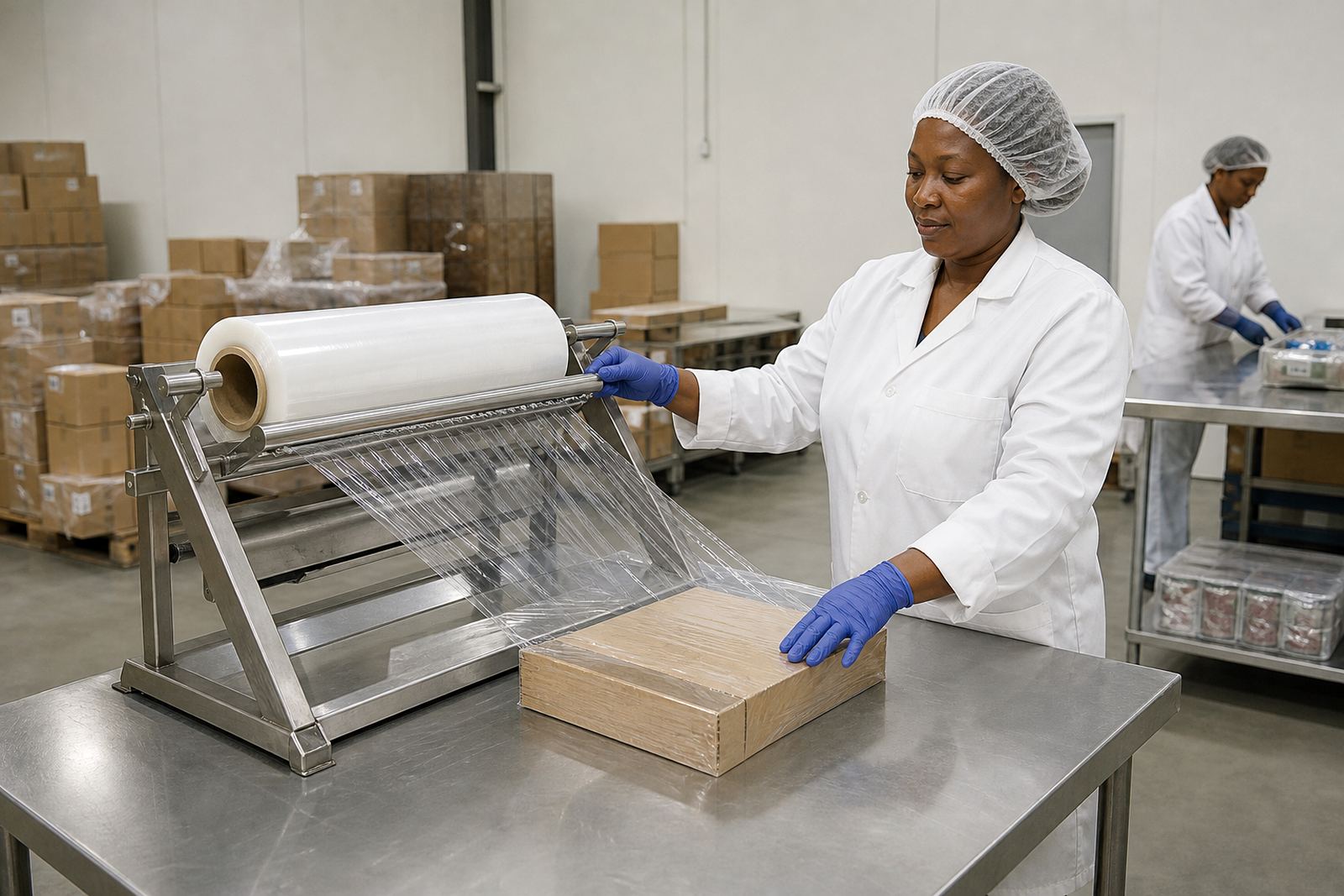
Look at the route from pallet load to final wrap. The tool should be within one or two steps of the operator, with enough clearance to avoid crowding forklifts or trolleys. A practical position is one that lets staff reach the cutter with one hand while steadying the film roll with the other. That small detail reduces dropped rolls, uneven tension and wasted movement.
Check Reach, Height and Safe Handling
Film tools should suit the person using them, not the other way around. A dispenser mounted too high causes shoulder strain, while one placed too low leads to constant bending. In a busy depot, especially where teams work long shifts and load-shedding changes the pace, the right height helps keep the wrap line steady.
- Can the operator change the roll without twisting their body?
- Is the cutter reachable from the normal standing position?
- Does the hand grip feel secure when gloves are worn?
- Is there enough space to load film without brushing against pallets or racking?
- Can a second person step in quickly during a busy period?
Good placement should make the task feel natural after only a few cycles. If the operator has to lean, stretch or turn sharply, the setup needs adjusting.
Look for Cross-Traffic and Forklift Pressure
Warehouse flow breaks down when people and machines share the same narrow point. Check whether the wrap area sits in a path used by forklifts, pallet jacks, or inbound stock. If it does, the operator may pause repeatedly, and that stops the line from moving in one clean sequence.
Try to keep the cutter and dispenser out of the main traffic lane and close to the final pallet position. In larger sites around Midrand or Pretoria, the best setup often uses a marked wrap bay with clear floor lines and no loose film boxes underfoot. That reduces trip risk and keeps the area neat, which matters when municipal inspections or site safety audits come around.
A tidy wrap zone also helps during night shifts, when lighting may be lower and the team needs every item to be in the right place. A misplaced dispenser at that time is not just annoying, it slows everyone down.
Use the Film Tool Checklist Before Each Shift
A short pre-shift check helps catch small problems before they become stoppages. This is especially useful in plants that run different pallet sizes, or where staff rotate between packaging and dispatch. Keep the process simple and repeat it daily.
- Confirm the cutter blade is clean and cutting properly
- Check that the dispenser spins freely and does not jam
- Make sure the tool is stored at the correct station
- Inspect for cracked handles, loose fittings or worn guards
- Verify spare rolls are close enough for quick changeovers
- Remove loose film bits from the floor and pallet area
When this becomes part of the handover, the team spends less time searching for a cutter or fixing a jam at the worst possible moment.
Plan for Coastal Humidity and Dusty Inland Conditions
South African sites deal with very different conditions. In Durban and Cape Town, moisture in the air can affect storage areas, while in inland towns like Polokwane or Germiston dust can build up on moving parts. Both conditions can make film handling less reliable if tools are left exposed or stored badly.
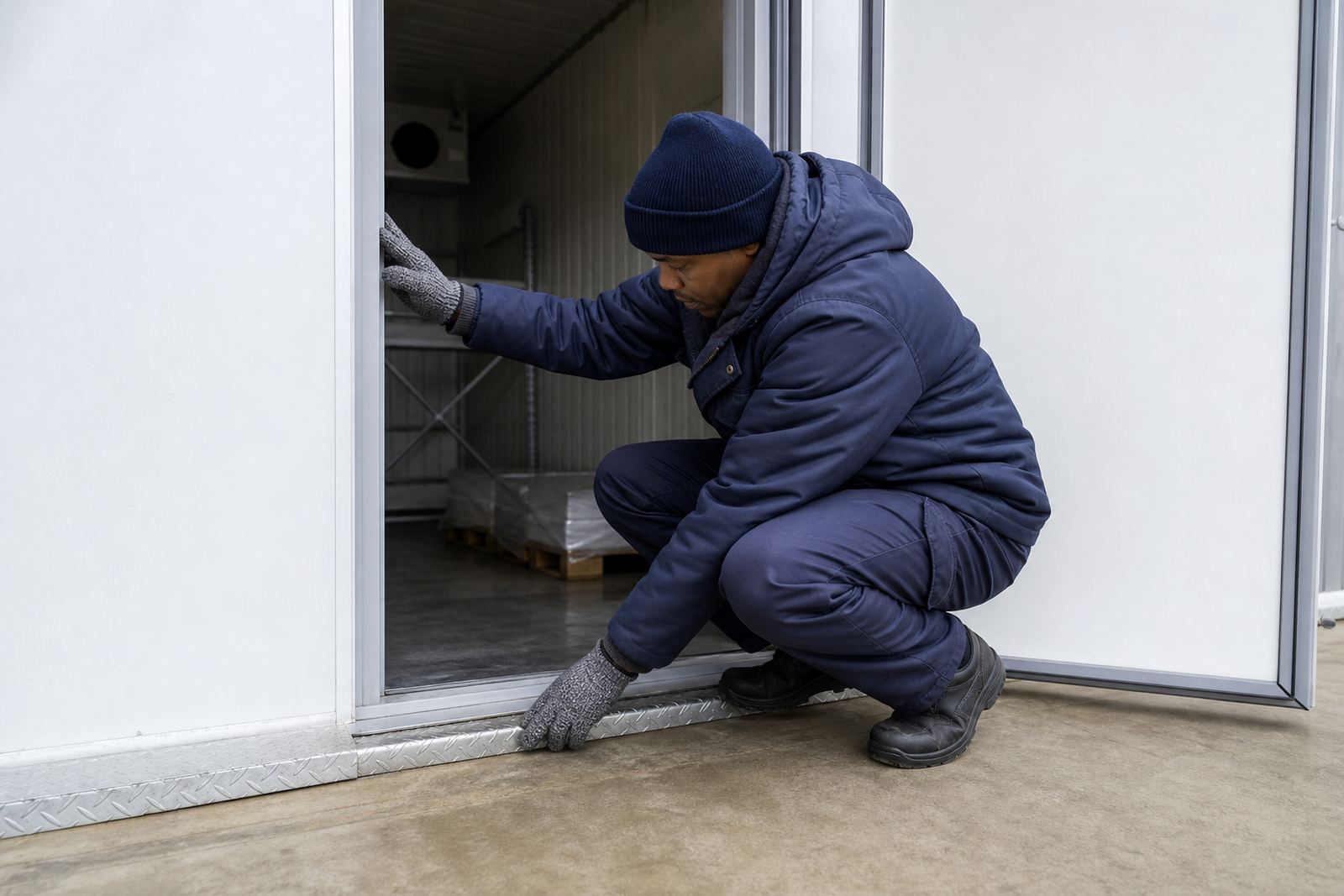
Place dispensers and cutters in a dry, clean spot away from standing water, open dock doors, or direct sun where possible. If the area gets damp overnight, check for corrosion or stiffness in the moving parts. If dust is the main issue, wipe down the tool at the end of each shift and keep spare parts in a closed container. It sounds basic, but basic care prevents a lot of trouble later.
Match the Tool Setup to the Packing Load
Not every warehouse wraps the same way. Some handle light cartons, others wrap heavy mixed pallets, and some move through seasonal peaks that push the line hard. The placement of the cutter and dispenser should match that load. A busy site may need two wrap points, while a smaller depot may only need one properly organised station.
Ask whether the current setup supports the real pace of the line. If staff are waiting for a tool, sharing one dispenser across two bays, or stopping to search for spares, the system is too thin. In many cases, a small change in placement gives a bigger improvement than buying more film. That is often the practical fix clients overlook.
For local operations in Johannesburg or Cape Town, it can also help to review how stock comes off the line before dispatch. If the pallet sits too far from the wrap point, the operator walks more and the packing rhythm falls away. Keep the process tight and the distance short.
When to Bring in a Site Assessment
If the wrap area still feels awkward after a few changes, a site assessment is usually the next step. A proper walk-through can show where the line slows, where tools are getting damaged, and whether the current layout suits the size of the team. It can also highlight safety gaps, such as poor blade storage or a dispenser that keeps getting knocked by moving stock.
Film Cutters works with packing lines across Germiston, Johannesburg, Pretoria, Durban, Cape Town, Polokwane, Boksburg and Midrand, so we see the same kinds of issues in different layouts. Some sites only need a better mounting position, while others need a full line setup review, spare parts support, or operator training. The aim is always the same: less waste, faster changeovers, and a cleaner wrap area that holds up during a full shift.
Once the placement is right, the rest of the process becomes easier to manage, from blade replacement to breakdown callouts. And in a warehouse, that kind of small improvement can save time every day.