When the line starts fighting the operator
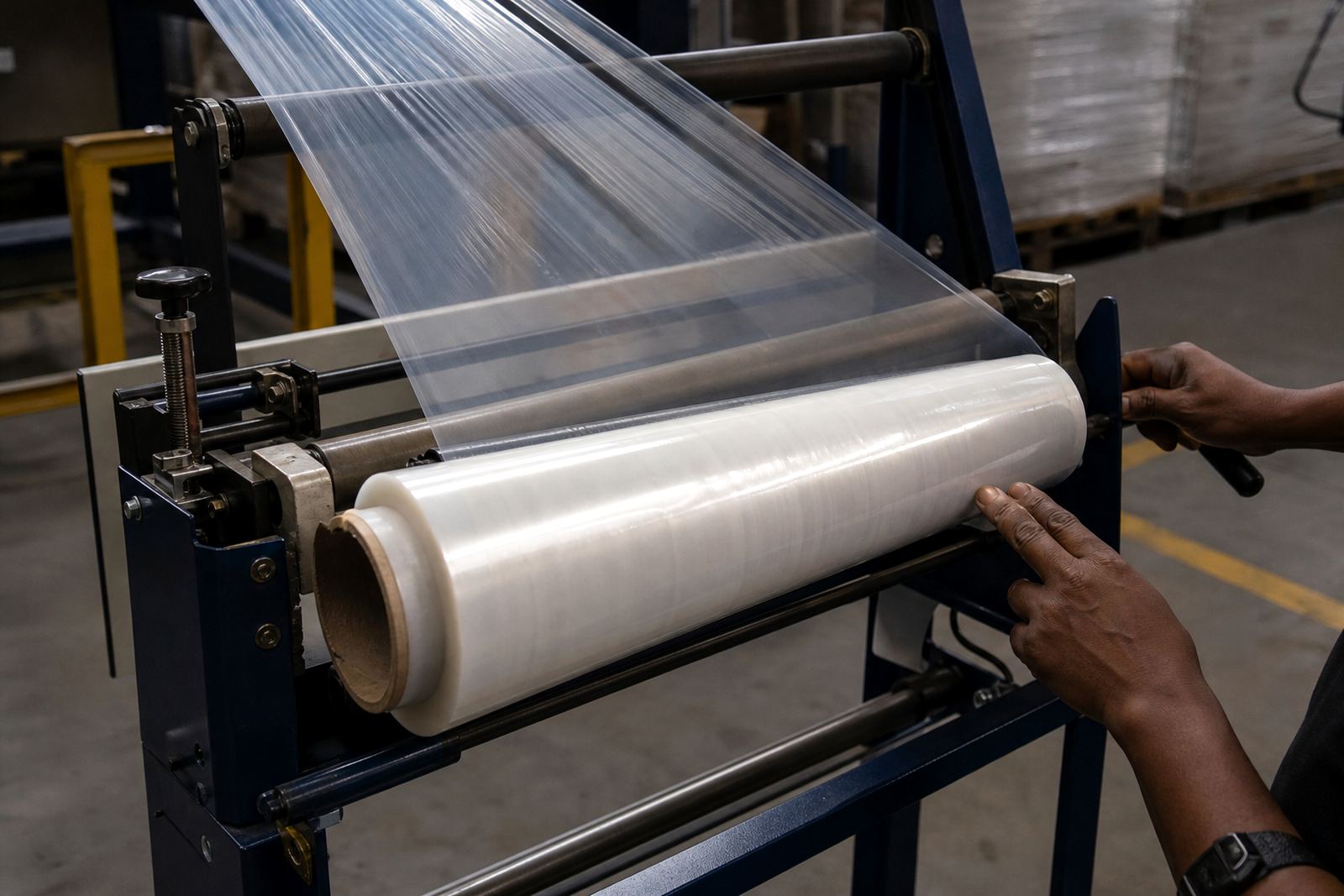
The first sign is usually not a broken machine, it is the amount of effort needed to get through a normal shift. If operators are tugging at film, trimming by hand or stopping the line to reset a dispenser, the equipment is no longer keeping pace with the packing area. That extra handling slows output and increases the chance of uneven wraps, product movement and damaged cartons.
In busy depots and factories around Germiston, Boksburg and Midrand, this often shows up after a rise in daily volumes or a change in pack size. A cutter that was fine on light duty can become a bottleneck once shifts stretch longer or a second packing line is added.
Signs your current cutter is wasting film
Film wastage is one of the clearest reasons to upgrade. If the team is using more film than expected to get a secure load, the cutter or dispenser may not be giving enough control. Stretch film should pull evenly and cut cleanly. Shrink film should feed in a steady way without snags, folds or jagged cuts.
- Film tails left hanging after each wrap
- Uneven cuts that force operators to trim again
- Frequent rethreading because the roll slips or binds
- Loads wrapped with visible overlap that uses more film than needed
Those issues look small on a single pallet, but across a full month they add up. In a Cape Town warehouse with coastal humidity, or in a Durban plant where the packing area runs warm, film behaviour can change through the day and a tired dispenser can make the problem worse.
When repairs start costing more than the fix
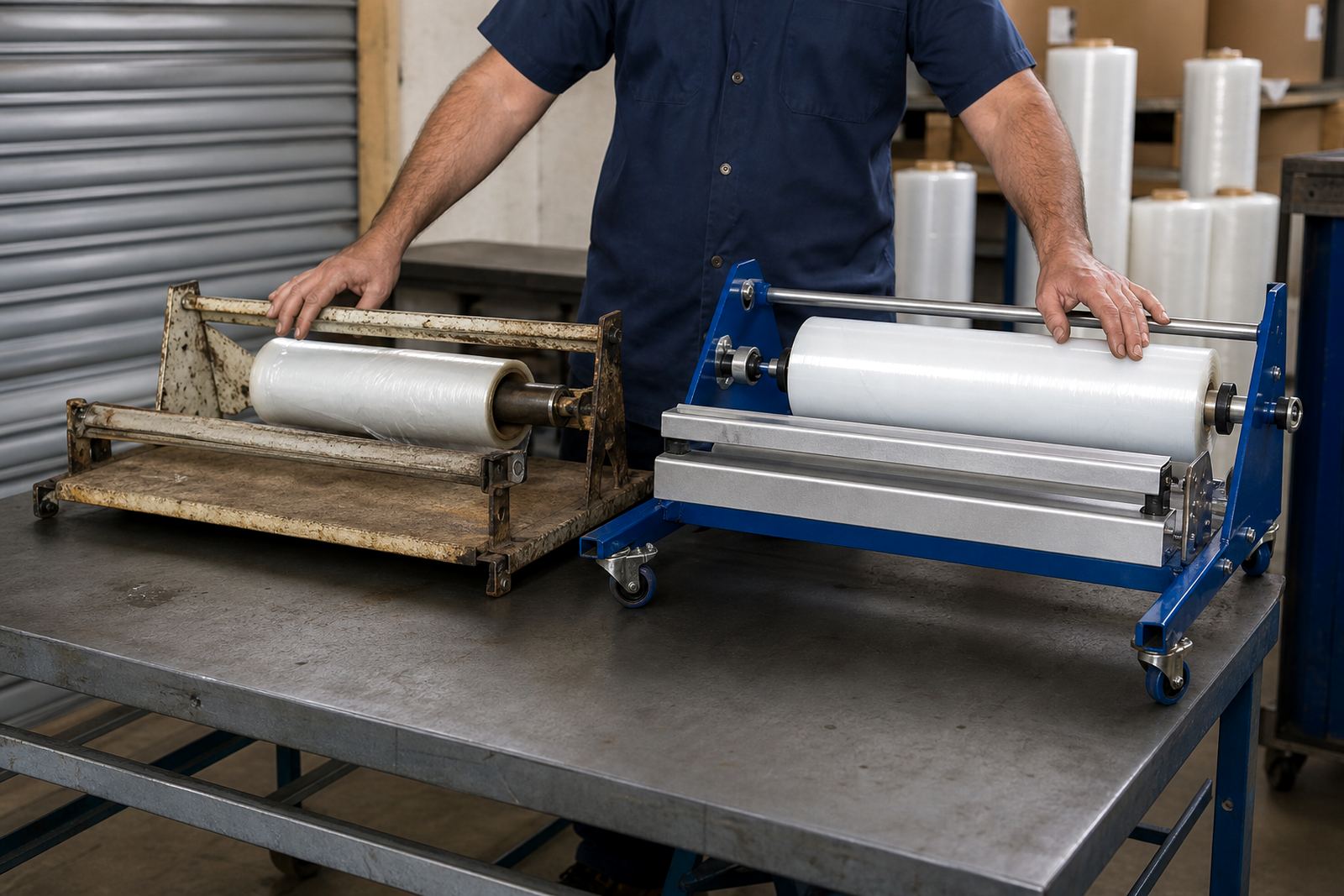
There comes a point where repeat repairs stop making sense. If blades need constant replacement, if rollers are worn, or if the dispenser needs attention every few weeks, the cost is not only the spare part. It is the lost time, the callout, and the pressure on the packing team to keep moving while the fault is being handled.
A good rule is to look at frequency and downtime together. If the same fault keeps coming back, or if the equipment is being patched for another short run instead of being properly restored, an upgrade is usually the better commercial choice.
- Breakdowns happen more than once in a short cycle
- Replacement parts are becoming hard to match
- The unit needs constant adjustment to work properly
- Operators are avoiding it and using slower manual methods instead
Production changes that call for stronger equipment
Sometimes the cutter has not got worse, your operation has simply grown past it. More pallet volumes, wider loads, mixed product sizes and tighter dispatch targets all place more demand on the packing line. A dispenser that once handled one shift may now need to support two, or handle different operators with different levels of experience.
Load-shedding also matters. When power interruptions interrupt the rhythm of a line, teams need equipment that can get back into service quickly and hold settings consistently. If a unit becomes difficult to reset after every stop, it slows the whole packing bay down.
Upgrades are worth considering when the business has changed in any of these ways:
- Output has increased and the line no longer has spare time
- Operators are switching between shrink and stretch applications
- Roll changes are happening too often for the shift pattern
- Safety checks are picking up avoidable handling risks
A Germiston example: small delays that became daily losses
A packing facility in Germiston was running a mixed load operation for Gauteng distribution. The cutter was still working, but operators were spending extra time clearing film jams and tidying rough cuts. At first it looked minor. Then the line began missing its end-of-shift targets and the team started holding spare rolls near each bay just to keep moving.
After a site assessment, the issue was traced to worn components and a dispenser that no longer suited the line speed. Once the equipment was upgraded and the team was trained on the new setup, the process became easier to repeat and the film usage settled down. The biggest gain was not only speed, it was consistency. Fewer interruptions meant less frustration and better control over the load, which matters when trucks are waiting.
What to check before you decide
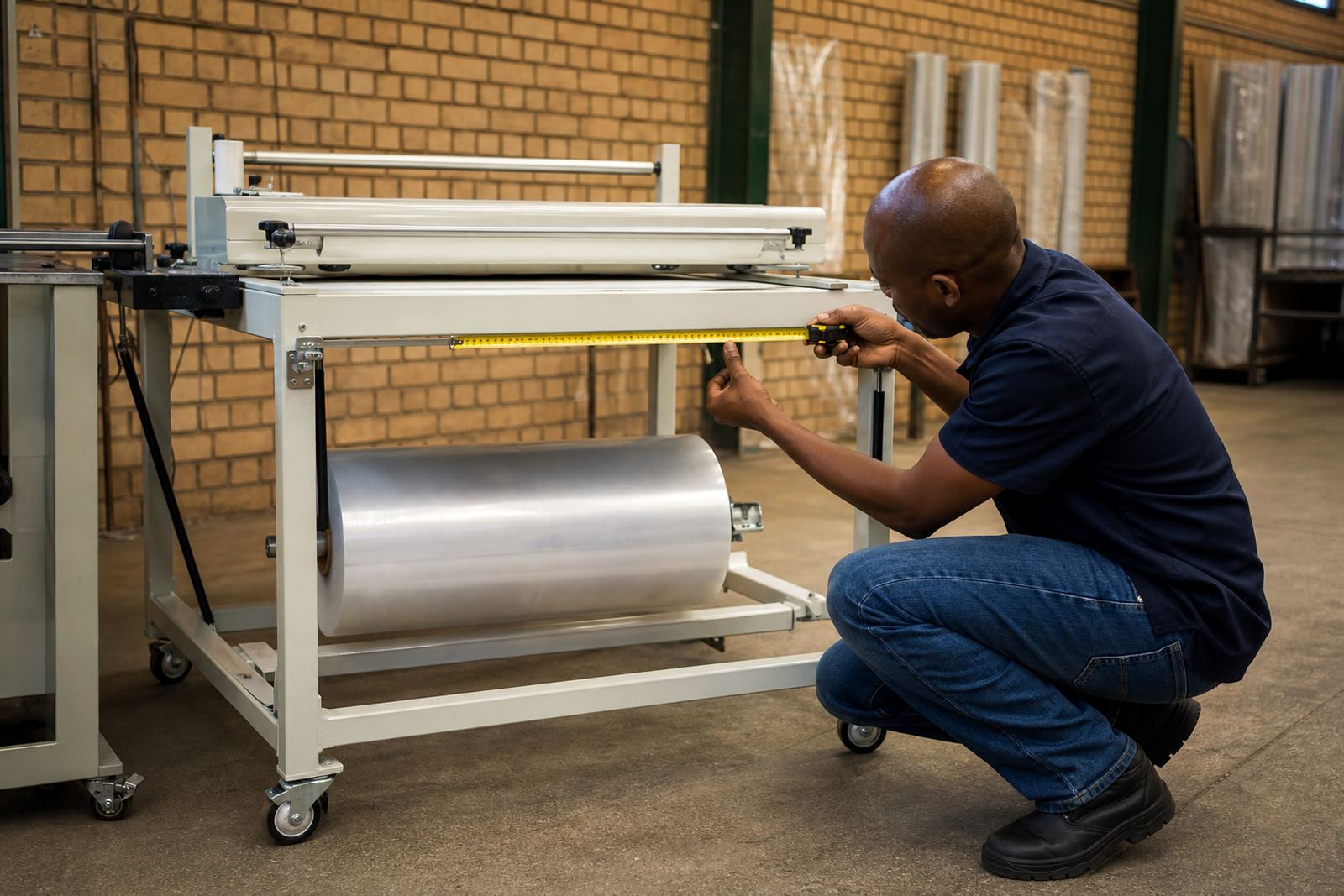
Before replacing equipment, look at the full picture. An upgrade should solve a real problem, not just swap one unit for another. A practical check on site will show whether the issue is the cutter, the dispenser, the blade setup or the way the roll is being handled on the line.
Ask these questions:
- Are the cuts clean and repeatable across the whole shift?
- Is the film type matched properly to the job?
- Do operators need special workarounds to keep production going?
- Has the packing line changed since the current unit was installed?
If the answer to more than one of these is no, it is usually time to plan an upgrade rather than keep servicing the same weakness.
Why an upgrade should include setup and training
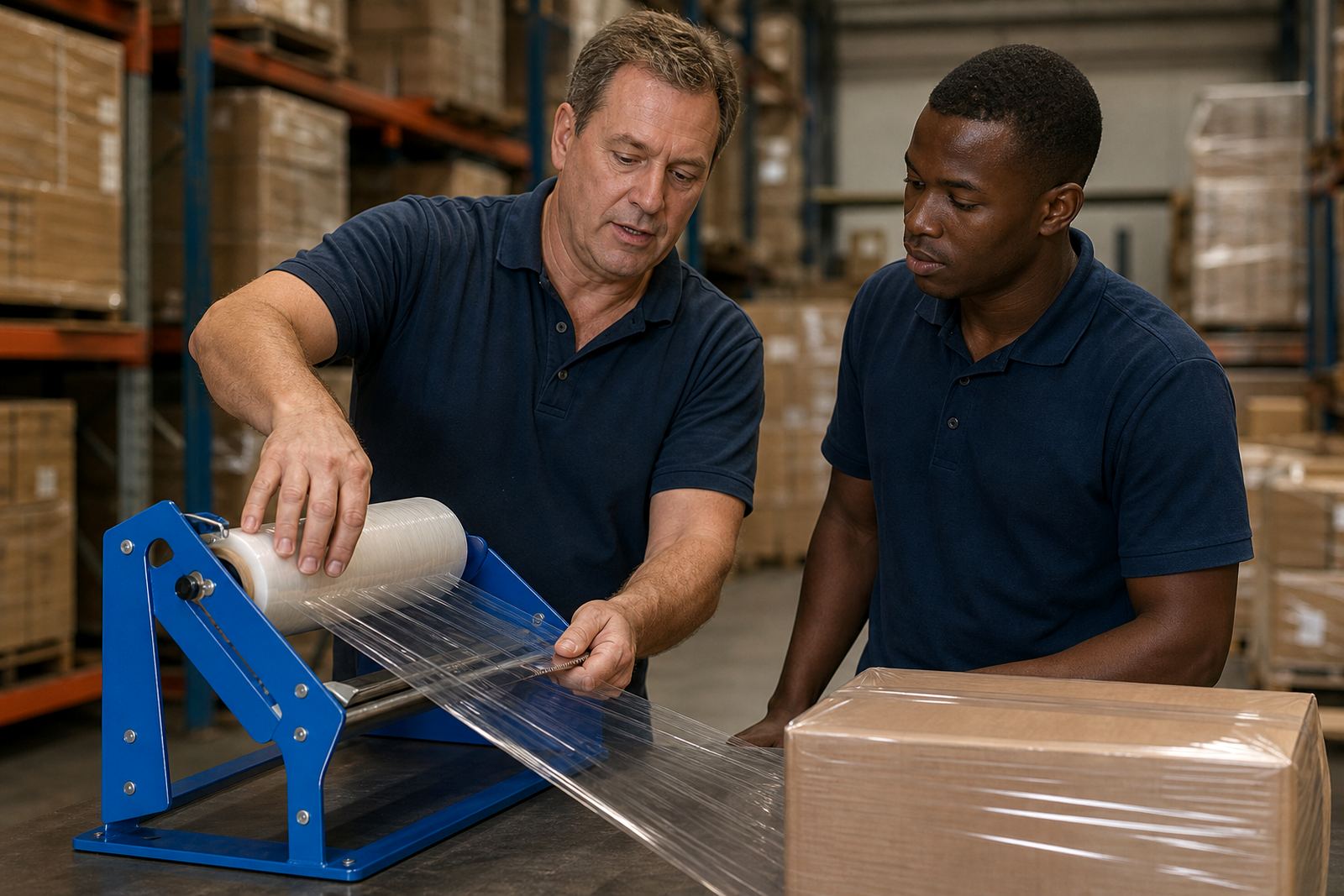
A stronger cutter or dispenser only pays off when it is installed and used properly. That means correct line setup, blade replacement schedules, preventive servicing and clear operator training. Without those steps, new equipment can still underperform or be misused on a busy shift.
For businesses in Pretoria, Polokwane, Johannesburg and beyond, the best results come from matching the unit to the work, then keeping it maintained. A clean changeover, proper safety checks and support for roll changes all help the packing area run with less strain on the team. It also reduces the risk of avoidable downtime when a line is under pressure.
Upgrading is not only about buying something newer. It is about choosing the point where the current setup is holding the business back, and fixing that before the losses become part of the routine.