
Start Every Shift with a Clean, Clear Work Area
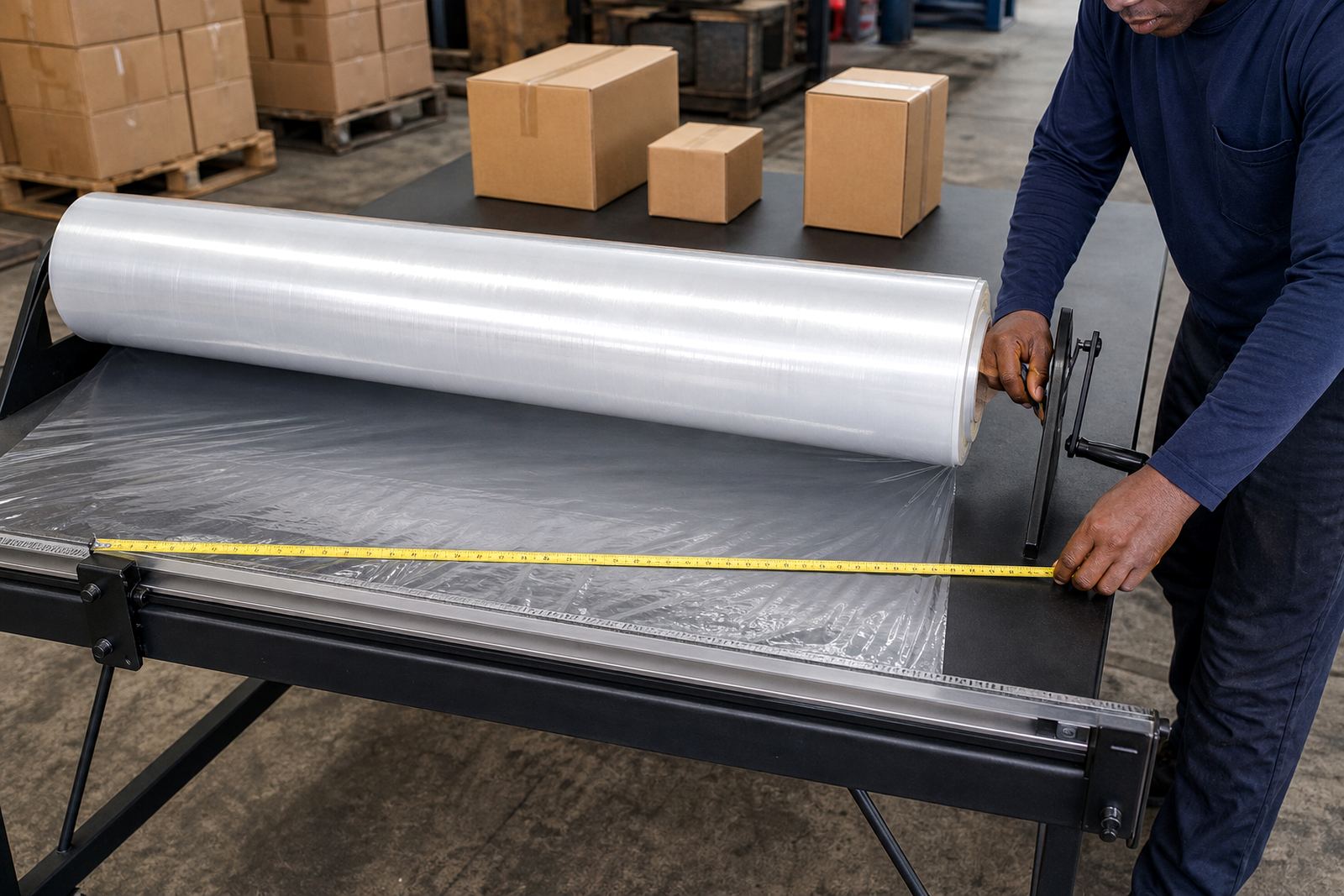
Good safety starts before the first roll is opened. Around a packing line, small scraps of film, loose blades, and offcuts can end up underfoot or caught in moving parts. Keep the area around the cutter, dispenser, and roll stand clear enough for one operator to work without reaching across the line. In busy sites in Germiston, Boksburg and Midrand, this matters even more when the shift changes and two teams are moving in the same space.
Before you begin, check that the floor is dry and free of stray wrap. If there is spilt product, condensation or dust, clean it properly. Coastal humidity in Durban and Cape Town can also make film cling more than expected, so operators need to work a bit slower when rolls are sticking together or when film tails are wrapping around hands.
- Remove loose film, cartons and strapping before changeover.
- Keep cut blades in a designated safe place when not in use.
- Make sure the operator has enough room to stand square to the roll.
- Do not leave tools on top of the dispenser frame or nearby pallets.
Handle Blades and Cutting Edges with Proper Discipline
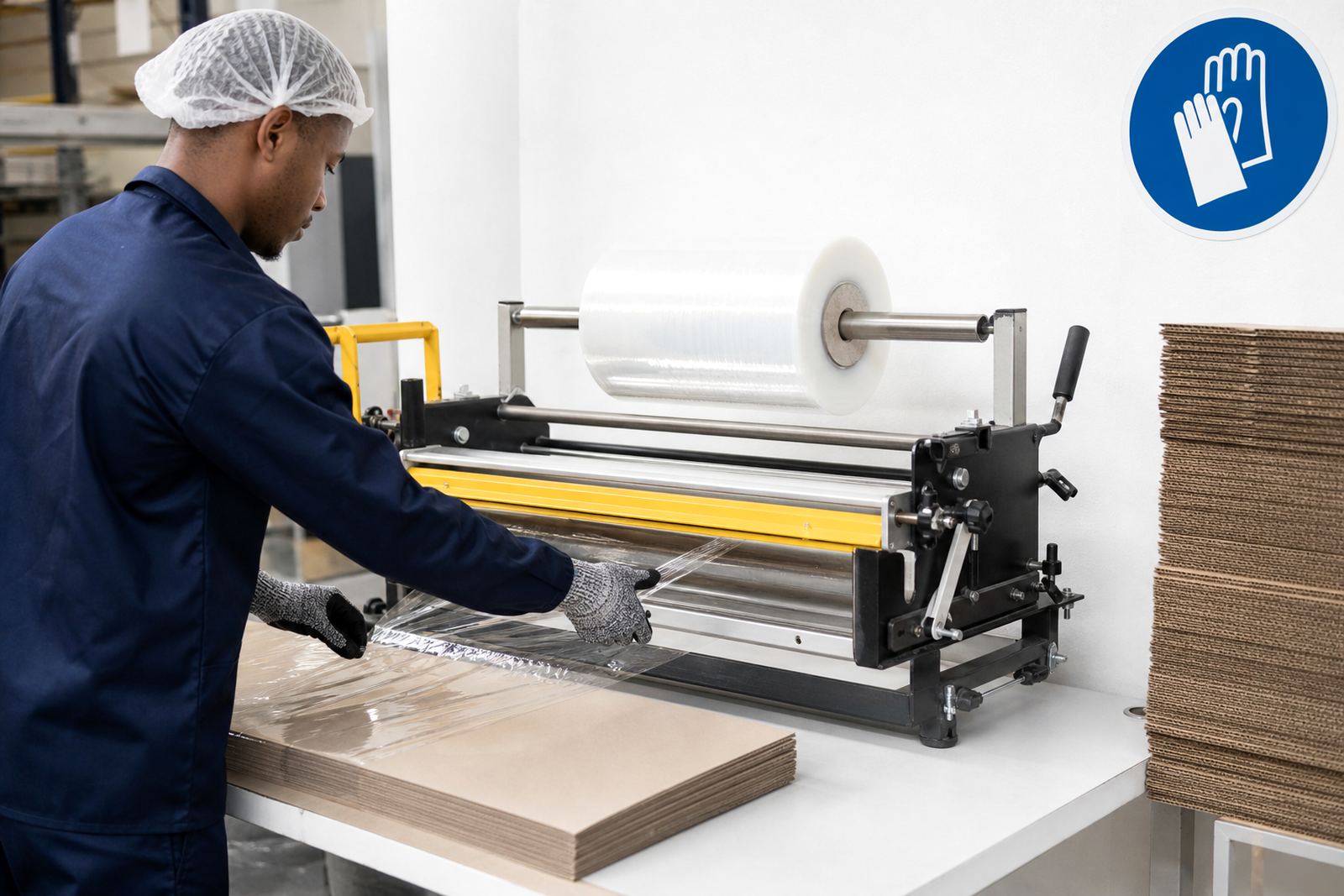
Most incidents around film cutters happen when people rush. A sharp edge is useful only when it is used the right way and stored properly. Operators should never test a blade with a finger, and they should not try to force a dull blade through film. That is when slips happen. If the cutter starts dragging, tearing or pulling the film off line, stop and inspect it. A worn blade can also damage the film edge, which leads to waste and extra rework.
Blade replacement should be done by a trained person using the correct method for that model. The new blade must sit firmly, with no wobble. If your team is working a late shift during load-shedding or with limited lighting, use a proper torch or task light rather than guessing. Poor visibility is a common cause of minor hand injuries and bad cuts.
- Replace blades before they become blunt enough to snag film.
- Keep fingers away from the cutting path, even when the machine is idle.
- Use the right spares for the specific cutter or dispenser in use.
- Do not improvise with makeshift guards or broken housings.
Control Tension, Speed and Reach During Film Application
Film application should be controlled, not hurried. When the roll is set too tight or the operator is pulling too hard, the cutter and dispenser both become harder to manage. Excess tension can cause the film to snap back, twist around the handle or pull the operator off balance. In packing rooms where people are working close to conveyors and pallet loads, that extra movement is a real risk.
Train staff to keep a stable stance, use both hands where required, and avoid overreaching across the load. If a roll is mounted too high or too low, ask for the line setup to be adjusted. A small height change can make a big difference to comfort and safety. On sites in Pretoria and Polokwane, we often see operators working through long shifts with repetitive movement, so correct positioning helps reduce fatigue too.
- Set the dispenser at a workable height for the operator.
- Keep the film path straight and avoid sudden pulling.
- Do not twist the body while cutting or wrapping a load.
- Call for a setup change if the current position causes strain.
Train New Operators Before They Touch the Line
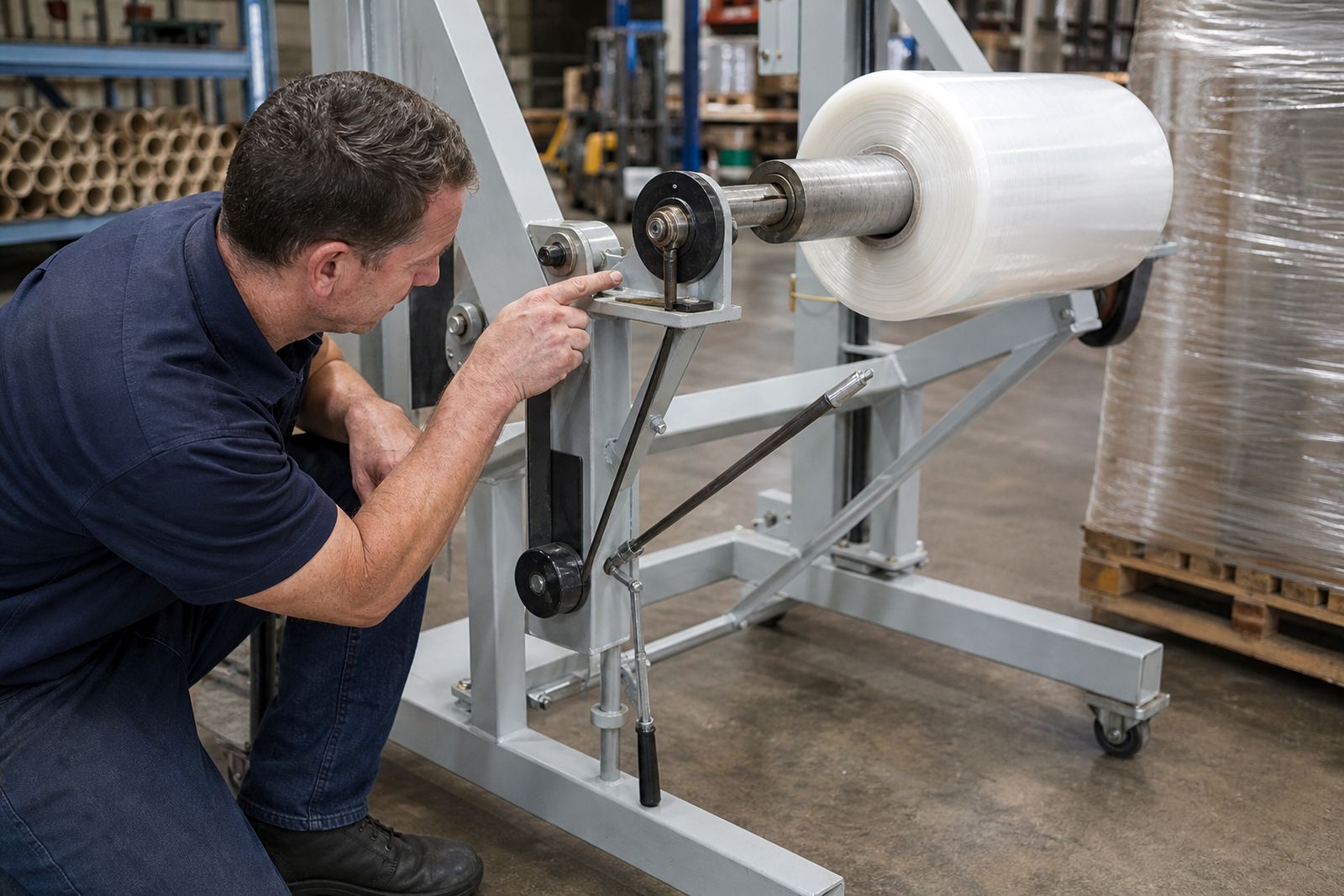
Even a simple film cutter needs proper induction. New staff should be shown how the dispenser locks, how to load the roll, where the blade sits, and what to do if the film jams. One quick explanation is not enough. A new operator must also understand the pace of the line, the risks around moving pallets, and who to call when something looks wrong. In smaller plants, one person may be responsible for several stations, so clear training saves time and prevents mistakes.
It helps to use a short checklist during the first few days. Supervisors should watch the operator do the task, then correct the hand position or movement before bad habits settle in. If a team member is unsure, stop and retrain. A five minute pause is cheaper than a hand injury or a line stoppage that lasts half the morning.
- Show the full loading, cutting and release sequence.
- Confirm the operator knows the emergency stop and escalation process.
- Explain what a safe blade change looks like.
- Recheck training after any equipment upgrade or line change.
Inspect Wear Points Before They Become Failures
Preventive servicing is part of safety, not just maintenance. A loose handle, cracked holder, misaligned guide or sticky dispenser can cause awkward movement and sudden force. That is how operators end up overcompensating. A quick inspection at the start of shift can catch a problem while it is still small. Look for bent parts, loose fasteners, damaged guards and anything that does not move as it should.
If the cutter is used on a high-volume line, wear will show up faster. Germiston and Johannesburg packing lines often run heavier daily volumes, so a dispenser that seems fine on Monday may start sticking by Thursday. Keep spares on hand for the common wear items, and log every repair so the next shift knows what was changed. If the same fault keeps returning, the line setup may need to be adjusted rather than patched again.
- Check handles, clamps, fasteners and guides daily.
- Look for film build-up that can affect movement.
- Record repeated faults and do not ignore small noises.
- Remove damaged equipment from service immediately.
Use Site Rules That Fit the Way South African Plants Work
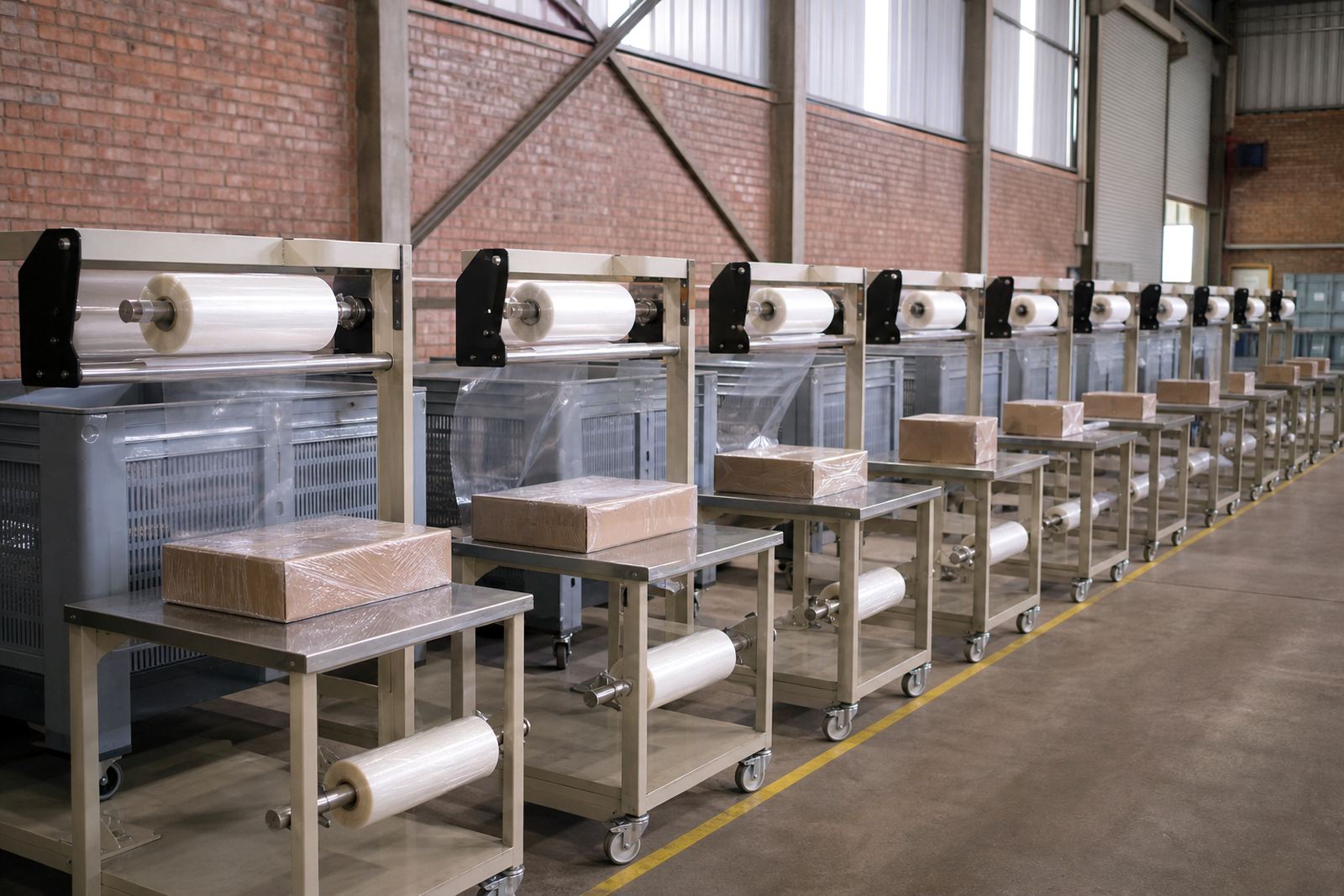
Every site has its own safety rules, and they need to match the way the packing line actually runs. In warehouses and factories across South Africa, operators may work alongside forklifts, pallet jacks, loading bays and delivery traffic. The film cutter station should never block an aisle or sit where the operator can be clipped by moving equipment. Municipal fire rules, site access controls and housekeeping standards all matter, especially where packaging materials are stored near exits or electrical panels.
Breakdown callouts and onsite support are not only for major failures. If the team is struggling with repeated film jams, unsafe reach, or a dispenser that will not hold its setting, it is better to have the equipment checked early. A safer line is usually a more productive line too. In Cape Town, Durban or Polokwane, where different warehouse layouts and temperatures affect handling, a practical site assessment can make the process easier for the whole crew. Keep the rules simple, visible and enforced every shift, even when the pressure is on.
A safe packing line is built on habits. Clear space, sharp but controlled blades, the right setup, and trained hands keep the work steady. When the team follows the same basics every day, the equipment lasts longer and the people working it stay safer.