
Keep rolls off the floor and away from hard knocks
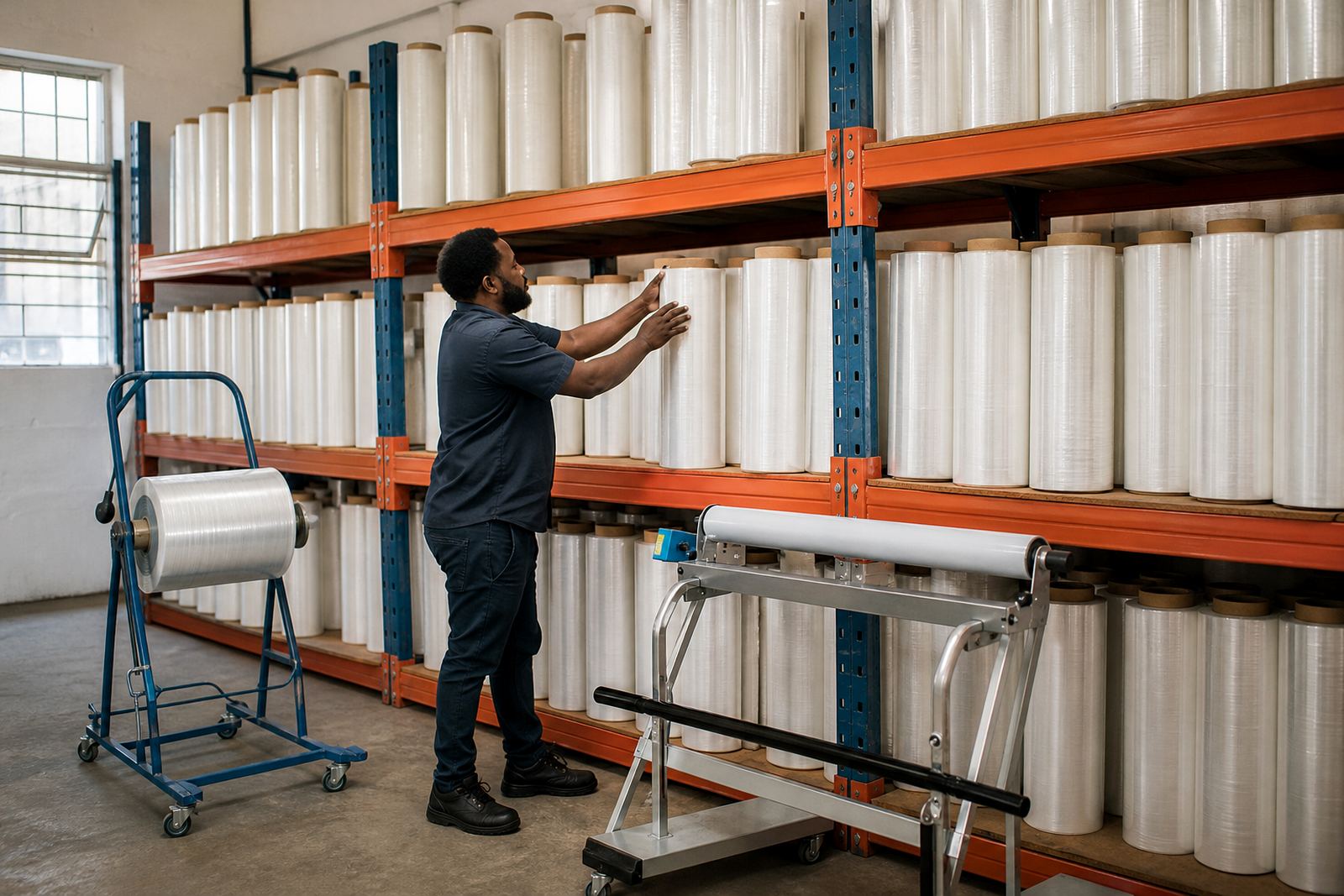
The quickest way to damage a roll is to leave it where forklifts, pallet jacks and foot traffic can catch it. Film should be stored on flat racking or on a clean pallet, never loose on the floor where a corner can be bruised or crushed. Even a small dent on the outer wrap can cause noisy unwinding, poor tension and uneven application once the roll goes onto the line.
At a busy site in Germiston or Boksburg, it helps to mark a proper film bay close to packing but away from loading doors. That reduces unnecessary handling and keeps rolls from being shuffled around every time stock comes in. If your team must move rolls by hand, use two people for larger widths and keep the roll upright so the edges do not scrape concrete or pallet nails.
Control moisture, dust and direct sun before the film starts to age
Film does not like damp conditions, dust buildup or hot sun through open doors. In coastal areas such as Durban, moisture can make outer layers cling together and trap grit on the roll. In hotter inland stores, the problem is more often heat and sun exposure, which can soften film and make it harder to handle cleanly.
Store rolls in a dry, shaded area with stable temperatures where possible. If the warehouse has open roller doors, keep the stock back from the doorway and use covers on rolls that may sit for a few days. A clean store is not just neat, it helps reduce contamination on the film surface and keeps the first wraps usable instead of being scrapped.
- Keep rolls clear of leaks, wet floors and standing water.
- Do not stack in direct sunlight near dock doors.
- Wipe down storage pallets and racking regularly.
- Use sealed packing areas where dust is a problem.
Handle roll edges carefully during receiving and issue
Most damage happens before the film ever reaches the machine. Fork tines set too wide, rough unloading and dropped rolls can all damage the edges. Once the edge is nicked, the roll may wander on the dispenser or tear during feeding. That means a stoppage, more waste and a frustrated operator trying to make up time.
Train store and line staff to inspect every roll as it comes in. Check for crushed cores, split packaging, dirt on the outer wrap and any signs that the roll has been stored on its side too long. If a roll looks suspect, move it aside for a supervisor to inspect rather than sending it straight to the line. It is a small step that saves plenty of trouble later, and the defect is often hidden till use.
Use the right sequence for stock rotation and line issue
Film is easier to manage when the store works on a clear first in, first out method. Older stock should be issued first so rolls do not sit for months in the back of the store. Long storage can lead to flat spots, edge pressure and packaging that gets bumped around during multiple moves, especially in plants where several shifts share the same material stock.
Keep the same width, grade and core type grouped together and clearly labelled. That way the operator or storeman can choose the correct roll without opening several packs to check what is inside. On larger sites in Pretoria, Midrand or Cape Town, this also helps when more than one packing line draws from the same storeroom, because the right roll goes to the right machine faster.
- Mark incoming stock with the date received.
- Separate shrink film from stretch film.
- Keep damaged or doubtful rolls in a quarantine area.
- Record which line received which batch for traceability.
Match storage habits to the demands of your packing line
Not every line uses film in the same way. High-speed packing lines need cleaner rolls and straighter edges because even a small flaw can interrupt production. Manual wrapping stations may be more forgiving, but they still need rolls that unwind smoothly and do not pick up grit from handling. The better your storage habits, the less strain there is on the dispenser, blade and operator.
It also helps to keep spare film near the line in a protected, ready-to-use position. If rolls are left in passageways or near moving equipment, they get bumped and contaminated. A tidy line side store, even a small one, means less breakage and less time spent hunting for the next roll when production is under pressure.
Check dispensers, blades and changeover routines before they damage film
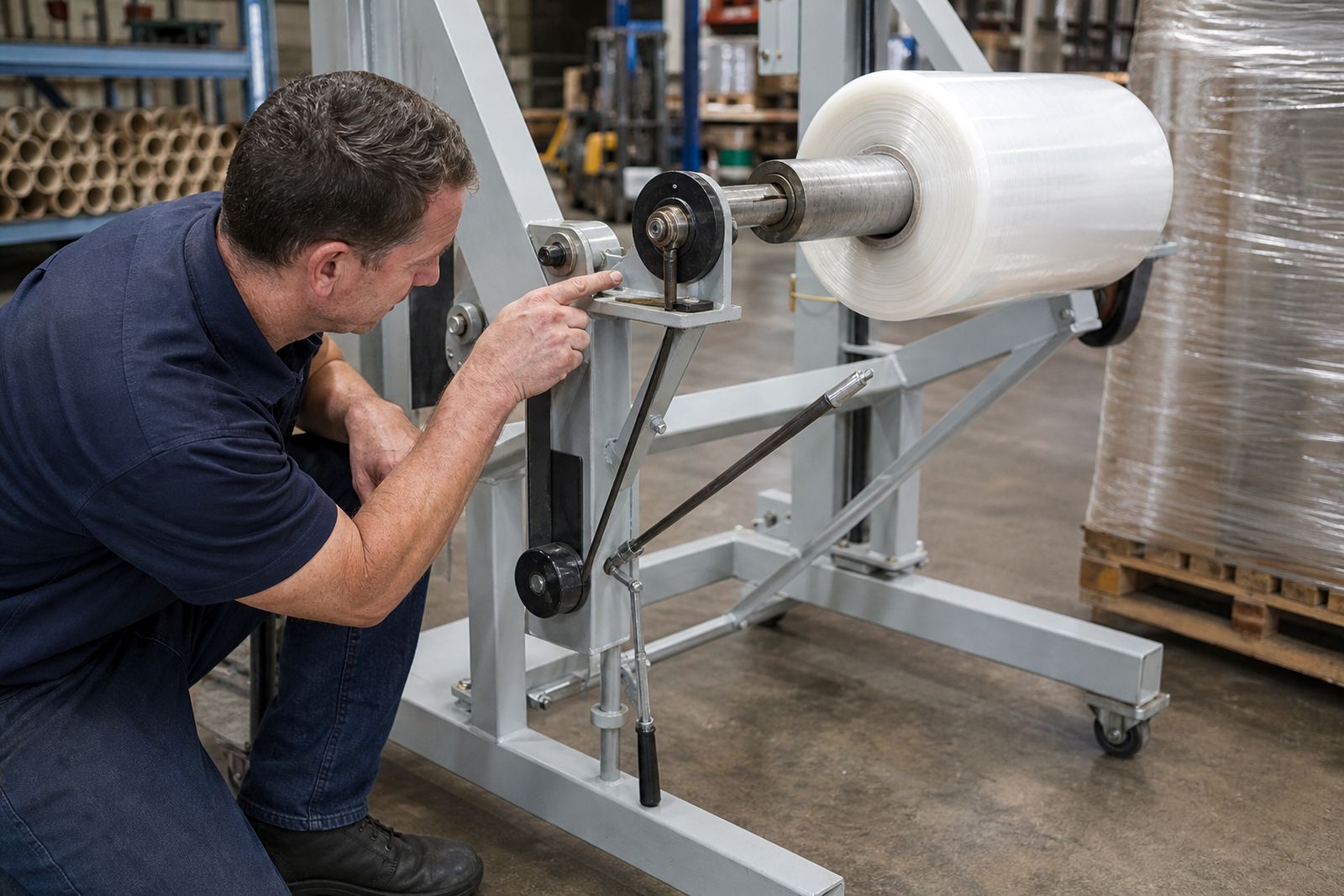
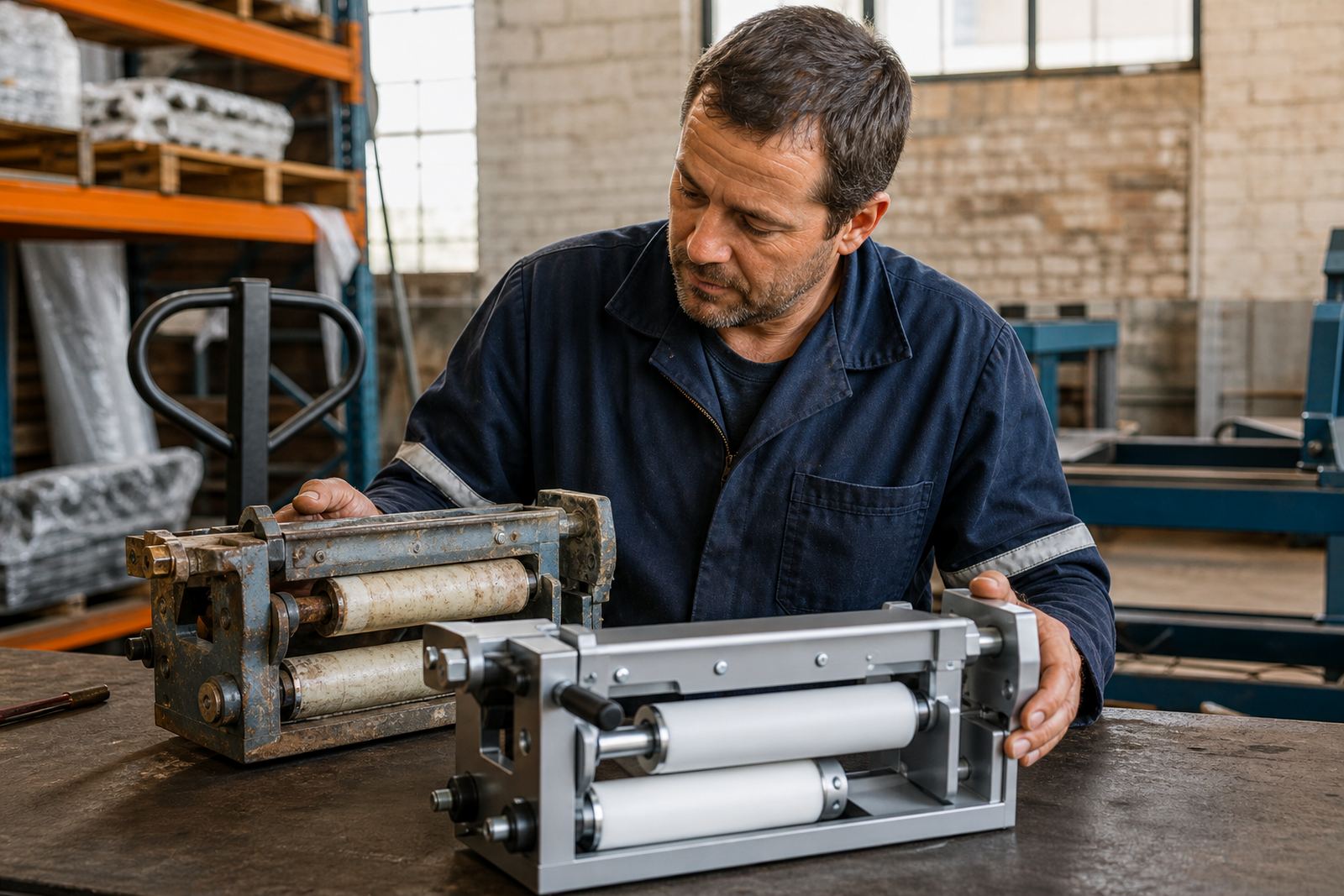
Sometimes the film is blamed when the real issue is the equipment. A rough blade, a bent holder or a dispenser with poor alignment can scuff the roll or nick the film during changeover. The problem then looks like storage damage, but it is actually happening on the line. That is why regular checks matter, especially where the same equipment works through long shifts and load-shedding recovery periods.
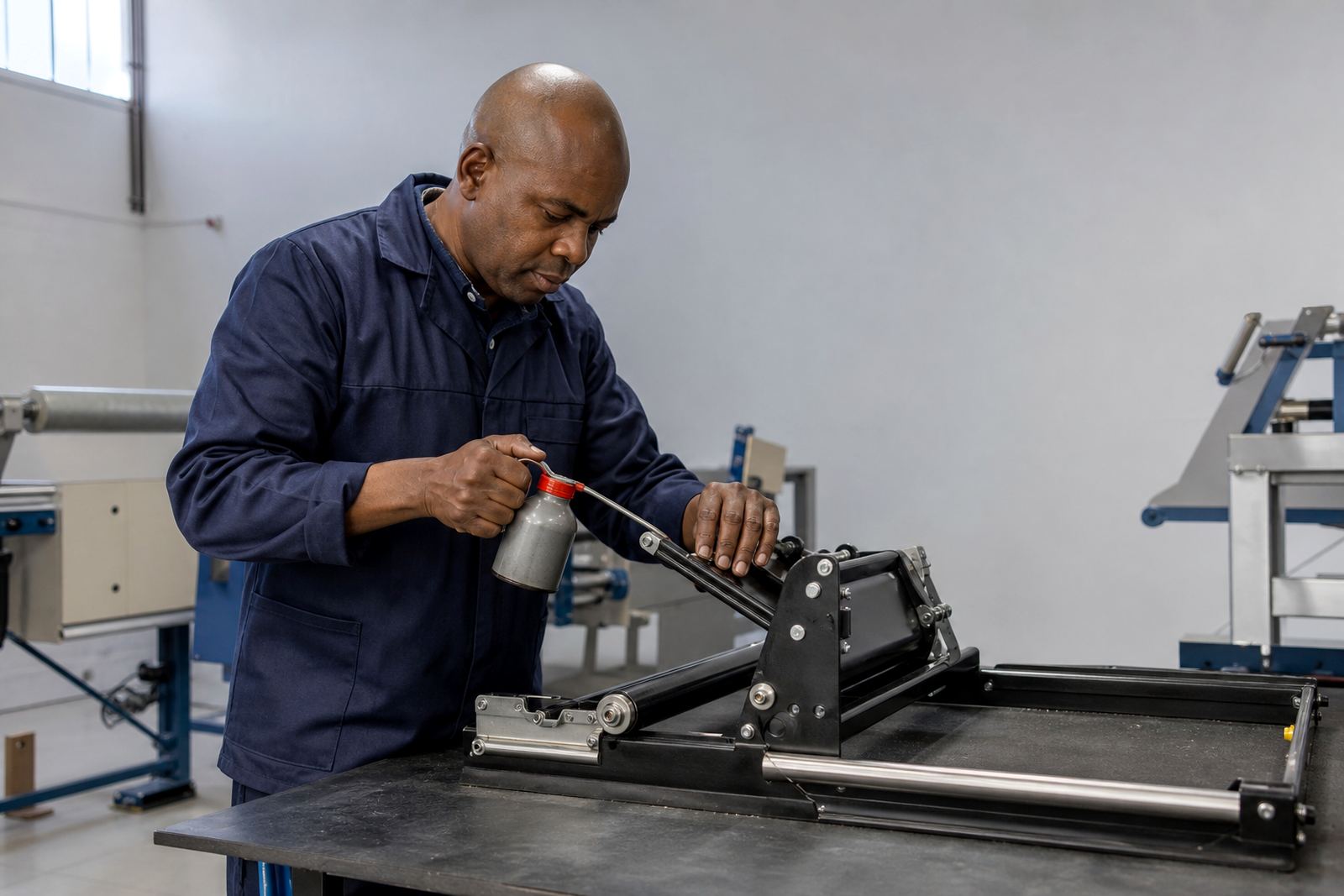
Make sure blades are replaced before they start dragging, and check that the dispenser grips the core evenly. If the roll sits at an angle, the film can rub on frame parts and fray at the edges. Good line setup, preventive servicing and operator training all play a part in protecting the material. A small fix now is better than losing a whole roll later.
Use local support when rolls keep arriving damaged or difficult to feed
If film damage keeps happening, it is worth looking beyond the store and checking the full handling chain. Delivery offloading, storage layout, core support, dispenser condition and operator practice all matter. A site in Polokwane may have very different storage conditions to one in Durban, and the same film can behave differently when humidity, dust or heat changes through the year.
Film Cutters works with packing lines across Germiston, Johannesburg, Pretoria, Durban, Cape Town, Polokwane, Boksburg and Midrand, helping teams with site assessments, line setup, safety checks, blade replacement, roll change support and equipment upgrades. If rolls are being damaged before use or feeding badly on the line, a practical inspection can show where the loss is happening and what to change first.