
Why the final wrap is the part customers notice
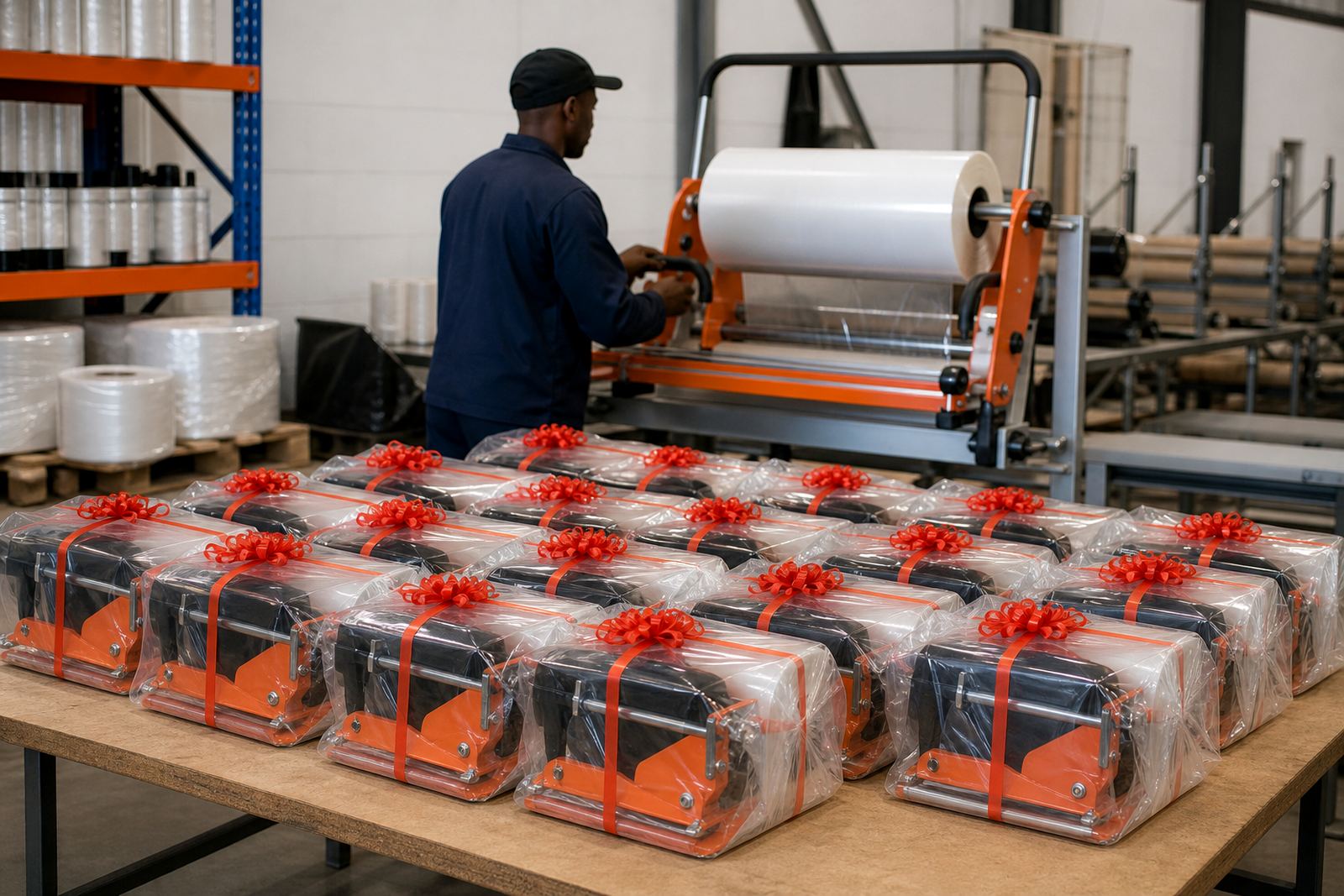
Retail bundles often leave the packing line before anyone has a chance to correct small faults. If the film is cut badly, the edge curls, the wrap looks untidy and the bundle can shift in transit. On shelves, that can make a product look second rate even when the contents are fine. In South African retail, where stores in Johannesburg, Pretoria, Durban and Cape Town handle high volumes and frequent restocking, consistency matters just as much as speed.
Clean cuts and even tension help the film sit flat around the pack. That keeps the bundle tight, protects corners and gives the line a more repeatable result. It also makes the job easier for staff because they are not stopping to rewrap, trim loose ends or sort out damaged packs later. For many operations, that means less waste and fewer complaints from dispatch or the store floor.
We see the difference most clearly on mixed product lines where cartons, printed packs or grouped retail units all need the same finish. A neat bundle is not only about appearance. It helps with stack stability, barcode visibility and handling through transport to depots in Polokwane, Boksburg or Midrand.
What happens when cutting or dispensing is uneven
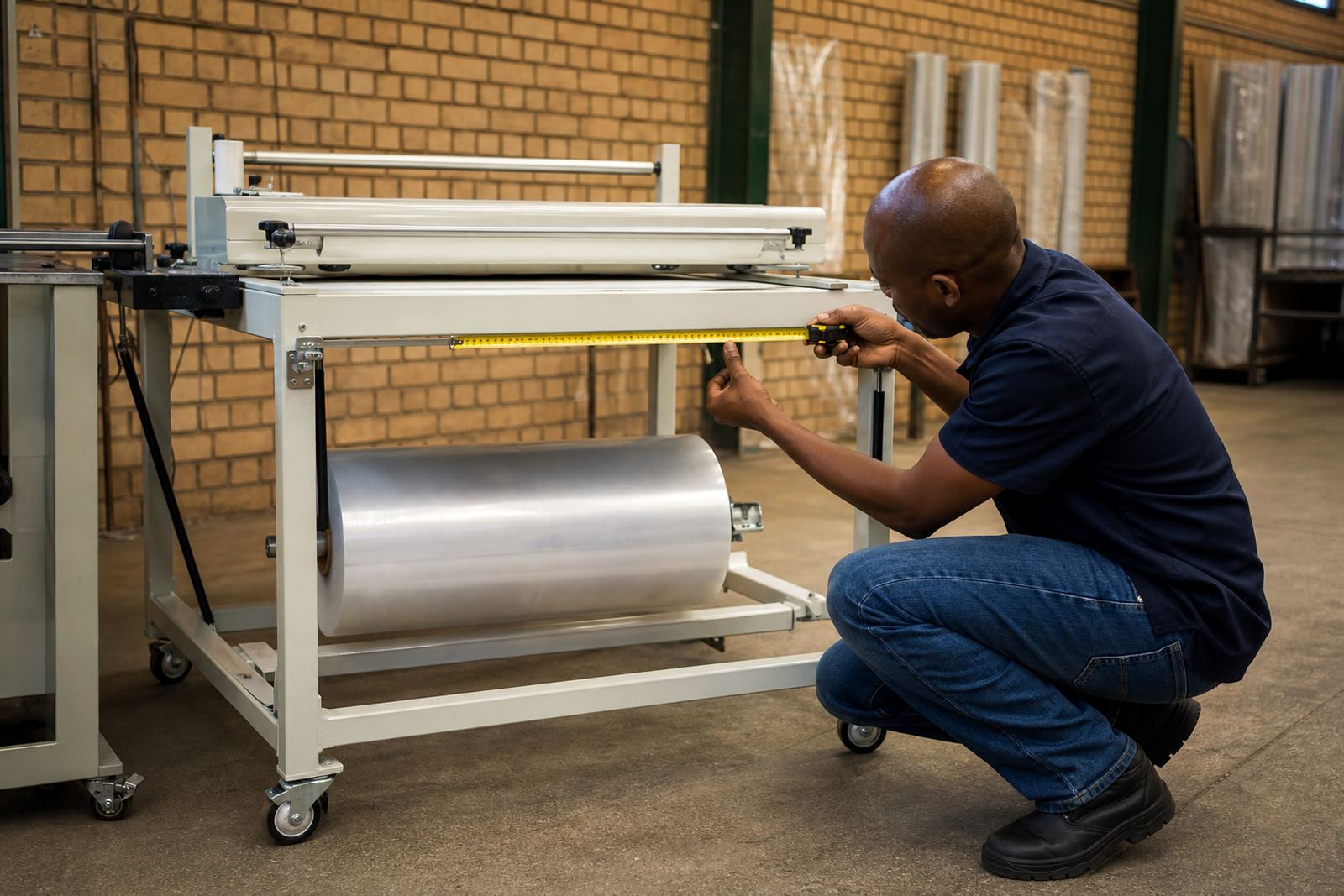
Uneven film application often starts with small mechanical issues. A blunt blade, a dispenser that drags, or a unit that is not aligned to the pack can all lead to poor results. The line may still run, but the output changes from one bundle to the next. In a busy packhouse, that inconsistency becomes expensive. Operators use more film, spend time fixing mistakes and may slow the line just to keep control.
On shrink film and stretch film lines, the signs are easy to spot. One bundle may look tight, the next loose. Some packs have long tails, some have torn corners, and others show wrinkles where the film has not been guided properly. In humid coastal conditions around Durban or Cape Town, poor tension can become even more noticeable because film behaviour changes with temperature and storage conditions. In winter, load-shedding can also interrupt a line mid-run, which makes reliable cutting and reset time even more important.
When the cut is clean and the dispenser feeds smoothly, the operator has more control. That helps with repeat work, especially where retail bundles must stay neat over long shifts and different product sizes.
Practical habits that keep retail bundles looking consistent
Good bundle neatness is usually the result of good habits, not luck. The packing line should be checked at the start of each shift, after a roll change and after any stoppage. That includes the blade condition, film path, dispenser movement and the fit of the equipment to the product size being run. If the line changes often between pack formats, the settings need to be checked again, not just assumed to be correct.
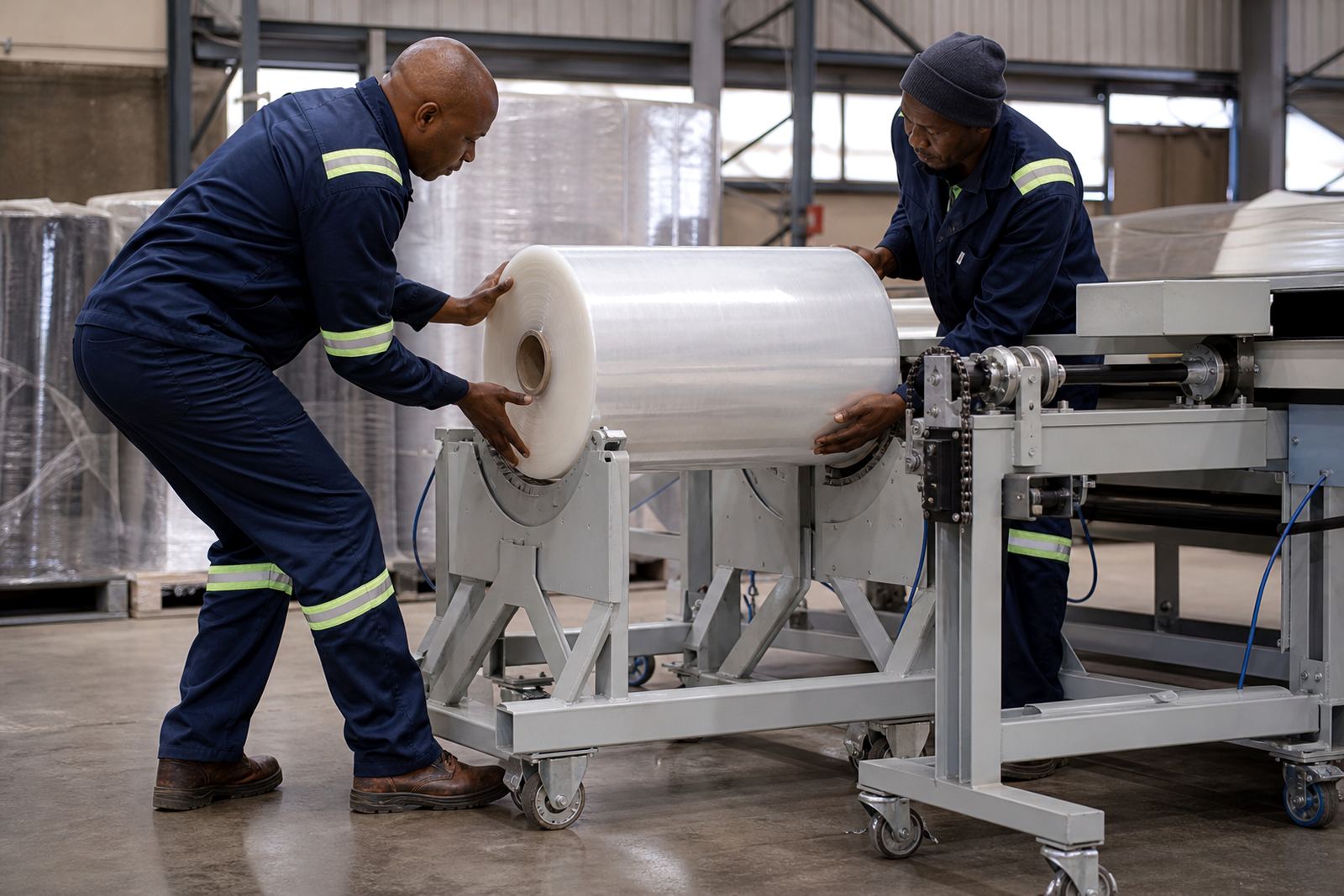
A simple routine can make a big difference. Operators should know what a correct cut looks like, how the film should sit and when a bundle should be rejected before it gets further down the line. Training matters here. So does a clear process for roll change support and safety checks, especially where several staff members share the same area. A small adjustment can save many cartons later.
For businesses packing consumer goods, personal care packs or multi-packs for supermarkets, neatness is part of the product. The outside must hold together and look acceptable when it lands at the store. That is why preventive servicing and site assessments are worth doing before faults become visible on the finished bundle.
A Germiston example: tighter control on a busy retail run
A Germiston based packing operation supplying retail bundles to stores across Gauteng once found that the packs leaving the line looked acceptable in the plant, but arrived with loose corners and uneven wraps after transport. The issue was not the product itself. It was the consistency of the film application. Some shifts ran well, others did not, and the problem became more visible on warmer afternoons and after frequent roll changes.
After a site assessment and line setup review, the team changed the way the cutters and dispensers were positioned, added blade replacement intervals and gave operators a clearer check list. The result was better repeatability, cleaner bundle edges and fewer complaints from dispatch. The line did not need to run faster. It needed to run more steadily. That is often the point people miss. Better neatness usually comes from control, not force.
For operations in Germiston, Johannesburg or Boksburg, where packing lines often work under pressure and space is tight, small adjustments can have a noticeable effect. It helps keep the line moving and the bundles presentable from the factory floor to the retail shelf.
Why service support matters when neatness is part of the spec
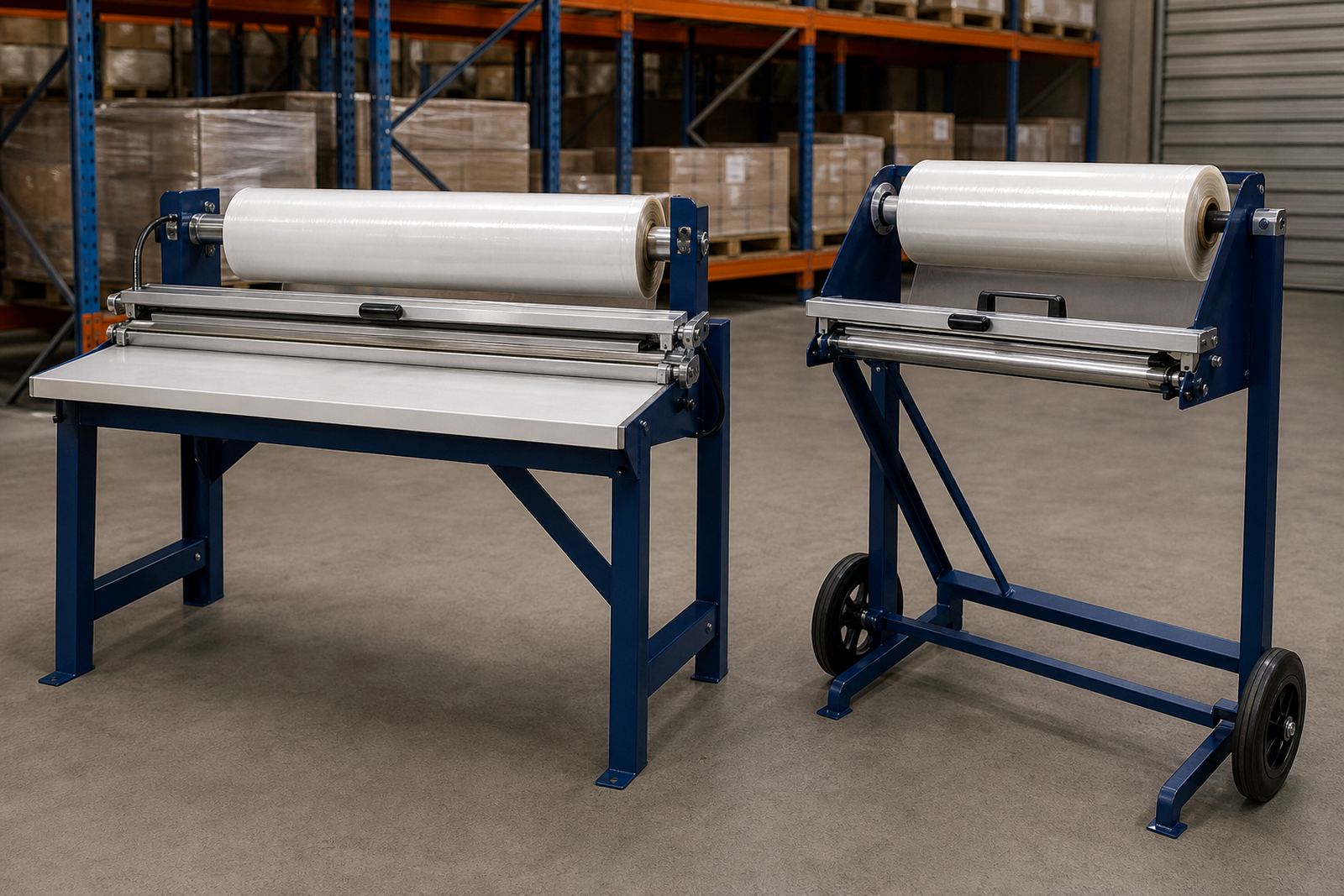
When bundle appearance is part of the customer requirement, service support has to be practical and responsive. Dispenser repairs, spares supply, blade replacement and breakdown callouts all play a role in keeping output steady. If a cutter starts dragging or a dispenser arm wears unevenly, the line can keep running for a while but the finish will slip. That is where preventive servicing is cheaper than sorting out repeated rejects.
Film Cutters works from Germiston, Ekurhuleni and supports packing lines across South Africa, including Johannesburg, Pretoria, Durban, Cape Town and Polokwane. The focus is straightforward: help teams keep shrink film and stretch film applications neat, safe and repeatable. That includes onsite installation, operator training, equipment upgrades and safety checks where needed. The aim is not only to fix faults but to keep them from coming back.
For businesses with retail bundles on the line, especially where presentation affects sales, the right setup can save time every day. It also makes staff work easier, which matters on long shifts and during busy periods when there is no room for trial and error.
A simple rule for customer facing packs
If the bundle will be seen by a customer, then neatness is not a finishing touch. It is part of the job. Tidy cuts, even tension and a reliable dispenser setup make the pack safer to handle, easier to stack and better to sell. That is true for food packs, household goods, hardware bundles and many other retail formats.
The best lines are the ones that keep producing the same result all day, even when conditions change. That takes the right equipment, regular checks and people who know what to look for. If your retail bundles are going out from Germiston, Midrand or Pretoria and the finish is starting to vary, it is usually worth checking the cutter, the dispenser and the service routine before the problem spreads through the whole shift.
In packaging, neatness is not cosmetic. It is part of control, and control saves money.