
Why spare parts matter on a busy packing line
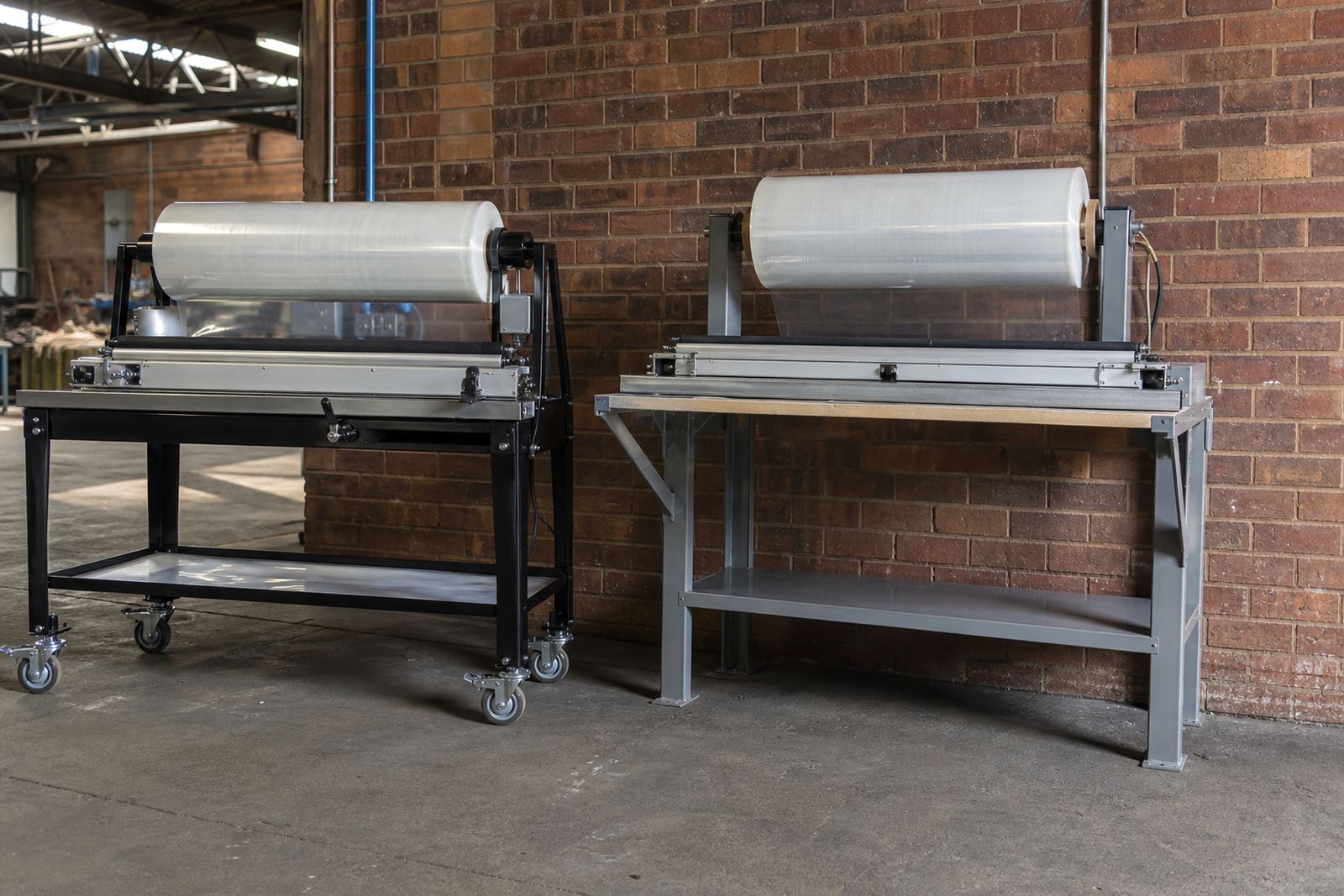
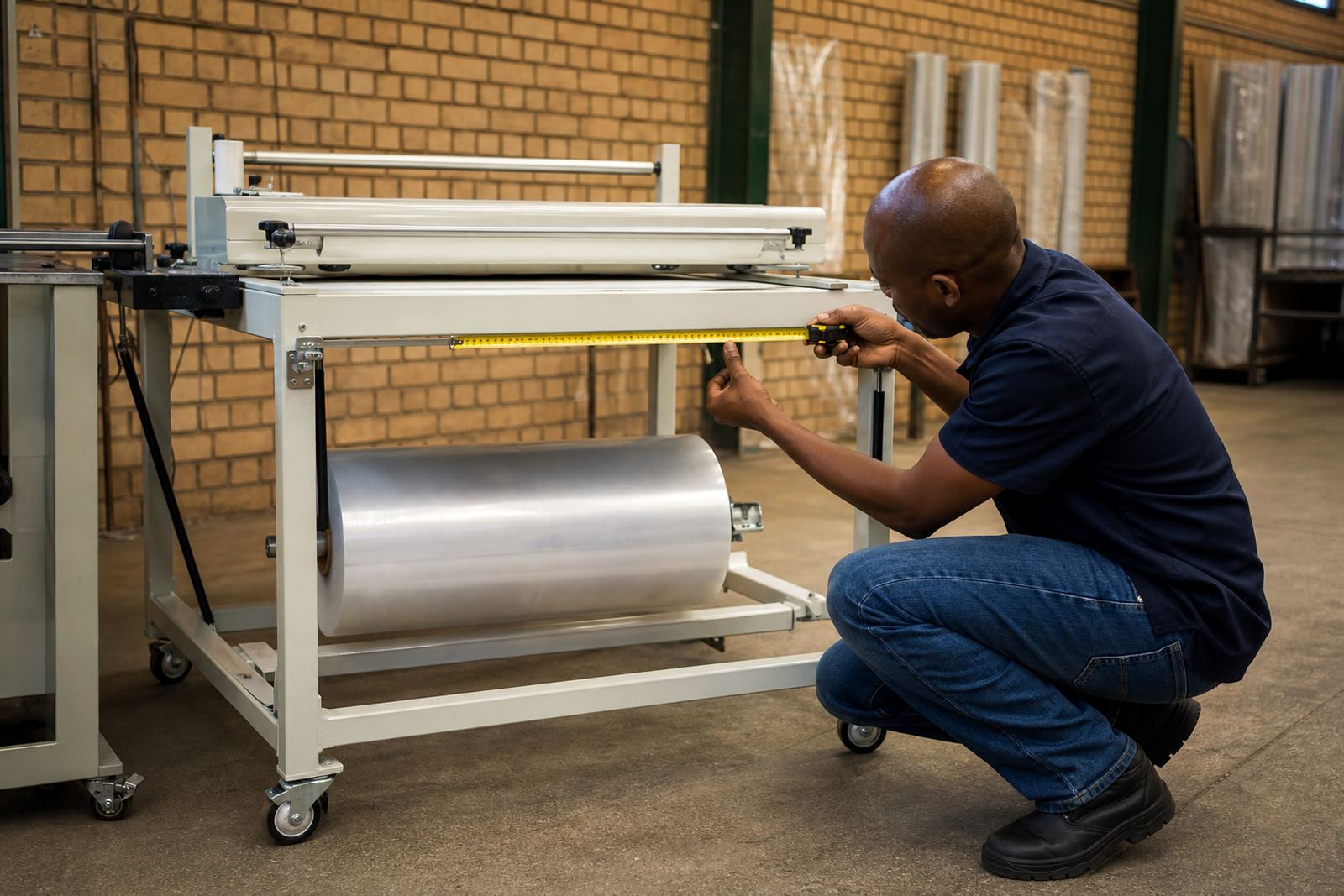
Film cutters and dispensers work hard on packing lines that run through long shifts, sometimes in hot stores, dusty yards or humid coastal conditions. When a blade dulls, a guide loosens or a spring fails, the whole line can slow down while cartons wait and labour costs keep ticking. That is why smart sites keep a focused spares list rather than relying only on breakdown repairs.
In Germiston and the wider Ekurhuleni area, many packing operations run close to tight dispatch times. If your line serves Johannesburg, Pretoria or Durban customers, even a short delay can upset truck loading and overtime planning. A basic spares stock gives your team room to keep going until a technician arrives or the next service window opens.
The everyday wear items worth holding
Some parts wear out through normal use and should be replaced before they fail. These are the items most sites keep in the storeroom, especially where rolls are changed often and operators work against production targets.
- Replacement blades for shrink film and stretch film cutters
- Cutting strips or cutting edges where the design uses a separate wear surface
- Springs and tension parts that return the cutter to its resting position
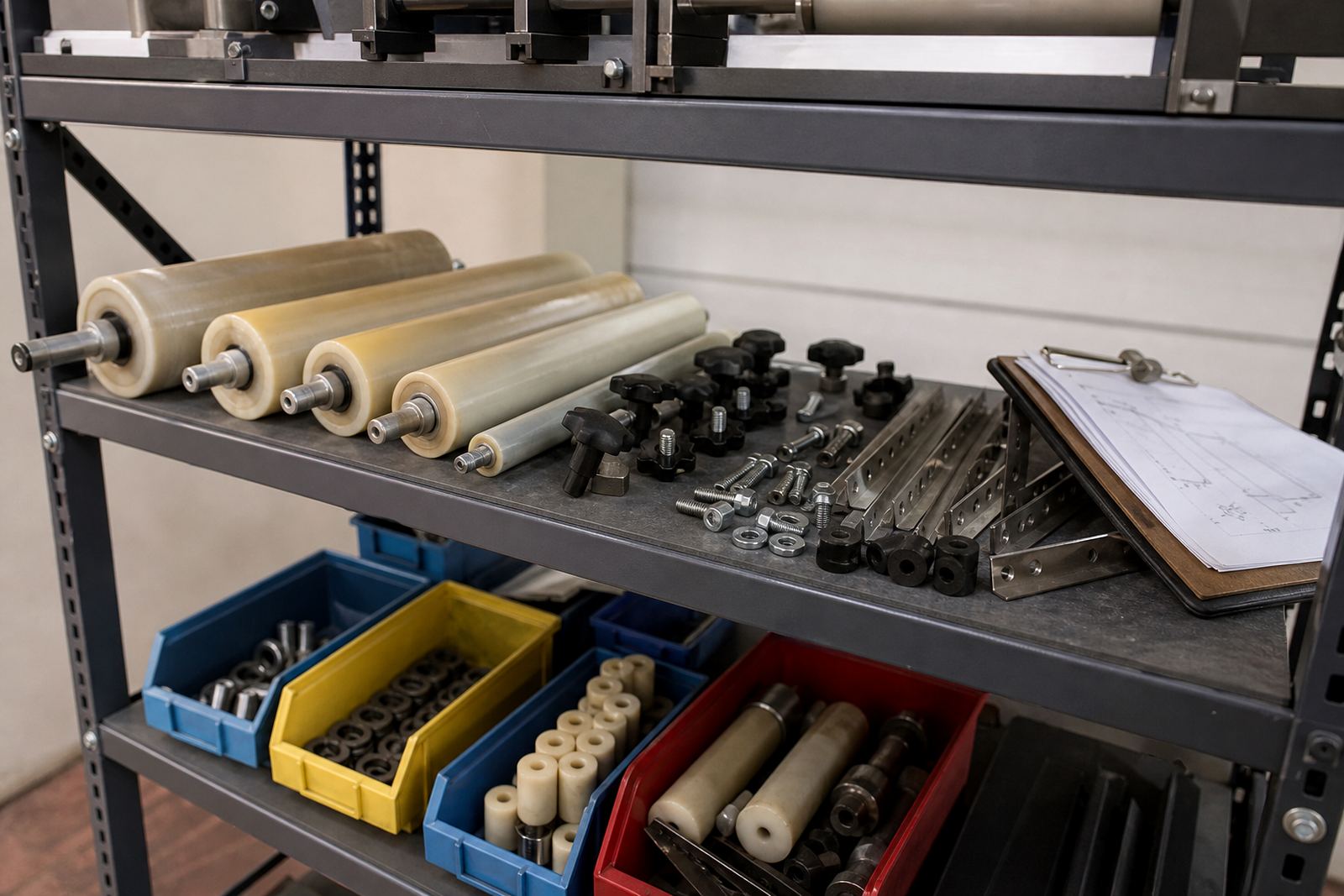
- Fasteners, screws, washers and retaining clips matched to the unit
- Handle grips, knobs and other contact parts that get daily use
If your operation uses several dispensers across different stations, it helps to keep one spare set for each common model. That way, when a part goes missing or breaks, the fix is simple and not a half day search through mixed boxes.
Blades and cutting parts: do not wait for a clean failure
Blades are the most obvious spare, but many sites still carry too few. Once a blade starts tearing film instead of cutting cleanly, operators often work harder to compensate. That can lead to wasted film, poor wrap quality and safety issues around exposed edges.
For sites in Polokwane, Cape Town or Durban where temperature and humidity can affect film behaviour, a blunt or damaged blade becomes obvious quickly. Stocking blades early is cheaper than losing time on rejected wraps, rework or unhappy loaders trying to repair a line mid shift.
- Keep blades wrapped and labelled by cutter type
- Store them in a dry cabinet away from moisture and oil
- Issue spares only after a visual check on the old blade and holder
Small hardware that causes big stoppages
It is usually the smallest pieces that stop a line completely. A loose bracket, missing spacer or cracked mount can take a dispenser out of action even when the main body is still sound. That is why hardware spares matter just as much as the visible cutting parts.
At one Germiston packing site we visited, a line was down because a tiny retaining clip had failed during a roll change. The clip itself was cheap, but the team lost nearly an hour looking for a substitute and testing the unit. After that they started keeping a labelled hardware kit near the packing area, and stoppages dropped sharply.
- Bolts, nuts and washers in the sizes used on site
- Retaining clips and locking pins
- Mounting brackets or adapter pieces for common dispenser positions
- Limit stops, guards and guides that protect the operator
What to keep for repairs between service visits
Not every fault needs a full rebuild, but some parts should be available before a technician arrives. This is especially useful for sites running night shift, weekend loading or seasonal volumes where waiting until Monday is not practical.
A sensible repair kit can cover most quick fixes and help your team get back to production after a minor issue. It also makes preventive servicing faster because the worn part can be changed immediately rather than ordered and fitted later.
- Complete cutter assemblies for the most used stations
- Replacement rollers or guide pieces where film movement is controlled
- Return springs and adjustment parts
- Lubricants approved for the equipment and cleaning cloths for routine care
How to choose the right stock level for your site
The right stock level depends on how many lines you run, how often roll changes happen and how quickly spares can reach you. A small Boksburg warehouse with one packing station will carry less than a multi shift site feeding retail distribution out of Midrand. The aim is not to overbuy, but to keep enough on hand for realistic downtime risk.
Start by listing every cutter and dispenser in use, then record the parts that fail most often. From there, set a minimum and maximum quantity for each item. Review the list after every major service, after operator training and after any change in film type or packing speed.
Sites that work with outdoor loading bays or dusty product areas should also check seals, housings and moving joints more often. Load-shedding can add pressure too, because lines often restart under time pressure and rough handling increases wear. A proper stock plan helps the team stay calm when power returns and production must move quickly.
Keep your spares list practical and local
A good spares cupboard should be easy to understand. Label each item, keep the old sample next to the new part where possible, and note which line or station uses it. That saves time for operators, supervisors and maintenance teams, especially when shifts change and people need answers fast.
For packing sites across Germiston, Johannesburg, Pretoria, Durban, Cape Town and Polokwane, the best approach is simple: hold the items that stop production, not just the ones that look important. If a spare can prevent a breakdown callout, it belongs on the shelf.
With the right mix of blades, hardware and repair parts, your film cutters and dispensers stay in service longer and your packing line keeps moving. That is good for output, for safety and for the budget too.