
Why film tension changes everything on the line
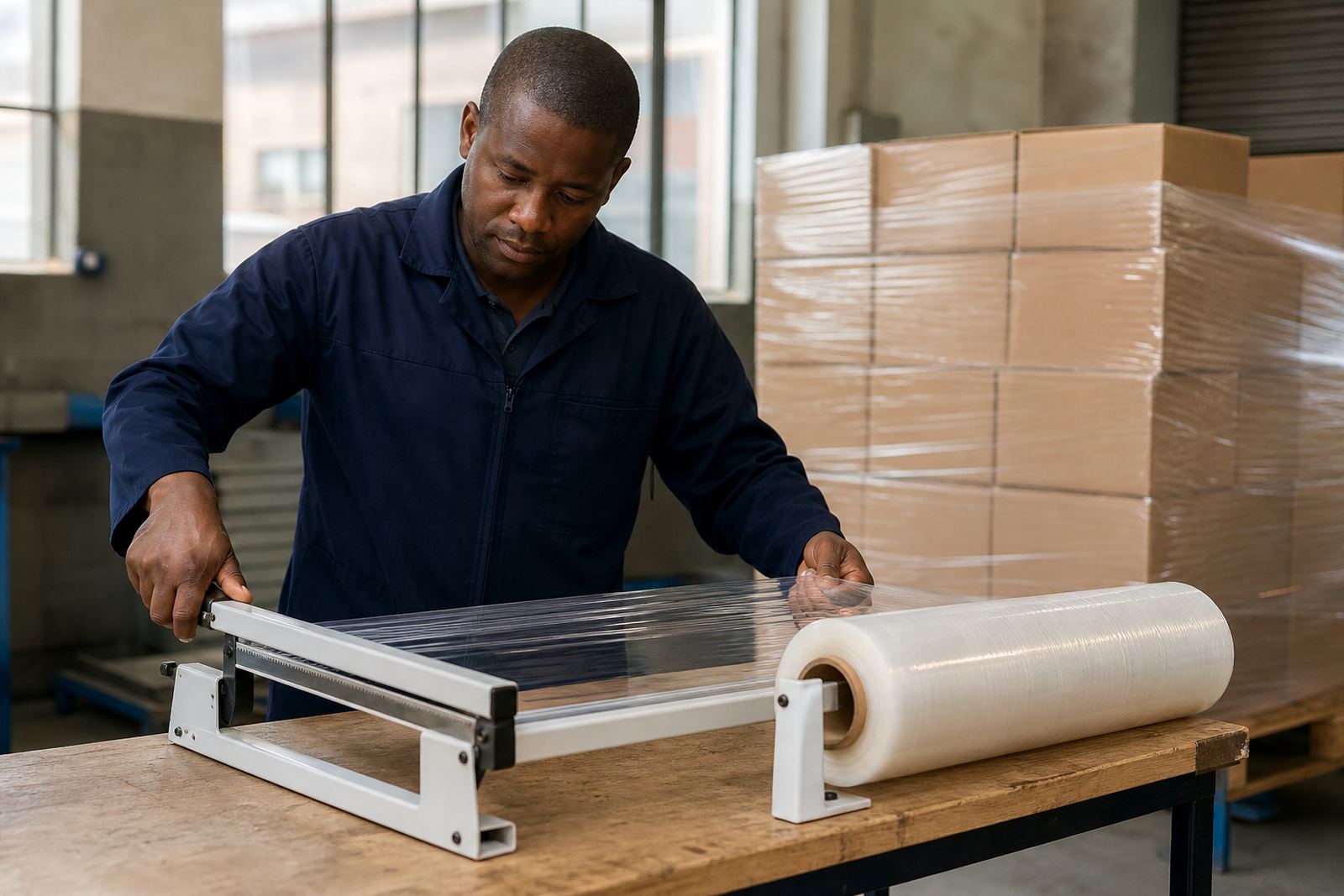
On a packing line, tension is the pull applied to the shrink film or stretch film as it feeds through the cutter and dispenser. Too little tension and the film can sag, wrinkle or slip. Too much and you risk stretching it past its working range, which makes the wrap less consistent and can cause tearing at the blade or edge guide.
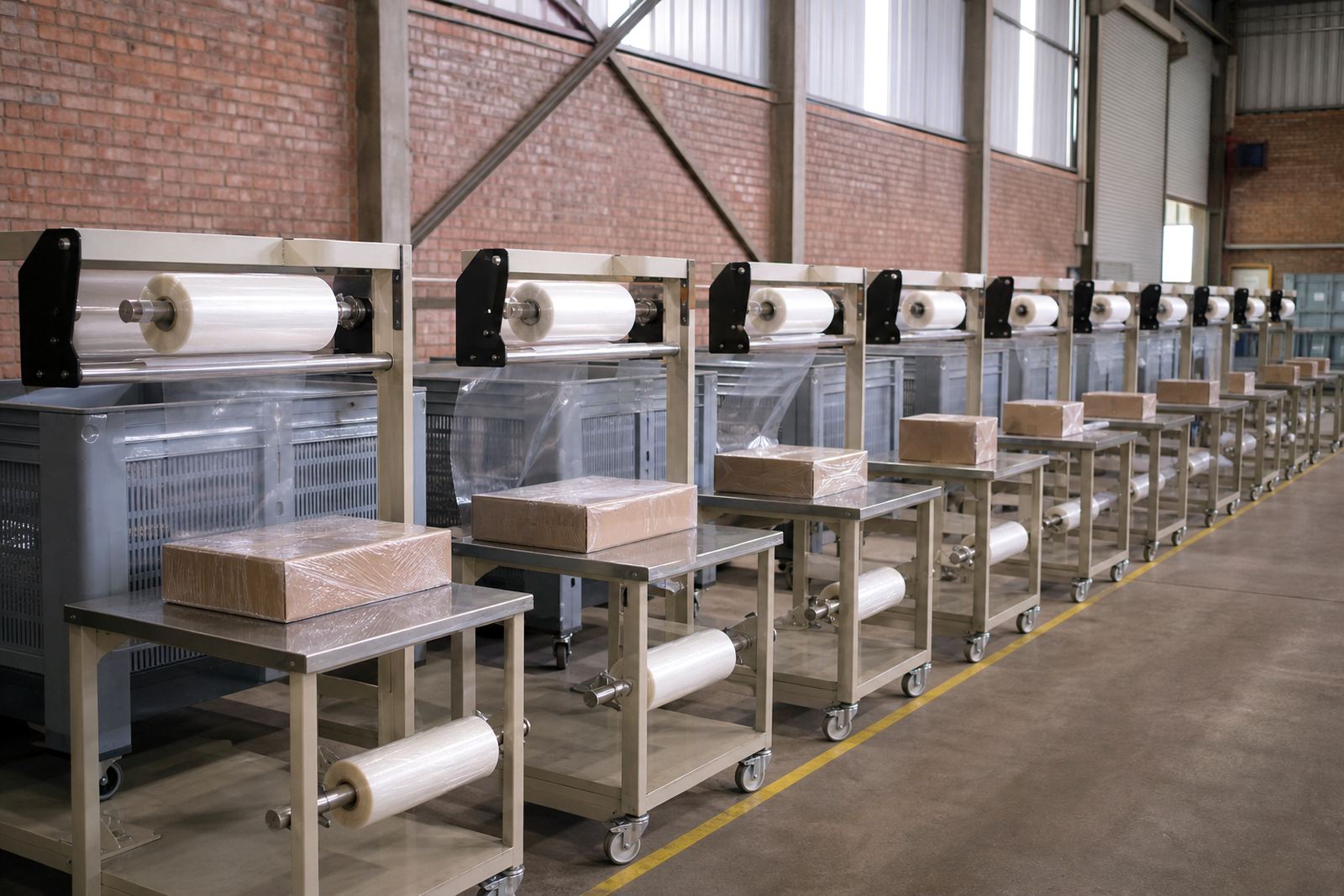
That matters in busy facilities from Germiston industrial parks to distribution centres in Midrand and Pretoria. When loads move quickly, every extra adjustment slows packe output. A stable tension setting helps operators keep a steady rhythm, especially where the same line handles mixed carton sizes, pallet heights and film grades during the day.
The signs your tension is off
Most tension problems show up before anyone calls for repairs. Operators usually notice the wrap first, then the stoppages follow. If the load is not holding square or the film is bunching near the dispenser, the line may need a check rather than a full equipment change.
- Film breaks at the same point on every roll change.
- Wraps look loose on one side and tight on the other.
- The cutter leaves uneven edges or the film feeds jerkily.
- Operators keep adjusting the same setting by hand.
- Loads arrive at dispatch with damaged corners or exposed product.
In Durban, where coastal humidity can change how materials behave across the shift, these signs can become more noticeable. In winter in Johannesburg and Pretoria, static and dry conditions can also affect how the film moves through the dispenser.
Matching tension to the product and packaging method
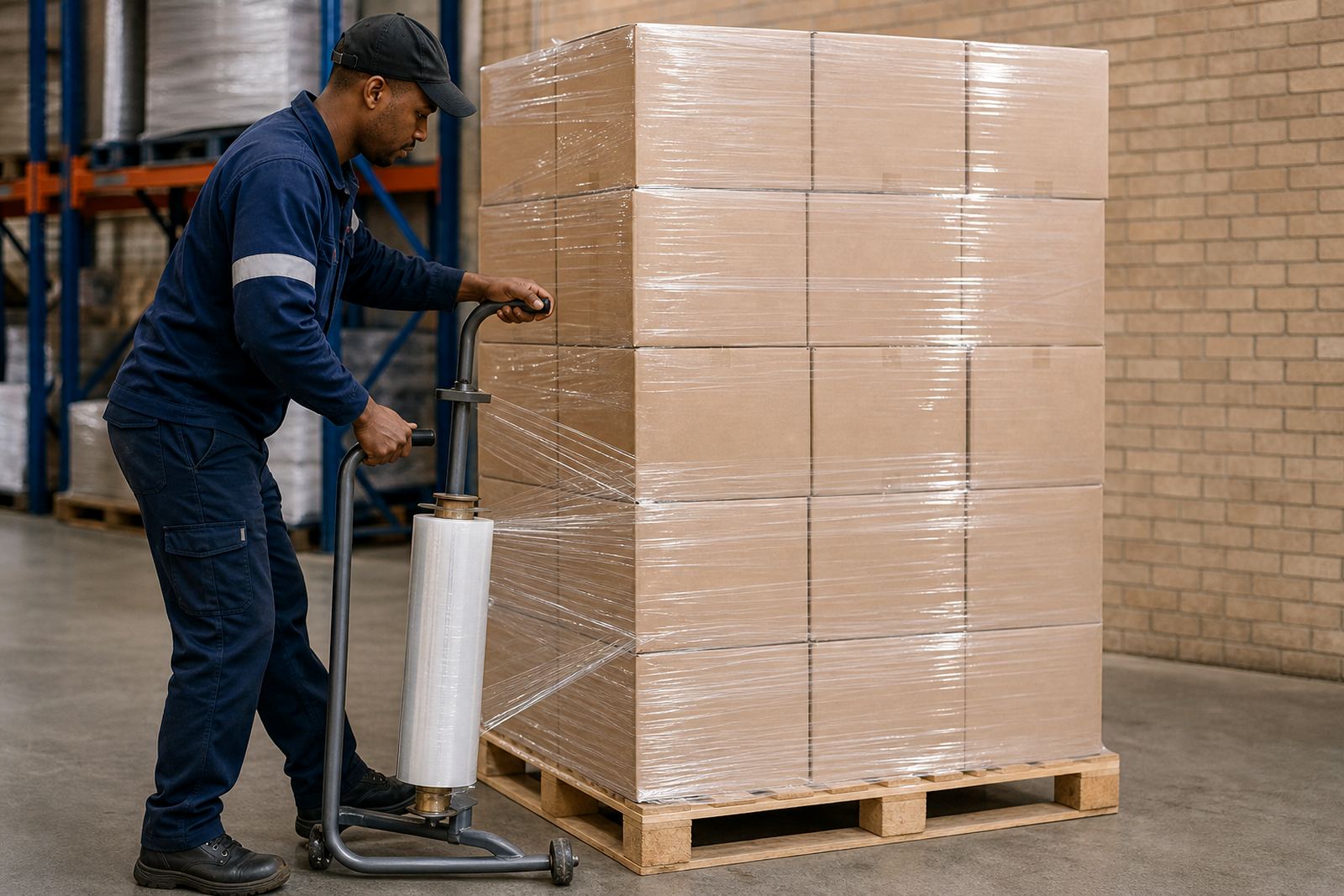
There is no single tension setting that suits every site. A light load of cartons on a short route does not need the same wrap control as a tall pallet moving through a regional warehouse. The correct setting depends on the film type, the load shape, the speed of the line and how the pack is handled after wrapping.
For shrink film, tension needs to support even application without overheating or pulling the film out of shape. For stretch film, the aim is controlled elongation so the film grips the load without crushing boxes or leaving weak spots. The best result is usually the one that gives the least amount of film use while still holding the load securely.
- Heavier loads often need firmer control at the feed point.
- Fragile cartons need softer tension to avoid compression.
- Long production runs benefit from settings that hold steady between roll changes.
- Mixed product lines may need a marked setting for each product group.
How proper tension helps with safety and film waste
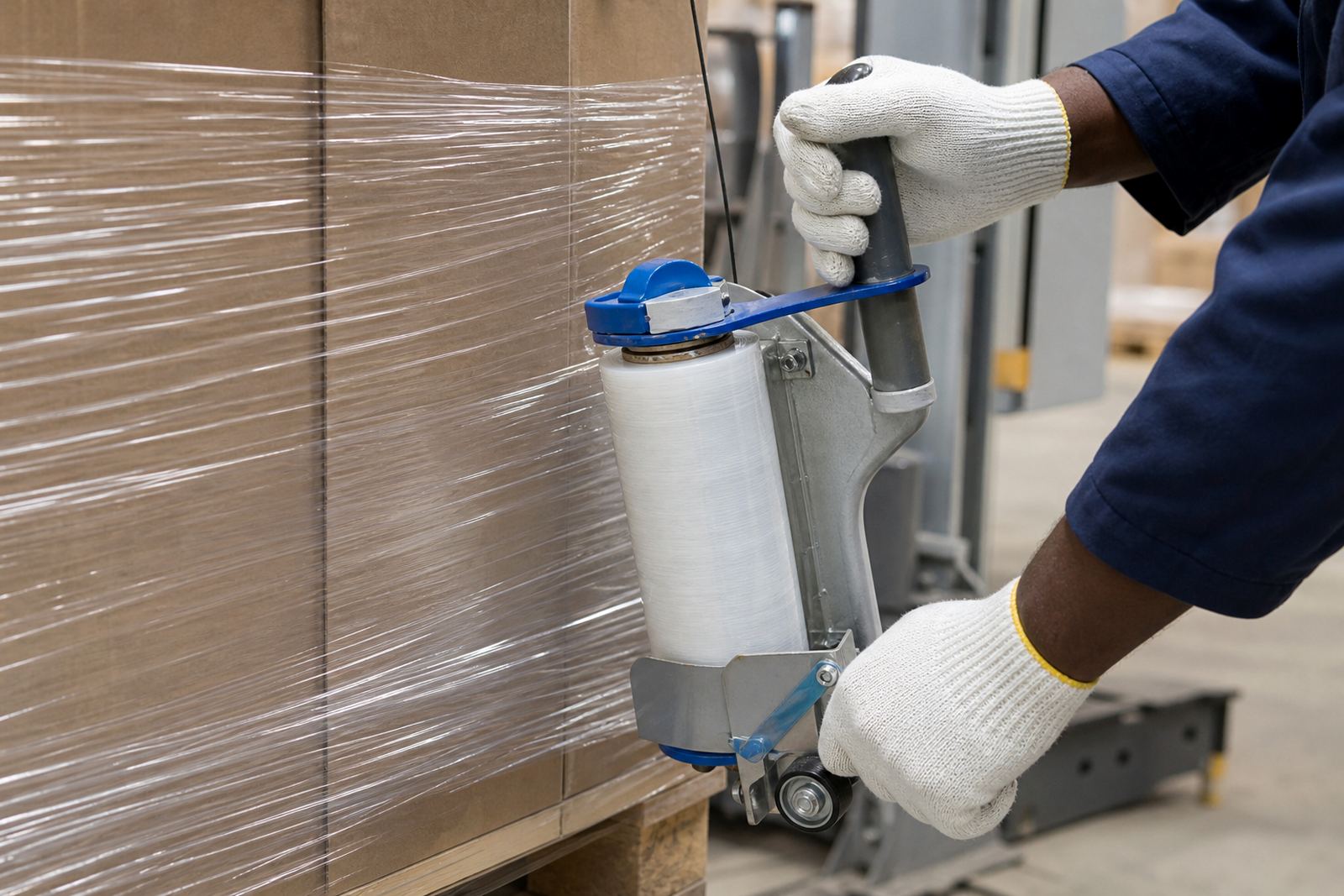
Good tension is not only about wrap quality. It also helps reduce hand strain, sudden pullback and unnecessary reaching around moving parts. On a line with frequent roll changes, a dispenser that feeds smoothly makes life easier for the operator and reduces the chance of a rushed adjustment near the blade or guide rail.
It also saves material. Over-tensioned film often means more breaks, more rewraps and more offcuts. Under-tensioned film can mean extra layers are added just to keep a load together, which uses more stock than needed. If your site is trying to keep costs under control in a high-volume month, that difference adds up fast.
- Less rework means fewer stoppages.
- Fewer breaks means less film thrown away.
- Steadier wrapping helps maintain line pace.
- Safer handling reduces operator fatigue over a shift.
A Germiston example from a busy distribution floor
At a Germiston site handling mixed outbound goods, the team had one dispenser that kept causing uneven wraps on taller pallets. The line was not failing completely, but operators had to keep stopping to reset tension after each roll change. That small problem was enough to create delays before the afternoon dispatch run.
After a site assessment, the setting was adjusted to suit the load mix, and the dispenser was checked for wear at the feed point and blade area. The result was not dramatic in a flashy way, just practical: fewer breaks, smoother roll changes and more consistent wrap quality across the shift. The supervisor could keep the line moving without calling for constant corrections.
Keeping tension stable through maintenance and training
Even a good cutter or dispenser needs attention. Dust, worn parts and loose guides can change how the film runs. Regular servicing helps keep tension repeatable, especially in facilities that run long hours or split operations between day and night shifts. On sites near coastal areas like Cape Town, corrosion and damp air can also affect moving parts if they are not checked.
Basic operator training makes a difference too. When staff know how to spot a worn blade, judge feed resistance and handle a roll change correctly, the line spends less time on callouts and more time packing. A short checklist for each shift can help a team catch issues early.
- Check blade sharpness and edge wear.
- Look for build-up around guides and rollers.
- Confirm the dispenser is aligned before a new roll starts.
- Record repeated breaks so the cause can be traced.
- Book preventive servicing before peak periods and shutdowns.
What to do when tension keeps drifting
If the setting keeps changing by itself, the problem may sit deeper than the film roll. A drifting tension issue can point to worn parts, poor alignment, operator habit or a dispenser that is no longer matched to the line speed. In some cases the quickest fix is a repair. In others, a small upgrade saves more time than repeated callouts.
For plants in Boksburg, Germiston, Johannesburg and beyond, the best next step is a site assessment with the full line running. That shows how the film behaves under real conditions, not just on an idle machine. Once the cause is clear, the right combination of servicing, spares, training and setup changes can put the line back into proper working order.
When tension is managed properly, the whole packing operation feels calmer. The wraps look better, the load stays secure and the operator can focus on output instead of constant correction.